Bauer Lil Rookie Skates Review: Performance and Longevity
This post contains affiliate links. As an Amazon Associate, we earn from qualifying purchases.
The Bauer Lil Rookie is an adjustable youth hockey skate designed for young, new-to-the-sport players. It offers 4 sizes of adjustability within a single shell, features a medium-hard sole and top construction for stability, and uses a beginner-friendly steel blade. Available in Youth (11/1) and Junior (2/5) overall models, it’s classified as a RECREATIONAL level product for cost-effective, growing feet.
The adjustable toe cap is the whole point of the skate, and it changes the math on how long a pair lasts. Children’s feet grow quickly, which can necessitate frequent skate purchases. This one tries to stretch that window, as noted in a typical Bauer Lil Rookie skates review.
What follows: a breakdown of the exact materials Bauer uses, how the adjustment mechanism works in practice, the real trade-offs parents report, and a clear look at where this skate fits in Bauer’s lineup compared to models like the Prodigy or X-LS.
Key Takeaways
- The adjustable toe cap provides 4 size settings within a single shell, potentially extending use to almost 2 years per pair.
- These are RECREATIONAL level skates; the Fiber Composite Quarter and 30oz felt tongue offer beginner support but lack the stiffness for advanced hockey maneuvers.
- Owner reports include a sizing perception that the skate seems to run big, so professional sizing is critical despite the adjustment range.
- Sources disagree on cost-effectiveness for programs: some say adjustable skates are great for learn-to-skate and can be reused, while others argue buying used single-size skates is more cost-effective.
- The TUUK ADJUST holder and beginner-friendly steel blade are designed for easy balance, not for high-performance sharpening profiles.
How Does the Bauer Lil Rookie Adjustable Sizing Work?
You turn a key. That’s the short answer, but the mechanism dictates everything about the skate’s fit and lifespan.
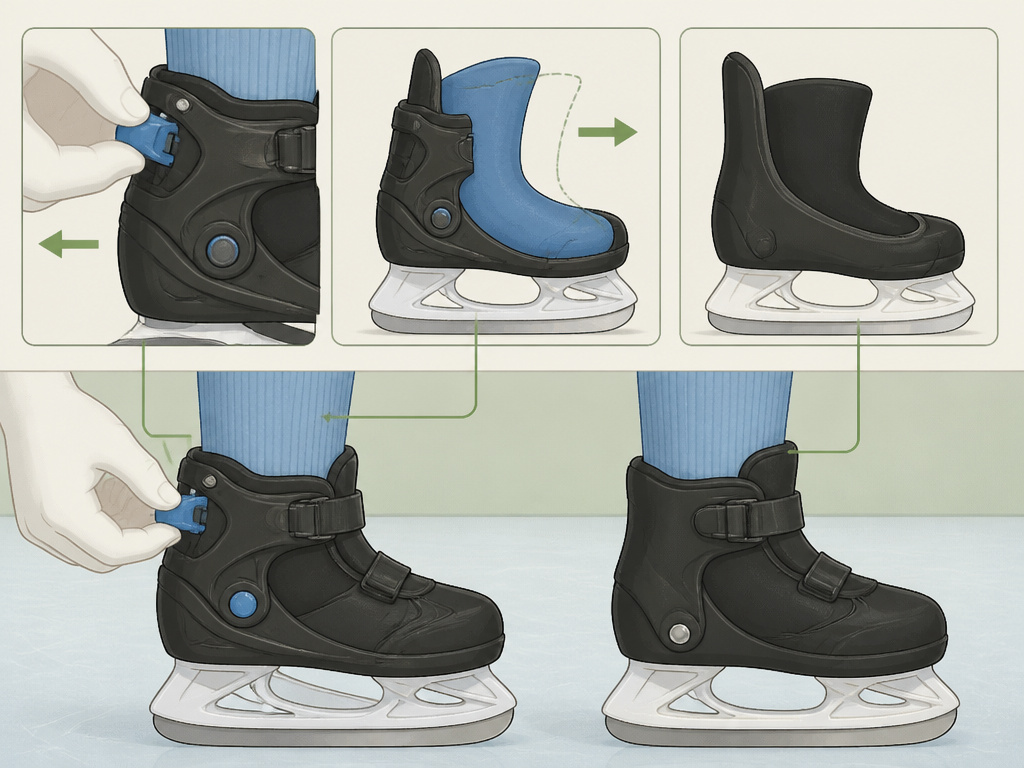
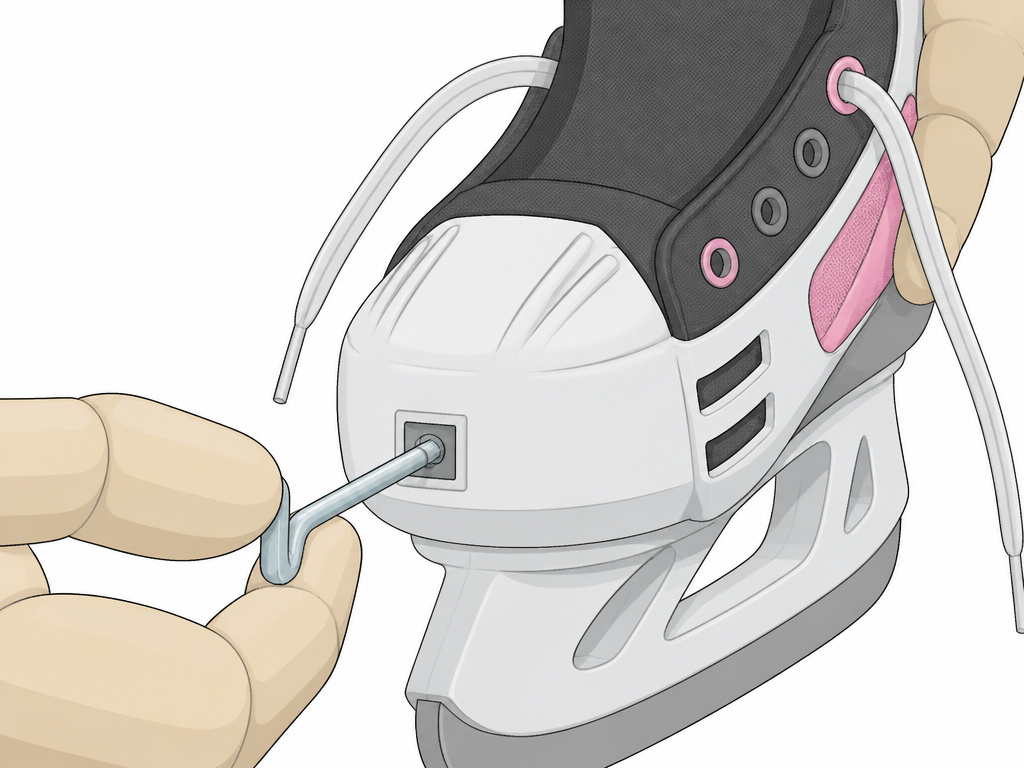
The adjustment happens at the toe. A removable key fits into a socket on the adjustable toe cap. Turning it extends or retracts the internal footbed, effectively lengthening the boot. Bauer specifies this gives you 4 sizes of adjustability within a single shell. For the Youth model, that’s a range of 7-10. For the Junior model, it covers sizes 2/5.
The adjustable toe cap guarantees a secure fit and allows the skate to be adjusted to four different sizes. The mechanism is simple: insert the provided key, turn to extend for growth, and lock back into place.
The point many overlook is this: the shell itself doesn’t change. You’re just moving the footbed and toe cap forward into a larger, empty space inside the same rigid outer boot. On the smallest setting, a young skater’s foot is sitting far back in a cavernous shell. That’s where the “bit heavy for him at the smallest setting” comment from a parent comes from, the weight and balance feel off because the foot isn’t occupying the entire structure.
The part nobody mentions: you must re-lace the skate from scratch after every adjustment. The eyelets align differently when the toe is extended, and lacing it the same way will pinch the top of the foot. Loosen everything, re-thread, and re-tighten.
| Setting | Effective Size | Best For | Potential Issue |
|---|---|---|---|
| Smallest | Start of range (e.g., 7) | First fitting, smallest foot | Foot sits deep in shell; may feel heavy/unbalanced |
| Middle 1 & 2 | Growth steps | 3-9 months of use | Lacing pattern must be readjusted |
| Largest | End of range (e.g., 10) | Final use before outgrowing | Toe cap at maximum extension; less structural support |
If your child is between standard sizes, this system is a godsend. If they are squarely a size 8, you’re paying for a mechanism you’ll use twice.
Materials, Build, and “Recreational” Classification
Bauer is specific about the parts. This isn’t a generic “composite” skate. The quarter package is Fiber Composite Quarter. The tongue is 30oz felt with a liner. The footbed is EVA foam. The outsole is TPR (Thermoplastic Rubber). The holder is a TUUK ADJUST holder, and the runner is a steel runner.
This is how the marketing translates to actual function.
The Fiber Composite Quarter is stiff enough to provide basic ankle support for a beginner but will flex significantly under the weight and force of an aggressive skater. The 30oz felt tongue is about protection and comfort, it’s thick and cushions the front of the ankle. You’ll feel the difference immediately if you press on it. The EVA foam footbed is soft and forgiving, a plus for new skaters who haven’t developed the foot strength for a firm, performance-oriented bed.
Common mistake: Assuming “adjustable” means “indestructible.” The TPR outer skin is robust, but the internal components are designed for recreational use. Jumping to advanced stops and starts will stress the quarter and holder connection faster than a non-adjustable hockey skate.
The TUUK ADJUST holder is the standard beginner holder from Bauer. It’s not the LightSpeed Edge system found on their higher-end models, meaning blade changes are more involved and it’s heavier. The steel runner has a beginner-friendly design to promote stability.
Where this goes sideways: The “medium-hard sole and top construction” Bauer advertises is a relative term. Compared to a soft figure skate, yes. Compared to a Bauer Vapor Fly40, it’s noticeably more flexible. This is the defining trait of its RECREATIONAL classification. It’s built for learning to skate and basic hockey skills, not for competitive edge work and powerful strides.
Bauer Lil Rookie vs. Other Bauer Youth Skates: Where It Fits
Bauer’s youth lineup can be confusing. The Lil Rookie sits at the entry point, but it’s not the only option. Knowing the difference saves you from buying the wrong tool.
This isn’t about which is “better”; it’s about which solves your specific problem.
| Model | Best For | Key Difference | Longevity |
|---|---|---|---|
| Lil Rookie | First-time skaters, learn-to-skate, cost-conscious growth | Adjustable sizing (4 sizes) | ~2 years per pair |
| Prodigy | Youth players committing to hockey, needing more support | Non-adjustable, stiffer boot, better materials | ~1 year (or until outgrown) |
| X-LS | Recreational skating, occasional pond use, lowest cost | Non-adjustable, very soft boot, basic components | ~1 year |
That’s when you look at a non-adjustable, stiffer model like the Prodigy.
A coach’s advice cuts through the noise: go to a shop and try on different models. The best skate is the one that fits the foot best today, not just the one with the longest size range. A poorly fitting adjustable skate is worse than a perfectly fitting single-size skate they’ll outgrow in a year.
For more detailed comparisons, our guide to other Bauer skates breaks down the entire lineup.
Real-World Performance and Longevity: What Owners Say
The specs tell one story. The rink tells another. Sifting through owner reports, two themes dominate: longevity and fit.
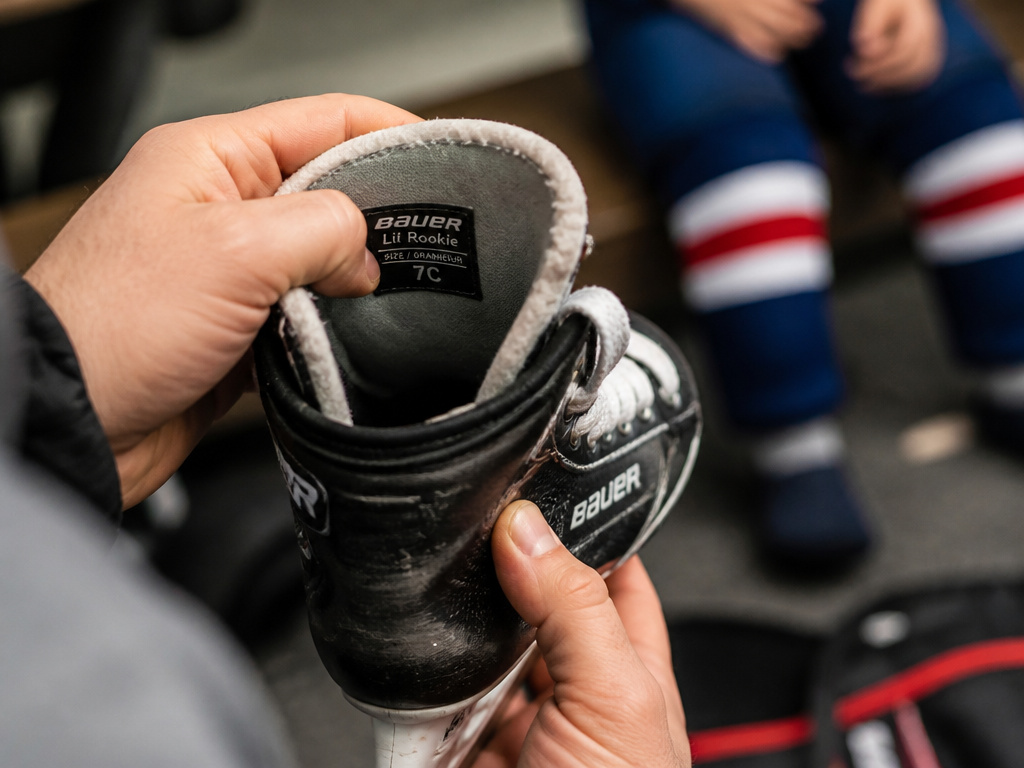
One parent reported using a pair of Bauer Lil Rookie skates for almost 2 years. Another suggested that for a 4-year-old, the 7-11 size range should be fine for a couple of years. This tracks with the design goal. If a child starts at the bottom of the range and grows steadily, two seasons is achievable.
The promised longevity, however, hinges on the fit being correct at the start, a central theme in any Bauer Lil Rookie skates review. Sources disagree on fit: Bauer claims ‘premium comfort,’ while some users report the skate seems to run big, which is why getting professionally sized is essential. A skate that’s too large from day one will never feel right, adjustable or not.
Worth knowing before you start: New, stiff skates need to be broken in, which doesn’t happen overnight. The Lil Rookie breaks in faster than a high-end model, but expect a few sessions before the felt tongue molds and the composite quarter softens at the flex points.
For pure learn-to-skate use, a typical Bauer Lil Rookie skates review is overwhelmingly positive. The blade is stable, the boot is comfortable, and parents appreciate not buying new skates every year.
For more information on options for young players, see our review of the best skates for youth players.
Step-by-Step: How to Adjust and Fit the Lil Rookie Skate
Assuming you’ve gotten a size check using the skate’s adjustable range, here’s how to manage the skate as your child grows. This is the process most product listings omit.
- Locate the Adjustment Socket. It’s on the outside of the adjustable toe cap, usually a small, square hole. The skate should come with a small metal key.
- Fully Loosen the Laces. You cannot adjust the skate when it’s laced tightly. Remove the foot, pull the laces completely loose through the top few eyelets.
- Insert the Key and Turn. Place the key into the socket. To enlarge the skate, turn the key. Do not force it.
- Re-Lace from Scratch. This is the critical step. Because the toe position has changed, the laces will now pull unevenly if you follow the old pattern. Start from the bottom eyelets and re-lace evenly, ensuring the tongue is centered.
- Check Fit and Lock. Have your child put the skate on and stand up. If the fit is good, ensure the key is removed and stored.
Skip this if: You’re adjusting more than one size increment at a time. The mechanism can handle it, but the fit will be so different that it will feel like a new, poorly fitted skate.
A pro tip from the forums: use waxed laces. They allow you to dial in tightness in different areas of the foot, tight over the arch, snug over the ankle, which helps compensate for the volume of a shell that’s slightly too large on the smallest setting.
For a child’s first pair, understanding the fit is as important as the skate itself. Our article on first hockey skates covers fundamental fitting principles.
When to Upgrade from the Lil Rookie
The Lil Rookie has a clear job. It also has a clear expiration date, which isn’t marked on the boot but on your child’s skill development.
Upgrade when you see these signs:
- They’re fighting the skate. If a child who can stop and turn well suddenly seems clumsy, the skate’s flexibility and balance may be limiting them, not their ability.
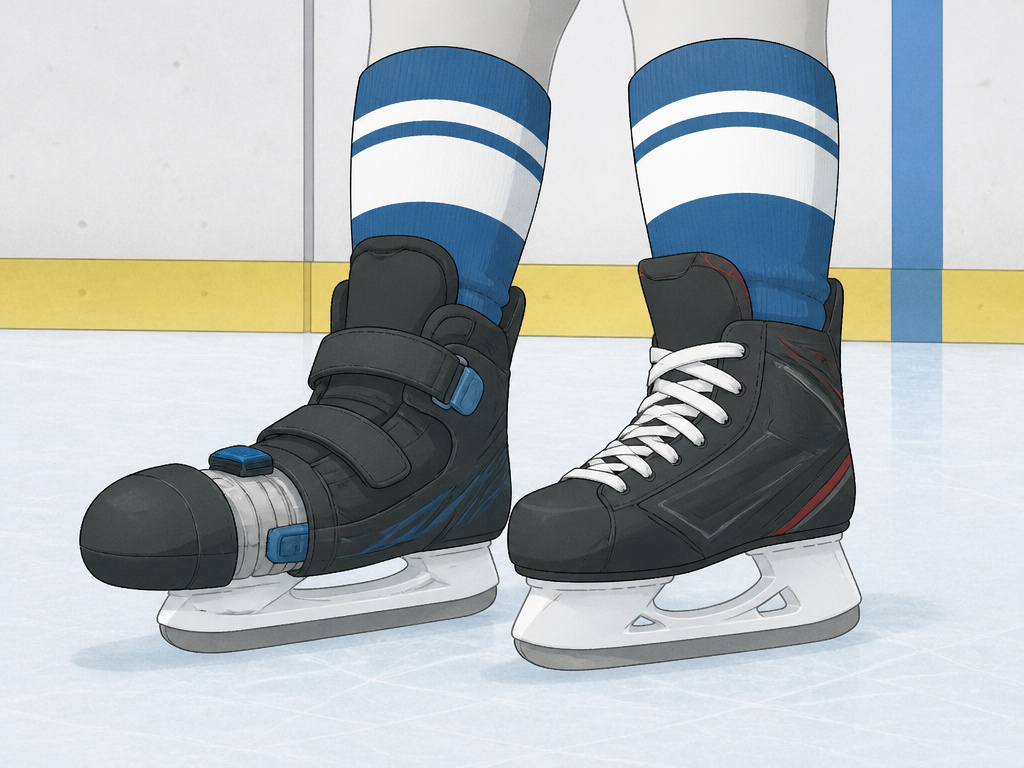
- They’ve reached the top of the size range. This is the mechanical limit. Once the adjustable toe cap is fully extended, the skate is done.
For a 6-year-old moving from mini-mites, the next step isn’t necessarily another adjustable skate. It’s often a single-size, hockey-specific model like a Bauer Vapor or Supreme in a junior line.
The alternative path is buying used. As one forum contributor pointed out, most kids outgrow skates long before they wear them out. A used, higher-quality single-size skate can often be found for a similar cost to a new Lil Rookie and will offer better performance. This is especially true for loaner programs, where a bin of used, single-size skates in various sizes is more practical and cost-effective than a fleet of adjustable ones.
Price and value
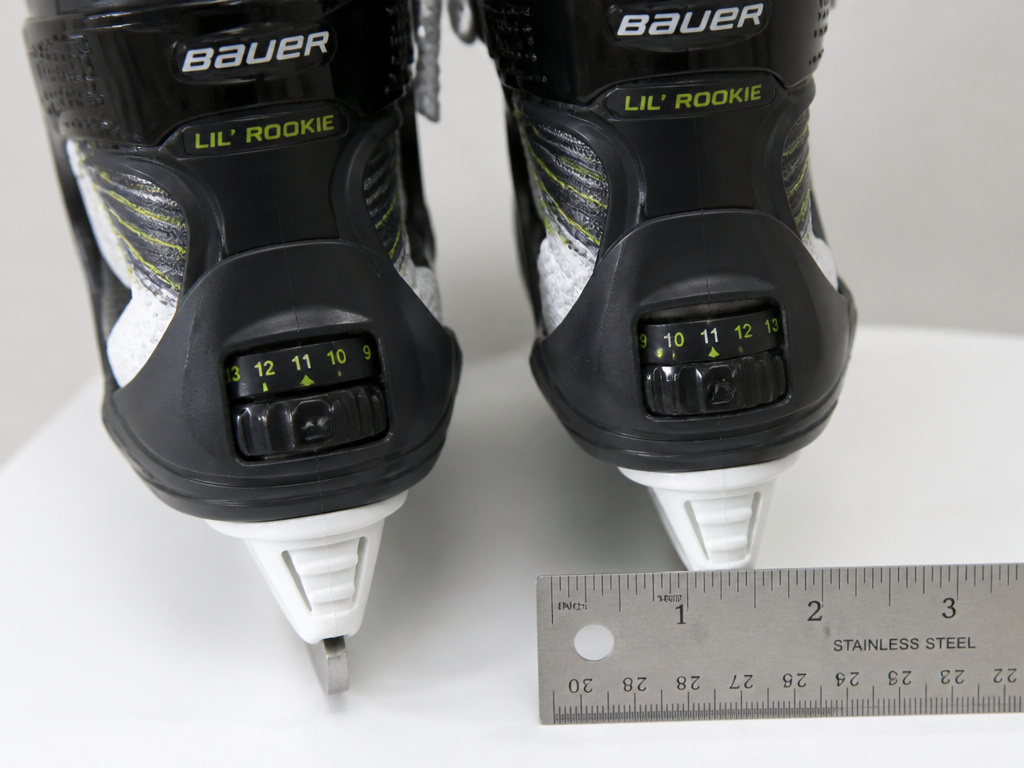
Determining the value of the Bauer Lil’ Rookie skate depends entirely on your child’s situation. For a young player new to the sport, the skate’s design offers a practical solution to fast-growing feet. The adjustable system provides four sizes in one shell, which can potentially cover multiple seasons. User reports indicate some children use a pair for almost two years, making it a long-term investment. However, for a loaner program or a child progressing quickly into competitive hockey, some find buying used, non-adjustable skates to be a more cost-effective route. The skate is built as a recreational product, so its value is highest for learn-to-skate scenarios where comfort and growth accommodation are the primary goals.
Frequently Asked Questions
Do Bauer Lil Rookie skates run big or small?
Multiple owner reviews state the Lil Rookie seems to run big. Bauer markets a “premium comfort” fit, but the practical advice is to get a professional sizing or measure carefully at home. Do not rely on shoe size conversion alone; the rule of thumb is hockey skates are 1-1.5 sizes smaller than shoe size, but this varies.
What are the levels of Bauer skates?
Bauer categorizes its skates by performance level. The Lil Rookie is a RECREATIONAL level skate. Above it, you find PERFORMANCE (like the X-LS), ELITE (like the Prodigy), and then the high-end SUPER ELITE (Vapor, Supreme lines). Recreational skates prioritize cost, comfort, and durability for new skaters over high-performance materials and stiffness.
Are adjustable skates good for hockey?
Sources disagree on appropriate use: some say adjustable skates are fine for learning to skate but to pass for hockey, while others suggest they may be adequate for early hockey play like mini-mites. At that point, a non-adjustable, stiffer hockey skate for kids is the better tool.
How long do Bauer Lil Rookie skates last?
Physically, the skates are durable and can last for multiple children. For a single wearer, longevity is about growth, not wear. Owners report getting almost 2 years of use from a single pair by making use of the full adjustment range. The skates are not designed for high-impact, competitive play over many years.
Which one is better, CCM or Bauer for beginner skates?
Both CCM (Tyke) and Bauer (Lil Rookie) make excellent beginner skates. The choice often comes down to which brand fits your child’s foot shape better. There is no universal “better”; the best skate is the one that fits the individual foot correctly, which is why trying both is ideal if possible.
The Bottom Line
The Bauer Lil Rookie does exactly what it says: it provides a decent, adjustable skate for a young beginner at a recreational price point. The value is entirely in the 4-size adjustment range, which can delay your next purchase by a season.
But this is the crucial point: an adjustable skate is a compromise. You trade off precise fit, optimal weight distribution, and high-performance materials for extended sizing. For a true beginner, that’s a fair trade. The moment your child starts leaning into their edges, generating real power in their strides, and asking for more from their gear, that compromise starts to cost them progress.
My advice? If your child is putting on skates for the very first time, the Lil Rookie is a sensible, financially smart choice. Get them professionally fitted, use every click of the adjustment, and plan to move them into a proper, non-adjustable youth hockey skate within two years or as soon as their skill outpaces the boot’s flexibility. If they’re already showing coordination and passion on the ice, skip the adjustable stage altogether. Buy a used, higher-quality single-size skate that fits them perfectly right now. Their skating will thank you.
