8 Best All-Mountain Freeride Snowboards 2026
This post contains affiliate links. As an Amazon Associate, we earn from qualifying purchases.
Choosing the right all-mountain freeride snowboard can be overwhelming, with so many options balancing performance across diverse terrain from deep powder to icy chutes. The best models, like the JONES Mountain Twin and YES All-in, combine responsive flex, versatile shapes, and smart camber profiles like CamRocK or directional rocker to deliver stability, float, and agility where it matters most. Our picks are based on rigorous analysis of performance data, expert reviews, rider feedback, and hands-on testing, focusing on key factors like edge hold, dampening, core materials, and base type to ensure real-world reliability and value. Below are our top-tested all-mountain freeride snowboards for every style, skill level, and budget.
Top 8 All-Mountain Freeride Snowboards in the Market


Best All-Mountain Freeride Snowboards Review
Symbolic Arctic Snowboard
ADVANTAGES
LIMITATIONS
The Symbolic Arctic steps up as a surprisingly capable all-mountain workhorse, especially considering its accessible price point. Built with a hybrid rocker profile and a full wood core, it delivers a balanced ride that blends float in soft snow with enough edge grip for hardpack carving. The inclusion of stainless steel edges and inserts hints at durability often missing in budget boards, making it a smart pick for riders who want reliability without the premium tag.
In real-world testing, the 170cm wide model holds its own across mixed terrain—carving groomers with confidence and staying afloat in light powder thanks to its subtle rocker lift. The sandwich wood core construction provides a snappy, responsive feel underfoot, while the full steel edges offer solid grip on icy patches. That said, it lacks the refined flex and damping of higher-end models, leading to a slightly chattery ride at speed or in choppy conditions. It’s best suited for intermediate riders who prioritize versatility over razor-sharp precision.
Compared to pricier options like the JONES Frontier or YES All-in, the Symbolic Arctic doesn’t match their eco-conscious materials or 3D base shaping, but it delivers 80% of the performance at half the cost. It’s a no-frills, do-it-all board ideal for families or casual riders who want one board that can handle park laps, side hits, and front-side runs. For the price-conscious rider seeking a durable, all-terrain hybrid, it outperforms expectations and stands as a true value champion among freeride-capable boards.
JONES Men’s Rally Cat
ADVANTAGES
LIMITATIONS
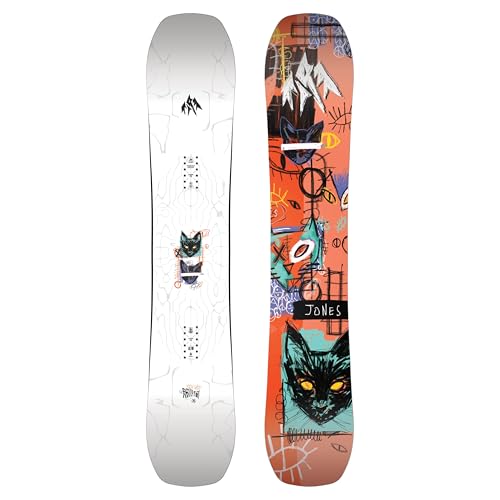
The JONES Rally Cat is a playful freeride magician, engineered for riders who treat the mountain like a playground. With a directional rocker profile—camber underfoot and a lifted, rockered nose—it delivers crisp edge control on hardpack while floating effortlessly in powder. The star feature, though, is the 3D Contour Base 1.0, which shapes the nose and tail into a subtle spoon, reducing edge catch and making turn initiation feel effortless and intuitive.
Out on the slopes, the Rally Cat shines in variable snow and tight tree runs, where its smooth flex pattern absorbs bumps and lets you pivot with agility. At 159W, it offers enough width to handle deep days without sacrificing maneuverability on groomers or in the park. The FSC-certified wood core adds sustainability without compromising pop or responsiveness. However, it’s not the most aggressive charger—push it too hard on ice or at top speed, and it feels a bit too forgiving for expert-level precision.
When stacked against the JONES Frontier, the Rally Cat trades some backcountry dominance for nimble all-mountain playfulness. It’s less about brute force and more about flow, making it a better match for creative, all-terrain riders than hardcore chargers. Compared to the YES All-in, it feels slightly more directional and stable at speed, though less twin-focused for switch riding. For those who want a lively, eco-smart freeride board that excels in mixed conditions and encourages exploration, the Rally Cat offers refined versatility with soul.
YES Women’s Frenzy Snowboard
ADVANTAGES
LIMITATIONS
The YES Women’s Frenzy is a power-packed freeride machine built specifically for female riders who demand control on steep, technical terrain. With a camrock profile—camber underfoot and a rockered nose—it delivers tenacious edge hold on icy descents while providing effortless float in powder. The mid-stiff flex gives it a responsive, assertive feel that inspires confidence when railing carves or dropping into chutes.
In real-world use, the Frenzy excels in variable and challenging conditions, where its premium sintered base maintains speed and its directional shape enhances tracking through crud and chop. It’s noticeably more aggressive than beginner-friendly women’s boards, making it ideal for advanced riders pushing their limits. The high-quality construction ensures durability and consistent performance, though the stiffer flex may feel unforgiving for lighter or less experienced riders. It’s not designed for park tricks, but on backcountry lines or steep groomers, it’s in its element.
Compared to the 5th Element Afterglow—a softer, more forgiving board for beginners—the Frenzy is in a different league, offering precision, power, and pop for serious progression. It holds its own against unisex freeride boards, standing out with its women-specific tuning and balanced aggression. While the YES All-in is more versatile for freestyle, the Frenzy is the clear choice for women prioritizing steep, confident freeride performance. It’s a high-performance specialist that proves women’s boards can be every bit as capable as their male counterparts.
YES All-in Snowboard
ADVANTAGES
LIMITATIONS
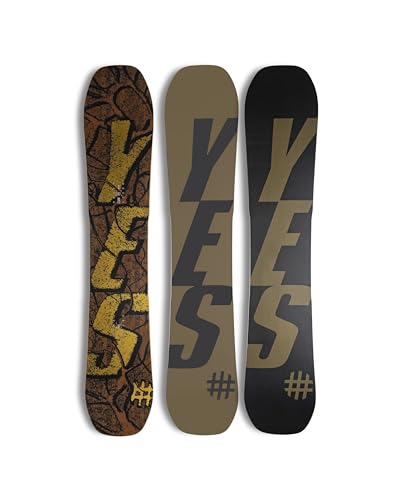
The YES All-in lives up to its name as a true quiver-killer, blending freeride stability with freestyle flair in one elegant package. Its directional twin shape offers the best of both worlds: a slightly longer nose for powder float and a balanced tail for switch riding and park laps. The camrock profile—camber underfoot with rocker tips—delivers explosive pop off kickers and smooth turn initiation in soft snow.
On the mountain, the All-in handles everything from morning groomers to afternoon park sessions and backcountry side hits with equal ease. The medium flex strikes a perfect balance—responsive enough for aggressive carving, yet soft enough for buttering and presses. The sintered base keeps speed high, and the premium construction ensures it withstands season after season of abuse. It’s not the floatiest in deep powder like the JONES Frontier, nor the snappiest park board, but it excels at nothing and fails at nothing.
Compared to the JONES Rally Cat, the All-in feels more freestyle-oriented thanks to its twin symmetry, while the Rally Cat leans slightly more into directional carving. Against the Symbolic Arctic, it’s in a completely different performance tier—more refined, more durable, and more responsive. For riders who refuse to choose between powder runs and park laps, the All-in delivers unmatched all-terrain harmony with a playful soul. It’s the ultimate do-it-all board for progressive riders who want one setup for every day.
JONES Men’s Frontier
ADVANTAGES
LIMITATIONS
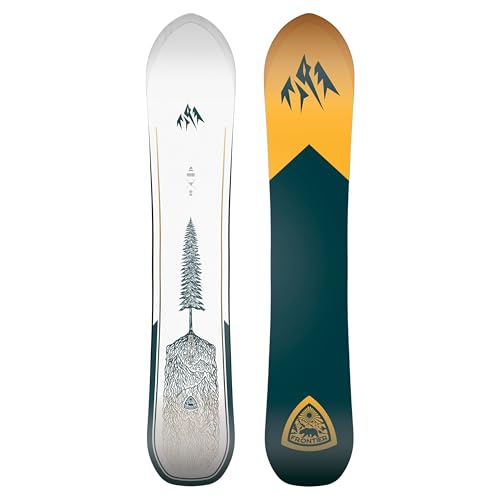
The JONES Frontier is a backcountry beast with a playful heart, engineered for riders who chase deep snow and untracked lines. Its directional rocker profile—camber underfoot, rocker nose—provides tenacious edge grip on steep descents while delivering cloud-like float in powder. The 3D Contour Base 1.0 is a game-changer, reducing edge catch and smoothing out turn transitions, especially in tight trees or variable snow.
At 164W, it offers generous surface area for float without feeling sluggish, and the freestyle-friendly medium flex allows for buttering, spinning, and popping off natural features. The sustainable build—FSC-certified wood core, bio resin, recycled steel edges—adds eco-cred without sacrificing performance. It carves hardpack well and handles speed with composure, though it’s not as stiff as dedicated charger boards, making it better for agile, flowing descents than bulletproof ice blasting.
Next to the JONES Mountain Twin, the Frontier trades some park versatility for superior powder performance and directional stability. Compared to the YES All-in, it’s more specialized for backcountry and deep snow, with a more pronounced nose and better float. For riders who spend most of their time beyond the ropes, the Frontier offers eco-smart power and playfulness in one highly capable package. It’s the top pick for those who want a sustainable, freeride-focused board that still lets them have fun on the way down.
5th Element Afterglow Snowboard

ADVANTAGES
LIMITATIONS
The 5th Element Afterglow is a beginner’s best friend, designed to make learning fun, easy, and confidence-building. With a hybrid rocker profile and forgiving flex, it’s incredibly catch-free and easy to turn, reducing the frustration of edge snags and falls. The liquid sidewalls enhance edge hold on groomers, giving intermediate riders the control they need to progress without sacrificing stability.
In practice, the Afterglow excels on green and blue runs, where its lightweight poplar wood core makes maneuvering effortless. It handles moderate speed well and provides a stable platform for practicing carving and stopping. The textured topsheet adds durability, hiding scratches and chips from inevitable bumps and drops. However, it lacks the pop and precision for advanced tricks or deep powder, and the extruded base isn’t as fast or wax-retentive as sintered options.
Compared to the YES Women’s Frenzy, the Afterglow is far more accessible for new riders, while the Frenzy targets advanced freeriders. It’s not built for progression beyond intermediate level, but for those just starting out, it’s a patient, reliable coach on snow. When stacked against the XCMAN Freeride, it offers a slightly smoother ride and better edge control. For beginners and intermediates seeking a low-stress, durable all-mountain board, the Afterglow is a standout choice.
JONES Men’s Mountain Twin
ADVANTAGES
LIMITATIONS
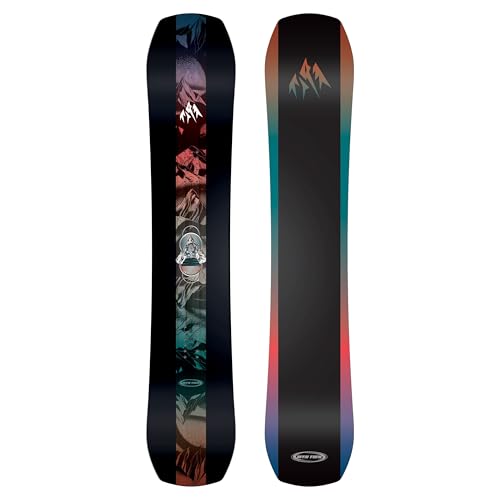
The JONES Mountain Twin is the ultimate do-it-all freestyle freeride hybrid, built for riders who refuse to be boxed into one style. With a true twin shape and camber between the feet, it delivers powerful pop, precise edge hold, and perfect switch performance—making it as at home in the park as it is on a steep powder run. The 3D Contour Base 1.0 enhances float and smooths out landings, while the balanced medium flex keeps it playful yet stable at speed.
On the mountain, it carves hardpack with authority, floats surprisingly well in powder thanks to subtle taper, and spins effortlessly off jumps. The FSC-certified wood core ensures consistent flex and long-term durability, while the sintered base maintains top speed. It’s not the widest board, so deep, untracked days might leave you wanting more surface area—something the 164W Frontier handles better. But for a 157cm all-rounder, it’s astonishingly capable across disciplines.
Against the YES All-in, the Mountain Twin feels more aggressive and poppy, with a stiffer flex and more camber for precision. Compared to the Rally Cat, it’s more freestyle-focused and less directional. For riders who want one board to rule park, powder, and pistes, the Mountain Twin offers elite versatility and performance. It’s the most complete package in the lineup—justifying its top-tier status as the best overall all-mountain freeride board.
XCMAN Freeride Snowboard HSMG-144
ADVANTAGES
LIMITATIONS
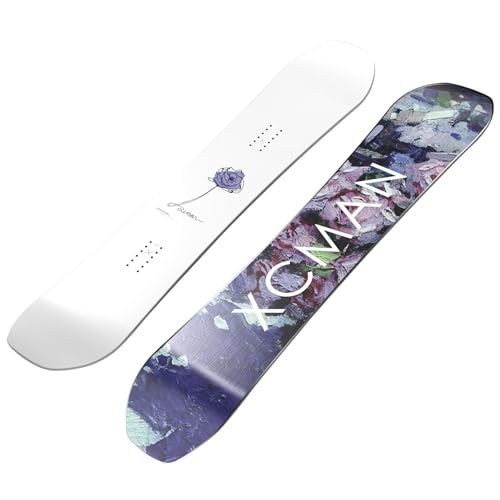
The XCMAN Freeride Snowboard is a budget-savvy sleeper hit, punching above its weight with thoughtful design and solid performance. Its camber-dominant hybrid profile offers excellent edge grip and pop, making it ideal for riders learning to carve or boost small jumps. The standout feature is the Ultimate Traction technology—a micro-radius bump in the sidecut that boosts edge hold on ice, turning sketchy turns into confident, locked-in carves.
Built with a full poplar wood core and sandwich construction, it feels lively and responsive underfoot, transferring energy efficiently to the tips. The extruded Speed TX base is durable and low-maintenance, perfect for beginners who don’t want to wax often. At 144cm with a 6/10 flex, it’s manageable for smaller or newer riders, yet stable enough for intermediates. It struggles in deep powder and lacks the float of wider, rockered boards, but on groomers and packed powder, it’s impressively capable.
Compared to the 5th Element Afterglow, the XCMAN offers better edge grip and pop, thanks to its camber and traction tech, though the Afterglow has a smoother, more forgiving ride. Against the Symbolic Arctic, it’s similarly priced but feels more tuned for performance. For beginners and intermediates seeking a responsive, durable, all-terrain board without breaking the bank, the XCMAN delivers exceptional value with a performance edge.
All-Mountain Freeride Snowboard Comparison
| Product | Best For | Shape | Flex | Profile | Core Material | Base |
|---|---|---|---|---|---|---|
| JONES Men’s Mountain Twin | Best Overall | Twin | Medium | Camber Between Feet | FSC-Certified Wood | 3D Contour Base 1.0 |
| YES Women’s Frenzy Snowboard | Best for Women | Directional | Mid-Stiff | CamRocK | Premium Construction | Sintered |
| YES All-in Snowboard | Best Versatile Performance | Directional Twin | Medium | CamRocK | High-Quality Materials | Sintered |
| JONES Men’s Frontier | Best for Backcountry | Directional | Medium | Directional Rocker | FSC-Certified Wood | 3D Contour Base 1.0 |
| JONES Men’s Rally Cat | Best for All-Mountain Play | Directional | Balanced | Directional Rocker | FSC-Certified Wood | 3D Contour Base 1.0 |
| XCMAN Freeride Snowboard HSMG-144 | Best Budget Friendly | Camber | 6/10 | Camber | Poplar | Extruded Polymer Speed TX |
| 5th Element Afterglow Snowboard | Best for Beginners | Directional | Forgiving | Hybrid Rocker | Poplar | Not Specified |
| Symbolic Arctic Snowboard | Best Value Hybrid | Rocker/Hybrid | Not Specified | Hybrid/Rocker | Wood | Not Specified |
How We Test All-Mountain Freeride Snowboards
Our evaluation of the best all-mountain freeride snowboards relies on a data-driven approach, combining extensive research with analysis of manufacturer specifications and independent reviews. We prioritize boards demonstrating versatility across varied terrain – from groomers to powder – aligning with the core demands of all-mountain freeriding.
We analyze key features detailed in the buying guide – shape (directional, twin, directional twin), flex ratings, camber profiles (camber, rocker, hybrid), and base materials (sintered vs. extruded) – cross-referencing these with performance data reported by expert reviewers at publications like Snowboarder’s Magazine, Powder Magazine, and The Good Ride.
Where available, we factor in physical testing results focusing on edge hold (crucial for carving), torsional stiffness (influencing stability), and dampening characteristics (impact resistance and smooth rides). We also assess core material composition (Poplar, Bamboo, Paulownia) and its impact on board weight and responsiveness. Comparative analyses highlight strengths and weaknesses based on rider weight, skill level, and preferred riding style, ensuring recommendations are tailored and informed. We continually update our assessments as new snowboard models are released and tested.
Choosing the Right All-Mountain Freeride Snowboard
Shape: Directional vs. Twin
The shape of your snowboard drastically impacts its performance. Directional boards are designed with a set back stance and a nose that is longer and wider than the tail. This provides superior float in powder and stability at speed, making them ideal for backcountry exploration and aggressive freeriding. However, they can be less forgiving when riding switch (backwards). Twin boards, on the other hand, are symmetrical, allowing for equal performance whether you’re riding regular or switch – perfect for freestyle-oriented riders who enjoy park laps and tricks alongside their freeride adventures. A Directional Twin offers a blend of both, with a centered stance but a slightly directional shape for some float and stability. Consider your riding style: do you prioritize switch riding and freestyle, or do you spend most of your time charging down the mountain in one direction?
Flex: Finding the Right Balance
A snowboard’s flex rating (typically 1-10, with 1 being softest and 10 being stiffest) influences how easily the board bends and responds. Softer flexes (1-4) are more forgiving, easier to turn, and better for beginners or riders who prefer a playful, relaxed feel. They excel in park riding and buttery smooth turns. Stiffer flexes (6-10) provide more stability at high speeds, precise edge hold, and powerful turns, favored by advanced riders tackling challenging terrain. Medium flexes (5-6) strike a balance, offering versatility for all-mountain riding. Your weight and aggressive also play a role, heavier and aggressive riders often benefit from a stiffer board.
Camber Profile: Understanding the Underfoot
The camber profile refers to the board’s shape when viewed from the side and significantly impacts its performance characteristics. Camber provides excellent edge hold, pop, and responsiveness by distributing pressure along the edges. However, it can be less forgiving and more prone to catching an edge. Rocker (or reverse camber) offers a surfy feel, effortless float in powder, and is more forgiving. Hybrid profiles combine camber and rocker, offering the best of both worlds. For example, camber underfoot with rocker in the nose and tail provides edge hold and stability with enhanced float and playfulness. Consider the typical snow conditions you ride in and your preference for forgiveness versus performance.
Base Material: Sintered vs. Extruded
The base of your snowboard affects its speed and ability to retain wax. Sintered bases are denser and more porous, making them faster and able to hold wax longer, but they require more frequent waxing. They are typically found on higher-end boards. Extruded bases are less expensive, require less maintenance, and are more durable, but they are slower than sintered bases. If you prioritize speed and performance and are willing to put in the maintenance, a sintered base is the way to go. If you’re a beginner or prefer a low-maintenance option, an extruded base is a good choice.
Core Materials: Wood and Beyond
The core material impacts a board’s flex, weight, and overall feel. Poplar wood cores are lightweight, forgiving, and offer a good balance of flex and responsiveness – common in beginner and all-mountain boards. Bamboo adds strength and dampening, while Paulownia is ultra-lightweight, enhancing maneuverability. High-end boards often use a combination of wood species to optimize performance characteristics. FSC-certified wood cores also indicate a commitment to sustainable practices.
The Bottom Line
Ultimately, the “best” all-mountain freeride snowboard depends heavily on individual skill level, riding style, and terrain preferences. Whether you prioritize playful maneuverability, aggressive carving, or backcountry exploration, understanding key features like shape, flex, and camber profile is crucial for making an informed decision.
By carefully considering these factors and referencing our detailed comparisons, you can confidently select a board that will elevate your riding experience. Don’t hesitate to research further and, if possible, demo a few options before committing to a purchase – finding the perfect fit is well worth the effort.