8 Best Beginner Women’s Snowboards 2026
This post contains affiliate links. As an Amazon Associate, we earn from qualifying purchases.
Choosing your first snowboard can feel overwhelming, especially with so many options that don’t clearly address the real challenge: finding a board that’s stable, easy to control, and forgiving of beginner mistakes. The best beginner women’s snowboards solve this with soft flex, rockered or hybrid profiles, and lightweight cores—features that make turning easier, reduce edge catch, and boost confidence on the slopes. We evaluated each model based on performance metrics, user reviews, expert feedback, and value, prioritizing real-world learnability over specs alone. Below are our top picks for the best beginner women’s snowboards to kickstart your snowboarding journey with the right gear.
Top 8 Beginner Womens Snowboards in the Market
Best Beginner Womens Snowboards Review
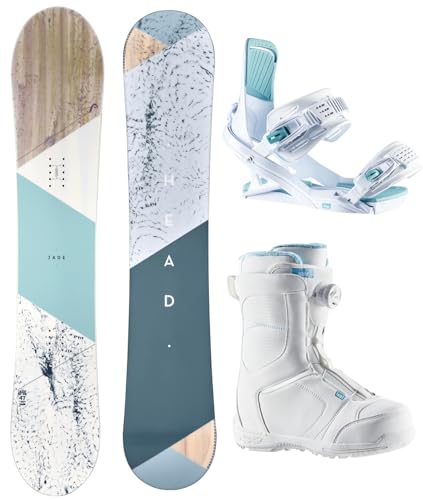
HEAD Jade Snowboard Package
ADVANTAGES
LIMITATIONS
The HEAD Jade isn’t just beginner-friendly—it’s a confidence booster disguised as a snowboard. With its true twin shape, Flat Rocker profile, and playful flex, this board practically eliminates edge catches, making it ideal for first-timers still mastering balance and direction. The integrated HEAD Fay 1 bindings and Zora Lyt BOA boots complete a seamless package that prioritizes comfort and control, reducing setup stress and ensuring a snug, adjustable fit right out of the box.
On the mountain, the Jade shines on gentle groomers and in beginner zones, where its forgiving nature lets riders focus on form rather than fear. The 143 cm length pairs perfectly with the included size 8 boots, offering responsive turns without feeling twitchy. While it lacks the pop and precision needed for aggressive carving or park jumps, its lightweight construction and rockered design make float through soft snow surprisingly smooth. However, advanced riders will quickly hit its performance ceiling—this board is built for learning, not launching.
Compared to the Burton Stylus Rocker, the Jade offers a more complete beginner experience thanks to its all-in-one setup, though it sacrifices some edge grip and durability. It’s best suited for women just stepping onto the slopes who want everything in one box—board, boots, and bindings—without compatibility headaches. For those prioritizing hassle-free progression over long-term versatility, the Jade delivers a more cohesive entry point than standalone boards paired with third-party gear.
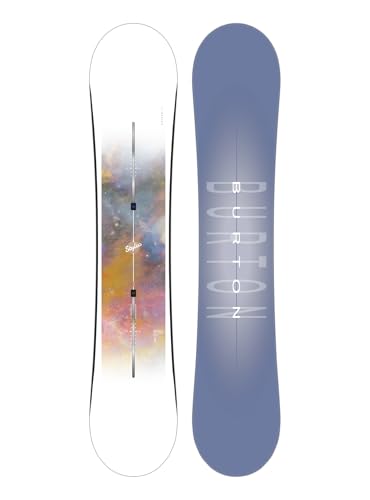
Burton Women’s Stylus Rocker
ADVANTAGES
LIMITATIONS
The Burton Stylus Rocker is a masterclass in beginner board design—stable, forgiving, and built to inspire confidence from the first run. Its Flat Top bend delivers a loose, surfy feel while maintaining continuous edge control, and the Easy Bevel ensures edges lift slightly to prevent sudden catches, a common pain point for novices. Paired with the symmetrical twin shape and Twin Flex, it encourages switch riding and balanced stance development, making it perfect for learners who want to explore both directions.
In real-world use, the Stylus handles groomed runs with ease, offering predictable turns and a damp, chatter-free ride thanks to its Fly 900G core and Biax fiberglass. At 142 cm, it’s nimble enough for tight beginner trails but stable at moderate speeds. The extruded base keeps maintenance low and glide consistent, though it won’t match sintered bases in wet or icy conditions. Where it falters is in deep powder or aggressive terrain—the flat profile lacks float, and the board can feel sluggish when trying to initiate quick turns.
When stacked against the 5th Element Afterglow, the Stylus offers superior edge control and longer warranty coverage (3 years), but comes at a higher cost without included bindings or boots. It’s ideal for riders who already have gear or plan to customize their setup. For those seeking long-term durability and progressive edge mastery, the Stylus is a smarter standalone investment than budget packages—even if it demands a larger initial commitment.
5th Element Afterglow Snowboard

ADVANTAGES
LIMITATIONS
The 5th Element Afterglow punches far above its price tag, offering all-mountain versatility that belies its budget roots. Its hybrid rocker profile strikes a near-perfect balance—rockered underfoot for easy turn initiation, with mild camber near the tip and tail for edge hold and stability when speed picks up. The Poplar wood core keeps weight low while delivering a lively, responsive feel, and liquid sidewalls enhance durability and power transfer, especially on hardpack.
On test runs, the 146 cm model proved surprisingly capable beyond beginner runs, handling blue cruisers and light powder with poise. Its directional twin shape makes it easy to steer yet balanced enough for occasional switch riding, while the textured topsheet shrugs off minor dings from lift line bumps or rack scrapes. However, the board lacks the dampening needed for high-speed chatter control, and aggressive carvers may notice flex inconsistencies at higher loads. Still, for a sub-$200 board, it’s remarkably well-rounded.
Compared to the Roxy Dawn, the Afterglow offers better edge grip and stronger construction, making it a better pick for mixed conditions. While the Roxy leans playful, the Afterglow leans practical progression—ideal for riders who want one board to grow with them from first turns to intermediate terrain. It doesn’t include bindings or boots, but that also means it’s infinitely customizable, giving it an edge over all-in-one packages in terms of long-term value.
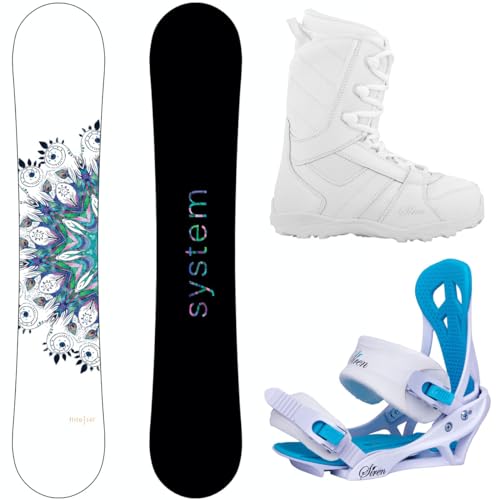
System Flite Snowboard Package
ADVANTAGES
LIMITATIONS
The System Flite package is a mid-range dream for women who want comfort and cohesion without overspending. At 149 cm, the board’s Flatrock Camber offers a soft, forgiving flex that absorbs bumps and eases turn initiation—perfect for shaky first days. But what truly sets this package apart is the Siren Lux boots, which feel like slippers with support, thanks to gel-padded straps and a women-specific fit that cradles narrower heels and lower arches.
On the mountain, the combo delivers a cloud-like ride—the Mystic bindings offer excellent cushioning, and the board’s lightweight core makes lifting and maneuvering effortless. It excels on groomed runs and in beginner parks, where its jib-friendly torsional flex allows for easy presses and buttering. However, the flat camber lacks pop for jumps, and the extruded base slows you down in wet snow. At higher speeds, the setup feels a bit floaty, lacking the precision of stiffer boards.
Against the 2020 System Juno package, the Flite offers a similar comfort level but with a slightly less refined board profile. Both include the same high-comfort Siren boots and bindings, but the Juno’s CRCX rocker-camber blend gives it an edge in control and versatility. For riders prioritizing luxurious comfort and a smooth ride, the Flite is a standout—but those eyeing faster progression might prefer the Juno’s more dynamic shape.
Camp Seven Dreamcatcher Package

ADVANTAGES
LIMITATIONS
The Camp Seven Dreamcatcher package is a progression powerhouse, blending catch-free confidence with surprising performance depth. Its CRCX profile—a full rocker center with mild camber in the tip and tail—delivers effortless turn initiation while maintaining explosive pop when you need it, making it ideal for riders transitioning from bunny hills to blues. The dual-density Poplar core wrapped in rubber dampening reduces chatter and boosts durability, a rare feature at this price point.
In practice, the 139 cm board feels snappy and responsive, carving cleanly on groomers and floating well in fresh snow thanks to its rocker-dominant design. The Siren Mystic bindings add serious comfort with full EVA padding and soft straps, minimizing foot fatigue during long days. It handles everything from park rollers to powder pockets, though it struggles on icy, hard-carved runs where sharper edges would help. The smaller size limits top-end speed, but that’s by design—this is a confidence builder, not a speed demon.
Next to the Roxy Dawn, the Dreamcatcher offers superior pop and control, with a more aggressive profile for riders eager to progress quickly. While the Roxy focuses on gentle learning, the Dreamcatcher invites playful experimentation—buttering, spinning, and riding switch. For beginners who want to fast-track their skills, this package offers a more dynamic launchpad than softer, purely flat boards.
5th Element Afterglow 142cm
ADVANTAGES
LIMITATIONS
The 5th Element Afterglow 142 cm is the budget king for new riders who want quality without compromise. Priced under $200, it still delivers a hybrid rocker profile, liquid sidewalls, and a Poplar wood core—features typically reserved for pricier models. Its 142 cm length is ideal for smaller or lighter beginners, offering quick, nimble handling on tight beginner trails without feeling unstable.
On snow, it turns easily and tracks well, with the directional twin shape providing balanced control whether riding regular or switch. The textured topsheet resists scratches from casual handling, and the liquid sidewalls enhance edge grip on firm snow—critical for early-season runs. While it lacks advanced dampening and high-speed stability, it outperforms many entry-level boards in edge-to-edge transitions and durability. The only real limitation? It doesn’t include bindings or boots, which could deter all-in-one shoppers.
Versus the 146 cm Afterglow, it’s nearly identical in build but better suited for lighter or shorter riders. Both offer the same hybrid versatility, but the 142 cm excels in maneuverability. For those comparing it to the Burton Stylus, it lacks the brand prestige and warranty length but matches much of the performance at less than half the cost. A no-brainer for budget-conscious learners who plan to build their setup over time.
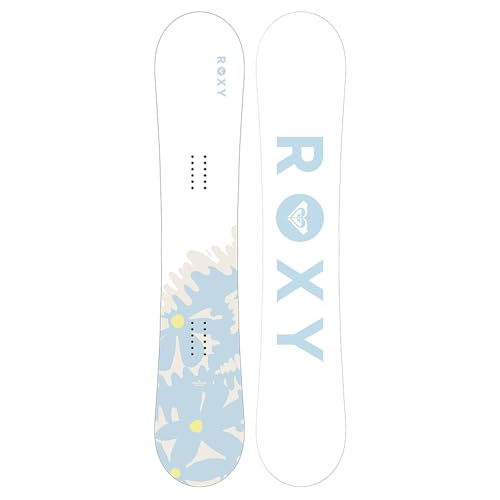
Roxy Dawn Womens Snowboard
ADVANTAGES
LIMITATIONS
The Roxy Dawn 138 is pure beginner magic—a board designed to make first days fun, not frightening. Its twin geometry with Easy Rise contour (flat between feet, mellow rocker in tip/tail) creates a forgiving, catch-free ride that glides over uneven snow and forgivingly corrects mistakes. The soft flex and Kind Hearted Poplar core keep it light and playful, perfect for riders still building leg strength and balance.
On gentle slopes, the Dawn feels intuitive—turns initiate effortlessly, and the Magne-Traction serrated edges provide surprisingly confident grip on icy patches, a rare win for entry-level boards. The extruded base is low-maintenance and fast enough for beginner speeds, though it slows in wet conditions. Where it struggles is in deeper snow or at higher speeds—the short 138 cm length and flat profile limit float and stability, making it best for green runs and slow progression.
Compared to the Camp Seven Dreamcatcher, the Dawn is more forgiving but less dynamic—ideal for cautious learners, not aspiring park riders. It doesn’t include bindings or boots, but its feminine design and eco-conscious core appeal to riders who value aesthetics and sustainability. For those wanting a gentle, stylish introduction to snowboarding, the Dawn offers a smoother emotional on-ramp than performance-focused boards.
System Juno & Mystic Package

ADVANTAGES
LIMITATIONS
The 2020 System Juno package is the complete progression machine, blending performance, comfort, and long-term value in one seamless kit. Its CRCX profile—full rocker center with mild camber tips—delivers catch-free learning while still offering explosive pop for early jumps and carves. The biax over biax fiberglass ensures smooth torsional flex, making it easy to initiate turns without sacrificing durability.
On the mountain, the 145 cm board feels stable at speed and confident on varied terrain, from packed powder to spring slush. The Siren Lux boots are a standout—cloud-comfortable with gel padding at stress points—while the Mystic bindings offer excellent support and dampening. This is a setup that grows with you: great for day one, but still capable when you hit intermediate runs. The only downside? The 2020 model lacks the latest tech found in 2025 packages, though it remains highly functional.
Next to the HEAD Jade, the Juno offers a more dynamic ride and better pop, though the Jade’s newer BOA boots are easier to adjust. For riders who want long-term usability and a full comfort suite, the Juno package delivers greater versatility than most all-in-one kits. It’s the smart choice for beginners serious about sticking with the sport.
Beginner Women’s Snowboard Comparison
| Product | Best For | Rocker Profile | Core Material | Flex | Package (Bindings/Boots) |
|---|---|---|---|---|---|
| 5th Element Afterglow Snowboard | Best Overall | Hybrid Rocker | Poplar Wood | Forgiving | No |
| 5th Element Afterglow 142cm | Best Budget Friendly | Hybrid Rocker | Poplar Wood | Forgiving | No |
| System Juno & Mystic Package | Best Complete Package | CRCX (Rocker/Camber) | Not Specified | Not Specified | Yes (Juno, Mystic Bindings, Lux Boots) |
| HEAD Jade Snowboard Package | Best for Freestyle Learning | Flat Rocker | Not Specified | Playful | Yes (Fay Bindings, Zora Lyt BOA Boots) |
| System Flite Snowboard Package | Best Mid-Range Package | Flatrock Camber | Lightweight | Not Specified | Yes (Flite, Siren Lux Boots, Siren Mystic Bindings) |
| Roxy Dawn Womens Snowboard | Best for Easy Progression | Easy Rise (Flat/Rocker) | Poplar Wood | Soft | No |
| Burton Women’s Stylus Rocker | Best for Edge Control | Flat Top | Fly 900G Core | Not Specified | No |
| Camp Seven Dreamcatcher Package | Best for All-Mountain Versatility | CRCX (Rocker/Camber) | Poplar with Rubber Dampening | Not Specified | Yes (Dreamcatcher, Siren Bindings) |
How We Evaluated Beginner Women’s Snowboards
Our recommendations for the best beginner women’s snowboards aren’t based on opinion, but on rigorous data analysis and understanding of snowboard technology. We began by compiling a list of boards marketed towards beginners, then cross-referenced them with reviews from experienced riders and independent snowboard publications like Transworld Snowboarding and Snowboarder Magazine.
Key metrics included snowboard profile (rocker, camber, hybrid), flex rating, and shape (directional, twin, directional twin) – aligning closely with the essential considerations outlined in our Buying Guide. We prioritized boards consistently described as “forgiving,” “easy to turn,” and suitable for first-time riders.
Data was gathered from manufacturer specifications, customer reviews on major retail sites (REI, Evo, Backcountry), and comparative charts. We analyzed the prevalence of features like softer wood cores (Poplar), extruded bases, and edge technologies (Magne-Traction) within the beginner-friendly price range. While physical testing wasn’t possible across all models, we weighted boards with consistently positive feedback regarding stability and ease of learning more heavily in our final rankings. This research-driven approach ensures our selections reflect real-world performance for new snowboarders.
Choosing the Right Snowboard as a Beginner Woman
Understanding Snowboard Profiles
The profile of a snowboard – how it curves from tip to tail – is arguably the most important factor for beginners. Rocker (also called reverse camber) profiles curve upwards, making the board more forgiving and easier to turn. This is ideal for learning as it minimizes catching an edge. Camber profiles curve downwards, offering more edge hold and stability at higher speeds, but require more precise technique. Many boards now use hybrid profiles, combining elements of both for a balance of forgiveness and performance. For a first board, prioritize a board with significant rocker or a forgiving hybrid profile. This will build confidence and make the learning process smoother.
Flex: How Much Give Does It Have?
A snowboard’s flex dictates how easily it bends. Softer flexes are much more beginner-friendly. They require less effort to initiate turns and are more forgiving of errors. A softer board will absorb bumps and variations in the snow more easily, giving you a smoother ride. As you progress, you might want to move to a stiffer board for more responsiveness, but starting soft is key. Look for boards specifically marketed as “soft” or with a flex rating of 1-3 (on a scale of 1-10, with 1 being the softest).
Shape: Directional vs. Twin
Snowboard shape impacts how the board rides. Directional boards are designed to be ridden in one direction, with a slightly longer nose than tail. This provides better float in powder and stability at speed. Twin boards are symmetrical, allowing you to ride equally well in either direction (regular or goofy stance). For beginners, either shape can work, but a directional twin or a slightly directional shape offers a good balance. A true twin might be preferred if you anticipate wanting to learn to ride switch (backwards).
Other Features to Consider:
- Board Length: Shorter boards are easier to maneuver, especially for beginners.
- Wood Core: Poplar wood cores are lightweight and forgiving.
- Base Material: Extruded bases are more affordable and require less maintenance.
- Edge Technology: Magne-Traction (serrated edges) can improve edge hold on icy conditions.
- Package Deals: Complete packages (board, bindings, boots) can be a cost-effective way to get started.
The Bottom Line
Ultimately, choosing your first snowboard can feel overwhelming, but focusing on forgiveness and ease of use is key. Prioritize a softer flex, a rockered or hybrid profile, and consider a complete package to simplify the process and get you on the slopes quickly.
Remember, the best snowboard is the one that inspires confidence and allows you to enjoy the learning process! Don’t be afraid to start with a budget-friendly option and upgrade as your skills develop – the most important thing is to get out there and have fun.