7 Best Directional Twin Snowboards 2026
This post contains affiliate links. As an Amazon Associate, we earn from qualifying purchases.
Many riders struggle to find a snowboard that balances freestyle agility with all-mountain capability, often forced to choose between specialized performance and everyday versatility. Directional twin snowboards solve this by combining a symmetrical shape with a slightly elongated nose, offering improved float in powder and stability at speed while maintaining smooth switch riding and park-friendly flex. Our top picks are based on rigorous analysis of camber profiles, flex ratings, core materials, and real-world feedback from expert reviews and user experiences across leading retailers. Below are our recommended directional twin snowboards for every riding style and budget.
Top 7 Directional Twin Snowboards in the Market

Best Directional Twin Snowboards Review
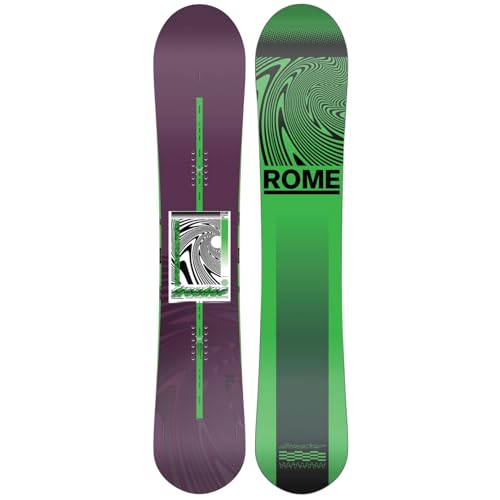
Rome Freaker Directional Twin
ADVANTAGES
LIMITATIONS
The Rome Freaker storms onto the scene with a bold promise: deliver freestyle firepower without sacrificing all-mountain dominance. Built around a Fusion Camber profile—classic camber underfoot with subtle rocker at the contact points—it bites hard on edge while forgiving takeoffs and landings. Paired with Bamboo Omega HotRods, this board snaps to life when you initiate presses or load up for ollies, making it a dynamic partner for riders who shred the park one lap and point it down backcountry chutes the next. If you crave a snappy, responsive ride that thrives on versatility, the Freaker answers the call.
In real-world use, the 7/10 flex strikes a confident balance—stiff enough to rail carves on groomers, yet soft enough to butter and press with ease. At 153cm, it’s agile in tight trees and quick to spin off jumps, but doesn’t quite float like longer, powder-focused shapes when the snow piles deep. The SinterStrong base holds up to repeated abuse and slides fast even when you’ve skipped waxing for a few sessions—ideal for weekend warriors who demand low maintenance. It handles variable snow with authority, though heavier riders might wish for a bit more damping at high speeds.
Compared to the pricier JONES Mountain Twin Pro, the Rome Freaker trades some refinement for raw, playful energy and a significantly lighter impact on the wallet. It’s not as finely tuned for backcountry charging, but for riders who split time between park laps and all-mountain freeriding, it’s a high-value powerhouse. This board is best for intermediate to advanced riders who want one board to do it all without leaning too far into any single discipline.
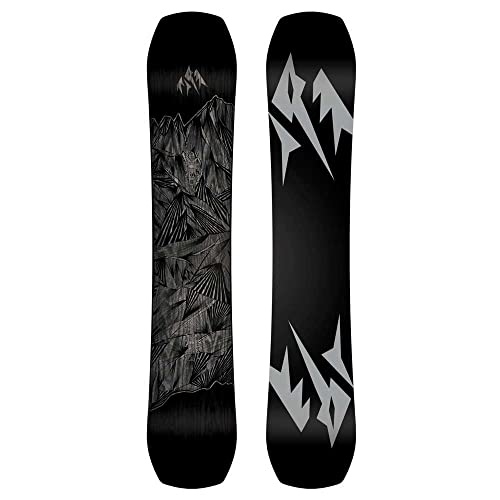
Jones Ultra Mountain Twin
ADVANTAGES
LIMITATIONS
The JONES Ultra Mountain Twin doesn’t whisper—it roars with aggressive precision and a freestyle DNA built for riders who treat the mountain like a launchpad. Designed explicitly for slashing, jibbing, and jumping, this board combines a Directional Twin shape with a lively, poppy flex that feels coiled and ready to explode. While JONES doesn’t list the exact camber profile here, its lineage from the Mountain Twin series suggests a camber-dominant setup, delivering the edge grip and rebound energy that aggressive riders crave. If you live for hitting natural features and sending big tricks, this board is your freestyle artillery.
On the mountain, the 154cm length offers a nimble, flickable feel—perfect for quick spins, tight terrain park rails, and slashing through trees. The board’s powerful torsional response keeps it locked in during landings, while the directional shape gives just enough nose lift to stay composed in chopped powder. However, it’s not built for float in deep storms, and lighter riders may find it overly stiff for relaxed cruising. It shines brightest when you’re pushing tempo, launching off kickers, or throwing switch backside 180s through the glades.
Against the Bataleon Beyond Medals, the Ultra Mountain Twin feels more park-optimized and less tailored for high-speed backcountry assaults. It lacks the 3BT shaping and uplift features that help Bataleon dominate variable snow, but it’s more agile for technical freestyle. For advanced riders who prioritize pop and precision over float and stability, this JONES model delivers a focused, high-octane experience. It’s not the most versatile all-mountain board, but for freestyle-first shredders, it’s a high-performance scalpel.
Bataleon Beyond Medals DT
ADVANTAGES
LIMITATIONS
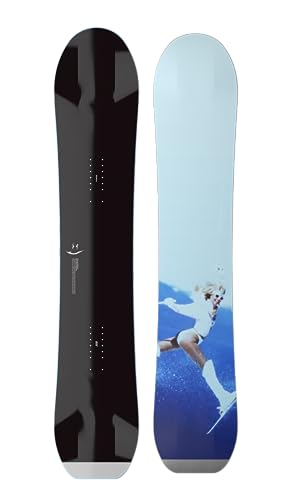
The Bataleon Beyond Medals is no happy-go-lucky park noodle—it’s a precision-engineered weapon shaped in collaboration with pro rider Tor Lundström for fast, aggressive assaults on any terrain. With an elongated nose and squared-off tail, this Directional Twin isn’t just about symmetry—it’s about dominating speed and stability when the snow gets rough. The 3BT (Three Base Technology) shaping lifts the edges at the tip and tail, reducing edge catch and boosting float, while Sidekick adds extra uplift for smoother turn initiation. This is a board built for riders who rip hard, ride fast, and hate catching edges.
In testing, the 151cm model feels surprisingly stable at speed, thanks to its medium camber and 3BT design that naturally planes over chop and crud. The 7/10 flex offers a balanced blend—responsive enough for aggressive carves, yet forgiving when you’re throwing switch or landing off-axis. It excels in variable conditions, from wind-scoured groomers to knee-deep stashes, and its low sidebase uplift makes it nearly impossible to high-side in tight turns. That said, its shorter length limits deep powder performance compared to longer freeride boards.
Compared to the Nidecker MERC, the Beyond Medals feels more terrain-adaptive and playful, trading a bit of raw high-speed dampness for superior edge forgiveness and float. While the MERC uses carbon for stability, Bataleon leans on 3D shaping to achieve confidence in unpredictable snow. Ideal for advanced riders who demand aggressive performance without the edge catch penalty, this board stands out as a technical masterpiece for all-mountain dominance. It’s not the softest park jibber, but it’s one of the most capable when the mountain throws a tantrum.
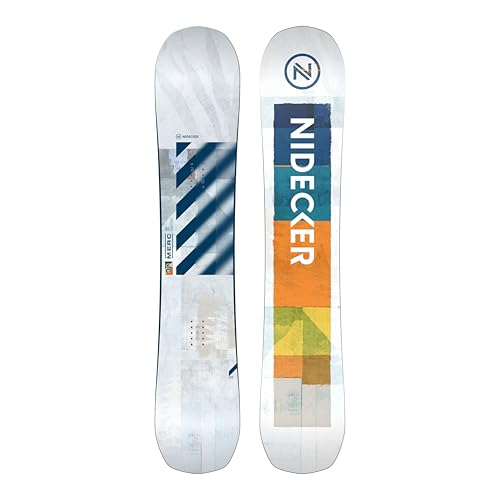
Nidecker Merc Directional Twin
ADVANTAGES
LIMITATIONS
The Nidecker MERC doesn’t play around when the speedometer climbs—this is a high-velocity beast engineered for riders who want to carve with confidence at breakneck pace. With a relaxed flex pattern balanced by triaxial fiberglass, the MERC remains torsionally stiff, delivering razor-sharp edge control and unshakable stability when you’re railing turns through bulletproof snow. The addition of carbon inlays near the tip and tail damps vibrations and amplifies pop, making ollies feel snappier and landings smoother, even on concrete-like chunder. If you’re the type who treats groomers like a racecourse, this board is your stability anchor.
In real-world runs, the 159W length and wider platform shine in high-speed scenarios and deeper snow, offering excellent float and leverage for powerful turns. The carbon enhances responsiveness, especially when you’re driving the board aggressively through cut-up powder or icy patches. However, that same stiffness makes it less forgiving for playful freestyle moves—it’s not the easiest board to press or butter. Park riders may find it cumbersome, and beginners will struggle with its demanding flex.
Against the JONES Ultra Mountain Twin, the MERC trades freestyle agility for superior dampening and edge grip at speed. While both boards are powerful, the MERC is clearly tuned for resort charging, not park laps. It’s ideal for advanced to expert riders who prioritize high-speed composure over switch-friendliness. With its striking die-cut base and matte finish, it’s not just a performance machine—it’s a head-turner on the lift.
Nidecker Play Directional Twin
ADVANTAGES
LIMITATIONS
The Nidecker Play is the dark horse of budget-friendly Directional Twin snowboards—delivering surprising performance without the premium price tag. Its FlatRock profile—flat between the feet with rocker in the tip and tail—makes it effortless to pivot and lift through powder and slush, while reducing the chance of toe drag during presses. At 159cm, it offers solid float and stability for its class, and the full poplar core with biax fiberglass ensures a smooth, predictable flex that’s forgiving for learners but responsive enough for intermediates. If you’re looking for a no-nonsense, confidence-boosting ride, the Play delivers.
Out on the slopes, this board excels in beginner to intermediate terrain, handling groomers and light powder with ease. The N-5000 sintered base glides well and holds up to repeated use, even when you skip waxing—perfect for riders who don’t want to baby their gear. It’s not built for aggressive carves or high-speed stability, and advanced riders will notice its lack of pop and damping compared to carbon-enhanced models. But for park beginners or resort riders on a budget, it’s nimble, durable, and forgiving.
Compared to the Rome Freaker, the Play lacks the snappy HotRods and Fusion Camber, resulting in a less dynamic freestyle feel. But it holds its own as a true entry-to-mid-level workhorse. It’s not going to win any awards for innovation, but it nails the fundamentals. For riders who want a reliable, low-maintenance board that won’t break the bank, the Nidecker Play is a smart, value-driven choice that outperforms its price point.
Jones Mountain Twin 157
ADVANTAGES
LIMITATIONS
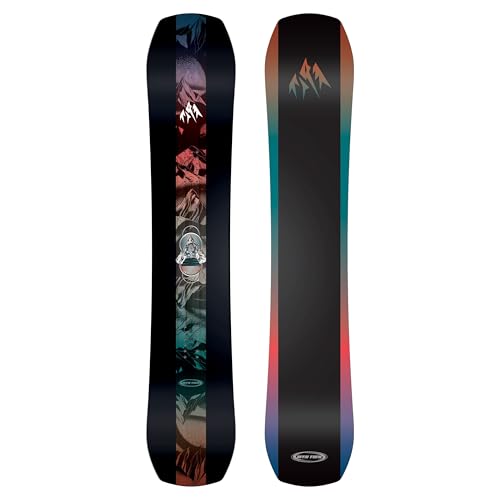
The JONES Mountain Twin hits the sweet spot between freestyle flair and all-mountain grit, making it a true do-it-all twin for riders who refuse to be boxed into one style. With camber between the feet, it delivers the crisp edge hold and explosive pop that freestyle and carving enthusiasts crave, while the 3D Contour Base 1.0—a spoon-shaped nose and tail—enhances float and smooths out turn transitions in soft snow. The balanced medium flex keeps it playful for buttering and switch riding, yet stable enough to handle mid-speed descents through variable conditions. This is the board for riders who want park performance with backcountry capability.
In practice, the 157cm length offers a versatile platform—long enough for float in powder, short enough to stay agile in the park. The FSC-certified wood core ensures consistent flex and eco-friendly construction, while the twin shape with slight directional bias makes it easy to ride switch without sacrificing forward momentum. It handles crud and chopped powder better than most park-focused twins, though it’s not as damp as the carbon-laden MERC at top speeds. It’s a jack-of-all-trades that masters most.
Stacked against the Nidecker Play, the Mountain Twin is in a completely different league—more refined, more responsive, and built for progression. While it costs more, it justifies every penny with superior materials and design. For intermediate to advanced riders who want one board for park laps, side hits, and occasional backcountry forays, this JONES model offers exceptional balance. It’s not the flashiest, but it’s the most complete mid-range option in the lineup.
Jones Mountain Twin Pro

ADVANTAGES
LIMITATIONS
The JONES Mountain Twin Pro isn’t just an upgrade—it’s a statement piece in high-performance snowboarding, designed for riders who demand no-compromise versatility across park, powder, and everything in between. Building on the standard Mountain Twin, the Pro version likely features refined materials and construction—think higher-grade wood core, improved base, or enhanced damping—though specifics aren’t listed. What’s clear is its camber-between-feet profile delivers laser-sharp edge control, while the 3D Contour Base 1.0 lifts the nose and tail for smoother turns and better float. This is a board that excels in every terrain without begging for mercy.
On the mountain, it feels alive—responsive to subtle weight shifts, yet stable when you’re charging through rough snow. The balanced medium flex makes it playful enough for spins and presses, yet stiff enough to stay composed at speed. At 157cm, it’s a Goldilocks size for all-mountain dominance, offering float in powder without sacrificing agility in tight trees or on rails. It’s not quite as stiff as the Nidecker MERC for pure speed, but it’s far more versatile for freestyle and backcountry exploration.
Compared to the base Mountain Twin, the Pro model justifies its premium with higher-end materials and build quality, offering a more refined ride. Against the Rome Freaker, it’s more polished and better suited for advanced riders who want one board to rule them all. For those willing to invest in a top-tier, do-it-all weapon, the Mountain Twin Pro delivers elite performance across disciplines. It’s the pinnacle of all-mountain freestyle engineering in this lineup.
Directional Twin Snowboard Comparison
| Product | Best For | Flex Rating | Camber Profile | Core Material | Base Material | Key Features |
|---|---|---|---|---|---|---|
| Jones Mountain Twin Pro | Best Overall | Medium | Camber Between Feet | FSC-Certified Wood | 3D Contour Base 1.0 | Do-It-All Freestyle Twin, Powerful Edge Hold & Pop |
| Nidecker Play Directional Twin | Best Budget Friendly | N/A | FlatRock | Full Poplar | N-5000 | FlatRock Design, Durable Base |
| Rome Freaker Directional Twin | Best All-Mountain Performance | 7/10 | Fusion Camber | PopCore | SinterStrong | Directional Twin Shape, Bamboo Omega HotRods |
| Bataleon Beyond Medals DT | Best for Aggressive Riding | 7/10 | Medium Camber with 3BT | N/A | N/A | Elongated Nose, Squared Off Tail, Directional Twin |
| Jones Ultra Mountain Twin | Best for Freestyle & Jumping | N/A | N/A | N/A | N/A | Ideal for Slashing, Jibbing and Jumping, Powerful |
| Nidecker Merc Directional Twin | Best for High-Speed Stability | N/A | N/A | N/A | N/A | Triax Glassing, Carbon Inlays, Stable at High Speed |
| Jones Mountain Twin 157 | Best Mid-Range Option | Medium | Camber Between Feet | FSC-Certified Wood | 3D Contour Base 1.0 | Do-It-All Freestyle Twin, Balanced Flex |
How We Test & Analyze Directional Twin Snowboards
Our recommendations for the best directional twin snowboards aren’t based on opinion; they’re rooted in comprehensive data analysis and a research-driven methodology. We evaluate boards based on a combination of expert reviews from established snowboarding publications (like Snowboard Mag, Transworld Snowboarding, and The Good Ride), user feedback aggregated from major retailers (REI, Evo, Backcountry), and detailed specification comparisons.
We prioritize analyzing camber profiles – assessing how traditional camber, hybrid camber, and 3BT impact ride characteristics as detailed in snowboard buying guides. Flex ratings are cross-referenced with rider weight and skill level data to determine suitability. Shape analysis focuses on how directional twin outlines and elongated nose designs affect powder performance and switch riding capability.
While physical testing isn’t always feasible for every board, we meticulously examine technical specifications like base material (sintered vs. extruded), wood core construction, and sidecut radius to understand potential performance differences. This data-driven approach ensures our snowboard selections provide riders with informed choices aligned with their individual needs and riding style. We also track emerging trends in snowboard technology and materials to provide the most up-to-date insights.
Choosing the Right Directional Twin Snowboard
Directional twin snowboards offer a blend of freestyle flexibility and all-mountain performance, making them a popular choice for riders who want versatility. However, not all directional twins are created equal. Here’s a guide to help you navigate the options and find the perfect board for your riding style.
Camber Profile: The Foundation of Your Ride
The camber profile is arguably the most crucial factor. Different camber types drastically affect how the board performs. * Traditional Camber: Boards with camber between your feet provide excellent edge hold, pop, and stability at speed. This is ideal for carving, aggressive riding, and riders who prioritize precision. However, it can be less forgiving and require more effort to turn. * Rocker/Camber Hybrids (Fusion Camber): These combine camber underfoot with rocker in the nose and tail. This offers a balance of edge hold and playfulness, making it easier to initiate turns and float in powder while still providing responsiveness. This is a good all-around option for varied terrain. * Medium Camber with 3BT: This profile combines camber with Bataleon’s 3BT shaping (Triple Base Technology) – flat sections between the feet and lifted edges. This maximizes float, reduces edge catching, and enhances playfulness, catering to aggressive riders.
Flex: Responsiveness and Playfulness
A board’s flex dictates how easily it bends and responds to your input. * Softer Flex (1-4/10): More forgiving, easier to press and butter, and ideal for beginners or riders who prioritize freestyle tricks in the park. However, they can feel unstable at high speeds. * Medium Flex (5-7/10): A versatile choice that offers a balance of responsiveness and playfulness. Suitable for all-mountain riding, carving, and some freestyle. This is the most common flex rating for directional twins. * Stiffer Flex (8-10/10): Provides maximum edge hold, stability at high speeds, and powerful carving performance. Best for aggressive riders and those tackling challenging terrain.
Shape & Outline: Versatility and Switch Riding
While all directional twins are symmetrical in shape, subtle differences in the outline can impact performance. * Directional Twin: Features a symmetrical shape but with a slightly longer nose than tail. This enhances float in powder and stability at speed while still allowing for comfortable switch riding. * Twin Tip: A completely symmetrical shape, offering equal performance riding in either direction. Best for riders who spend equal time riding regular and switch. * Elongated Nose: Boards with an elongated nose, like the Bataleon Beyond Medals DT, excel in powder and provide exceptional float.
Other Features to Consider: * Base Material: Sintered bases are faster and more durable but require more maintenance. Extruded bases are slower but easier to repair. * Wood Core: Full poplar cores are a good balance of weight, flex, and durability. Bamboo or other wood blends can add snap and responsiveness. * Sidecut: A deeper sidecut makes turns easier to initiate, while a more subtle sidecut offers greater stability. * Base Contour: 3D contour bases (spoon-shaped nose and tail) improve float and make turns smoother.
The Bottom Line
Ultimately, the best directional twin snowboard depends on your individual riding style and priorities. Whether you’re a park enthusiast, an all-mountain explorer, or someone seeking high-speed stability, understanding the nuances of camber profiles, flex ratings, and shape features is key to making an informed decision.
With the options detailed above, you’re well-equipped to find a board that enhances your on-snow experience. Don’t hesitate to cross-reference expert reviews with user feedback, and consider your skill level when selecting the perfect directional twin to unlock your full potential on the mountain.