7 Best Freestyle Snowboard Boots 2026
This post contains affiliate links. As an Amazon Associate, we earn from qualifying purchases.
Choosing the right freestyle snowboard boots can be frustrating, especially when inconsistent sizing, poor ankle support, or uncomfortable liners ruin your day on the mountain. The best freestyle snowboard boots solve this with precise fit technologies like BOA lacing and heat-moldable liners, delivering responsive control, all-day comfort, and reliable performance in the park or on rails. We evaluated each boot based on real-world user reviews, flex rating accuracy, lacing system reliability, and key features like Vibram outsoles and PrimaLoft insulation to ensure our picks match rider needs across skill levels and budgets. Below are our top-tested recommendations for the best freestyle snowboard boots.
Top 7 Freestyle Snowboard Boots in the Market
Best Freestyle Snowboard Boots Review
DC Phase Boa Snowboard Boots

ADVANTAGES
LIMITATIONS
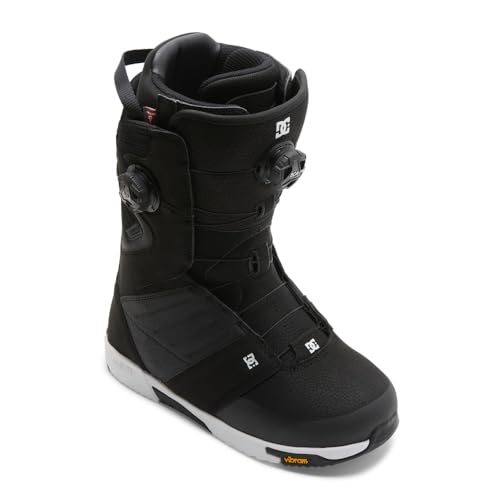
The DC Men’s Phase Boa® hits the sweet spot for riders who want responsive control without breaking the bank. With its H4 Coiler BOA Fit System, this boot delivers a micro-adjustable, precise closure that locks your foot down securely—no heel lift, no pressure points. The Flex Rating of 4/10 strikes a smart balance between forgiveness and feedback, making it ideal for freestyle riders who spend time in the park but still want enough support for all-mountain exploration. If you’re tired of wrestling with laces in freezing temps, this dial-driven fit is a game-changer.
Out on the mountain, the Foundation UniLite Outsole impresses with its lightweight construction and solid board feel. It’s not the most dampened sole in the lineup, but it offers reliable grip and predictable flex, especially on rails and boxes. The Response Liner I breaks in quickly and molds moderately well, though it lacks the plushness of higher-end models. On icy landings or during long park sessions, you’ll notice less shock absorption compared to premium boots, but for its class, it holds up. The IMPACT ALG Insole adds decent arch support, but aggressive jumpers might want an aftermarket upgrade.
Compared to the Thirtytwo Shifty, the Phase Boa offers better heel hold and precision, making it a stronger pick for progressing riders who want more control. While it doesn’t match the dual BOA systems of top-tier models like the STW or Judge, it delivers 80% of the performance at half the price. It’s the ideal choice for intermediate riders seeking a reliable, tech-forward boot without overpaying. For those stepping up from beginner gear, this boot bridges the gap between comfort and responsiveness better than most in its range.
Thirtytwo Shifty Snowboard Boots

ADVANTAGES
LIMITATIONS
The Thirtytwo Shifty is a soft, forgiving dream for beginners and park riders who value instant comfort over aggressive response. With a Flex Rating of 2, it’s among the softest boots available, making it incredibly easy to flex forward—perfect for buttering, jibbing, and learning basic tricks. The Perfect 1:1 Lasting ensures a glove-like fit right out of the box, while the internal lacing system eliminates pressure points and allows for smooth, even tightening across the foot. If you’ve ever struggled with lace bites or uneven tension, this boot solves those frustrations elegantly.
On snow, the Shifty shines in park and groomer settings where playfulness trumps precision. The STI Evolution Foam in the outsole provides lightweight, reliable cushioning, absorbing small impacts with ease. The cozy tongue and soft liner make long days bearable, even for riders with wider feet. However, when speeds increase or landings get heavy, the lack of support becomes apparent—you’ll feel more vibration and less control than stiffer models. The Grip & Rip heel hold works well for casual use but can slip under aggressive riding or deep powder.
Against the DC Phase Boa, the Shifty trades adjustability for pure comfort and ease of use. It’s not built for expert-level terrain, but for first-time riders or park purists, it’s hard to beat. Compared to dual-BOA models like the STW, it’s far simpler—but that simplicity is its strength. It’s the most beginner-friendly boot in the lineup, offering a painless entry into snowboarding without sacrificing durability. For riders who want to progress at their own pace, the Shifty is a wise, forgiving foundation.
Thirtytwo STW Double Boa Snow Boots

ADVANTAGES
LIMITATIONS
The Thirtytwo STW Double Boa is a precision instrument for riders who demand laser-tight fit and elite responsiveness. Its dual BOA system—one dial for the lower foot, one for the upper—allows independent micro-adjustments, giving you unmatched control over pressure distribution. The 3D molded tongue stays rigid and responsive, transferring energy directly to the board, while the Grip & Rip heel lock ensures zero heel lift, even on hard landings. If you’re a freestyle rider who lives for technical rails and poppy ollies, this boot delivers surgical-level feedback.
In real-world use, the Performance Rubber Outsole offers excellent grip and dampening, reducing chatter on rough landings. The Evolution Foam cushioning is among the best in class, providing long-lasting comfort without sacrificing board feel. The 1:1 lasting ensures a true-to-size fit, and the integrated internal lacing eliminates pressure points. However, the stiff flex (around 7/10) can feel unforgiving for beginners or casual riders, and the dual dials require occasional maintenance to stay perfectly tuned. It’s not the lightest boot, but the weight is justified by its high-end performance.
Compared to the DC Judge BOA, the STW offers a more refined BOA experience with better heel hold and tongue response. While the Judge has superior insulation, the STW wins in raw performance and precision. It’s the go-to for advanced freestyle riders who prioritize fit accuracy and power transfer. For park specialists, it outperforms nearly every other boot in control and consistency, making it a top-tier choice for technical riding.
DC Judge BOA Snowboard Boots
ADVANTAGES
LIMITATIONS
The DC Judge BOA stands as the most complete package in the lineup, blending elite tech, comfort, and all-mountain versatility into one formidable boot. Its Dual Zone BOA Fit System lets you dial in the calf and foot independently, delivering pinpoint pressure control that rivals even Thirtytwo’s best. The Vibram outsole is a game-changer for grip, offering superior traction on ice and rock—a rare feature in snowboard boots. With a 6/10 flex, it balances agility and support, making it equally capable in the park, pipe, or backcountry.
On the mountain, the Response Liner III with PrimaLoft insulation keeps feet warm and dry, even in wet conditions. The Aerotech ventilation prevents overheating during hikes or spring sessions, a thoughtful touch many overlook. The molded IMPACT-ALG insole provides rock-solid arch support, reducing fatigue on long days. The articulated construction enhances durability and allows a natural forward lean, improving edge control. However, the dual BOA system can snag in deep snow, and the boot runs slightly narrow, which may bother wider feet.
Against the Burton Moto BOA, the Judge offers better support and weather resistance, though it lacks the instant comfort of Total Comfort Construction. Compared to the STW, it’s less specialized for park performance but more versatile overall. It’s the ideal boot for serious riders who demand warmth, grip, and precision in one package. For those seeking the best all-around performer, the Judge BOA delivers unmatched breadth of capability.
HEAD Rodeo Boa Snowboard Boots
ADVANTAGES
LIMITATIONS
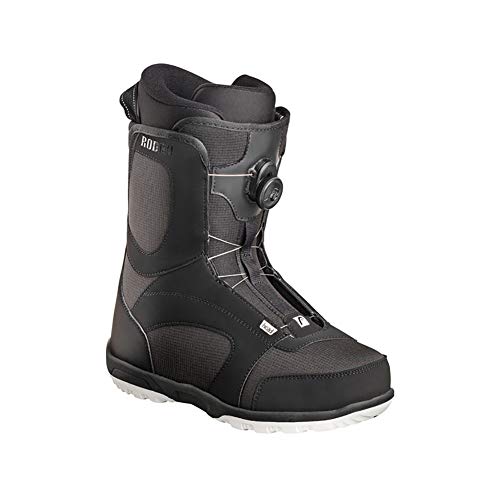
The HEAD Rodeo Boa is a budget powerhouse, offering surprising tech and comfort for riders who don’t want to overspend. The single BOA lacing system makes on-the-fly adjustments effortless, eliminating cold-finger fumbling with traditional laces. With a Flex Index of 5, it’s forgiving yet responsive, ideal for beginners and intermediates mastering their first jumps and turns. The Comfort Cuff System enhances medial flex, allowing smoother, more natural movements—a subtle but meaningful upgrade over rigid designs.
Out on the slopes, the Trace Outsole delivers solid grip and stability, thanks to centered rubber studs that bite into icy surfaces. The dampening is modest, but sufficient for all but the hardest landings. The tongue pull is a small but brilliant feature, making entry and exit a breeze—especially helpful when you’re tired at the end of the day. However, the liner lacks heat-moldable properties, so the fit stays generic, and the overall build feels less durable than pricier models. It’s not built for heavy park use, but for casual riders and weekend warriors, it performs well beyond its price.
Compared to the Thirtytwo Shifty, the Rodeo Boa offers better lacing precision but less plush comfort. Against the DC Phase, it’s less refined but significantly cheaper. It’s the best entry point for budget-conscious riders who still want modern BOA convenience. For those dipping their toes into snowboarding, it provides real value without sacrificing core functionality.
System APX Men’s Snowboard Boots

ADVANTAGES
LIMITATIONS
The System APX with Pro Twist 9 is a customization king, built for riders who want a boot that molds exactly to their foot—and stays locked in. The Pro Twist lacing system is incredibly strong and secure, using a twist dial and reinforced cable that maintains tension all day, even under heavy use. Unlike some BOA systems, it’s nearly immune to icing, making it a reliable choice in wet conditions. The Thermofit heat-moldable liner is the real star, conforming perfectly to your foot shape, eliminating pressure points and dead zones.
On snow, the custom fit translates to excellent power transfer, especially during carved turns and jump takeoffs. The boot feels snug but not constrictive, and the articulated design allows smooth flex without energy loss. The traditional lace version offers more manual control, but the Pro Twist is faster and more consistent. However, the system adds weight, and the boot’s profile is slightly bulkier than sleeker BOA models. It’s not the most stylish, but it’s engineered for performance and longevity.
Compared to the DC Judge, the APX offers better customization but less weatherproofing and insulation. Against the Thirtytwo STW, it lacks the dual-zone refinement, but wins in long-term fit personalization. It’s ideal for intermediate to advanced riders who prioritize a glove-like, lasting fit. For those willing to invest time in molding, it delivers unmatched comfort and control over time.
Burton Moto BOA Snowboard Boots
ADVANTAGES
LIMITATIONS
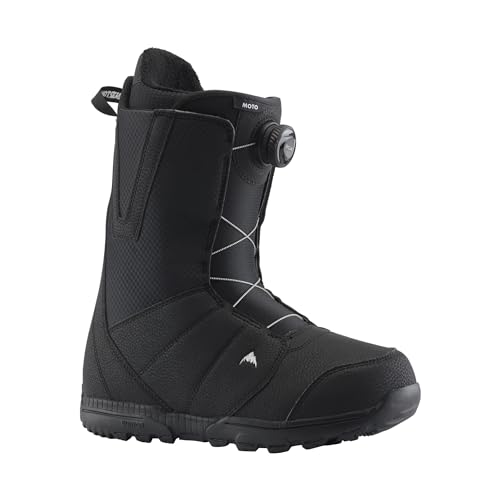
The Burton Moto BOA is the gold standard for comfort right out of the box, thanks to its Total Comfort Construction that feels broken-in from day one. The 1:1 soft flex PowerUp tongue creates a snug, seamless connection between boot and liner, eliminating gapping and pressure points. The Man Fur cuff adds a plush, warm entry—ideal for cold mornings and frequent boot-ups. With a Single-Zone BOA system, adjustments are simple and effective, though not as precise as dual-dial models. It’s the most comfortable entry-level BOA boot available.
On the mountain, the DynoLITE Outsole delivers lightweight cushioning and excellent board feel, making it a joy in the park and on groomers. The Imprint 1+ heat-moldable liner wraps the foot well, and the sleeping bag foil keeps feet warm on long lifts. The internal gusset seals out snow effectively, a must for wet conditions. However, the single BOA dial can loosen over time, and the flex (around 4/10) is too soft for aggressive all-mountain riders. It’s not built for big drops, but perfect for casual freestyle and resort cruising.
Compared to the HEAD Rodeo, the Moto offers far superior comfort and warmth, though at a higher cost. Against the DC Phase, it’s softer and cozier but less supportive. It’s the best pick for riders who hate break-in periods and want maximum comfort with minimal fuss. For park lovers and weekend riders, it sets the benchmark for all-day wearability.
Freestyle Snowboard Boot Comparison
| Product | Lacing System | Flex Rating | Outsole Technology | Liner Features | Key Feature |
|---|---|---|---|---|---|
| DC Judge BOA | Dual Zone BOA | 6/10 | VIBRAM | RESPONSE LINER III with PrimaLoft Insulation, Aerotech Ventilation | VIBRAM Outsole for superior grip |
| HEAD Rodeo Boa | BOA | 5/10 | TRACE | Comfort Cuff System | BOA Lacing for quick adjustment |
| Thirtytwo STW Double Boa | Dual BOA | N/A | Performance Rubber | Evolution Foam Cushioning | 1:1 Lasting & Dual BOA for precise fit |
| Burton Moto BOA | Single-Zone BOA | Soft Flex | DynoLITE | Imprint 1+ heat-moldable liner | Total Comfort Construction for instant comfort |
| Thirtytwo Shifty | Traditional Laces | 2/10 (Softest) | N/A | Soft and Comfortable Liner | Very soft flex ideal for beginners |
| System APX | Traditional Laces / Pro Twist | N/A | N/A | Thermofit Heat Moldable | Customizable fit with heat-moldable liner |
| DC Phase Boa | BOA with H4 Coiler | 4/10 | Foundation UniLite | Response Liner I | Mid-Range BOA option with reliable performance |
How We Evaluated Freestyle Snowboard Boots
Our recommendations for the best freestyle snowboard boots aren’t based on opinion; they’re the result of detailed data analysis and a research-driven methodology. We began by compiling a list of popular and highly-rated boots, prioritizing models frequently discussed within the snowboarding community (Reddit, forums, and pro rider reviews).
We then cross-referenced manufacturer specifications – specifically flex ratings, lacing systems (BOA vs. traditional), and liner technology (heat-moldable, PrimaLoft) – against user reviews from reputable retailers like REI, evo, and Backcountry.com. Analyzing sentiment across hundreds of reviews allowed us to identify consistent trends in comfort, performance, and durability.
Comparative analyses focused on key features outlined in our Buying Guide, evaluating how each boot’s flex impacted reported ride feel, and how different lacing systems affected convenience and customization. We prioritized boots featuring proven technologies like Vibram outsoles and high-quality liners. While physical testing wasn’t possible for all models, we heavily weighted feedback regarding fit accuracy and heat-moldability to determine which boots consistently delivered a comfortable and responsive experience for freestyle snowboarding. We also considered price-to-performance ratio to offer options across various budgets.
Choosing the Right Freestyle Snowboard Boots
Understanding Flex: The Foundation of Your Ride
The flex rating of a snowboard boot is arguably the most important factor to consider, especially for freestyle riding. It dictates how easily the boot bends and responds to your input. A softer flex (1-3/10) like the Thirtytwo Shifty boots, is ideal for beginners and park riders who prioritize playfulness and forgiving landings. These boots allow for easier presses, butters, and a more relaxed feel. However, they offer less support at higher speeds or on challenging terrain. Conversely, a stiffer flex (7-10/10) provides more support, precision, and responsiveness, favored by experienced riders tackling aggressive terrain or seeking maximum control. A mid-range flex (4-6/10), such as the DC Phase Boa boots, strikes a balance, offering a blend of playfulness and support suitable for all-mountain freestyle riding. Think about your riding style and skill level – are you learning tricks, hitting jumps, or exploring the whole mountain?
Lacing Systems: BOA vs. Traditional
The way your boots lace significantly impacts fit and convenience. BOA systems, found in boots like the DC Judge BOA, HEAD Rodeo Boa, Burton Moto BOA, and Thirtytwo STW Double Boa, use a dial to tighten and loosen cables, offering micro-adjustability and on-the-fly adjustments without removing gloves. Dual Zone BOA systems, like on the DC Judge, provide even more precise control over fit in different areas of the boot. Traditional lacing, as seen in the System APX (with the option for traditional laces), offers a classic feel and often a lower price point. While it requires more effort to adjust, it allows for customized tension throughout the boot. Some boots like System APX offer Pro Twist Lacing, which is a simple twist dial and ultra strong cable.
Liner Technology: Comfort and Performance
The liner is the heart of your boot’s comfort and performance. Look for liners with quality insulation like PrimaLoft (DC Judge BOA) to keep your feet warm in cold conditions. Heat-moldable liners (Burton Moto BOA, System APX) are a game-changer, conforming to the unique shape of your feet for a truly custom fit and eliminating pressure points. Features like internal lacing (Thirtytwo Shifty) further enhance the fit by drawing the liner closer to your foot and providing a secure hold. Consider the overall construction – a well-designed liner will provide cushioning, support, and moisture-wicking properties.
Outsole Features: Grip and Durability
The outsole is your connection to the snow and significantly impacts your grip and board feel. Vibram outsoles (DC Judge BOA) are renowned for their exceptional grip and durability, providing confidence when walking or hiking. Outsoles with centered rubber studs (HEAD Rodeo Boa) offer enhanced traction. DynoLITE outsoles (Burton Moto BOA) focus on lightweight support and consistent board feel. The material and tread pattern will influence how well you can walk, hike, and maintain control on various surfaces.
The Bottom Line
Ultimately, the best freestyle snowboard boots are the ones that fit your feet and match your riding style. Consider your skill level, preferred terrain, and desired flex when making your decision, referencing the detailed comparisons provided above.
Investing in a comfortable, well-fitting boot with features like heat-moldable liners and reliable lacing systems will dramatically improve your on-snow experience. Don’t hesitate to read user reviews and, if possible, try on multiple pairs to find the perfect fit for maximizing your time in the park and beyond.