10 Best Headphones For Snowboard Helmets in 2026
This post contains affiliate links. As an Amazon Associate, we earn from qualifying purchases.
Our best overall pick is the Wildhorn Outfitters B07H7X814B Headphones, which wins for its long 17-hour battery and oversized, glove-friendly controls. Other great options include the Outdoor Tech Chips XV for customizable sound and the OutdoorMaster Ski Helmet Drop-in Headphones as a budget pick. Finding audio that fits safely and comfortably under your helmet can be tricky.
You need controls you can use with gloves, a secure fit that doesn’t cause pressure, and enough battery to last your entire day on the mountain. We researched the latest specs and owner feedback to compile this list of 10 top-performing options. This guide will help you match the right audio system to your helmet, riding style, and budget.
Top 10 Headphones For Snowboard Helmets in the Market
Certain content that appears on this site comes from Amazon. This content is provided "as is" and is subject to change or removal at any time.
The Best Headphones For Snowboard Helmets, Reviewed
Wildhorn Outfitters B07H7X814B Headphones

What We Like
- 17-hour battery for all-day mountain use
- Oversized glove-friendly control buttons
- Universal fit for most audio-ready helmets
- Built-in mic for hands-free calls
Trade-offs
- Weighs 0.3 pounds.
- Up to 17-hour battery, not more.
A 17-hour battery life means you can ride from first chair to last call without worrying about a recharge. That endurance, combined with its universal drop-in design and oversized controls, makes the Wildhorn Alta the most reliable and convenient choice for snowboarders and skiers who prioritize hassle-free operation and long-lasting power on the slopes. It’s built for the rider who wants their music and communication to be as dependable as their gear.
The speakers weigh 0.3 pounds, which is more than some other models like the 0.1-pound Outdoor Tech Chips Ultra 2.0. Their 2.2-inch height is a specific measurement buyers can check against their helmet’s ear pad cavity. For those whose main priority is the lowest possible weight, there are lighter alternatives available.
Product photos
Outdoor Tech Chips XV Bluetooth Helmet Speakers

What We Like
- Fully customizable EQ via TruTone app
- Glove-friendly tap controls for music and calls
- Fast USB-C charging for quick power-ups
- Updated Bluetooth 5.3 for reliable connection
Trade-offs
- IPX4 rating is splash-resistant, not fully waterproof
- Tapered design may not fit all helmet ear cavities
- Requires a smartphone app for full sound customization
You can ride from first chair to last run on a single charge thanks to the 15-hour battery, which is a huge relief on long mountain days. This endurance, combined with the TruTone app’s EQ customization, suits riders who know exactly how they want their music to sound. That level of personal audio control is why they stand out in a crowded field.
An IPX4 rating handles sweat and light snow, so these speakers are suited for typical resort days rather than deep backcountry trips where gear might get fully submerged. Unlike simpler models without EQ adjustment, the Chips XV requires using an app to customize its sound profile. This TruTone feature is ideal for riders who enjoy fine-tuning bass and treble settings on their other audio gear.
Product photos
Outdoor Tech Chips Ultra 2.0 Headphones

What We Like
- True-wireless design for easy drop-in helmet fit
- Charging case provides up to 36 hours total playtime
- Touch controls work with gloves for music and calls
- Slimmer profile fits low-profile helmets comfortably
Trade-offs
- Battery life depends on carrying the separate charging case
Its completely true-wireless design means there are no cords to tangle when sliding the Chips Ultra 2.0 into a helmet. The independent pucks can be used singly, and their slimmer profile aims for better comfort in modern, low-cut helmets. Touch controls on the outer buttons let you manage music and calls without removing your gloves.
Total playtime reaches up to 36 hours when using the portable charging case, which provides up to three full charges. Each charge lasts up to 12-13 hours, so you must pack and recharge the case to access that extended capacity. This differs from a tethered pair like the Outdoor Tech Chips XV, which trades the cord-free setup and case for simpler, self-contained use.
Product photos
OutdoorMaster Ski Helmet Drop-in Headphones

What We Like
- Glove-friendly button controls for on-slope use
- Direct charging without removing from helmet
- Universal fit for most audio-ready helmets
- Cold-weather tested and sweat-resistant build
Trade-offs
- Pressure on ears may require periodic removal
With up to 10 hours of playtime and a tested operating temperature down to -20°C/-4°F, these headphones are built for extended sessions in freezing conditions. Their straightforward, rugged design focuses on delivering clear sound and basic glove-friendly controls directly into a helmet. It suits riders who want a reliable audio upgrade and value the practical ability to charge the unit without removing it from the helmet padding.
The trade-off is in the fit and endurance. The manufacturer notes that pressure on the ears may require removing the headphones for ten minutes during longer wears. Compared to a fully wireless model such as the Outdoor Tech Chips Ultra 2.0, the OutdoorMaster’s corded speaker design represents a different approach to helmet audio. You are getting core functionality like a built-in microphone and universal helmet compatibility.
Doohoeek True Wireless Ski Helmet Earbuds

What We Like
- Massive 50-hour total battery life
- Ultra-slim pads for a non-bulky helmet fit
- Glove-friendly multifunction button controls
- IPX5 rating for snow and sweat resistance
Trade-offs
- IPX5 rating is not suitable for submersion
- Speaker design requires an audio-ready helmet
With a 50-hour total battery, you can head out for multiple days on the mountain without a single thought about recharging. That endurance pairs with a Bluetooth 5.3 connection designed for a stable link to your phone, even in crowded resort areas. These speakers are designed for the rider who wants a clean, integrated look under their lid. Their ultra-slim speaker pads are engineered to disappear into the ear pockets of audio-ready helmets, preserving the original fit and safety profile. You get crisp sound and clear calls without adding pressure points or forcing you to size up.
These earbuds require an audio-ready ski or snowboard helmet to function, so they aren’t a retrofit for any helmet. Their ultra-slim speaker pads are designed to integrate without adding bulk, but this universal fit is limited to compatible helmets. An IPX5 water-resistant rating protects the Doohoeek T10 from snow and sweat during active use, though it is not designed for submersion. With a 50-hour total battery from its charging case, the setup provides long-lasting audio for the right helmet.
Product photos
Origem Wireless Ski Helmet Speakers
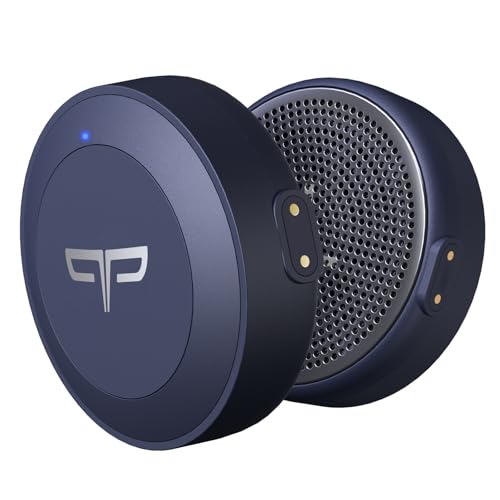
What We Like
- Latest Bluetooth 6.0 for stable, fast connection
- Glove-friendly button system for on-slope control
- Proprietary HDR audio tech with 40mm drivers
- Quick charge provides 3 hours from 15 minutes
Trade-offs
- Exclusively for ski helmets, not motorcycle helmets
- Requires checking dimensions for helmet compatibility
Bluetooth 6.0 delivers a stable, dropout-free connection up to ten meters, which is the core advantage for keeping your music and calls clear all the way down the mountain. The Origem speakers are built for the cold, operating at -20°C, and the glove-friendly controls mean you can manage everything without fumbling. That combination of reliable tech and practical design makes them a strong pick for snowboarders who prioritize uninterrupted audio and easy operation in harsh conditions.
You get a premium acoustic experience from the HDR audio and 40mm drivers, so your soundtrack feels immersive. The trade-off is a very specific fit; these are designed only for audio-ready ski and snowboard helmets, unlike the more universal Outdoor Tech Chips XV. The 10-hour battery is solid, but the quick-charge case is the real hero, offering over 40 hours of total playtime for a full weekend in the lodge without hunting for an outlet.
Product photos
ALECK Snow Series Core Helmet Speakers
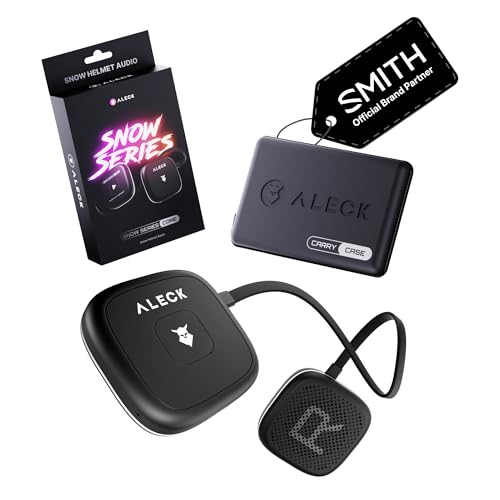
What We Like
- Low-profile design fits audio-ready helmet pockets
- 12-hour battery for all-day mountain use
- Glove-friendly physical buttons for cold conditions
- Open-ear design maintains situational awareness
Trade-offs
- Requires a helmet with removable audio-ready ear pads
- Open-ear design sacrifices bass and noise isolation
The ALECK Snow Series Core’s low-profile design that slides into standard audio-ready helmet pockets makes it a perfect match for Smith helmets and others with similar cutouts. This integration means you get a secure, pressure-free fit right out of the box, so you can focus on your run instead of fussing with bulky adapters. It’s ideal for riders who already own a compatible helmet and want a simple, reliable audio upgrade without modifying their gear. The 12-hour battery is enough to handle a full day on the slopes, and the USB-C charging is a modern convenience.
Designed as open-ear speakers, the ALECK Snow Series Core provides full situational awareness so you can hear your surroundings clearly on the mountain. This design prioritizes safety over a fully enclosed sound experience. For riders with audio-ready helmets from brands like Smith, Giro, or Anon, the low-profile modules offer a cleaner, integrated fit compared to universal clip-on systems.
LiveOnce Wireless Helmet Earbuds
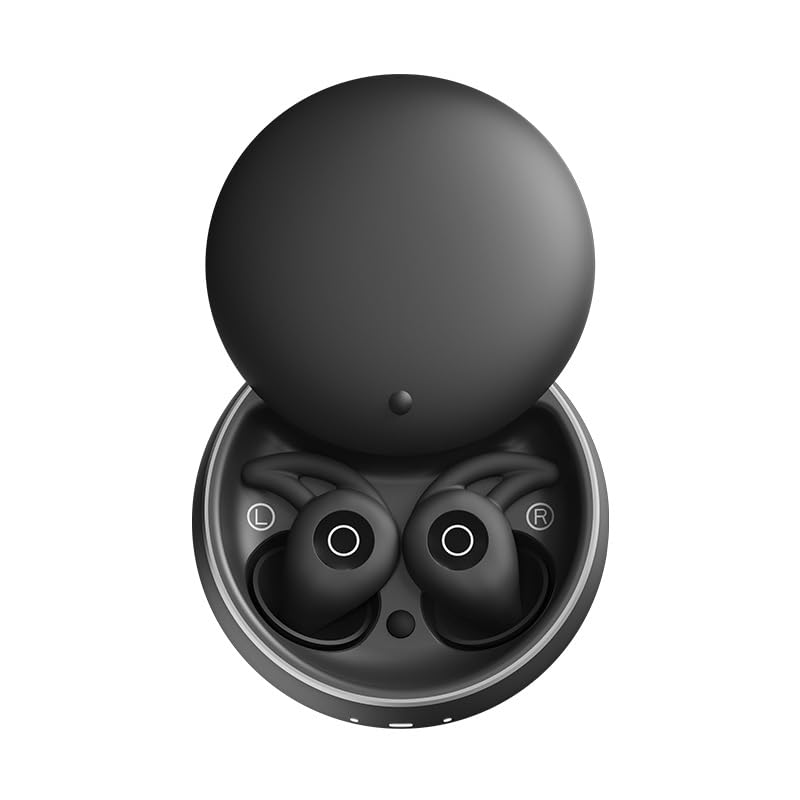
What We Like
- Secure silicone wings lock in place under helmet padding
- Auto-pairing from case for instant, stable connection
- Charging case extends playtime for all-day touring
- No microphone ensures distraction-free solo riding focus
Trade-offs
- Six-hour battery requires case for full-day GPS use
- Lacks any microphone for taking calls or voice commands
- Audio is limited to music, podcasts, and navigation only
The secure silicone fit eliminates pressure points and friction from helmet padding, so earbuds stay put when putting on or taking off a helmet. This design is specifically for riders, preventing the common issue of standard earbuds falling out. One-step auto-pairing from the charging case provides an instant Bluetooth connection to a smartphone or GPS without needing complex apps. The entire system is engineered for distraction-free solo riding, delivering music or navigation audio without a microphone for calls.
The clear trade-off is the complete lack of a microphone. You can’t answer a call from your crew or use voice commands. For someone who rides solo and wants that immersion, it’s a benefit. But if you need to communicate, a system with an integrated mic, such as the Outdoor Tech Chips Ultra 2.0, would be a better fit. The six-hour battery is solid, but for a very long day, you’ll need to remember the charging case to get those extra recharges.
Product photos
SUOOKC Ultra-Thin Bluetooth Helmet Headset
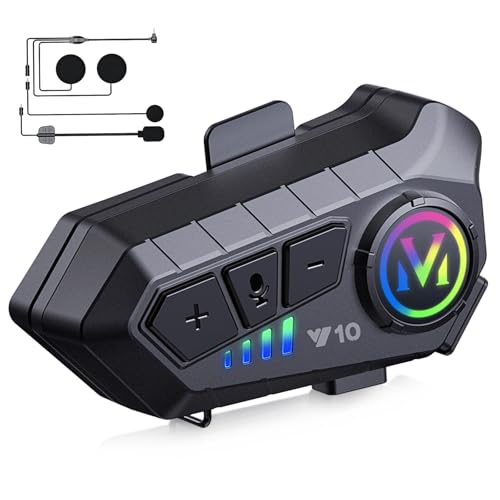
What We Like
- Intelligent noise cancellation for clear audio.
- 32-hour battery life for extended outdoor use.
- IPX6 waterproofing handles snow and rain.
- Ultra-thin 10mm design fits any helmet comfortably.
Trade-offs
- 10mm profile may still require helmet liner adjustment.
- No portable charging case for on-the-go power swaps.
A 32-hour continuous battery supports multiple days of riding on a single charge, a major advantage for backcountry trips or multi-day resort visits. This headset also uses intelligent noise cancellation to deliver clear calls and music in windy, high-speed conditions. It’s for riders who prioritize long-lasting, reliable communication and audio without the fuss of daily charging. An IPX6 rating ensures it can handle heavy snow and rain, making it a dependable choice for all weather.
Unlike true wireless options such as the Doohoeek earbuds, this headset lacks a portable charging case, so you must plan charging around outlet access. Its 10mm thick speakers and universal fit, however, install easily into any helmet shell without creating pressure points, a comfort advantage over bulkier models like the Wildhorn Outfitters headphones.
Product photos
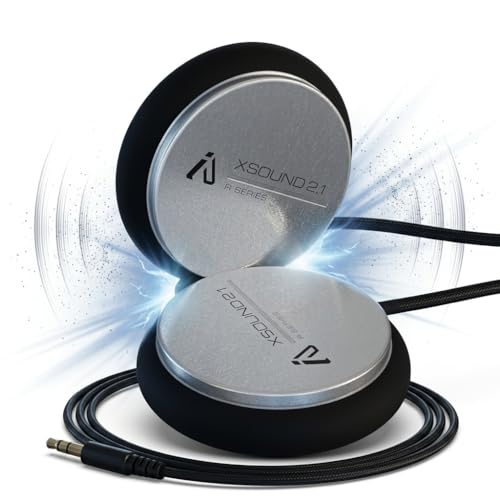
IASUS XSound 2.1R Helmet Speakers
What We Like
- Extremely high 124dB maximum volume output
- 40mm drivers deliver solid bass and clear highs
- Includes 3M Velcro for secure helmet placement
- Kevlar-reinforced wires withstand 10lbs of tension
Trade-offs
- Wired connection requires a compatible 3.5mm jack on your device
- May need a volume boost app or external amp with low-output sources
- Explicit warning to use extreme caution with maximum volume
A maximum output of 124dB makes these the loudest helmet speakers IASUS has ever produced, a fact that cuts through wind noise and thick helmet padding with absolute authority. This raw power, paired with 40mm drivers tuned for solid bass, is why they dominate the wired category. They are designed for the rider who prioritizes audio intensity and clarity above all else and whose helmet or audio source already has a 3.5mm jack.
The manufacturer cautions that the 124dB maximum volume requires careful use. Sound quality and volume depend on the output power of the connected device, and some smartphones or Bluetooth comms may require a volume boost app or an external amplifier. The kit includes 3M Velcro stickers to secure the speakers in a helmet, which the manufacturer states is key for audio quality.
How We Evaluated Headphones For Snowboard Helmets
This guide compares key features and user experiences based on manufacturer specifications and documented feedback. The focus is on identifying models that deliver on core promises for helmet audio. Important criteria include battery life for a full day on the slopes, glove-friendly control design, and secure compatibility with audio-ready helmet pockets.
We also prioritized sound quality, weather resistance, and overall value. A limitation of this research-led approach is that we cannot verify the exact comfort or audio fidelity of each unit, as those factors can be subjective and vary with individual helmet fit.
What To Look For In Headphones For Snowboard Helmets
The right audio setup makes your ride more enjoyable without sacrificing safety or comfort. Focus on how the system integrates with your existing gear and the practical demands of a cold, active environment.
Key criteria include long battery life, glove-friendly controls, and a secure fit designed for your specific helmet type. Weather resistance and sound quality tailored for outdoor use are also important.
Battery Life & Charging
Look for a battery rated for at least 10-12 hours to cover a full day of riding without a midday recharge. Some models, like our Best For Slim Fit pick, offer a massive 50-hour total battery via a charging case. Pay attention to charging speed and port type; USB-C fast charging is a convenient modern feature that allows for quick power-ups in the lodge. A unit with direct charging, where you can plug in the cable without removing the speakers from your helmet, adds significant convenience.
Controls & Connectivity
You will be adjusting volume and tracks while wearing thick gloves, so physical, oversized buttons or responsive tap controls are essential. Avoid systems reliant on small, precise touch gestures. For connectivity, newer Bluetooth versions (5.3 and above) generally offer more stable connections and better power efficiency, which is crucial for avoiding dropouts on the chairlift. If you take calls, ensure the system has a built-in microphone with clear voice pickup, though some riders prefer units without a mic for a distraction-free experience.
Fit, Comfort & Compatibility
This is the most critical factor. First, determine if your helmet is “audio-ready,” meaning it has zippered pockets in the ear pads designed to hold slim speakers. Most of our picks, like the best helmet headphones for snowboarding, require this.
If your helmet lacks these pockets, you may need to consider secure-fit earbuds with wings or a very low-profile speaker system that can be attached with adhesive. Comfort is about avoiding pressure points; overly bulky speakers can cause discomfort during long wear. An open-ear design, like that found in our Best For Smith Helmets pick, maintains situational awareness but sacrifices bass and noise isolation.
A quick compatibility check can save you a return. Always verify your helmet’s ear pocket dimensions against the speaker size.
- Check if your helmet has dedicated, zippered speaker pockets.
- Measure the depth and width of those pockets against the product specifications.
- Consider if you prefer a wired connection for guaranteed, uncompromising audio or the freedom of wireless.
- Look for an IPX rating of at least 4 for splash resistance against snow and sweat.
- Assess whether you want a single, self-contained unit or a true-wireless system with a separate charging case.
Headphones For Snowboard Helmets Compared
The comparison table below highlights the key specifications and features of all 10 picks side-by-side to help you make a direct comparison.
| Product | Bluetooth Version | Battery Life | Water/Cold Resistance |
|---|---|---|---|
| Wildhorn Outfitters B07H7X814B Headphones | 5.0 | Up to 17 hours | Tested to -4°F (-20°C) |
| Outdoor Tech Chips XV Bluetooth Helmet Speakers | 5.3 | 15 hours | IPX4 |
| Outdoor Tech Chips Ultra 2.0 Headphones | N/A | 12-13 hours | N/A |
| OutdoorMaster Ski Helmet Drop-in Headphones | 5.3 | 10 hours | IP45 |
| Doohoeek True Wireless Ski Helmet Earbuds | 5.3 | 50 hours total | IPX5 |
| Origem Wireless Ski Helmet Speakers | 6.0 | 10 hours | IPX4 |
| ALECK Snow Series Core Helmet Speakers | N/A | Up to 12 hours | N/A |
| LiveOnce Wireless Helmet Earbuds | N/A | 6 hours | N/A |
| SUOOKC Ultra-Thin Bluetooth Helmet Headset | 5.3 | 32 hours | IPX6 |
| IASUS XSound 2.1R Helmet Speakers | N/A | N/A | N/A |
Frequently Asked Questions
What are the best headphones for a snowboard helmet?
The best choice depends on your helmet and priorities. For most riders with a standard audio-ready helmet, the Wildhorn Outfitters Headphones are an excellent overall pick due to their long battery and easy glove controls. If sound customization is your main goal, the Outdoor Tech Chips XV with its companion app is a strong contender. Always ensure the speakers are compatible with your helmet’s specific ear pocket design.
What are the best headphones to wear with a helmet?
The safest and most comfortable options are speakers designed to drop into your helmet’s audio-ready pockets or ultra-low-profile earbuds. Systems like helmet speakers are made specifically for this, eliminating pressure points and keeping your ear canals partially open for situational awareness. Avoid standard over-ear headphones, as they are too bulky and can compromise helmet safety and fit.
What is the best way to listen to music while snowboarding?
Using dedicated, helmet-compatible headphones or speaker kits is the best method. These systems are designed for the sport, offering weather resistance, secure fit under your helmet, and controls you can use with gloves. Wireless Bluetooth models provide cable-free convenience, while a high-quality wired system can deliver maximum volume and fidelity if you don’t mind a cord connecting to your pocket.
What is the best communication device for snowboarding?
For group communication, dedicated helmet intercom systems that use mesh networking are ideal, as they allow multiple riders to talk without cell service. For solo riders, most Bluetooth helmet speaker kits include a microphone for taking phone calls. If you ride purely for music and want no distractions, some models, like our Best Secure-Fit Earbuds pick, omit the microphone entirely.
Should I get earbuds or speakers for my snowboard helmet?
Speakers that drop into your helmet’s ear pads are generally more comfortable for all-day use and maintain better environmental awareness. However, if your helmet isn’t audio-ready or you want a more secure, individual fit, secure fit earbuds with silicone wings can be a great alternative. Consider your helmet type first; speakers require dedicated pockets, while earbuds fit under any helmet’s existing padding.
The Bottom Line
For most snowboarders and skiers with a standard audio-ready helmet, the Wildhorn Outfitters B07H7X814B Headphones are the best overall choice, balancing all-day battery life with practical, glove-friendly controls. If you’re on a tight budget, the OutdoorMaster Ski Helmet Drop-in Headphones offer reliable core features, while audiophiles should look to the Outdoor Tech Chips XV for its customizable sound profile. Ultimately, the single most important step is verifying that your chosen audio system is physically compatible with your specific snowboarding helmet model for a safe and comfortable fit.
