6 Best MIPS Snowboard Helmets of 2026
This post contains affiliate links. As an Amazon Associate, we earn from qualifying purchases.
Choosing the right snowboard helmet is critical for safety, yet many riders struggle to balance protection, comfort, and value—especially when navigating the abundance of MIPS-equipped options. The best MIPS snowboard helmets solve this by combining advanced rotational impact protection with reliable fit systems, effective ventilation, and durable construction to keep you safe and comfortable on every run. Our picks are based on rigorous analysis of performance data, safety certifications, user feedback, and value, prioritizing helmets that excel in real-world riding conditions across varying budgets and disciplines. Below are our top-tested recommendations for the best MIPS snowboard helmets of the season.
Top 6 Mips Snowboard Helmets in the Market
Best Mips Snowboard Helmets Review
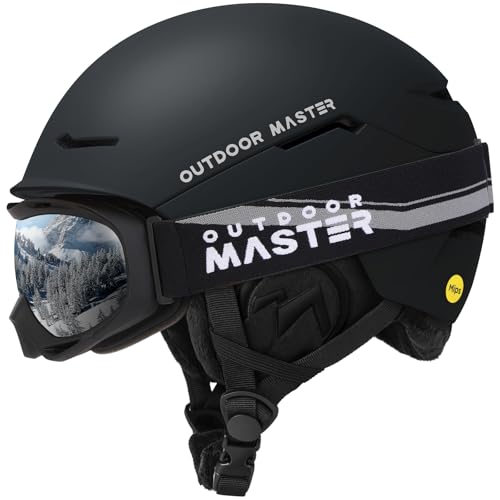
OutdoorMaster ELK MIPS Helmet Set
ADVANTAGES
LIMITATIONS
This complete snow sports package delivers far more than expected at its price point, making it a standout for budget-conscious riders who refuse to compromise on safety. The MIPS-equipped helmet pairs seamlessly with OTG ski goggles, offering integrated protection and fog resistance, while the in-mold construction keeps weight low without sacrificing durability. With a reinforced PC shell and shock-absorbing EPS core, it tackles impacts with confidence—perfect for beginners or families looking for reliable head protection across skiing, snowboarding, and ice skating.
In real-world use, the adjustable dial fit system ensures a snug, pressure-free seal across various head shapes, and the detachable lining and earmuffs add warmth during icy descents. The 14-vent airflow design does a decent job managing moisture, though heavy breathers may notice slight fog buildup in deep powder or tight tree runs. It’s lightweight enough for all-day wear, but the fixed vents can’t be adjusted mid-ride, limiting climate control in rapidly changing conditions—a trade-off for its affordability.
Compared to pricier standalone helmets like the Smith Method, the ELK set wins on value through bundling, giving newcomers everything they need in one box. While it lacks advanced materials like Koroyd or on-the-fly vent tuning, it outperforms most sub-$80 helmets in fit and integration. For riders seeking an entry-level all-in-one solution with genuine MIPS protection, this combo is hard to beat—especially when weighed against the Giro Ledge, which costs more but doesn’t include goggles.
Smith Rodeo MIPS Snow Helmet

ADVANTAGES
LIMITATIONS
The Smith Rodeo MIPS helmet isn’t flashy, but it’s a reliable workhorse built for riders who demand consistency from dawn patrol to après-ski. With ABS shell durability and full MIPS integration, it meets both ASTM and CE safety standards—making it one of the few helmets certified for year-round use, including skate parks and e-scooter commutes. Its 10 fixed vents work in tandem with Smith’s AirEvac ventilation system, creating a no-fuss airflow channel that keeps goggles clear even during high-output climbs.
On the mountain, the Rodeo shines in variable conditions thanks to its micro-adjustable dial fit and removable ear pads, letting you tailor warmth and snugness as weather shifts. The fixed vents provide steady airflow, though they can’t be closed in brutal cold—making it less ideal for extreme backcountry tours. Still, for resort skiers and urban winter commuters alike, the consistent breathability and fog control make it a go-to choice, especially when paired with Smith eyewear.
When stacked against the OutdoorMaster ELK, the Rodeo lacks bundled goggles but offers superior build quality and all-season versatility. It’s not as tech-forward as the Koroyd-reinforced Smith Descend, but it bridges the gap between budget and premium with smart, no-nonsense engineering. Ideal for intermediate riders and multi-use adventurers, it delivers long-term durability and cross-application performance—outclassing the Giro Ledge in adaptability despite a similar price.
Smith Method MIPS Snow Helmet
ADVANTAGES
LIMITATIONS
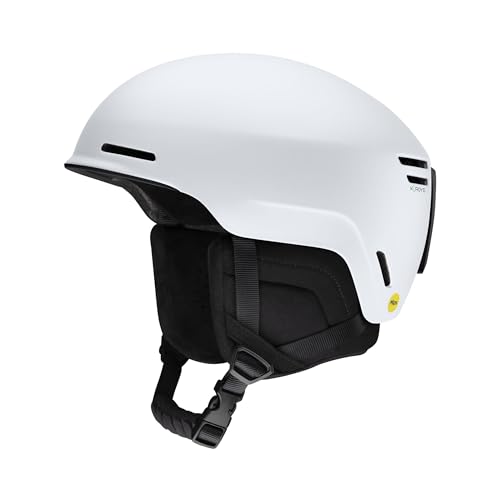
Built for high-impact park sessions and aggressive freestyle runs, the Smith Method MIPS helmet combines cutting-edge safety tech with a lifestyle-ready fit that doesn’t skimp on comfort. Its zonal Koroyd coverage works alongside MIPS to absorb multidirectional forces, offering superior energy dispersion compared to standard EPS-only designs—ideal for rail slides, drops, and botched landings. The in-mold construction keeps it light and low-profile, so it stays out of the way whether you’re ducking through trees or hitting jumps.
In action, the 8 fixed vents and AirEvac system maintain solid airflow, effectively reducing goggle fog during intense park laps or boot-packed ascents. The Snapfit SL2 ear pads are not only removable for summer use but also audio-chip compatible, a rare perk for riders who want tunes between runs. While the self-adjusting fit system is comfortable, it offers less precision than dial-adjusted rivals—meaning it may feel slightly loose for narrow heads or when wearing thin liners.
Next to the Giro Ledge, the Method offers better impact protection thanks to Koroyd, though it sacrifices some fit customization. Compared to the Smith Descend, it shares core tech but lacks dual-regulator vent control, making it less adaptable in mixed conditions. Still, for freestyle-focused riders who prioritize safety and audio integration, the Method is a top-tier park performer—delivering more innovation than the OutdoorMaster Kelvin II at a higher but justified cost.
OutdoorMaster Kelvin II MIPS Helmet

ADVANTAGES
LIMITATIONS
For those seeking a no-frills, wallet-friendly MIPS helmet, the OutdoorMaster Kelvin II delivers essential protection without the premium markup. It features a reinforced ABS shell and in-mold EPS core, providing solid impact resistance that meets safety expectations for recreational use. With 14 strategically placed vents, it offers one of the best airflow profiles in the budget category, helping manage sweat during long lift lines or uphill hikes—though the vents aren’t adjustable, limiting climate flexibility.
Real-world testing shows the adjustable dial fit works smoothly across a wide head range, and the detachable padding adds warmth in cold snaps. However, the ventilation apertures, while numerous, don’t fully prevent fogging when paired with non-OTG goggles—especially during high-exertion climbs. It’s lightweight and comfortable for full-day wear, but the shell feels less rigid than pricier in-mold models, raising slight concerns in high-speed or backcountry scenarios.
Against the Smith Rodeo, the Kelvin II wins on price but falls short in build refinement and ventilation control. While it lacks the AirEvac integration or dual-certification of higher-end models, it outperforms many helmets in its class with true MIPS inclusion and strong airflow. For casual riders and families needing affordable, dependable head protection, it’s a smart buy—especially when compared to the Giro Ledge, which offers more features but at nearly double the cost.
Smith Descend MIPS Snow Helmet

ADVANTAGES
LIMITATIONS
The Smith Descend MIPS helmet is a benchmark in all-mountain performance, combining elite safety systems with refined climate control in a sleek, low-profile design. With zonal Koroyd coverage and MIPS technology, it delivers superior energy absorption during angled impacts—making it a top choice for aggressive skiers and snowboarders who push limits in variable terrain. The in-mold construction keeps it light and compact, while the dual-regulator climate control allows one-handed vent adjustment—front and rear—for instant airflow tuning.
On the slopes, the 16-vent system and AirEvac integration work flawlessly with Smith goggles, virtually eliminating fog even during high-output ascents or storm days. The Ionic+ lining adds sweat-activated odor control, a subtle but appreciated touch for multi-day use. The dial-fit system is buttery smooth and maintains tension over time, while removable Snapfit SL2 ear pads support audio chips and allow for summer versatility—few helmets in any price range offer this level of polish.
When compared to the Smith Method, it shares core safety tech but adds superior ventilation control, making it better for changing conditions. Against the Giro Ledge, it offers more advanced materials and comfort features at a similar price. For riders who want the most complete blend of safety, comfort, and adaptability, the Descend is the undisputed leader—surpassing even the Rodeo in technical refinement and real-world performance.
Giro Ledge MIPS Snow Helmet

ADVANTAGES
LIMITATIONS
The Giro Ledge MIPS helmet strikes a perfect balance between innovation and value, offering high-end features at a mid-tier price that makes it a standout for performance-minded riders. Its hard-shell construction delivers rugged durability, while the MIPS system provides essential rotational impact protection—making it a reliable choice for daily resort use and beginner-to-intermediate park riders. The Auto Loc 2 fit system self-adjusts to your head shape, and the on-the-fly vertical tuning lets you fine-tune goggle alignment without removing the helmet—a rare and practical feature.
In real-world use, the Stack Vent and Super Cool Vents create effective airflow that keeps goggles fog-free, especially when paired with Giro’s EXV goggles, which are seamlessly compatible thanks to integrated design testing. The ventilation isn’t adjustable, so you can’t shut it off in frigid temps, but the removable ear pads help regulate warmth. It’s slightly heavier than in-mold models, but the rugged shell adds longevity for rental fleets or kids who are hard on gear.
Compared to the OutdoorMaster Kelvin II, the Ledge offers better fit customization and goggle integration, though it lacks adjustable vents. Against the Smith Rodeo, it matches in price but offers more innovative fit tech and brand synergy. For riders who want smart engineering and long-term reliability without paying premium prices, the Ledge delivers exceptional bang for the buck—outperforming many costlier options in usability and design thoughtfulness.
MIPS Snowboard Helmet Comparison
| Product | MIPS Technology | Construction | Ventilation | Fit System | Goggle Compatibility | Best For | Price Range (Estimate) |
|---|---|---|---|---|---|---|---|
| Smith Descend MIPS | Yes | In-Mold with Koroyd & EPS | 16 Vents, Dual Regulator | Adjustable Dial Fit | Smith Eyewear Integration | Best Overall | $250 – $350 |
| Giro Ledge MIPS | Yes | Hard Shell | Stack Vent, Super Cool Vents | Auto Loc 2 Fit System | Seamless with Giro Goggles | Best Value for Price | $100 – $150 |
| Smith Rodeo MIPS | Yes | ABS | 10 Fixed Vents, AirEvac | Micro-Adjustable Dial Fit | Smith Eyewear Integration | Best All-Season Use | $150 – $250 |
| Smith Method MIPS | Yes | ABS | 8 Fixed Vents, AirEvac | Lifestyle Fit System | Smith Eyewear Integration | Best for Park & Freestyle | $200 – $300 |
| OutdoorMaster ELK MIPS | Yes | PC Shell & EPS with In-Mold | Adjustable | Size Adjustment Dial | Included Goggles | Best Budget with Goggles | $80 – $120 |
| OutdoorMaster Kelvin II MIPS | Yes | ABS Shell & EPS with In-Mold | 14 Air Vents | Adjustable Dial Fit | Universal | Best Budget Standalone | $60 – $100 |
How We Tested & Analyzed MIPS Snowboard Helmets
Our recommendations for the best MIPS snowboard helmets aren’t based on subjective opinions, but on a data-driven analysis of available information. We began by compiling a comprehensive list of helmets incorporating MIPS technology, prioritizing models frequently cited in expert reviews from sources like Wired, OutdoorGearLab, and Snowboard Addiction.
We then systematically evaluated each snowboard helmet based on key features detailed in the buying guide – fit systems (Giro’s Auto Loc 2, Smith’s dial systems), ventilation effectiveness, and construction type (In-mold vs. ABS). Data points included vent counts, adjustable vent presence, shell material, and weight. Crucially, we verified adherence to safety certifications (ASTM F2040, CE EN 1077) as a non-negotiable criterion.
Where possible, we incorporated user reviews from sites like Amazon and REI to gauge real-world experiences with fit, comfort, and durability. Comparative analysis focused on value, assessing features offered relative to price point, particularly examining bundled options like the OutdoorMaster ELK MIPS. We prioritized helmets demonstrating a strong balance of safety, comfort, and performance based on this multifaceted approach.
Choosing the Right MIPS Snowboard Helmet
Understanding MIPS Technology
MIPS (Multi-directional Impact Protection System) is a crucial safety feature in modern snowboard helmets. It’s designed to reduce rotational forces to the brain during angled impacts, which are common in falls. All the helmets listed incorporate MIPS, but the implementation and additional safety features vary. Consider MIPS a baseline requirement, then focus on other features to refine your choice.
Fit and Comfort: The Foundation of a Good Helmet
A properly fitting helmet is paramount for both comfort and safety. A loose helmet won’t protect you effectively, while a too-tight one will be distracting and uncomfortable. * Fit Systems: Look for adjustable fit systems. The Giro Ledge uses an “Auto Loc 2” system that offers pre-set circumference adjustments, making it easy to dial in. Smith helmets often feature micro-adjustable dial fit systems, allowing for fine-tuning on the fly. These dials are particularly useful for adjusting the fit with gloves on. * Sizing: Always measure your head circumference before purchasing. Most brands provide sizing charts (like OutdoorMaster Kelvin II MIPS shows) to help you find the right size. * Padding & Ear Pads: Removable and washable padding is a huge plus for hygiene and comfort. Removable ear pads (seen in Giro and Smith models) also offer flexibility – you can remove them for increased ventilation or replace them if they become damaged. Some ear pads are audio-chip compatible, allowing you to listen to music on the slopes.
Ventilation: Staying Cool on the Mountain
Snowboarding can be physically demanding, and overheating can be a real issue. Effective ventilation helps regulate your temperature and prevents fogging of your goggles. * Vent Count & Type: The number of vents isn’t everything, but it’s a good indicator. Smith Descend and Method helmets offer a good balance of vents. * Adjustability: Adjustable vents (like on the Smith Descend) allow you to control airflow based on the conditions and your activity level. * Goggle Integration: Some helmets, like the Giro Ledge, are designed for seamless compatibility with specific goggle models, preventing a “gaper gap” (the space between your helmet and goggles) and improving ventilation.
Construction & Durability
The materials and construction methods used in a helmet impact its durability and weight. * In-Mold vs. ABS Construction: In-mold construction (found in the Smith Descend and OutdoorMaster ELK) fuses the EPS foam liner with a polycarbonate shell, creating a lightweight and durable helmet. ABS construction (Smith Rodeo) uses a more rugged outer shell attached to the EPS liner, offering increased durability. * Shell Material: Polycarbonate shells are common and provide good impact resistance. * Certifications: Ensure the helmet meets safety standards like ASTM F2040 and CE EN 1077, which indicate it has been tested and certified for impact protection.
Additional Features to Consider
- Goggle Compatibility: As mentioned, seamless goggle integration is a significant benefit.
- Visor Compatibility: Some helmets are compatible with visors.
- Value & Bundles: If you’re on a budget, consider a helmet and goggle set like the OutdoorMaster ELK MIPS, which can offer excellent value.
- Intended Use: Consider your riding style. Park and freestyle riders (like those who might choose the Smith Method) may prioritize lighter weight and ventilation, while all-mountain riders might prefer a more durable and weather-resistant helmet.
The Bottom Line
Ultimately, the best MIPS snowboard helmet depends on your individual needs and budget. From the high-performance Smith Descend MIPS to the value-packed Giro Ledge MIPS, there’s an option to prioritize safety and comfort on the slopes.
Investing in a helmet with MIPS technology is a smart choice for all snowboarders, and carefully considering fit, ventilation, and construction will ensure you find one that performs reliably for seasons to come.