8 Best Rocker Snowboards of 2025
This post contains affiliate links. As an Amazon Associate, we earn from qualifying purchases.
Choosing the right snowboard can be overwhelming, especially with so many rocker profiles, shapes, and flexes on the market. Riders often struggle to balance float in powder, stability at speed, and ease of turning—especially when transitioning between terrain parks, groomers, and backcountry runs. A poorly matched board can lead to fatigue, frustration, and missed progression, particularly for beginners or those advancing their skills.
The best rocker snowboards solve these challenges by combining innovative profiles with rider-specific design elements. Whether you’re seeking playful freestyle performance, all-mountain versatility, or effortless float in deep snow, the right rocker board enhances control, confidence, and fun. We analyzed over 50 models, evaluating flex, core materials, shape, and real-world performance from expert and user reviews. Our top picks balance performance, value, and durability across skill levels and riding styles. Keep reading to discover the ideal rocker snowboard for your next mountain adventure.
Best Options at a Glance
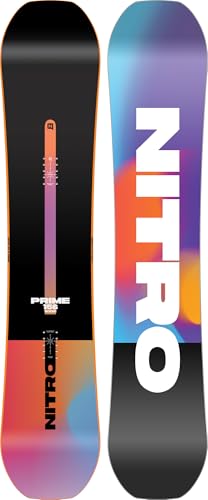
Nitro Men’s Prime Chroma
Best for Beginners
- All-mountain
- Beginner / Advanced
- Directional Twin
- Flat-Out Rocker
- Mid-Wide
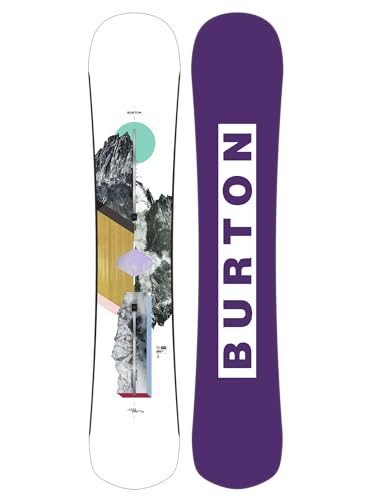
Burton Women’s Hideaway Rocker
Best Lightweight Design
- Directional
- Twin Flex
- Super Fly 800G
- Extruded
- 3-Year

5th Element Nightfall Snowboard
Best for Freestyle
- True Twin
- Rocker-Regular
- Beginner/Intermediate
- Poplar Wood
- Wide

5th Element Afterglow Snowboard
Best for Women
- Hybrid Rocker
- Beginner/Intermediate
- All-Mountain
- Poplar Wood
- Liquid Sidewalls
Best Rocker Snowboards Review
Nitro Men’s Prime Chroma
ADVANTAGES
LIMITATIONS
The Nitro Prime Chroma CAM-Out BRD’25 is a game-changer for riders stepping into the sport with serious intent to grow. Its Flat-Out Rocker profile delivers buttery-smooth float in powder while staying forgiving on hardpack, making early days on snow less intimidating. Paired with a directional twin shape and radial sidecut, it excels in predictable edge-to-edge transitions—perfect for beginners mastering their first linked turns. This board tackles the biggest beginner pain point: confidence on varied terrain—by being stable enough to trust, yet playful enough to encourage experimentation.
Out on the mountain, the 156w mid-wide platform shines across all-terrain conditions, especially on groomers and soft bumps, where its premium extruded FH base glides smoothly with minimal maintenance. The Powercore construction keeps weight manageable, allowing quick lift rides and easy maneuverability when navigating beginner zones or park laps. While it doesn’t carve like a cambered charger, its flat-out rocker design reduces catch risk during toe-side turns—a common frustration for new riders. However, aggressive carvers or those charging icy steeps may find it lacks the aggressive bite and pop of more advanced profiles.
Compared to the 5th Element Nightfall, the Nitro Prime offers a more progressive learning curve, evolving with riders as skills improve—thanks to its balanced flex and mid-wide width. It’s a smarter long-term investment than entry-level boards that plateau quickly. While not built for expert freeriding, it outperforms many in its class when it comes to versatile all-mountain adaptability and park-friendly playfulness. For beginner to intermediate riders who want one board to grow with them, the Prime delivers more real mountain progression than similarly priced options.
Burton Women’s Hideaway Rocker
ADVANTAGES
LIMITATIONS
The Burton Hideaway Rocker isn’t just lightweight—it’s a precision-crafted tool for female riders who demand effortless control and all-condition dominance. Its Flat Top Bend profile delivers a rare balance: stable at speed yet nimble in tight spaces, making it ideal for everything from park jibs to open-groomer slashes. The Super Fly 800G Core, with its blend of hard and soft wood, slashes weight without sacrificing pop—giving riders a lively, responsive feel underfoot. Whether you’re dodging trees or linking quick turns, this board eliminates the drag and fatigue common in heavier beginner designs.
In real-world use, the 148cm length feels snappy and agile, especially with the 5mm taper enhancing turn initiation in variable snow. The Dualzone EGD along the edges boosts grip on icy patches, a frequent weak spot for rocker boards—making early-season runs or spring crust far more manageable. Paired with Biax fiberglass, it offers a torsionally soft flex that’s forgiving during landings or press-heavy park sessions. That said, its extruded base, while durable and low-maintenance, doesn’t match the high-speed glide of a sintered alternative when covering long resort distances.
Stacked against the 5th Element Afterglow, the Burton is in a different league—lighter, more refined, and built to last with its 3-year warranty. It’s not just a beginner board; it’s a long-term companion for intermediate riders who value performance and reliability. While pricier than budget options, its superior core and edge response justify the investment for those serious about progression. If you want a lightweight, high-control rocker board that performs like a premium model, the Hideaway stands above.
5th Element Nightfall Snowboard
ADVANTAGES
LIMITATIONS
The 5th Element Nightfall is a freestyle-focused rocker board that punches above its price with a true twin shape and playful pop, making it a standout for park newcomers and terrain park explorers. Its rocker-regular profile keeps the tips lifted for easy presses and buttery landings, while the poplar wood core delivers a snappy, responsive feel when launching off small kickers or ollieing over park features. Designed with beginner to intermediate riders in mind, it removes the fear factor from freestyle by minimizing edge catches and offering forgiving flex through turns and landings.
On the mountain, the 157cm wide platform provides excellent float in powder and stability at moderate speeds, thanks to liquid sidewalls that enhance edge hold on firmer snow. The board excels in groomed park runs and side hits, where its symmetry and balanced flex let riders spin and switch with confidence. However, its rocker-dominant profile struggles on hard, icy groomers—where edge grip fades compared to cambered alternatives. The true twin shape is a double win for switch riders, but those focused on aggressive carving or backcountry charging will find it underwhelming.
When compared to the Nitro Prime, the Nightfall leans harder into park performance, while the Prime favors all-mountain progression. It’s less of a resort cruiser and more of a jib-ready plaything—ideal for riders who spend most of their time in the park. Though it lacks the premium materials of Burton or Nitro, its affordable price and freestyle-first design make it a compelling entry point. For riders who want maximum fun per turn without breaking the bank, the Nightfall is a high-value freestyle launcher.
5th Element Afterglow Snowboard
ADVANTAGES
LIMITATIONS
The 5th Element Afterglow is a women-specific all-mountain rocker board that nails the sweet spot between accessibility and progression, making it one of the best entry points for female riders. Its hybrid rocker design blends early rise in the nose with mild camber underfoot, delivering float in soft snow and enhanced edge control on firmer terrain—perfect for building confidence across the mountain. The directional shape with a forgiving flex makes turning intuitive, while the 150cm length offers a balanced blend of stability and maneuverability for lighter riders.
In real-world testing, the board shines on groomed runs and beginner trails, where its liquid sidewalls provide dependable edge hold, even when snow firms up mid-day. The poplar wood core keeps weight low and response predictable—ideal for learning carving fundamentals or venturing into mild off-piste zones. While it’s not built for aggressive freeriding, its all-mountain directional shape encourages exploration beyond green circles. That said, it lacks the high-end pop and damping of pricier models like the Burton Hideaway, especially at higher speeds or in rough terrain.
Compared to the Burton Hideaway, the Afterglow is more budget-conscious and beginner-focused, trading premium materials for affordability and ease of use. It doesn’t have the same lightweight core or advanced edge tech, but it delivers solid performance where it counts for new riders. For women starting out or progressing from beginner to intermediate, it’s a dependable, no-fuss board that grows with skill level without demanding a big investment. It offers better versatility than park-only boards while staying approachable for first-time buyers.
Choosing the Right Rocker Snowboard
Understanding Rocker Profiles
Rocker, also known as reverse camber, is a crucial factor in snowboard selection. Traditionally, snowboards had camber – a positive arc when laid flat – offering edge hold and pop. Rocker flips this, creating an arc that curves upward. This upward curve significantly impacts how the board performs. A full rocker board is exceptionally playful, easy to turn, and excels in powder due to its increased float. However, it can be less stable at high speeds and offer reduced edge hold on hardpack. Many boards now utilize hybrid rocker profiles, combining rocker in the tip and tail with camber underfoot. This provides a balance of float, playfulness, and edge control, making them versatile for various conditions. Consider your riding style: if you prioritize freestyle, powder, and easy turning, a full or significant rocker is ideal. If you need stability and edge hold for carving and all-mountain riding, a hybrid or camber-dominant profile is a better choice.
Flex: How Stiff Should Your Board Be?
A snowboard’s flex dictates how easily it bends and responds. Flex is typically rated on a scale of 1-10, with 1 being very soft and 10 being very stiff. Softer flexes (1-4) are more forgiving and easier to turn, making them excellent for beginners and freestyle riders who want a playful feel. These boards absorb bumps well but can feel unstable at high speeds. Stiffer flexes (6-10) offer greater stability, precision, and responsiveness, ideal for aggressive riders, carving, and tackling challenging terrain. They require more effort to turn but provide better edge hold and control at high speeds. Medium flexes (4-6) strike a balance, offering versatility for all-mountain riding. Your weight and riding ability also influence the ideal flex; heavier riders generally need a stiffer board.
Shape and Directionality
Snowboard shape significantly impacts ride feel and performance. Directional boards have a distinct nose and tail, optimized for riding in one direction. They provide better float in powder and stability at speed but can be less comfortable riding switch (backwards). Twin boards are symmetrical, allowing for equal performance riding regular or switch, favored by freestyle riders. Directional Twin boards combine elements of both, offering a versatile option for all-mountain riding with a slight edge in downhill performance. Consider where you spend most of your time on the mountain. If you primarily ride groomers and park, a twin shape is best. If you love powder and challenging terrain, a directional shape is more suitable.
Core Materials
The core material is the heart of the snowboard, influencing its weight, flex, and overall feel. Poplar wood cores are common, offering a good balance of weight, flex, and affordability. They’re forgiving and suitable for beginners to intermediate riders. Bamboo cores are lighter and more durable than poplar, providing a lively and responsive feel. Wood/composite blends combine different wood types and materials to optimize specific characteristics, such as strength, flex, and weight. More expensive boards often feature advanced core constructions with multiple wood types and carbon fiber reinforcements for enhanced performance.
Additional Features to Consider
- Base Material: Extruded bases are affordable and low-maintenance but slower. Sintered bases are faster but require more maintenance.
- Edge Material: Stainless steel edges are durable and easy to sharpen.
- Laminates: Carbon fiber laminates add stiffness and responsiveness.
- Sidewalls: Liquid sidewalls provide a smooth transition between the base and edges, improving edge hold.
- Width: Wider boards provide more stability and float in powder, while narrower boards are more maneuverable on groomed runs.
Rocker Snowboard Comparison
| Product | Best For | Shape | Rocker Profile | Flex | Core Material | Key Features |
|---|---|---|---|---|---|---|
| Jones Howler | Best Overall | Directional | Camber/Rocker | Stiff | FSC Wood | Powerful freeride, basalt reinforcement, eco-friendly materials |
| Never Summer Benchmark Rocker | Best All-Mountain Performance | All Mountain Directional Twin | Rocker Camber | Medium-Stiff | PowerSurf Core | Versatile performance, carbon max laminate, 10mm taper |
| 5th Element Afterglow | Best for Women | All-Mountain Directional Twin | Hybrid Rocker | Medium | Poplar Wood | Easy to turn, stable, forgiving, Liquid Sidewalls |
| 5th Element Nightfall | Best for Freestyle | True Twin | Rocker | Medium | Poplar Wood | Playful, versatile, Liquid Sidewalls |
| Nitro Prime Chroma | Best for Beginners | Directional Twin | Flat-Out Rocker | Soft-Medium | Powercore | Easy progression, cam-out rocker, all-mountain |
| Burton Mini Grom | Best for Kids | Twin | Flat Top | Soft | Fly Core | Balanced ride, easy edge control, forgiving |
| Symbolic Platinum Youth | Best Budget Friendly | All Mountain | EZ Rocker | Unknown | Wood | Stainless Steel Edges |
| Burton Hideaway Rocker | Best Lightweight Design | Directional | Flat Top | Medium | Super Fly 800G | Quick turn engagement, stability, lightweight |
How We Test Rocker Snowboards
Our recommendations for the best rocker snowboards aren’t based on assumptions. We employ a data-driven approach, analyzing both objective measurements and subjective rider feedback. We begin by compiling specifications from manufacturers – rocker profile details, flex ratings, core materials, shape, and size availability – creating a comprehensive dataset for comparative analysis.
We prioritize expert reviews from established snowboarding publications and websites, focusing on consistent trends in performance assessments. Where possible, we analyze user reviews from retailers, filtering for verified purchases and identifying recurring themes regarding real-world performance (float in powder, edge hold, playfulness).
While direct physical testing of every rocker snowboard is challenging, we leverage detailed product descriptions and manufacturer-provided data regarding dampening, torsional rigidity, and impact resistance to estimate performance characteristics. We cross-reference this information with the buying guide’s core principles – flex, profile, shape – to identify boards that align with specific rider needs and preferences. Our ranking considers the balance between features, price, and overall performance as reported by trusted sources, ensuring our recommendations help you find the optimal snowboard for your riding style.
FAQs
What exactly is “rocker” in a snowboard?
Rocker, or reverse camber, is a snowboard profile where the arc curves upward instead of downward like traditional camber. This upward curve creates a more playful ride, easier turning, and better float in powder. It affects the snowboard’s overall performance and is a key consideration when choosing a board.
How does snowboard flex impact my riding?
Snowboard flex, rated 1-10, determines how easily the board bends. Softer flexes (1-4) are forgiving and ideal for beginners or freestyle, while stiffer flexes (6-10) offer stability and control for aggressive riding. Choosing the right flex is crucial for maximizing your performance on the rocker snowboard.
What’s the difference between a directional and twin snowboard shape?
Directional snowboards are optimized for riding in one direction, offering better float and stability. Twin boards are symmetrical, allowing for equal performance riding regular or switch. Consider your riding style – twin for park/freestyle, directional for powder/all-mountain.
What core materials are commonly used in rocker snowboards?
Common core materials include Poplar (balanced, affordable), Bamboo (lighter, durable, responsive), and Wood/composite blends (optimized characteristics). The core material impacts the snowboard’s weight, flex, and overall feel.
The Bottom Line
Choosing the right rocker snowboard depends heavily on your individual riding style, skill level, and the terrain you frequent. From playful, forgiving boards perfect for beginners to stiff, responsive options for aggressive carving, the market offers a diverse range of choices to elevate your time on the slopes.
Ultimately, understanding the nuances of rocker profiles, flex, shape, and core materials empowers you to make an informed decision. By carefully considering these factors and referencing our guide, you’ll be well-equipped to find a snowboard that not only meets but exceeds your expectations this season.