10 Best Snowboard All Mountain in 2026
This post contains affiliate links. As an Amazon Associate, we earn from qualifying purchases.
Our top choice for the best all-mountain snowboard is the Ride Moderator Unisex Snowboard for its damp, powerful ride that excels at carving and powder. The Burton Process Snowboard is the best for all-mountain freestyle, while the Jones Mountain Twin Snowboard offers the best directional twin flex.
Choosing the right board depends heavily on your primary riding style and the terrain you frequent most. We compiled this list through extensive research into specifications, manufacturer data, and patterns in expert and owner feedback. You’ll find a board for every style and skill level, from dedicated powder hunters to park-focused riders.
Top 10 All-Mountain Snowboards in the Market
Certain content that appears on this site comes from Amazon. This content is provided "as is" and is subject to change or removal at any time.
The Best All-Mountain Snowboards, Reviewed
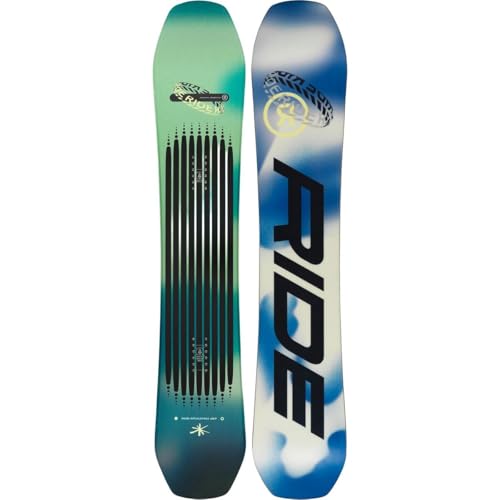
Ride Moderator Unisex Snowboard
What We Like
- Tapered Directional Extra Camber floats in powder and holds an edge.
- Slim Wall construction dampens chatter for a smooth ride.
- Carbon Array 3 boosts pop and power transfer for aggressive turns.
- Performance Light Core provides strength without excess weight.
Trade-offs
- The 14.0-inch waist width may feel too wide for riders with smaller feet.
- Tapered directional shape is less suited for regular switch riding.
The Ride Moderator’s Tapered Directional Extra Camber profile is the key to its versatility, giving you the lift to stay on top of deep snow and the bite to carve confidently on hardpack. It’s a board built for riders who want a damp, powerful feel across the entire mountain, from groomers to freeride terrain. The combination of its dampening construction and carbon reinforcement creates a stable platform that excels when you’re charging hard, making it a reliable choice for aggressive all-mountain riding.
Weighing 9.0 pounds, the Ride Moderator is a substantial board. That heft provides a stable, damp feel for charging through rough snow, but it can make the board feel less flickable for butters and spins compared to a lighter model like the 8.0-pound Burton Process. The Moderator’s design balances these traits, aiming for confident all-mountain performance rather than specializing solely in freestyle or deep powder.
Product photos
Burton Process Snowboard

What We Like
- Symmetrical twin shape for balanced regular and switch riding
- PurePop Camber with flat zones for amplified pop
- Sintered base for durability and superior wax absorption
- Three-year warranty on the board and mounting system
Trade-offs
- Weighs 8.0 pounds
- Mounting system only works with Channel-compatible bindings
Its twin shape and twin flex are perfectly symmetrical, offering a balanced ride for regular or switch riding. The PurePop camber bend includes subtle flat zones to amplify pop, providing reliable lift off rollers and lips. This board delivers a playful, familiar feel across all-mountain terrain, maintaining the snappy response of a traditional camber profile.
The symmetrical design also means it doesn’t have the dedicated float of a directional board when you’re pushing into deeper, untracked snow. For a rider who prioritizes all-mountain versatility with a strong freestyle bias, the Process hits a sweet spot. If your days are mostly spent charging variable off-piste terrain, you might look at something with a more directional profile.
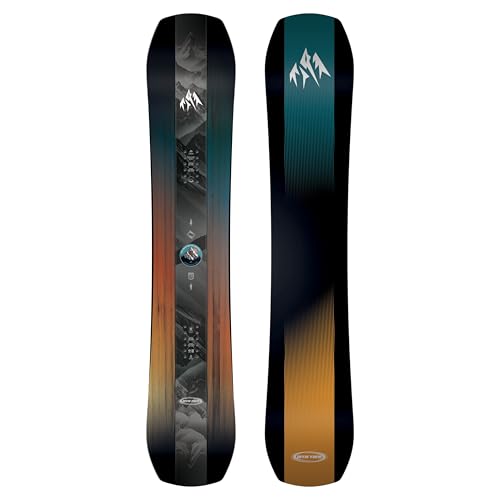
Jones Mountain Twin Snowboard
What We Like
- Directional twin flex aids responsive turn initiation
- CamRock profile blends pop and forgiveness
- Carbon flax stringer adds efficient energy transfer
- 3D Contour Base and High Traction Tech aid edge hold
Trade-offs
- A flex rating of 6 may feel stiff for pure beginners
- The directional twin shape prioritizes forward stance over perfect switch riding
Its directional twin shape and CamRock profile deliver a ride that’s predictable and forgiving when you need it, yet responsive enough to carve hard and pop off side hits. This board suits the all-mountain rider who wants one quiver-killer for everything from groomed runs to backcountry powder stashes, drawing on Jones’s backcountry DNA for confident control in variable conditions.
This directional twin design means it is not a perfectly symmetrical board, so riders who primarily ride switch may prefer a different model. For those who ride forward most of the day, its flex pattern aims for responsive turn initiation and stable landings with efficient energy transfer. The construction includes features like a Medium 3D Contour Base and High Traction Tech.
Lib Tech T.Rice Pro Snowboard

What We Like
- Magne-Traction edges for exceptional grip on ice
- C2 profile blends easy turn initiation with stability
- Lightweight HP core with basalt reinforcement for response
- Sintered base provides fast, durable glide
Trade-offs
- At 5.0 pounds, it is lighter than the Ride Warpig but heavier than the CAPiTA Mercury
- The versatile design is a compromise for pure freeride specialists
The Magne-Traction serrated edges give this board an undeniable bite on hardpack and icy patches, making it a confident choice for riders who prioritize grip. Its C2 Rocker/Camber profile floats the tips in powder while the camber zones keep it stable and poppy for carving and jumps. This combination suits an aggressive all-mountain rider who wants one board to handle everything from park laps to steep, variable terrain.
The trade-off for this versatility is that it isn’t a specialist. For deep powder days, a board like the Lib Tech Orca with its more pronounced directional shape will plane more effortlessly. Compared to the pure camber of the Burton Process, the T.Rice Pro’s hybrid profile sacrifices a bit of that direct, locked-in feel on groomers for easier turn initiation and forgiveness. You’re getting a highly capable all-rounder built to dominate the entire mountain, not just one part of it.
Product photos
CAPiTA Mercury Freeride Snowboard

What We Like
- Hybrid camber provides grip and pop
- New Age Progressive Death Grip sidecut
Trade-offs
- Directional shape limits switch riding versatility
The CAPiTA Mercury’s hybrid camber profile delivers a locked-in feel for aggressive carving and dependable pop off natural features. Owner feedback highlights its lightning-fast reaction to input, making it a tool for confident all-mountain riders who want to smash through variable snow with precision.
Compared to the twin-shaped Burton Process, which is built for freestyle play, the Mercury’s directional design is more specialized for aggressive freeriding. It sacrifices some switch-riding versatility for the high-performance demands of steep lines and big mountain terrain, demanding a rider who matches its intent.
Product photos
Burton Cultivator Flat Top Snowboard

What We Like
- Directional shape provides confident float and edge hold
- Twin Flex offers predictable feel for regular or switch riding
- PurePop Camber delivers lively pop for groomers and side hits
- Lightweight Super Fly 800G core aids in maneuverability
Trade-offs
- At 7.0 pounds, it is heavier than some freestyle-focused boards like the Lib Tech T.Rice Pro
Designed with a directional shape and 5mm taper, the Burton Cultivator provides reliable float and edge control in mixed conditions. This suits riders moving from groomed runs to more variable terrain. Its PurePop Camber profile and symmetrical Twin Flex deliver a predictable feel that builds confidence riding forward or in switch.
Its focus is on playful all-mountain freestyle over raw power or deep-powder dominance. This board is not for charging steep, technical lines like the Jones Mountain Twin. Instead, it sits as a dependable mid-range option for the rider who values a balanced, approachable ride. It works well for carving, hitting side features, and progressing park skills without needing a quiver of specialized boards.
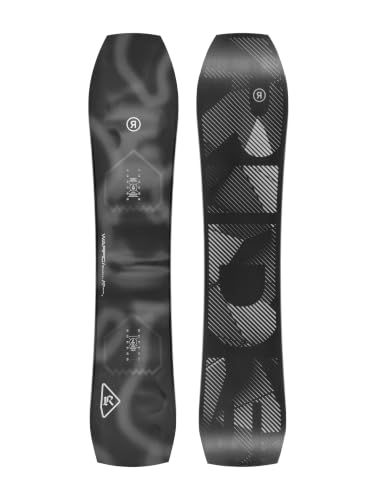
Ride Warpig Snowboard
What We Like
- Volume-shifted shape adds float and stability at a shorter length.
- Directional Zero Camber lifts easily into pivots and resists catching.
- Tapered Bi-Radial Sidecut initiates and holds turns.
Trade-offs
- At 11.0 pounds, it is heavier than many all-mountain options.
- The aggressive, heavy-duty build sacrifices some playful, freestyle flexibility.
The Warpig’s volume-shifted shape is the key, delivering the float and stability of a longer board in a much shorter package, so you can slash through deep snow and carve hardpack with a more nimble feel. This makes it a fantastic choice for riders who want a single quiver-killer for variable conditions, especially those who prioritize powerful freeride performance over park-focused play. It’s built for the aggressive all-mountain rider who encounters everything from ice to powder.
At 11.0 pounds, the Warpig is heavier than some other all-mountain options like the Burton Process or the Lib Tech T.Rice Pro. Its tapered Bi-Radial Sidecut is designed to initiate turns at the nose and hold at the tail. The Directional Zero Camber profile aims to lift easily into pivots and resist edge catch.
Product photos
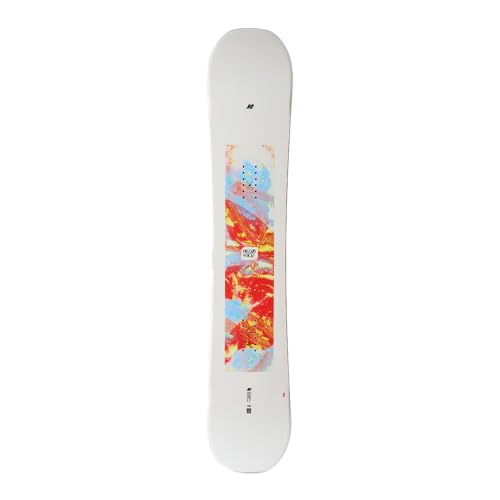
K2 Dreamsicle Women's Snowboard
What We Like
- HYBRITECH construction reduces plastic waste
- Rhythm Core uses sustainably harvested timber
- Forgiving feel suits versatile all-mountain riding
- Light swing weight aids maneuverability
Trade-offs
- At 5.7 lb, it's heavier than the Lib Tech T.Rice Pro
- Extruded base prioritizes ease of repair over ultimate speed
K2’s HYBRITECH construction is described as the most eco-friendly, lightest, and most durable snowboard construction on the market, removing excess plastic during manufacturing. This approach directly reduces the board’s swing weight and plastic use. Combined with a women-specific Rhythm Core for a forgiving and versatile ride, the Dreamsicle offers smooth control suitable for groomers and freestyle.
An extruded 2000 base provides low-maintenance, smooth gliding durability that is easy to repair on the mountain. The design integrates carbon fiber stringers into the fiberglass to increase snap without adding rigidity, which helps the board feel lively. For reference, the Dreamsicle’s 5.7-pound weight is lighter than several other all-mountain boards like the Nitro Prime Raw or the Burton Process.
Product photos
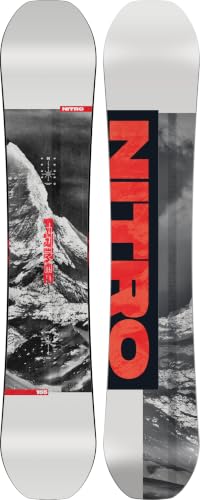
Nitro Prime Raw Snowboard
What We Like
- Directional twin shape is versatile for regular and switch riding.
- Power Core poplar wood provides a balanced flex and response.
- Includes factory-tuned, biodegradable Green Speed Natural Wax.
- Lightweight Bi-Lite laminates aid in board control.
Trade-offs
- The 5/10 flex rating offers less stability at high speeds.
- Extruded base requires more frequent waxing than sintered bases.
- 6.6-pound weight is heavier than some all-mountain models like the Lib Tech T.Rice Pro.
The directional twin shape provides a familiar, balanced platform that performs well when ridden normally but still offers enough versatility for learning basic switch maneuvers. This combination of a softer flex and a versatile shape makes it a solid tool for skill development without overwhelming the user.
That forgiving nature comes with a limit in high-speed stability and aggressive carving power, a job better handled by a stiffer board like the Jones Mountain Twin. The extruded base is durable and easy for a beginner to maintain, though it won’t glide as fast as the sintered bases on premium freeride boards. For someone progressing out of the beginner phase, this board’s softer construction and weight become its primary constraints compared to more performance-oriented all-mountain models.
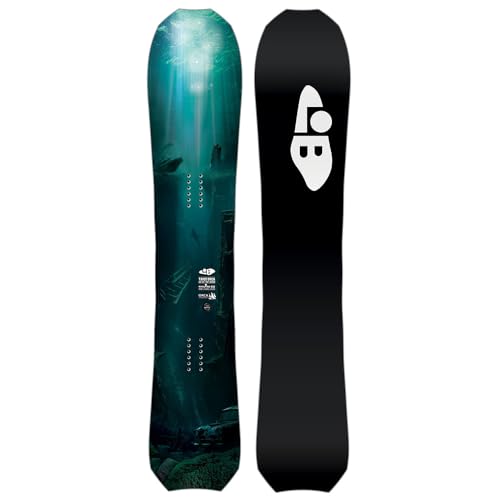
Lib Tech Orca Snowboard
What We Like
- Directional shape with long nose for superior powder float
- Whale Tail Technology for explosive pop in steep terrain
- Volume-shifted design maximizes agility and reduces toe drag
- Lightweight, carbon-reinforced core for a lively, durable ride
Trade-offs
- Volume-shifted design requires riding 3-6 cm shorter than usual
- At 7.3 lb, it is heavier than the Lib Tech T.Rice Pro (5.0 lb)
- Directional shape is less suited for switch riding on groomers
The Lib Tech Orca’s volume-shifted design, where you ride it 3 to 6 cm shorter than your normal board, is the key to its character. This creates a shorter, wider platform that delivers exceptional agility in tight trees and deep snow while minimizing toe drag. Combined with its Directional C2 contour and long, floaty nose, this board is built for an aggressive rider who wants a dedicated tool for dominating powder days and steep, technical lines. The unique short-radius camber tail with Whale Tail Technology provides the explosive pop needed to navigate cliff drops and variable terrain with precision.
The Lib Tech Orca’s design prioritizes aggressive freeriding and powder float over twin-like versatility. Its directional C2 contour and volume-shifted geometry deliver carving precision and agility in steep terrain, so it excels when charging forward. This focus means it is less suited for riders who prioritize switch riding or a playful freestyle feel.
Product photos
How We Evaluated All-Mountain Snowboards
This guide is based on product specifications, manufacturer details, and patterns found in expert reviews and user feedback. Three main criteria were prioritized: the board’s shape and profile for versatility, its core construction and flex for ride characteristics, and the base material for speed and durability. These elements influence performance across groomed runs, powder, and park terrain. The information presented aggregates available technical data and user experiences.
What To Look For In All-Mountain Snowboards
An all-mountain board is your daily driver, built to handle everything from groomed runs to powder stashes. The goal is to match its strengths to the terrain you ride most often.
The right all-mountain board balances shape, flex, and camber profile. A directional shape excels in powder, a true twin is best for park versatility, and a hybrid camber offers a blend of grip and forgiveness.
Shape and Profile
The board’s shape dictates its intended stance and terrain performance. A directional shape, like on the Ride Moderator or Lib Tech Orca, positions you forward for superior powder float and aggressive carving, but it’s less ideal for switch riding. A true twin shape, such as on the Burton Process, is symmetrical for balanced regular and switch performance, making it a top choice for riding park and mountain terrain. Hybrid profiles like CamRock or C2 blend camber’s edge grip with rocker’s forgiveness for versatile handling in variable conditions.
Core Construction and Flex
The core material and flex rating influence the board’s responsiveness and weight. A lightweight core, such as the Performance Light Core in the Ride Moderator, aids maneuverability without sacrificing strength. A stiffer flex, typically rated 6 or higher, provides stability at high speeds and powerful edge hold, suiting aggressive riders on all-mountain freeride snowboards. A softer, more forgiving flex (around 4-5) is better for learning and playful riding, a key feature of many beginner all-mountain snowboards.
Base Material and Edge Tech
A sintered base absorbs wax deeply for a faster, more durable glide compared to an extruded base, which is easier to repair but slower. For icy conditions, specialized edge technology like Lib Tech’s Magne-Traction provides exceptional grip. This is a major factor in boards designed for aggressive performance, including many of the best big mountain snowboards. Your choice here balances speed, maintenance, and grip on hardpack.
- Consider a directional twin if you ride mostly forward but want some switch capability.
- Match the flex to your aggression level: stiffer for charging, softer for learning and play.
- A sintered base is worth the extra maintenance for riders prioritizing speed.
Ultimately, the best all-mountain board is the one that aligns with where and how you spend most of your time on the mountain.
All-Mountain Snowboards Compared
For a detailed look at how these boards stack up, the following table compares key specifications and features.
| Product | Shape | Profile | Weight | Core |
|---|---|---|---|---|
| Ride Moderator Unisex Snowboard | Tapered Directional | Extra Camber | 9.0 pounds | Performance Light Core |
| Burton Process Snowboard | Twin shape | PurePop Camber | 8.0 pounds | Super Fly II 700G Core |
| Jones Mountain Twin Snowboard | Directional twin | CamRock | N/A | Master Core |
| Lib Tech T.Rice Pro Snowboard | Freestyle/all-mountain twin | C2 Rocker/Camber | 5.0 Pounds | Horsepower Construction |
| CAPiTA Mercury Freeride Snowboard | Directional | Hybrid Camber | 6.0 Pounds | N/A |
| Burton Cultivator Flat Top Snowboard | Directional | PurePop Camber | 7.0 pounds | Super Fly 800G |
| Ride Warpig Snowboard | Volume-shifted | Directional Zero Camber | 11.0 pounds | N/A |
| K2 Dreamsicle Women's Snowboard | N/A | N/A | 5.7 Pounds | Rhythm Core |
| Nitro Prime Raw Snowboard | Directional Twin | Camber | 6.6 Pounds | Power Core |
| Lib Tech Orca Snowboard | Directional | Directional C2 contour | 7.3 Pounds | Horsepower (60% Aspen, 40% Paulownia) |
Frequently Asked Questions
What is the best snowboard for all-mountain?
The best all-mountain snowboard depends on your riding style. For aggressive riders who prioritize carving and powder performance, the Ride Moderator is an excellent choice. For a versatile, playful twin suitable for freestyle, consider the Burton Process. Beginners should look at more forgiving options like the Burton Cultivator or Nitro Prime Raw.
What is the best all-mountain snowboard in 2026?
Top all-mountain boards are defined by their versatility and targeted performance. Top models for 2026 include powerful directional boards like the Ride Moderator, versatile hybrid models like the Jones Mountain Twin, and specialized powder performers like the Lib Tech Orca. The “best” is the one that matches your primary terrain.
What is the best snowboard of all time?
Declaring a single “best snowboard of all time” is impossible, as it’s highly subjective and dependent on riding style. However, iconic models that have defined categories include versatile all-mountain twins, powerful directional twin snowboards for charging, and innovative powder-specific shapes. Our guide highlights current top performers across these styles.
What is the best mountain to snowboard?
The best mountain depends on the experience you seek, from expansive terrain parks to legendary powder stashes. While we focus on equipment, the right all-mountain snowboard is designed to perform well across a variety of resorts, from groomed cruisers to off-piste adventures. Pair your board with the right bindings and boots for a complete all-mountain setup.
What should an intermediate rider look for in an all-mountain board?
Intermediate riders should seek a board that builds confidence while allowing progression. Look for a medium flex (around 5-6) that provides stability without being punishing, a versatile shape like a directional twin, and a profile that offers good edge hold. Many intermediate all-mountain snowboards like the Jones Mountain Twin are designed specifically for this skill level, offering a balance of forgiveness and responsiveness.
The Bottom Line
The Ride Moderator Unisex Snowboard is our best overall pick, ideal for aggressive riders who demand a damp, powerful board for carving hard and floating in powder. If your budget is tighter or your focus is freestyle, the Burton Process Snowboard offers excellent twin versatility, while beginners will find a stable, confidence-building platform in the Burton Cultivator or Nitro Prime Raw.
Your most important decision is matching the board’s shape and flex to the terrain you ride most. A directional board excels in powder and charging, a true twin dominates the park, and a balanced hybrid handles a bit of everything. Choose based on where you’ll spend the majority of your day, and you’ll have a reliable partner for the entire mountain.
