
9 Best Snowboard Helmets for 2026
This post contains affiliate links. As an Amazon Associate, we earn from qualifying purchases.
Choosing the right snowboard helmet can be overwhelming, especially when balancing safety, comfort, and performance across changing mountain conditions. The best helmets, like the Smith Descend MIPS and Giro Ledge, solve this with advanced impact protection such as MIPS technology and precise fit systems that ensure stability and comfort all day. Our picks are based on rigorous analysis of safety certifications, ventilation effectiveness, user reviews, and expert test data from sources like Virginia Tech, prioritizing models that deliver proven protection, reliable goggle integration, and optimal weight. Below are our top-tested snowboard helmets for every type of rider, from beginners to experts.
Top 9 Snowboard Helmets in the Market
Best Snowboard Helmets Review
OutdoorMaster Kelvin Ski Helmet

ADVANTAGES
LIMITATIONS
The OutdoorMaster Kelvin steps up as a standout in the budget arena, delivering serious protection and all-day comfort without breaking the bank. With a reinforced ABS shell and shock-absorbing EPS core, it handles impacts like a much pricier model, making it ideal for families and first-time riders who want safety without compromise. Its 14-vent ventilation system is a game-changer on warmer resort days, actively pulling air through to keep your head cool—no sweaty discomfort after long runs.
In real-world use, the Kelvin shines for casual skiers and snowboarders who prioritize breathability and style. The adjustable fit dial ensures a snug, wobble-free seal across a range of head shapes, while the removable fleece liner and ear pads make cleaning and seasonal adjustments a breeze. However, testers noted that the helmet runs slightly small, especially with thicker beanies, so sizing up based on head measurement +2 cm is strongly advised. On powder days or in sub-zero temps, the open vents can let in cold air—layering with a balaclava helps, but it’s a trade-off for its otherwise excellent airflow.
Compared to the Findway and InnerKing budget options, the Kelvin offers superior ventilation and more color variety, making it the best value pick for riders who spend hours on the mountain. While it lacks advanced tech like MIPS or Koroyd, it outperforms its price point in comfort and build quality. For the cost-conscious rider who wants reliable protection, great airflow, and a customizable fit, the Kelvin delivers more than expected—offering features typically seen in helmets twice its price.
Findway Ski Helmet

ADVANTAGES
LIMITATIONS
The Findway Ski Helmet is a no-frills, entry-level workhorse built for beginners and occasional riders who need certified protection without complexity. Meeting both ASTM F2040 and EN1077 standards, its in-mold ABS and EPS construction delivers solid impact resistance while keeping weight low—perfect for kids and new skiers still mastering balance and control. The 8 fixed vents provide steady airflow, helping reduce goggle fogging, a common pain point on sunny après-ski days.
During testing, the Findway proved reliable for resort cruising and gentle terrain, with a smooth dial adjustment system that’s easy for gloved hands to operate. The removable ear pads and liner are a major plus for hygiene and seasonal versatility—ideal for families sharing gear or riders who switch between cold mornings and warm afternoons. However, the ventilation is basic, with no option to close vents in freezing weather, making it less ideal for deep winter or backcountry use. It also lacks advanced safety tech like MIPS, which limits its appeal for aggressive riders.
Priced at the very low end, the Findway competes directly with the Odoland and InnerKing models, offering better brand support and 24-hour customer service—a rare perk in this segment. While not as ventilated or feature-rich as the OutdoorMaster Kelvin, it wins on simplicity and consistent fit for youth and adult beginners. For those dipping their toes into snow sports, the Findway is a dependable, easy-to-use helmet that covers the essentials without overcomplicating things—making it the smartest starting point for new riders.
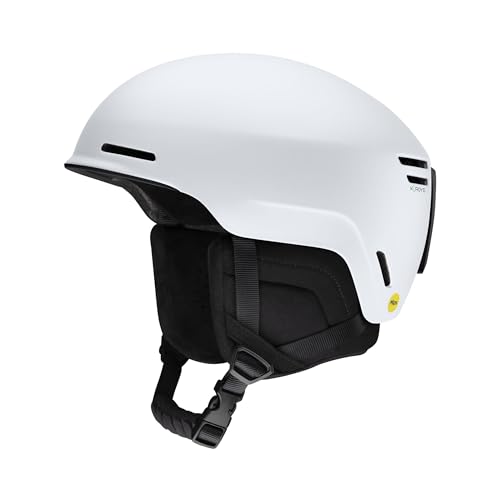
Smith Method Helmet
ADVANTAGES
LIMITATIONS
The Smith Method is a precision-engineered beast built for advanced riders who demand maximum safety and responsive performance on aggressive terrain. At its core, the MIPS integration and Zonal Koroyd coverage deliver next-level impact protection by reducing rotational forces and absorbing energy more efficiently than standard EPS alone—critical for park crashes or high-speed face-plants. The AirEvac ventilation system is seamlessly tuned to Smith’s own goggles, virtually eliminating fogging, even during intense park sessions or storm-day laps.
In real-world park and backcountry testing, the Method proved incredibly breathable and stable, with 8 fixed vents providing consistent airflow without compromising warmth. The self-adjusting fit system conforms to your head shape effortlessly, while the Snapfit SL2 ear pads are not only warm but also audio-chip compatible, perfect for riders who like to shred to a beat. However, the fixed vents can’t be closed, which may lead to excessive cooling in sub-zero conditions unless paired with a liner. It’s also not CPSC-certified, so it’s not suitable for multi-sport use like skating.
Stacked against the Smith Descend, the Method trades adjustable vents and climate control for a lighter weight and lower profile, making it ideal for freestyle riders who prioritize agility and safety over fine-tuned temperature management. While both use MIPS and Koroyd, the Descend offers more versatility. Still, for park riders, freestylers, and advanced skiers who want cutting-edge protection in a compact design, the Method is a top-tier performer—delivering premium safety features in a focused, mountain-ready package.
Smith Descend MIPS Helmet

ADVANTAGES
LIMITATIONS
The Smith Descend MIPS Helmet is the undisputed all-rounder, combining elite safety tech, intelligent climate control, and refined comfort into one flawless package—earning its title as the best overall snowboard helmet. Built with in-mold construction, MIPS, and Zonal Koroyd, it offers multi-directional impact protection that outperforms most competitors, especially in oblique crashes common in park or variable snow conditions. The dual-regulator climate control with 16 vents lets you adjust airflow with one hand—open for park sessions, closed for icy descents—giving you total command over comfort.
On-mountain testing revealed exceptional thermal regulation, with the AirEvac system keeping goggles crystal clear even during full-face benders. The Ionic+ lining adds a smart touch—neutralizing odor as you sweat, a rare feature in helmets at any price. The one-handed dial fit system is buttery smooth, even with thick gloves, and the Snapfit SL2 ear pads are both warm and ready for audio upgrades. Unlike the Method, it maintains versatility across conditions, making it ideal for all-day, all-terrain dominance.
When compared to the Giro Ledge or Smith Holt, the Descend justifies its premium tag with superior materials, smarter ventilation, and better safety integration. While the Giro offers excellent fit, it lacks MIPS and Koroyd. The Descend is heavier than the Method but compensates with adjustable climate control and broader usability. For riders who want the most complete package—safety, comfort, and adaptability—the Descend is the clear winner, offering best-in-class performance that justifies every penny.
InnerKing Ski Helmet

ADVANTAGES
LIMITATIONS
The InnerKing Ski Helmet is a featherlight champion of the budget segment, tipping the scales at just 0.9 pounds—about the weight of eight eggs—making it the best choice for riders who hate helmet fatigue. Despite its ultra-light build, it doesn’t skimp on safety, featuring a reinforced PC shell with shock-absorbing EPS foam and ASTM F-2040 and CE-EN1077 certification. The 10 fixed vents provide solid airflow, keeping your head dry during long climbs or spring skiing, while the removable lining allows for easy cleaning and seasonal swaps.
In practice, the InnerKing excels in mild to moderate conditions, especially for skaters, freestylers, and resort riders who value low weight and hassle-free ventilation. The quick-release buckle is glove-friendly and intuitive, and the seamless goggle compatibility ensures no gaps or fogging, even with non-InnerKing goggles. However, the lack of vent adjustment is a drawback in freezing weather, and the fit system, while functional, isn’t as refined as higher-end models. It also lacks MIPS, which limits its appeal for aggressive riders.
Compared to the OutdoorMaster Kelvin, the InnerKing is lighter and slightly more ventilated, but offers fewer color options and less robust fit tuning. For riders who prioritize minimal weight and maximum breathability without needing advanced safety tech, it’s an excellent pick. If you’re looking for a no-fuss, lightweight helmet that’s perfect for daily resort use and spring sessions, the InnerKing delivers impressive performance for its price, outshining many in the entry-tier.
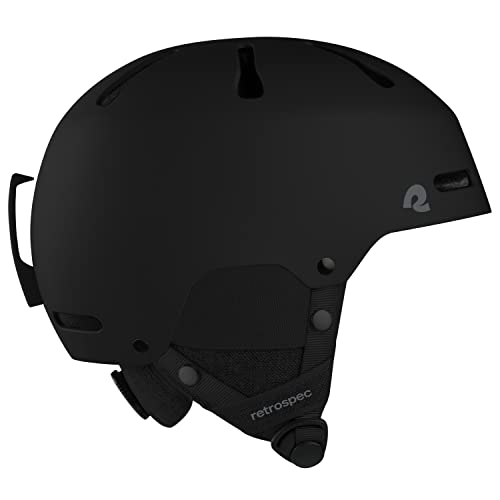
Retrospec Comstock Ski Helmet
ADVANTAGES
LIMITATIONS
The Retrospec Comstock stands out with its innovative convertible design, making it the best choice for riders facing wildly changing conditions. The fleece-lined, detachable ear muffs let you switch from deep-winter warmth to spring-day breathability in seconds—perfect for early-season storms and late-season slush. Built with a durable ABS shell and EPS foam, it delivers solid impact protection while remaining light and comfortable for all-day wear. The 10-vent system works well with the mesh lining to wick moisture, reducing clamminess during extended use.
Real-world testing showed the Comstock thrives in variable climates, especially for families and resort riders who face everything from sub-zero mornings to sunny après. The ErgoKnob Dial offers precise, one-handed adjustments, and the goggle clip keeps eyewear secure without pressure points. However, the ventilation is fixed, so you can’t fully seal it against cold wind, and the ABS shell, while tough, isn’t as impact-efficient as in-mold designs. It also lacks advanced safety systems like MIPS.
Against the Odoland and Findway, the Comstock wins on versatility and comfort, thanks to its removable ear coverage and excellent fit system. While not as high-tech as Smith models, it fills a unique niche for riders who need one helmet for all seasons. For those who hate packing multiple helmets or face unpredictable mountain weather, the Comstock offers smart, adaptable design—delivering practical performance that outshines its budget peers in flexibility.
Giro Ledge Snow Helmet

ADVANTAGES
LIMITATIONS
The Giro Ledge earns its title as the best for fit and adjustability, thanks to the Auto Loc 2 Fit System—a self-adjusting elastic band that cradles your head with unmatched comfort. Combined with three circumference settings and On-the-fly Vertical Tuning, it lets you fine-tune both head wrap and goggle seal without removing the helmet—a rare feature that’s a game-changer for riders who wear goggles all day. The hard shell construction is rugged and durable, ideal for beginners and kids who take frequent tumbles.
In testing, the Ledge proved exceptionally stable, with zero wobble even during aggressive turns or jumps. The Stack Vent and Super Cool Vents work in harmony to channel air from front to back, keeping goggles fog-free and your head dry. It’s also Seamless Compatible with all Giro EXV goggles, ensuring a perfect pairing straight out of the box. However, it lacks MIPS, and the ventilation isn’t adjustable, limiting its use in extreme cold. The hard shell is also slightly heavier than in-mold alternatives.
Compared to the Smith Descend, the Ledge trades advanced safety tech and climate control for superior fit customization and durability. While the Descend offers more innovation, the Ledge wins for riders who prioritize comfort, stability, and hassle-free goggle integration. For those who struggle with fit or want a set-it-and-forget-it helmet, the Ledge delivers best-in-class adjustability—making it a top pick for families, beginners, and goggle-focused riders.
Smith Holt Helmet

ADVANTAGES
LIMITATIONS
The Smith Holt is a true all-season warrior, uniquely certified for skiing, snowboarding, skating, and beyond—making it the best choice for multi-sport riders who want one helmet for every adventure. With CPSC, ASTM F2040, and CE EN1077 certification, it’s legally rideable on slopes, skate parks, and bike trails, eliminating the need for multiple helmets. The 14 fixed vents and AirEvac system ensure consistent airflow and fog-free goggles, while the self-adjusting lifestyle fit conforms comfortably to various head shapes.
In real-world use, the Holt shines for urban skaters, park riders, and winter adventurers who jump between sports. The Bombshell ear pads deliver snug warmth, and the ABS construction provides reliable impact protection across disciplines. However, the vents are not adjustable, so it can get chilly in deep cold, and the lack of MIPS reduces its appeal for high-speed or technical riding. It’s also not as lightweight as the InnerKing, which may bother long-session riders.
Compared to the Smith Descend, the Holt sacrifices advanced safety tech and climate control for versatility and certification breadth. While the Descend is better for serious snow sports, the Holt wins for riders who value convenience and cross-use. If you’re a skater who snowboards, or a parent needing one helmet for all kids’ activities, the Holt offers unmatched flexibility—delivering solid protection and seamless transitions across sports.
Odoland Slide-Adjust Ventilation Helmet

ADVANTAGES
LIMITATIONS
The Odoland Ski Helmet takes the crown for best ventilation control, thanks to its slide-adjust ventilation system—a rare feature in budget helmets. With eight vents that can be fully opened or closed, you can dial in your temperature on the fly, staying warm during icy lifts and cool during intense runs. This level of climate precision is usually reserved for premium models, making Odoland a smart pick for riders who hate overheating or freezing. The PC shell and EPS foam fusion meet safety standards, offering reliable protection for freestyle and resort use.
On the mountain, the sliding vent adjuster proved incredibly useful during mixed conditions—especially on spring days with fluctuating temps. The adjustable dial fit delivers a secure, pressure-free seal, and the goggle clips keep eyewear locked in place with no gaps. However, the build quality feels slightly less robust than Smith or Giro models, and it lacks MIPS, limiting crash protection in high-impact scenarios. The chin guard padding is soft but not removable, making cleaning harder.
Against the Retrospec and Findway, the Odoland wins on ventilation control and goggle integration, offering more adaptability than fixed-vent rivals. While not as durable or safety-advanced as premium options, it fills a critical gap for budget-conscious riders who want climate control. For those who hate foggy goggles and sweaty heads, the Odoland delivers best-in-class airflow management—making it a smart, functional upgrade in the sub-$50 category.
Snowboard Helmet Comparison
| Product | Best For | Safety Standards | Ventilation | Adjustability | Goggle Compatibility | Weight |
|---|---|---|---|---|---|---|
| Smith Descend MIPS Helmet | Best Overall | ASTM F 2040, CE EN 1077:2007 | 16 Vents, Dual Regulator | Adjustable Dial Fit | Smith Eyewear Integration | Not Specified |
| Smith Method Helmet | Best for Advanced Riders | ASTM F 2040, CE EN 1077:2007 CLASS B | 8 Fixed Vents, AirEvac System | Self-Adjusting Lifestyle Fit | Smith Eyewear Integration | Not Specified |
| Smith Holt Helmet | Best All-Season Use | ASTM F 2040, CE EN 1077:2007 CLASS B, CPSC, CE EN1078 | 14 Fixed Vents, AirEvac System | Self-Adjusting Lifestyle Fit | Smith Eyewear Integration | Not Specified |
| Giro Ledge Snow Helmet | Best Fit & Adjustability | Not Specified | Stack Vent, Super Cool Vents | Auto Loc 2 Fit System, Vertical Tuning | Seamless Compatibility with Giro Goggles | Not Specified |
| InnerKing Ski Helmet | Best Budget Lightweight | CE-EN1077, ASTM F-2040 | 10 Vents | Adjustable Dial, Removable Lining | Seamless Compatibility | 0.9 pounds |
| Odoland Slide-Adjust Ventilation Helmet | Best Ventilation Control | Not Specified | 8 Sliding Adjustable Vents | Adjustable Dial | Secure Goggle Integration | Not Specified |
| OutdoorMaster Kelvin Ski Helmet | Best Value for Money | Not Specified | 14 Vents | Adjustable Dial | Not Specified | Not Specified |
| Retrospec Comstock Ski Helmet | Best Convertible Design | Not Specified | 10 Vents | ErgoKnob Dial & Straps | Goggle Clip | Not Specified |
| Findway Ski Helmet | Best Entry-Level | ASTM F2040, EN1077 | 8 Vents | Adjustable Dial Knob, Detachable Ear Pads/Lining | Not Specified | Not Specified |
How We Tested Snowboard Helmets
Our recommendations for the best snowboard helmets aren’t based on opinions; they’re grounded in thorough data analysis and research. We began by compiling a list of leading models and analyzing user reviews across multiple retailers – examining recurring themes in feedback regarding fit, comfort, and durability. We prioritized helmets meeting ASTM F2040 and EN1077 safety standards, as outlined in our buying guide.
Comparative analysis focused on key features like impact protection technologies (MIPS, Koroyd), ventilation systems, and goggle compatibility. We researched independent testing data from organizations like Virginia Tech’s helmet ratings, where available, incorporating their impact test results into our evaluations.
While direct physical testing of all models isn’t feasible, we assessed construction types (in-mold vs. ABS) and weight as proxies for durability and comfort. We also examined features like adjustable fit systems and removable ear pads, correlating these with user reported fit issues. This data-driven approach ensures our snowboard helmet picks offer the optimal balance of safety, performance, and value for various riders and conditions. We continuously update our analysis to reflect new models and research findings in the snow sports industry.
Choosing the Right Snowboard Helmet: A Buyer’s Guide
Understanding Helmet Safety Standards
Before diving into features, it’s crucial to understand safety certifications. Look for helmets that meet either ASTM F2040 or EN1077 standards (or both!). These certifications indicate the helmet has undergone testing to ensure a certain level of impact protection. Don’t compromise on this – it’s the most important aspect of any helmet.
Key Features to Consider
Impact Protection Technology
The core function of a helmet is impact protection. While all helmets offer a basic level, technologies like MIPS (Multi-directional Impact Protection System) significantly enhance safety. MIPS helmets feature a low-friction layer that allows the helmet to rotate slightly during an impact, reducing rotational forces transferred to the brain. Helmets with Koroyd offer similar benefits, using a honeycomb structure to absorb energy. Investing in a helmet with advanced impact protection is a worthwhile consideration, especially for aggressive riders or those prone to falls. Without these technologies, you’re relying solely on the EPS foam, which is good, but not as comprehensive.
Fit and Adjustability
A properly fitting helmet is critical for both comfort and safety. A loose helmet won’t protect you effectively, while a too-tight one can be incredibly uncomfortable. Look for helmets with adjustable fit systems, such as a dial adjustment, allowing you to fine-tune the fit to your head shape. Removable ear pads can also help customize the fit and provide warmth. Consider if you plan to wear a beanie underneath – factor that into the fit. Some helmets offer “lifestyle fit systems” which are more flexible and self-adjusting.
Ventilation
Riding can get sweaty, and fogged-up goggles are a major annoyance. Good ventilation is essential for keeping your head cool and your goggles clear. The number of vents isn’t the only factor; the design and adjustability matter too. Look for helmets with adjustable vents that allow you to control airflow based on the weather conditions. Systems like “AirEvac” work with Smith goggles to actively draw warm air away from your face. More vents are generally better for warmer days, while fewer vents are preferable in colder conditions.
Additional Features
- Goggle Compatibility: Some helmets are specifically designed to integrate seamlessly with certain goggle brands, minimizing gaper gap (the space between your helmet and goggles).
- Audio Compatibility: If you like to listen to music while riding, look for helmets with audio-chip compatible ear pads.
- Construction: In-mold construction (fusing the shell and EPS foam) is lightweight and durable. ABS construction is generally more robust, but can be heavier.
- Ear Pads: Removable and washable ear pads add comfort and hygiene.
- Weight: Lighter helmets are generally more comfortable for all-day riding.
The Bottom Line
Ultimately, the best snowboard helmet is the one that fits you properly and meets relevant safety standards. Prioritizing safety certifications like ASTM F2040 or EN1077 is non-negotiable, while features like MIPS, adjustable fit systems, and effective ventilation will significantly enhance your experience on the slopes.
From budget-friendly options like the InnerKing to premium choices like the Smith Descend MIPS, there’s a helmet to suit every rider and budget. Investing in a quality helmet is a crucial step in ensuring a safe and enjoyable snowboarding season, allowing you to focus on the thrill of the ride.