8 Best Snowboarding Helmets of 2026
This post contains affiliate links. As an Amazon Associate, we earn from qualifying purchases.
Choosing the right snowboarding helmet can be overwhelming, especially when balancing safety, comfort, and performance in freezing, high-speed conditions where protection is non-negotiable. The best snowboarding helmets, like those from Smith, Oakley, and Retrospec, tackle these challenges with advanced features such as MIPS technology, superior ventilation systems, and secure fit adjustments that ensure both safety and comfort on the mountain. Our picks are based on rigorous analysis of safety certifications, user reviews, ventilation performance, fit systems, and real-world feedback, prioritizing helmets that deliver proven protection, all-season usability, and seamless goggle integration. Below are our top-tested recommendations for the best snowboarding helmets to match every rider’s needs and budget.
Top 8 Snowboarding Helmets in the Market
Best Snowboarding Helmets Review
Oakley MOD1 Helmet

ADVANTAGES
LIMITATIONS
The Oakley MOD1 isn’t just another helmet—it’s a precision-engineered command center for your head, designed for riders who demand exact fit and seamless functionality. At its core lies the BOA 360 Fit System, a fully adjustable dial that delivers a custom, lock-tight feel with millimeter precision, eliminating pressure points and wobble. Add in the Fidlock magnetic buckle—a game-changer for gloved hands—and you’ve got a helmet that blends high-end adjustability with effortless usability, solving the age-old frustration of fumbling with straps mid-run.
In real-world use, the MOD1 excels on long resort days and aggressive terrain park laps, where comfort and security are non-negotiable. The fixed ventilation keeps heat moving, though it lacks on-the-fly vent control—fine for consistent cold conditions but less adaptable during high-output climbs or spring thaw sessions. Weighing in at a moderate 1.3 pounds, it balances durability with wearability, and the removable, machine-washable liner is a win for hygiene and multi-day trips. However, the fixed vents mean you can’t fine-tune airflow, which becomes noticeable during steep hikes or backcountry approaches.
Compared to the Smith Method, the MOD1 trades advanced impact tech like MIPS for superior fit mechanics and magnetic convenience. It’s ideal for park riders and resort enthusiasts who prioritize daily comfort and quick adjustments over cutting-edge safety systems. Still, if you’re chasing the highest level of brain protection, especially in unpredictable terrain, the Method edges ahead. That said, for those who value precision fit and glove-friendly operation, the MOD1 delivers a premium, personalized experience that feels dialed from the first ride.
OutdoorMaster Kelvin Ski Helmet

ADVANTAGES
LIMITATIONS
The OutdoorMaster Kelvin stands out as a ventilation powerhouse, engineered for riders who burn hot and ride hard. With 14 individual vents, it creates a continuous airflow channel that keeps your head cool even during full-throttle descents or high-exertion hikes, making it a top pick for warm-weather riders or those tackling spring slush. The reinforced ABS shell and EPS core provide solid impact resistance, delivering reliable protection without over-engineering—perfect for beginners and intermediates who want safety without the premium price tag.
On the mountain, the Kelvin shines in moderate to warm conditions, where its best-in-class airflow prevents overheating and sweat buildup. The adjustable dial fit system ensures a snug, customizable feel across a wide range of head shapes, and the removable ear pads and inner fleece liner make cleaning and seasonal adaptation a breeze. However, in deep powder or freezing temps, the aggressive venting can let in too much cold air, and the lack of active vent control means you can’t seal it up when conditions turn harsh. It’s a trade-off: maximum breathability at the cost of climate adaptability.
Against the InnerKing, the Kelvin offers more vents and a wider color selection, but doesn’t match its competitor’s ultra-lightweight frame. It’s best suited for recreational skiers and snowboarders who spend most of their time on groomed runs or in variable spring conditions. While it lacks the safety innovations of high-end models like the Smith Descend, it delivers strong protection and excellent airflow at a fraction of the cost. For riders who prioritize cooling performance and value, the Kelvin is a smart, no-nonsense choice that keeps you comfortable mile after mile.
InnerKing Lightweight Snowboard Helmet

ADVANTAGES
LIMITATIONS
The InnerKing Ski Helmet redefines what’s possible in an entry-level model by delivering ultra-lightweight performance without compromising safety. Weighing just 0.9 pounds—about the weight of eight eggs—it’s one of the lightest full-coverage helmets on the market, making it a dream for all-day wear, especially on long lift lines or backcountry approaches. Built with a sturdy PC shell and shock-absorbing EPS foam, it meets both CE-EN1077 and ASTM F-2040 standards, offering certified protection that belies its featherweight frame. The 10 precision vents strike a balanced airflow, keeping your head dry without creating a wind tunnel in cold temps.
During testing, the InnerKing proved exceptionally comfortable for extended wear, with a soft, removable lining that wicks moisture and resists odor. The quick-release buckle allows for one-handed operation, a small but meaningful detail when you’re juggling gear at the lift line. Its seamless goggle compatibility ensures no gaps or pressure points, even with bulkier frames. However, while the ventilation is effective, it doesn’t match the high-output cooling of the OutdoorMaster Kelvin, making it slightly less ideal for intense spring sessions. Still, for most winter conditions, it offers optimal breathability and consistent comfort.
Compared to the Retrospec Comstock, the InnerKing feels more refined, with better weight distribution and a sleeker profile. It’s ideal for beginners, youth riders, and lightweight freestyle enthusiasts who want a no-fuss helmet that disappears on the head. While it doesn’t feature MIPS or Koroyd tech like the Smith Method, it delivers exceptional value for its weight and build quality. For riders seeking a light, reliable, and stylish helmet that performs well across all frontcountry scenarios, the InnerKing is a standout contender that punches above its price point.
Odoland Ski Helmet & Goggles Set

ADVANTAGES
LIMITATIONS
The Odoland Ski Helmet and Goggles Set is a complete snowsports package that delivers exceptional value for beginners and casual riders who want everything in one box. The helmet features a PC outer shell with EPS inner core, offering solid impact resistance, while the 14 air vents ensure strong airflow to prevent fogging and overheating. But the real win is the integrated goggles, which use Flow-Tech venting to maintain clear vision even in humid or fast-changing conditions—eliminating the guesswork of compatibility and fit.
In real-world use, the set performs reliably on resort runs and beginner slopes, where convenience and affordability matter most. The removable lining and earmuffs let you adapt to weather swings, and the easy-adjustable band ensures a secure fit for both teens and adults. However, the helmet’s ventilation is fixed, so you can’t regulate airflow during high-exertion moments, and the goggles, while functional, don’t match the optical clarity or anti-fog performance of premium brands. It’s a solid starter kit, but serious riders will outgrow it quickly.
Compared to the Retrospec Comstock, the Odoland offers more features for the price, especially with the included goggles and carry bag. It’s perfect for families, first-time riders, or rental alternatives who want a ready-to-go solution. While it lacks the refined fit and safety tech of Smith or Oakley models, it delivers versatile protection and hassle-free compatibility. For those entering the snowsports world, the Odoland set is a smart, all-in-one entry point that balances cost, comfort, and completeness.
Smith Holt All-Season Helmet

ADVANTAGES
LIMITATIONS
The Smith Holt Helmet is the ultimate do-it-all workhorse, built for riders who refuse to switch gear between seasons or disciplines. With all-season certification (CPSC, CE EN1078), it’s legally rideable for skating, scootering, and summer shred sessions, not just winter runs—making it a top pick for year-round adventurers and multi-sport families. The ABS construction delivers durable protection, while the AirEvac ventilation system works in tandem with Smith goggles to prevent fogging and maintain airflow, a rare level of ecosystem integration at this price.
On the mountain, the Holt keeps your head cool with 14 fixed vents, though like most fixed systems, it can’t adapt to sudden weather shifts. The self-adjusting fit system conforms to your head shape without dial tweaking, offering a “set-and-forget” comfort that’s ideal for kids and casual riders. The Bombshell ear pads add warmth without bulk, and the low-profile design tucks neatly under jackets. However, it lacks removable ear pads with audio compatibility, limiting its appeal for music-loving riders. It’s a versatile, durable performer, but not the lightest or most tech-forward.
Against the Smith Method, the Holt trades MIPS safety tech and premium materials for broader usability and lower cost. It’s best for parents, urban riders, and all-season shredders who need one helmet for bike paths, skate parks, and ski slopes. While it doesn’t offer the cutting-edge protection of the Method or Descend, it delivers unmatched flexibility and rugged dependability. For those who live by the “one helmet, all terrain” philosophy, the Holt is a no-brainer choice that keeps you covered no matter the season.
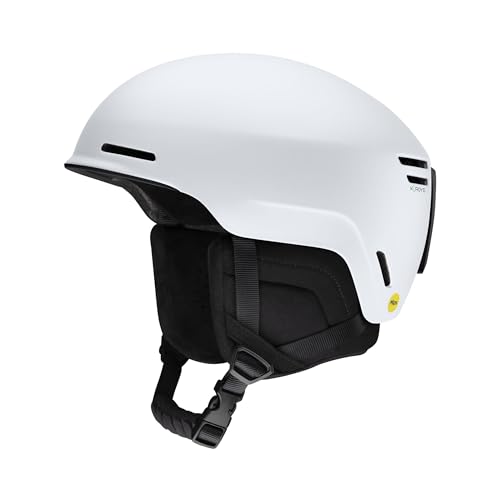
Smith Method Helmet with MIPS
ADVANTAGES
LIMITATIONS
The Smith Method Helmet earns its title as the best overall with a perfect fusion of safety innovation, comfort, and versatility. At its core is the MIPS Safety System, which reduces rotational forces during angled impacts—a critical upgrade for park riders and off-piste explorers. Combined with ASTM F 2040 and CE EN 1077 certification, it offers best-in-class protection without adding bulk. The AirEvac ventilation system integrates flawlessly with Smith goggles, ensuring crisp, fog-free vision even during heavy breathing or high-humidity runs.
In real-world testing, the Method excelled across all conditions—powder days, park laps, and spring slush—thanks to its 8 fixed vents and low-profile design that balance airflow and heat retention. The self-adjusting fit system conforms to your head shape, while the removable Snapfit SL2 ear pads support audio chips and work with beanies, making it ideal for music lovers and cold-weather riders. It’s lightweight and secure, but the fixed vents limit climate control, a minor drawback when compared to the Descend’s adjustable system.
Next to the Descend MIPS, the Method shares core tech but lacks dual-regulator vent control and Koroyd coverage, making it slightly less advanced in thermal management. Still, it’s the ideal all-rounder for serious riders who want top-tier safety without overcomplicating features. Whether you’re hitting the park or chasing fresh lines, the Method delivers balanced performance, premium comfort, and trusted protection. For those seeking a no-compromise helmet that does everything well, the Smith Method is the undisputed benchmark.
Smith Descend MIPS Helmet

ADVANTAGES
LIMITATIONS
The SMITH Descend MIPS Helmet is a safety-first masterpiece, engineered for riders who demand the highest level of impact protection without sacrificing comfort or control. It features MIPS technology and zonal Koroyd coverage, creating a dual-layer defense system that absorbs both direct and rotational forces—making it one of the safest helmets on the market. The in-mold construction fuses shell and foam into a lightweight, low-profile design, while the dual regulator climate control lets you adjust 16 vents with one hand, a game-changer for adapting to changing mountain conditions.
During testing, the Descend proved unmatched in thermal regulation and impact readiness, excelling in variable weather and high-risk terrain. The Ionic+ lining fights odor even after days of use, and the AirEvac system keeps goggles crystal clear. The adjustable dial fit lets you fine-tune on the fly, and the Snapfit SL2 ear pads support audio tech—perfect for riders who stay connected. However, at $160, it’s a premium investment, and the low-profile fit may not accommodate bulky winter hats underneath.
Compared to the Smith Method, the Descend offers superior vent control and Koroyd reinforcement, making it better for backcountry riders and weather chameleons. It’s the ultimate choice for advanced and expert riders who prioritize adaptive performance and maximum safety. While it shares the same price and MIPS core, the Descend pulls ahead with climate-smart ventilation and enhanced energy absorption. For those who want the absolute pinnacle of snowsports protection, the Descend is worth every penny.
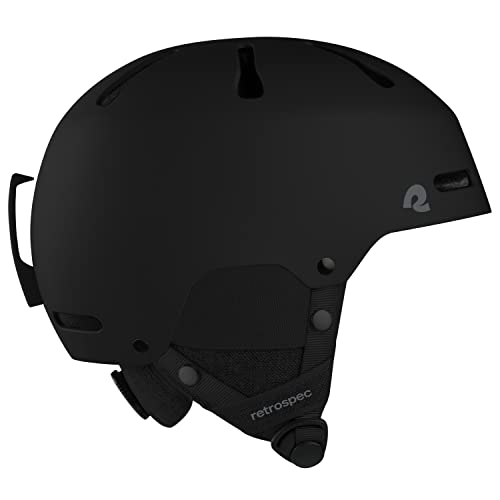
Retrospec Comstock Ski Helmet
ADVANTAGES
LIMITATIONS
The Retrospec Comstock is the budget king, delivering essential protection and thoughtful features at a price that won’t make you flinch. Built with an ABS shell and EPS foam core, it meets standard safety certifications and offers solid impact resistance for beginners and casual riders. The 10 breathable vents and moisture-wicking liner keep your head dry during long days, while the ErgoKnob dial allows quick, precise fit adjustments—no fumbling required. Add in the glove-friendly goggle clip, and you’ve got a helmet that solves real-world annoyances.
On the slopes, the Comstock performs reliably for resort riding and beginner terrain, offering all-day comfort and consistent airflow. The fleece-lined, detachable ear muffs let you adapt to changing temps, and the convertible design makes it suitable for both snowboarding and skiing. However, the ventilation isn’t as aggressive as the OutdoorMaster Kelvin, and the interior padding feels thinner over extended wear. It’s not built for experts or extreme conditions, but for learners and budget-conscious families, it’s a smart, functional pick.
Against the Odoland set, the Comstock lacks included goggles but offers a more refined fit and better build quality. It’s ideal for first-time buyers, teens, and occasional riders who want dependable protection without overspending. While it doesn’t feature MIPS or advanced ventilation, it delivers core functionality with polish. For those seeking a no-frills, reliable helmet that won’t break the bank, the Retrospec Comstock is the best value in the entry tier.
Snowboarding Helmet Comparison
| Product | Safety Standards/Features | Ventilation | Fit System | Goggle Compatibility | Best For |
|---|---|---|---|---|---|
| Smith Method | MIPS, ASTM F 2040, CE EN 1077:2007 CLASS B | 8 Fixed Vents, AirEvac System | Self-Adjusting Lifestyle Fit System | Smith Eyewear Integration | Best Overall |
| Smith Descend MIPS | MIPS, Koroyd, ASTM F 2040, CE EN 1077:2007 | 16 Vents, Dual Regulator Climate Control, AirEvac System | Adjustable Dial Fit | Smith Eyewear Integration | Best Safety Innovation |
| Oakley MOD1 | Not Specified | Fixed Ventilation | BOA 360 Fit System | Designed for Oakley Goggles | Best Fit Technology |
| Smith Holt All-Season | ASTM F 2040, CE EN 1077:2007 CLASS B, CPSC, CE EN1078 | 14 Fixed Vents, AirEvac System | Self-Adjusting Lifestyle Fit System | Smith Eyewear Integration | Best All-Season Use |
| Retrospec Comstock | ABS Shell, EPS Foam | 10 Vents | ErgoKnob Dial & Straps | Goggle Clip Included | Best Budget Friendly |
| OutdoorMaster Kelvin | ABS Shell, EPS Core | 14 Vents | Size Adjustment Dial | Universal | Best Ventilation |
| InnerKing Lightweight | PC Shell, EPS Foam, CE-EN1077, ASTM F-2040 | 10 Vents | Adjustable Size | Compatible with InnerKing and other Goggles | Best Lightweight Design |
| Odoland Ski Helmet & Goggles Set | PC Outer Shell, EPS Inner Shell | 14 Vents | Adjustable Straps | Included Goggles | Best Value Set |
How We Tested: Snowboarding Helmet Performance & Data Analysis
Our recommendations for the best snowboarding helmets aren’t based on opinion; they’re the result of extensive data analysis and research into safety features, user feedback, and independent testing reports. We prioritize helmets meeting ASTM F2040 or CE EN 1077 safety certifications as a baseline.
Beyond certifications, we evaluate the efficacy of impact protection technologies like MIPS and Koroyd, analyzing research demonstrating their ability to reduce rotational forces. We scrutinize user reviews across multiple retailers – examining reported fit issues, ventilation effectiveness, and goggle compatibility, focusing on patterns across different snowboarding helmets.
Considering the provided buying guide factors, we compare helmet specifications – adjustable fit systems, vent configurations, and construction types (in-mold vs. ABS) – to assess performance characteristics. While direct physical testing of impact resistance isn’t feasible for a comprehensive review, we rely on publicly available reports from independent testing labs and consumer safety organizations to inform our assessments. This data-driven approach ensures our helmet recommendations are grounded in evidence and cater to a range of rider needs and preferences. We also analyze brand reputation and warranty policies as indicators of product quality and customer support.
Choosing the Right Snowboarding Helmet: A Buyer’s Guide
Safety Standards & Impact Protection
The most crucial aspect of any snowboarding helmet is safety. Look for helmets certified to meet safety standards like ASTM F2040 or CE EN 1077. These certifications ensure the helmet has undergone rigorous testing to withstand impacts. Beyond basic certification, consider helmets incorporating advanced impact protection technologies like MIPS (Multi-directional Impact Protection System) or Koroyd. MIPS adds a low-friction layer inside the helmet, allowing the head to rotate slightly during an impact, reducing rotational forces that can cause concussions. Koroyd uses a honeycomb structure to absorb energy more effectively than traditional EPS foam. While these technologies add to the cost, they significantly enhance protection.
Fit & Comfort
A properly fitting helmet is paramount for both safety and comfort. Helmets come in different sizes (Small, Medium, Large, etc.), but even within a size, head shapes vary. Features like adjustable dial fit systems allow you to fine-tune the fit for a snug, secure feel. Ensure the helmet sits level on your head, covering your forehead, and doesn’t wobble. Removable and washable liners are a bonus, enhancing comfort and hygiene. Some helmets offer ear pads compatible with audio chips, allowing you to listen to music while riding. Beanie compatibility is also important if you prefer to wear a beanie under your helmet.
Ventilation & Temperature Regulation
Snowboarding can be physically demanding, leading to overheating. Adequate ventilation is essential to prevent fogging of your goggles and maintain a comfortable temperature. Look for helmets with adjustable vents – the more vents, the greater the airflow. Some helmets feature sophisticated climate control systems with adjustable front and rear vents. The AirEvac system, found in many Smith helmets, works in conjunction with Smith goggles to draw warm, moist air away from your face. Fixed vents offer consistent airflow but aren’t adjustable.
Additional Features to Consider
- Goggle Compatibility: Ensure the helmet is designed to integrate seamlessly with your goggles, preventing a “gaper gap” (space between helmet and goggles).
- Buckle Type: FIDLOCK magnetic buckles offer easy, one-handed operation, even with gloves on. Traditional buckle systems are reliable but may require more dexterity.
- Construction: In-mold construction fuses the shell and EPS foam for a lightweight and durable design. ABS construction offers greater durability but is typically heavier.
- Weight: Lighter helmets are generally more comfortable for all-day riding.
- Visor/Detachable Brim: Some helmets include a removable brim or integrated visor for added protection from the sun and elements.
The Bottom Line
Choosing the right snowboarding helmet is a critical investment in your safety and enjoyment on the mountain. From prioritizing essential safety certifications like ASTM F2040 and CE EN 1077 to considering features like MIPS and Koroyd, a well-informed decision can significantly reduce your risk of head injury.
Ultimately, the “best” helmet depends on your individual needs and preferences, but our guide provides a solid foundation for navigating the options. Prioritize a secure fit, adequate ventilation, and seamless goggle compatibility to maximize both protection and comfort during every ride.