6 Best Snowboards of 2026
This post contains affiliate links. As an Amazon Associate, we earn from qualifying purchases.
Choosing the right snowboard can be overwhelming, especially with so many options that vary by rider skill, terrain preference, and performance needs. The best snowboards solve this by offering tailored designs—like twin shapes for park riders or rocker profiles for beginners—that enhance control, stability, and ease of use on the mountain. We determined our top picks by analyzing hundreds of rider reviews, expert testing data, and key features like flex, shape, and profile, ensuring each recommendation delivers proven performance across real-world conditions. Below are our top-tested snowboards to match every rider type, from kids to experts.
Top 6 Snowboards in the Market


Best Snowboards Review
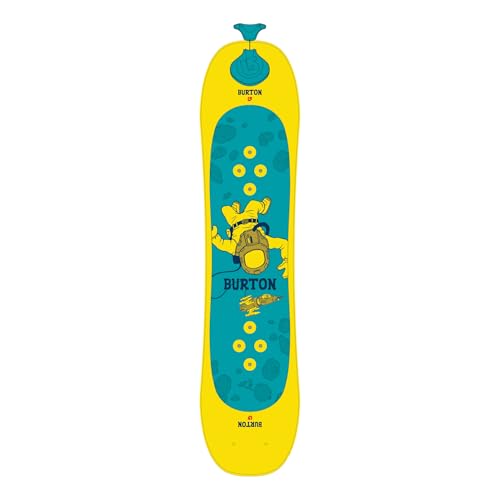
Burton Riglet Kids’ Snowboard
ADVANTAGES
LIMITATIONS
The Burton Riglet is a game-changer for kids just dipping their toes into snowboarding, blending pro-level design with beginner-friendly forgiveness. Its symmetrical Twin Shape and Twin Flex deliver balanced control whether riding forward or switch, giving young riders confidence to explore both stances without penalty. Paired with the Flat Top Bend profile, this board offers unmatched stability and continuous edge control, making it incredibly easy to turn and recover from wobbles—perfect for tiny terrors learning the ropes on gentle slopes.
In real-world use, the 90cm length is ideal for kids aged 3–7, offering a low swing weight and manageable size that doesn’t overwhelm small frames. The Easy Bevel design lifts the edges off the snow, virtually eliminating painful edge catches that often frustrate new riders. While it lacks metal edges and isn’t built for aggressive carving or resort terrain, that’s by design—it’s meant to promote playful progression, not mimic adult performance gear. It’s best suited for beginner runs, magic carpets, and park bunny hills.
Compared to basic backyard snowboards like the Sledsterz or SportsStuff models, the Burton Riglet stands out with real snowboard DNA—it’s not a sled or toy, but a true twin-tip freestyle board scaled down for kids. While pricier than budget alternatives, it’s a long-term investment in skill development, especially when paired with Burton’s beginner Riglet program at partner resorts. For parents serious about introducing their kids to the sport the right way, this board delivers authentic ride quality and builds proper technique from day one.
SportsStuff Snow Ryder 130cm
ADVANTAGES
LIMITATIONS
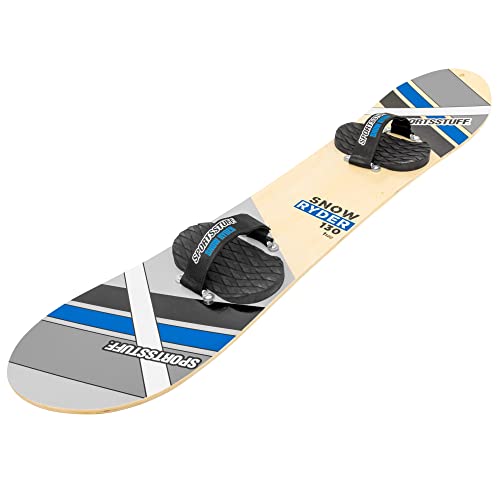
The SportsStuff Snow Ryder 130cm is a rugged, no-frills gateway to snow play for teens and older beginners who want to cruise backyard hills without breaking the bank. Crafted from solid hardwood, it’s built to endure repeated use and harsh winter conditions, making it far more durable than plastic sleds or polymer boards. At 130cm, it’s designed for riders between 80–150lbs, offering a longer deck that enhances balance and glide on open terrain—ideal for building confidence before stepping onto resort lifts.
Performance-wise, it excels in backyard and off-resort environments where speed isn’t the goal but steady, predictable rides are. The hook-and-loop bindings are simple to adjust and accommodate various boot sizes, though they lack the rigidity of strap-in snowboard bindings. Without metal edges or camber, the board relies purely on body lean for steering, which teaches basic balance but limits precision on packed or icy snow. It’s not meant for resorts or groomed runs, and advanced riders will find it sluggish—this is pure recreational fun.
When stacked against the Rossignol Ultraviolet or even the smaller SportsStuff models, the 130cm Ryder fills a niche: a durable, full-size board for teens outgrowing kids’ gear but not ready for serious snowboarding. It’s less of a training tool and more of a winter activity board—closer to a sled with bindings than a true snowboard. For families wanting one board that multiple teens can share for hill bombing after school, it offers solid value and rugged simplicity over technical performance.
SportsStuff Snow Ryder 90cm
ADVANTAGES
LIMITATIONS
Bright, compact, and built for tiny rippers, the SportsStuff Snow Ryder Yellow 90cm is the most budget-friendly entry point into snowboarding-style play for little ones. At just 90cm and rated for 35–60lbs, it’s perfectly sized for toddlers and young kids taking their first slides down snowy mounds. The hardwood core gives it surprising heft and resilience, outlasting flimsy plastic alternatives while still being light enough for small hands to carry.
This board shines in low-speed, low-pressure environments—think backyard hills, schoolyard snow piles, or park sledding zones. The hook-and-loop bindings are easy for parents to adjust and forgiving for wiggly feet, though they don’t lock in like real snowboard straps. Without metal edges or rocker profiles, turning depends entirely on shifting weight, which helps kids learn balance but limits control on steeper or icy terrain. It’s not a skill-building tool like the Burton Riglet, but more of a fun-first snow toy with snowboard styling.
Compared to the Sledsterz or Burton Riglet, the Yellow Ryder lands in the middle: more structure than a sled, less refinement than a real snowboard. It’s a great “starter before starter” board—ideal for families testing whether their child enjoys sliding before investing in boots, bindings, or lessons. While it won’t teach proper edging or freestyle techniques, it delivers pure, accessible fun at an unbeatable price, making it a smart pick for seasonal play rather than sport progression.
Rossignol Ultraviolet Twin Freestyle
ADVANTAGES
LIMITATIONS
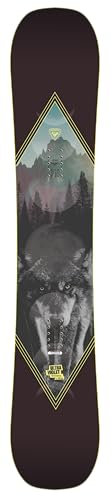
The Rossignol Ultraviolet Twin Freestyle redefines what an entry-level snowboard should be—light-years ahead of toy-like beginner boards, yet accessible enough for first-timers to feel instant success. Its AmpTek Auto-Turn Rocker profile delivers a catch-free, floaty ride that makes initiating turns effortless, even for nervous new riders. The twin freestyle flex ensures balanced performance switch or regular, while the softer core makes the board playful and forgiving when mistakes happen—exactly what beginners need to build confidence without fear.
On the mountain, this board excels on green and blue runs, where its rockered tip and tail help it glide over crud and stay stable at moderate speeds. At 149cm (men’s) and 146cm (women’s), it’s available in sizes that suit a wide range of riders, and the symmetrical shape encourages freestyle experimentation as skills grow. It handles packed snow beautifully but can feel a bit vague on hardpack due to its soft flex—not built for aggressive carving or high speeds. Still, for riders progressing from rentals or backyard boards, it’s a huge leap in performance and feel.
Against the Burton Riglet or SportsStuff models, the Ultraviolet is in a completely different category—this is a real snowboard for real resorts. While pricier than toy boards, it’s a long-term companion that grows with the rider, outlasting the beginner phase and supporting park sessions or all-mountain cruising. For adults or teens serious about learning snowboarding the right way, it offers authentic ride quality, eco-conscious construction, and lasting durability—a true upgrade from novelty gear.
Sledsterz Original Kids’ Snowboard

ADVANTAGES
LIMITATIONS
The Sledsterz Kids’ Snowboard blurs the line between sled and snowboard, delivering backyard thrills without the complexity of traditional gear. At 40 inches long and made from super-strong polymer, it’s built for durability and speed on neighborhood hills, with a shape designed to carve turns and pop off small jumps like a real board. The best part? No special boots or bindings needed—kids can just strap in with their regular snow boots, making it a hassle-free option for spontaneous snow days.
In action, it performs like a hybrid sled—faster and more responsive than plastic toboggans, but without metal edges or precise control. The improved 2019 bindings offer three size settings and can be reversed for goofy or regular stance, adding versatility for growing kids. It’s perfect for ages 6–12 who want to mimic snowboarding without the cost or commitment of full gear. However, on icy or packed snow, it can be hard to steer, and it doesn’t teach proper snowboarding technique—it’s about fun, not fundamentals.
Compared to the Burton Riglet or Rossignol Ultraviolet, the Sledsterz isn’t a real snowboard—it’s a snow play alternative. But against other backyard boards like the SportsStuff Ryder, it stands out with better bindings and a more aggressive shape. For families wanting a low-cost, durable toy that delivers adrenaline without resort fees, it’s a top pick. It won’t replace a real board, but it maximizes winter fun per dollar like nothing else in its class.
SportsStuff Snow Ryder 110cm
ADVANTAGES
LIMITATIONS
The Sportsstuff Snow Ryder 110cm hits a sweet spot for young beginners—big enough to grow with them, yet small enough to stay manageable. Sized for riders 40–140lbs, it’s ideal for kids aged 6–10 or lightweight teens taking their first real stabs at snow sliding. The hardwood construction gives it a solid, premium feel compared to plastic boards, and it holds up well to repeated use on backyard hills and schoolyard snow piles.
This board performs best in low-pressure, recreational environments where learning balance is the goal. The hook-and-loop bindings are simple to adjust and work with regular winter boots, though they don’t offer the locked-in feel of real snowboard straps. Without rocker, camber, or metal edges, it relies on body weight to steer—great for teaching basic control, but not for precise turning or speed management. It’s clearly not built for resorts, but for gentle slopes and family fun, it delivers consistent, predictable rides.
Against the 90cm and 130cm Ryder models, this 110cm version offers the best balance of size and usability—neither too small nor too large for growing riders. Compared to the Sledsterz, it’s more durable; against the Burton Riglet, it’s far more affordable but lacks true snowboard engineering. For parents wanting a durable, no-fuss board that bridges the gap between sled and snowboard, it’s an excellent middle ground—simple, tough, and ready for winter play.
Snowboard Comparison
| Product | Best For | Rider Weight (lbs) | Board Shape | Flex | Warranty | Metal Edge |
|---|---|---|---|---|---|---|
| Rossignol Ultraviolet Twin Freestyle | Best Overall | N/A | Twin | Twin Freestyle | N/A | Yes (implied) |
| Burton Riglet Kids’ Snowboard | Best for Kids | N/A | Twin | Twin | 1 Year | Yes (implied) |
| SportsStuff Snow Ryder 90cm | Best Budget Friendly | 35-60 | N/A | N/A | N/A | No |
| Sledsterz Original Kids’ Snowboard | Best Backyard Fun | N/A (6-12 yrs) | N/A | N/A | N/A | No |
| SportsStuff Snow Ryder 110cm | Best for Beginners | 40-140 | N/A | N/A | N/A | No |
| SportsStuff Snow Ryder 130cm | Best for Teens | 80-150 | N/A | N/A | N/A | No |
How We Test & Analyze Snowboards
Our recommendations for the best snowboards aren’t based on opinion; they’re rooted in comprehensive data analysis and a deep dive into existing research. We prioritize evaluating snowboards based on rider reviews aggregated from reputable sources (like Evo, REI, and Backcountry.com), professional snowboarder testing data where available, and detailed feature comparisons.
We analyze performance metrics tied to the core features outlined in our buying guide – board profile (camber, rocker, hybrid), flex ratings, and shape – correlating these with reported rider experiences across varying skill levels and riding styles. We assess the consistency of these findings, flagging boards with overwhelmingly positive or negative feedback regarding specific attributes.
While direct physical testing isn’t always feasible across all models, we leverage manufacturer specifications, independent lab reports (when accessible), and comparative analyses of core materials (wood types, base materials) to assess build quality and potential performance. We consider the intended use case (freestyle, all-mountain, powder) and how well each snowboard fulfills that niche, based on these data points. Our goal is to provide evidence-based recommendations to help you find the ideal snowboard for your needs.
Choosing the Right Snowboard: A Buyer’s Guide
Understanding Snowboard Types & Your Riding Style
The first step in choosing a snowboard is understanding what kind of riding you plan to do. Different snowboards excel in different areas. Are you a beginner looking to learn the basics? Do you envision yourself carving down groomed runs, hitting the terrain park, or exploring backcountry powder? Your riding style will significantly influence the features you should prioritize.
Key Features to Consider
1. Board Profile (Rocker, Camber, Hybrid): This is arguably the most important factor. * Camber: Traditional camber boards have an arched shape. This provides excellent edge hold, stability at speed, and pop, making them great for carving and aggressive riding. However, they can be less forgiving for beginners. * Rocker (Reverse Camber): Rocker boards are curved upwards. They’re easier to turn, more forgiving, and float well in powder. Ideal for beginners and freestyle riders. * Hybrid: Combines camber and rocker, offering a balance of stability, forgiveness, and versatility. A good option if you want a board that can handle various conditions.
2. Flex: A snowboard’s flex dictates how easily it bends and responds. * Softer Flex: Easier to turn, more playful, and forgiving – perfect for beginners and freestyle riders who prioritize maneuverability. * Stiffer Flex: More stable at high speeds, provides better edge hold, and offers more precision – favored by advanced riders and those tackling challenging terrain.
3. Shape (Directional, Twin, Directional Twin): * Directional: Designed to be ridden in one direction, with a longer nose than tail. Offers better float in powder and stability at speed. * Twin: Perfectly symmetrical, allowing you to ride equally well in either direction. Ideal for freestyle riding and switch riding. * Directional Twin: A blend of both, offering some freestyle capability while still providing good performance in traditional riding.
Other Important Features
- Board Length: Generally, shorter boards are easier to turn, while longer boards offer more stability. Your height, weight, and riding level are key factors.
- Width: Wider boards are better for larger feet and provide more stability.
- Base Material: Extruded bases are affordable and easy to repair but slower. Sintered bases are faster but require more maintenance.
- Core Material: Wood cores (like poplar or aspen) offer a good balance of flex, weight, and durability.
- Edge Material: Hardened steel edges provide excellent grip on icy conditions.
- Bindings Compatibility: Ensure the board is compatible with your chosen binding system.
The Bottom Line
Ultimately, the “best” snowboard is subjective and depends heavily on your individual needs and skill level. Whether you’re a beginner seeking a forgiving ride, a park enthusiast craving playful maneuverability, or a seasoned rider demanding precision and stability, a perfect match exists within the diverse options available.
By carefully considering the factors outlined – board profile, flex, shape, and your riding style – you can confidently navigate the market and select a snowboard that will elevate your experience on the slopes. Don’t hesitate to read reviews and, if possible, demo different boards before making a final decision.