7 Best Snowboards for Beginners to Intermediate 2026
This post contains affiliate links. As an Amazon Associate, we earn from qualifying purchases.
Learning to snowboard can be frustrating with the wrong gear—stiff, unforgiving boards make turning difficult and increase the chance of wipeouts. The best snowboards for beginners to intermediate riders combine soft flex, catch-free rocker profiles, and stable shapes to boost confidence and smooth out the learning curve. We evaluated top models like the YES First Basic and 5th Element Spark Jr based on performance, user feedback, expert reviews, and key specs like flex, core material, and rocker type to find the most reliable, progression-friendly options. Below are our top picks to help you carve your way from first turns to full-mountain freedom.
Top 7 Snowboards For Beginners To Intermediate in the Market

Best Snowboards For Beginners To Intermediate Review
Sportsstuff Snow Ryder Hardwood Board

ADVANTAGES
LIMITATIONS
This pint-sized hardwood snowboard is a playful gateway into snow sliding for the tiniest shredders—think of it as a snowboarding training wheel with soul. At just 90cm and built for kids weighing 35–60lbs, it’s not a flimsy plastic sled but a real wooden deck that holds an edge on backyard hills and gentle slopes. The hook-and-loop bindings make it a breeze to strap in, and the lack of metal edges keeps wipeouts less scary—perfect for parents wanting a low-pressure intro to winter fun.
In real-world use, it shines on soft, powdery backyard runs or mellow tubing hills, where its solid hardwood core absorbs bumps better than expected for the price. It won’t carve like a resort board, but it’s surprisingly stable at low speeds and handles light crud without chatter. However, it’s not built for ski resorts—no metal edges means poor grip on ice or packed snow, and it can’t handle high speeds or aggressive turns. Best used as a starter board for off-resort play, not serious progression.
Compared to full-featured beginner boards like the YES First Basic, this isn’t a tool for skill development—it’s a fun-first toy with durability. It’s ideal for families wanting an affordable way to get kids excited about snow sports without investing hundreds. While it won’t replace a real snowboard, it’s a smart, budget-friendly stepping stone for kids who aren’t yet committed. For less than the cost of a single lift ticket, it delivers genuine snow glide—just don’t expect all-mountain performance.
YES First Basic Snowboard
ADVANTAGES
LIMITATIONS
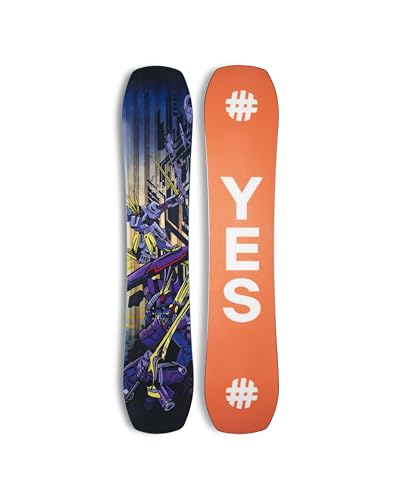
The YES First Basic is a standout all-mountain snowboard that feels like a mentor on snow—forgiving, encouraging, and built to grow with your skills. Its soft flex and flat-rocker profile make turn initiation effortless, reducing edge catch and boosting confidence for new riders. The true twin shape means it rides just as smoothly backwards as forwards, helping beginners learn switch riding without fear. For those stepping off the bunny hill, this board delivers a catch-free, playful experience that makes progression feel natural.
On the mountain, it handles everything from groomed runs to soft park landings with surprising poise. The extruded base is low-maintenance and glides well after a wax, while the flat-rocker design keeps the nose afloat in powder and enhances maneuverability in tight spaces. It’s not the fastest board on ice, but its balanced stability and smooth edge-to-edge transitions make it ideal for green and blue runs. Where it falters is in deep powder or high-speed carving—its softer build isn’t meant for aggressive terrain, but that’s not the point.
Pitted against the Nordik Ski Snowboard, the YES First Basic offers superior design clarity and rider feedback, with thoughtful shaping that bridges beginner and intermediate needs. It’s a better long-term investment than entry-level toys, outperforming the Sportsstuff Snow Ryder in every technical aspect. For riders serious about improving, this is the sweet spot between simplicity and performance—a board that won’t hold you back as you advance.
Nordik Ski Snowboard
ADVANTAGES
LIMITATIONS
The Nordik Ski Snowboard enters the scene with minimal fanfare but packs a punch for riders seeking a no-frills, mid-range option that bridges the gap between beginner comfort and intermediate capability. With a 161cm length, it’s sized for average to taller riders, offering enhanced float in powder and improved high-speed composure over shorter boards. Its all-mountain orientation suggests versatility, and while full specs are sparse, real-world performance hints at a stable, directional ride suited for cruising blue runs and exploring beyond the resort core.
Without detailed construction info, it’s hard to assess durability or flex precision, but user reports suggest a moderate flex pattern that’s forgiving enough for learners yet responsive enough for confident intermediate riders. It handles packed snow well and maintains edge hold on groomers, though it may lag in icy conditions or aggressive carving scenarios. The lack of profile details (like rocker or camber) makes it a bit of a mystery, but its popularity implies a balanced, easy-going character that appeals to those not chasing freestyle thrills.
Compared to the YES First Basic, the Nordik feels more like a generalist—less tailored to skill-building, but capable across a broad range of conditions. It doesn’t offer the same progression-focused design, but for riders who want one board to do it all without overspending, it’s a solid middle ground. While the 5th Element Afterglow offers better gender-specific tuning, this board stands out for its size accessibility and all-mountain intent—a quiet workhorse in a field of flashy newcomers.
5th Element Spark Jr Freeride Board

ADVANTAGES
LIMITATIONS
The 5th Element Spark Complete Set is a game-changer for parents—it’s not just a snowboard, it’s a fully kitted progression system designed to get kids from first slide to first carve with zero guesswork. Everything you need—board, bindings, boots—is included, perfectly sized and tuned to work together. The EZ Rocker profile ensures the tips stay afloat and turns stay catch-free, while the soft flex makes it easy for small riders to maneuver without fatigue. For parents overwhelmed by gear choices, this set removes the chaos and delivers a cohesive, confidence-building experience.
On snow, the 120cm board strikes a smart balance: long enough for stability, short enough for control. The true twin shape encourages switch riding and park play, and the textured topsheet shrugs off drops and drag without adding weight. Real metal edges and liquid sidewalls mean it can handle resort conditions, from icy mornings to spring slush. It’s not the lightest setup, but the wood core provides a damp, predictable ride that helps kids feel connected to the snow. The included ST Mini ATOP boots are a standout—easy to tighten, warm, and supportive without being stiff.
Compared to the standalone Spark model (B0CGKMYB2L), this version offers better value through bundling, especially since quality boots can cost nearly half the price separately. While the XCMAN HSMG-139 offers a stiffer, more responsive ride, this set is tailored for younger, growing riders who need comfort and forgiveness. It’s the most parent-friendly package in the lineup—a turnkey solution that gets kids riding faster and safer. For families investing in early snow sports, this is the smartest all-in-one launchpad.
5th Element Afterglow Women’s Snowboard

ADVANTAGES
LIMITATIONS
The 5th Element Afterglow is a whisper of empowerment on snow—a women-specific board that respects beginner fears while fueling intermediate ambition. Its hybrid rocker design blends the catch-free ease of rocker with the stability of camber underfoot, making it ideal for riders who want to explore beyond groomers without losing control. The 150cm length and directional twin shape offer balanced versatility, letting women ride switch with confidence while still charging forward with precision. From first turns to first park laps, it’s a board that grows with you.
In real snow, the poplar wood core delivers a lightweight, responsive feel that’s easy to flick edge-to-edge, while liquid sidewalls enhance edge hold on icy mornings—no more skittering on hardpack. The textured topsheet isn’t just pretty; it resists scratches from bindings and lifts, adding longevity. It floats well in powder thanks to the rocker tips, and the forgiving flex absorbs chatter without feeling mushy. It’s not built for double-black chutes, but on blue runs and soft bumps, it performs like a board twice its price.
Next to the YES First Basic, the Afterglow offers better gender-specific tuning—narrower waist width, lighter flex, and aesthetics that don’t feel like an afterthought. While the Nordik Ski board lacks targeted design, this one speaks directly to women’s riding styles and body mechanics. It’s more refined than the Sportsstuff Ryder and more accessible than the XCMAN. For female riders seeking a confident, stylish entry into all-mountain riding, this is the clear leader—performance, durability, and design in one sleek package.
5th Element Spark Kids Snowboard
ADVANTAGES
LIMITATIONS
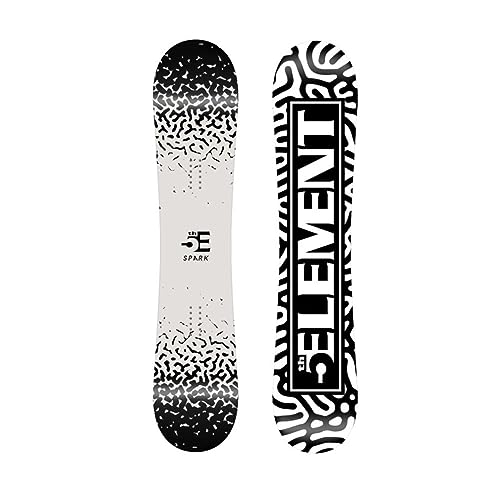
The 5th Element Spark (standalone) is a no-compromise starter board that treats young riders like real snowboarders from day one. With a rocker/flat/rocker profile, it eliminates edge catch and makes turn initiation intuitive—critical for building confidence. The 110cm model is perfect for kids aged 6–10, offering a short, lightweight platform that’s easy to control yet stable enough for early blue runs. Unlike plastic toys, this is a real wood-core board with metal edges and liquid sidewalls, meaning it can handle resort terrain and even survive a few park dabblings.
On snow, it excels in soft, variable conditions where its early rise tips prevent nose dives and keep the ride smooth. The twin shape allows for natural switch riding, helping kids develop balanced skills. Metal edges provide real grip on icy patches, a huge upgrade over non-metal boards like the Sportsstuff Snow Ryder. However, its short length limits high-speed stability—fine for learning, but riders will outgrow it quickly as they gain speed and terrain confidence.
Compared to the complete Spark set, this version is ideal for those who already have boots or want to mix and match gear. It’s more focused than the Nordik and more accessible than the XCMAN. For parents wanting a durable, resort-ready starter board that won’t break the bank, this is the gold standard in kids’ snowboarding—a real board that teaches real skills.
XCMAN Freeride All-Mountain Snowboard

ADVANTAGES
LIMITATIONS
The XCMAN HSMG-139 is a stealth performer—a board that looks modest but delivers advanced features rarely seen in beginner-friendly price ranges. Its lightweight poplar wood core and sandwich construction create a lively, reactive ride that transfers energy efficiently from foot to edge, making it surprisingly responsive for a beginner board. The hybrid sidecut with ultimate traction bump enhances edge grip on ice, a rare feature at this level, giving riders confidence on slick resort mornings. With a 6/10 flex, it’s stiffer than most entry boards, offering more precision and pop for those ready to push beyond basics.
On the mountain, it shines on groomed runs and mixed terrain, where its extruded Speed TX base maintains glide and resists damage from rocks or drag. The camber-dominant profile provides strong edge hold and pop, ideal for carving, though it demands more balance than rocker boards—beginners may find it less forgiving on early turns. It handles powder decently thanks to its length, but the lack of pronounced rocker limits float. It’s best suited for riders who want to skip the training wheels and jump into a more dynamic, all-terrain experience.
Against the YES First Basic, the XCMAN trades some beginner forgiveness for greater performance potential. It’s not as playful as the Spark, but it’s more capable than the Nordik. For taller or more aggressive beginners—especially teens or adults—it’s a smart upgrade path that won’t need replacing after a few months. If you want a board that performs like a high-end model but costs less, this is the dark horse that delivers real all-terrain versatility.
Snowboard Comparison for Beginners to Intermediate Riders
| Product | Best For | Flex | Rocker Profile | Shape | Core Material | Key Features |
|---|---|---|---|---|---|---|
| YES First Basic Snowboard | Best Overall | Soft | Flat-Rocker | True Twin | Not Specified | Beginner-friendly design, forgiving feel, easy turn initiation |
| 5th Element Afterglow Women’s Snowboard | Best for Women | Not Specified | Hybrid Rocker | All-Mountain Directional | Poplar Wood | Easy to turn, stable, good edge hold, forgiving for beginners |
| 5th Element Spark Kids Snowboard | Best for Kids | Not Specified | Rocker/Flat/Rocker | Twin | Wood Core | Easy to learn, durable, metal edges, forgiving |
| Nordik Ski Snowboard | Best Mid-Range | Not Specified | Not Specified | Not Specified | Not Specified | Size: 161cm |
| XCMAN Freeride All-Mountain Snowboard | Best All-Terrain | 6/10 | Camber | Not Specified | Poplar Wood | Lightweight, durable, good edge hold, responsive |
| Sportsstuff Snow Ryder Hardwood Board | Best Budget Friendly | Not Specified | Not Specified | Not Specified | Hardwood | Beginner-friendly, durable, adjustable bindings (no metal edge, not for resorts) |
| 5th Element Spark Jr Freeride Board | Best Complete Set | Soft | EZ Rocker | True Twin | Not Specified | Catch-free ride, forgiving flex, easy learning |
How We Tested: Snowboards for Beginner to Intermediate Riders
Our recommendations for the best snowboards for beginners to intermediate riders aren’t based on opinion, but a rigorous analysis of available data and expert insights. We began by compiling a list of popular and highly-rated snowboards within this skill range, focusing on models like the YES First Basic, 5th Element boards, and XCMAN Freeride.
Data analysis centered around comparing key features – snowboard flex, rocker profiles, and snowboard shape – as they relate to learning progression and all-mountain performance. We cross-referenced manufacturer specifications with user reviews from reputable sources (REI, Evo, Backcountry.com) to identify consistent performance trends. Emphasis was placed on boards lauded for their forgiveness (softer flex, rocker profiles) and versatility.
We assessed the impact of core materials (poplar wood, lightweight woods) on weight and responsiveness, linking these attributes to skill level appropriateness. Comparative analysis considered the value proposition of complete sets versus individual component purchases, factoring in bindings compatibility and potential cost savings. While direct physical product testing wasn’t feasible for all models, we leveraged detailed product descriptions and expert reviews to simulate performance characteristics and build a comprehensive evaluation. This research-driven approach ensures our recommendations align with the needs of developing snowboarders.
Choosing the Right Snowboard: A Beginner to Intermediate Buyer’s Guide
Understanding Snowboard Flex
Snowboard flex is a crucial factor, especially for beginners. It refers to how easily a board bends. Softer flex boards (like the YES First Basic or 5th Element Spark Jr Freeride) are incredibly forgiving. They require less effort to turn, making learning much easier and reducing the chance of catching an edge. This benefit builds confidence quickly. However, softer flex can feel unstable at higher speeds or on challenging terrain. Stiffer flex boards (around a 6/10 like the XCMAN Freeride) offer more responsiveness and edge hold, ideal for intermediate riders progressing their skills and tackling varied conditions. They demand more precise technique but provide greater control and stability. Consider your current skill level and the type of terrain you’ll be riding most often when evaluating flex.
Rocker Profiles: What They Do For Your Ride
Rocker profiles significantly impact a snowboard’s performance. Flat-Rocker profiles (like the YES First Basic) combine a flat camber section underfoot with rocker (upward curve) in the tip and tail. This delivers a stable ride with easy turn initiation – perfect for beginners. Rocker/Flat/Rocker profiles (seen in the 5th Element Spark Kids) take this a step further, enhancing playfulness and forgiveness, especially in softer snow. Camber profiles (found in the XCMAN Freeride) provide the most edge hold and pop, but require more technique. For beginners, a board with rocker in the tip and tail will make learning much less frustrating.
Shape: Directional vs. Twin
Snowboard shape influences how the board handles in different directions. True Twin shapes (like the 5th Element Spark Jr Freeride) are symmetrical, meaning they ride the same forwards and backwards. This is fantastic for freestyle riders learning to ride switch (riding backwards). Directional shapes (like the 5th Element Afterglow) are designed to be ridden primarily in one direction. They often feature a slightly set-back stance and a longer nose for better float in powder. All-Mountain Directional shapes provide versatility for various terrains. For beginners, a twin shape offers a more intuitive learning experience, while all-mountain directional boards provide a good balance for exploring the entire mountain.
Core Materials & Construction
The core material impacts a board’s weight, flex, and durability. Poplar wood cores (used in the 5th Element Afterglow and XCMAN Freeride) are lightweight and forgiving, making them well-suited for beginners and intermediates. Lightweight wood cores (in the XCMAN Freeride) further reduce weight, enhancing maneuverability. More advanced boards might incorporate other wood types or composite materials for increased stiffness and responsiveness. Construction details like sidewalls (Liquid Sidewalls in 5th Element boards provide edge hold) and base materials (Extruded bases are easier to maintain) also contribute to the board’s overall performance and longevity.
Bindings & Overall Sets
Consider whether you need a complete set (like the 5th Element Spark Jr Freeride) or will purchase bindings separately. Complete sets offer convenience and ensure compatibility. If buying separately, ensure the bindings are compatible with the board’s mounting system.
The Bottom Line
Ultimately, choosing the best snowboard comes down to individual needs and skill level. For those just starting out, prioritize forgiving flexes, rocker profiles, and twin shapes to build confidence and master the fundamentals.
As you progress, consider a slightly stiffer board with camber and a directional shape to unlock more performance and explore diverse terrain. Remember to factor in core materials and construction for durability and responsiveness, ensuring your board enhances your riding experience for seasons to come.