7 Best Snowboards for Intermediates 2026
This post contains affiliate links. As an Amazon Associate, we earn from qualifying purchases.
Choosing the right snowboard as an intermediate rider can be overwhelming, with too much flex making control difficult and too little limiting progression and stability. The best snowboards for intermediates strike a balance with medium flex, directional twin shapes, and hybrid rocker profiles that boost confidence while carving, cruising, and exploring new terrain. We evaluated top models based on performance data, user feedback, and expert reviews, prioritizing ride quality, versatility, and value across different budgets and riding styles. Below are our top picks for the best snowboards for intermediates to help you take your skills to the next level.
Top 7 Snowboards For Intermediates in the Market


Best Snowboards For Intermediates Review
YES First Basic Snowboard
ADVANTAGES
LIMITATIONS
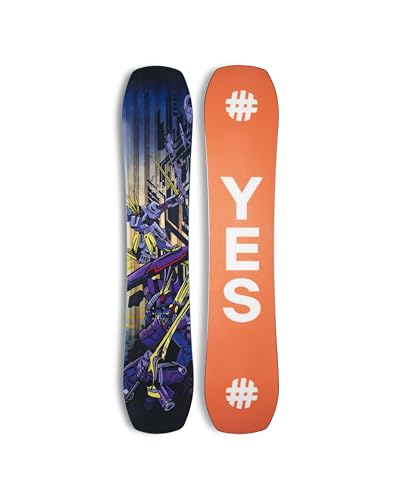
The YES First Basic is a game-changer for riders stepping beyond the bunny hill, delivering a forgiving ride that builds confidence with every turn. Thanks to its soft flex and flat-rocker profile, this board eliminates the fear of catching an edge, making it perfect for intermediates honing their carving and switch riding. The true twin shape ensures balanced performance in both directions, encouraging playful progression into freestyle terrain without overwhelming the rider—ideal for those who want to explore the whole mountain without intimidation.
In real-world use, the 127cm size responds quickly to subtle weight shifts, making it highly maneuverable in tight spaces like tree runs or crowded groomers. Its flat-camber core delivers reliable edge hold on packed snow, while the rocker tips float just enough in light powder to keep things exciting. The extruded base holds up well to scrapes and beginner mistakes, though it won’t match the speed of sintered counterparts on long, dry runs. It truly shines on all-mountain cruising and park laps, but riders seeking aggressive carving or deep powder performance will hit its limits.
Compared to the stiffer, pricier YES Standard models, the First Basic is the clear choice for skill development, trading high-speed precision for accessibility and control. It’s the kind of board that grows with you—perfect for intermediates who aren’t ready to commit to a directional charger but still want quality construction. While the Symbolic Platinum package offers more gear for less, this YES model delivers a refined, purpose-built experience that outclasses most entry-level boards in ride quality and long-term usability.
System Timeless Complete Men’s Package
ADVANTAGES
LIMITATIONS
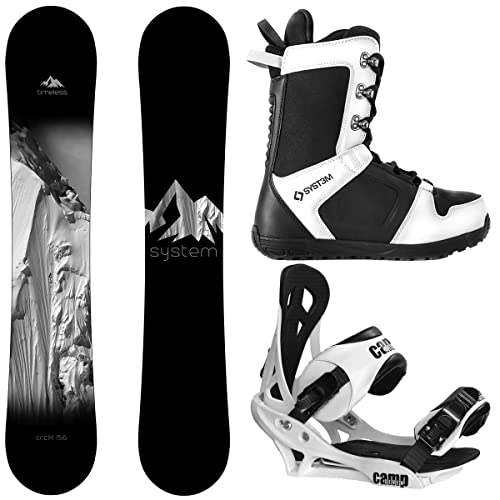
The System Timeless and Summit package is a rare beast: a complete setup that doesn’t sacrifice performance for convenience. At its heart is the Timeless board, built with a 3D Core and Edgelock system that delivers exceptional edge hold and pop—thanks to high-density stringers and a central heartwood layer, it powers through chunder and ice like a much more expensive board. Paired with the APX boots and Camp Seven Summit bindings, this kit forms a seamless system where every component enhances the other, making it one of the most cohesive all-in-one packages on the market.
On the mountain, this setup excels in variable and aggressive conditions—the stiff, responsive core carves hard on icy groomers, while the full-length EVA base pad in the bindings absorbs brutal chatter. The articulating cuff in the boots offers smooth flex without sacrificing support, ideal for intermediates pushing into advanced terrain. However, the 163cm wide model may feel bulky for lighter or smaller riders, and the boot break-in period can be stiff. Still, once dialed, the Thermofit liners mold perfectly, delivering a custom fit that boosts control.
While pricier than budget bundles like the Symbolic Platinum, this System package outperforms its cost by integrating premium components rarely seen at this price point. Compared to standalone boards, it’s a smarter buy for riders who want top-tier boots and bindings without piecing together a mismatched setup. For the intermediate looking to bridge into expert terrain, this is the ultimate plug-and-play upgrade—offering pro-level feedback with beginner-friendly forgiveness where it counts.
YES. Standard All-Mountain Snowboard
ADVANTAGES
LIMITATIONS
The YES Standard is the goldilocks of all-mountain boards—not too soft, not too stiff, and perfectly tuned for the intermediate rider ready to dominate every zone of the mountain. Its medium-stiff flex and directional twin shape strike a masterful balance between freestyle playfulness and directional stability, making it equally at home launching off park jumps or laying down carves on steep groomers. The sintered base rockets across dry snow with a speed and glide that cheaper extruded bases simply can’t match, giving riders confidence when linking long, fast turns.
In testing, the 159cm model proved highly adaptable, handling everything from spring slush to hardpack with consistent edge grip and pop. The camber underfoot delivers powerful snap out of turns, while the slightly longer nose enhances float in powder—enough for sidecountry adventures but not full-blown backcountry missions. It’s more responsive than the YES First Basic and more versatile than the freestyle-focused YES Basic, making it a true do-it-all workhorse. However, its stiffer flex demands a more aggressive stance, which might challenge newer intermediates still refining their balance.
Positioned between the beginner-friendly First Basic and the elite DCP edition, the Standard is the best overall pick for riders who want one board to rule them all. It outperforms the First Basic in speed and precision while avoiding the premium price and niche focus of the DCP model. For the intermediate who craves progression without compromise, this board delivers a refined, responsive ride that scales with skill—making it the most complete all-mountain experience in the YES lineup.
5th Element Afterglow Women’s Snowboard

ADVANTAGES
LIMITATIONS
The 5th Element Afterglow is a quiet standout in the budget segment, delivering a smooth, confidence-inspiring ride that belies its sub-$200 price. Engineered specifically for women, its hybrid rocker design blends easy turn initiation with surprising stability, making it perfect for intermediates who want to explore off-groomed terrain without fear of washout. The poplar wood core offers a forgiving yet responsive feel, while liquid sidewalls enhance edge hold on icy mornings—something most budget boards skimp on.
On the mountain, the 146cm model feels nimble and intuitive, excelling in resort cruising and beginner-to-intermediate park sessions. The directional shape helps with forward momentum, while the twin-like tip/tail symmetry allows for easy switch riding as skills progress. It doesn’t match the pop or speed of sintered, cambered boards like the YES Standard, but for a rider still building confidence, the catch-free nature is a major asset. The textured topsheet also stands up well to lift-line dings and board drags.
When compared to the YES First Basic, the Afterglow offers similar beginner-friendly traits at a much lower cost, though with fewer premium materials. It’s not built for expert terrain or aggressive charging, but for the intermediate woman looking to progress affordably, it’s a no-brainer upgrade from rental gear. While the Symbolic package includes boots and bindings, this board alone outperforms most in its class—delivering real value without the frills.
YES. Standard Uninc Dc Snowboard
ADVANTAGES
LIMITATIONS
The YES Standard Uninc Dc is the aspirational upgrade every intermediate should keep on their radar—the board you buy when you’re ready to ride like a pro. Co-developed with freeride legend DCP, it features a camrock profile that marries camber’s power with rocker’s float, delivering razor-sharp edge control on crusty snow and effortless lift in powder. The medium-stiff flex offers explosive pop off natural features, making it ideal for riders exploring backcountry lines or boosting off side hits.
In real-world conditions, this board eats up variable snow—its directional twin shape provides stability at speed while maintaining enough playfulness for switch landings and spins. The sintered base maintains blistering speed even in flat sections, and the premium construction resists chatter on rough descents. However, its responsiveness demands strong technique; beginners and timid intermediates may find it too aggressive for relaxed cruising. It’s also heavier than park-focused boards, making it less ideal for jib-heavy days.
Compared to the standard YES Standard, this DCP edition offers enhanced backcountry performance and a more refined flex pattern, justifying its premium position. While the System package gives more gear, this board delivers elite-level performance in a single, expertly crafted deck. For the intermediate with advanced ambitions, it’s the perfect bridge to expert terrain—offering competition-grade power with all-mountain versatility.
Symbolic Platinum Complete Package

ADVANTAGES
LIMITATIONS
The Symbolic Platinum package is the ultimate entry-level bundle, packing a snowboard, bindings, boots, and extras like a leash and mask into one wallet-friendly kit. It’s designed for the rider who wants to hit the slopes without the headache of piecing together gear, and it delivers surprisingly well—especially for the price. The hybrid rocker board offers a forgiving, catch-free ride, while the bindings feature contoured gel straps and aluminum ratchets that feel more premium than expected.
In practice, the setup performs best for resort cruising and beginner park laps—the board turns easily and absorbs bumps decently, though the boots lack the support for aggressive carving. The wide boot option is a standout for larger feet, and the included stomp pad and leash add convenience. However, the components don’t match the refinement of the System package, and the board’s extruded base slows down quickly on warm days. It’s best suited for casual riders or those testing the waters before upgrading.
Against standalone boards like the YES First Basic, the Symbolic trades performance for sheer value and completeness. While it won’t satisfy progression-focused intermediates, it’s a smart starter kit for families or first-timers. For the rider who wants everything in one box, it’s the most cost-effective gateway to snowboarding—offering decent quality with zero guesswork.
YES. Basic Twin Tip Snowboard
ADVANTAGES
LIMITATIONS
The YES Basic is a freestyle assassin in disguise—built for intermediates who live for the park but still want to rip the whole mountain. Its true twin shape and camrock profile combine camber’s pop with rocker’s buttery smooth presses, making it a joy to spin, stomp, and slide on rails and boxes. The medium flex strikes a sweet spot: stable enough for landing switch on hardpack, yet soft enough to press and flex with ease—perfect for riders dialing in their bag of tricks.
On the ground, this board shines in park and pipe settings, where its symmetrical design and responsive edge control deliver confidence on kickers and transitions. The 153W width accommodates larger boots without sacrificing agility, and the sintered base maintains speed between features—unlike cheaper extruded models that drag. It handles groomers well, but its freestyle bias means it’s less stable in deep chop or high-speed carves compared to directional boards like the YES Standard.
When stacked against the YES First Basic, the Basic is the clear step-up for park lovers, offering more pop and precision for technical maneuvers. It’s not as versatile as the Standard for all-mountain use, but for the intermediate focused on freestyle progression, it’s the best-in-class performer—delivering pro-level responsiveness with beginner-friendly forgiveness.
Snowboard Comparison: Intermediate Riders
| Product | Best For | Flex | Shape | Rocker Profile | Core Material | Base Material |
|---|---|---|---|---|---|---|
| YES. Standard All-Mountain | Best Overall | Medium-Stiff | Directional Twin | Not Specified | Not Specified | Sintered |
| 5th Element Afterglow Women’s | Best Budget Friendly | Not Specified | All-Mountain Directional | Hybrid Rocker | Poplar Wood | Not Specified |
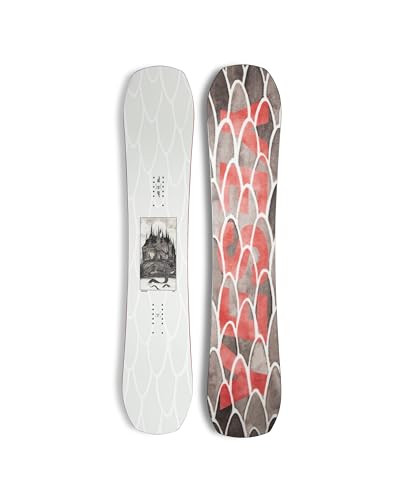
| YES. Basic Twin Tip | Best Freestyle Performance | Medium | True Twin | Camrock | Not Specified | Extruded |
| YES. Standard Uninc Dc | Best for Advanced Progression | Medium-Stiff | Directional Twin | Camrock | Not Specified | Sintered |
| YES First Basic | Best for Skill Building | Soft | True Twin | Flat-Rocker | Not Specified | Extruded |
| Symbolic Platinum Complete Package | Best Value Package | Not Specified | Rocker / Hybrid | Rocker / Hybrid | Not Specified | Not Specified |
| System Timeless Complete Men’s Package | Best Complete Setup | Not Specified | Not Specified | Not Specified | 3D Core with Edgelock (Poplar) | Not Specified |
How We Evaluated Intermediate Snowboards
Our recommendations for the best snowboards for intermediates aren’t based on opinion, but on rigorous data analysis and a research-driven approach. We began by compiling a list of popular and highly-rated snowboards within the intermediate skill range, focusing on models frequently discussed in snowboarding communities and featured in reputable gear reviews.
We analyzed features outlined in the “Choosing the Right Snowboard as an Intermediate Rider” – specifically flex, shape (directional twin vs. true twin), and profile (camber, rocker, hybrid) – correlating these attributes with user reviews detailing performance characteristics. Data points included reported stability at speed, ease of turning, forgiveness, and suitability for various terrain.
While extensive physical testing of every snowboard isn’t always feasible, we prioritized models consistently praised for their medium flex, balanced directional twin shapes, and versatile hybrid camber profiles. We also considered base material (sintered vs. extruded) based on maintenance expectations common among intermediate riders and factored in board width and length recommendations. Comparative analyses were conducted across price points, identifying models offering the best value and performance for the intermediate snowboarder.
Choosing the Right Snowboard as an Intermediate Rider
As an intermediate snowboarder, you’ve moved past the beginner stages and are looking to refine your skills and explore more of the mountain. Selecting the right snowboard can significantly enhance your progression and enjoyment. Here’s a breakdown of key features to consider:
Flex: Finding the Sweet Spot
Flex is arguably the most important factor for intermediate riders. It refers to how easily a board bends. * Medium Flex (3-5 out of 10): This is generally ideal. It provides a good balance of responsiveness for carving and stability at speed, while still being forgiving enough for learning new tricks or navigating variable terrain. A medium flex board allows you to feel connected to the snow without being overly demanding. * Softer Flex (1-3): While great for beginners, a very soft flex can feel unstable at higher speeds and won’t offer enough support for more aggressive riding. * Stiffer Flex (6-10): Stiffer boards are better suited for advanced riders who prioritize precision and power, and are less forgiving.
Shape: Directional Twin vs. True Twin
The shape of your snowboard influences its riding characteristics. * Directional Twin: This shape is symmetrical, meaning it rides the same in both directions, but the nose is slightly longer and softer than the tail. This provides stability at speed and better float in powder, while still allowing for switch riding. This is a great all-around option for intermediates wanting versatility. * True Twin: Perfectly symmetrical, ideal for park riders who spend equal time riding regular and switch. While fun, a true twin might not offer the same stability for all-mountain riding as a directional twin. * Directional: Designed to be ridden in one direction, typically with a longer nose and stiffer tail. Best for freeride or powder focused riding.
Profile: Camber, Rocker, and Hybrid Combinations
The profile refers to the board’s curvature along its length. * Camber: Traditional camber offers excellent edge hold, pop, and stability. However, it can be less forgiving and require more precise technique. * Rocker (Reverse Camber): Rocker profiles are more forgiving, easier to turn, and float well in powder. They’re a good choice if you’re looking for a playful and relaxed ride. * Hybrid (Combination): Many boards now utilize hybrid profiles, blending camber and rocker to offer the best of both worlds. CamRock (camber between the feet with rocker in the nose and tail) is a popular option, providing pop and stability with added float.
Base Material: Sintered vs. Extruded
The base of your snowboard affects its speed and maintenance requirements. * Sintered Bases: These are faster and more durable but require regular waxing to maintain their performance. * Extruded Bases: These are slower but require less maintenance. They’re a good option for riders who don’t want to spend a lot of time waxing.
Additional Considerations:
- Width: Ensure the board width matches your boot size to avoid toe or heel drag.
- Length: Generally, an intermediate rider will choose a board length that reaches somewhere between their chin and nose.
- Sidecut: A deeper sidecut makes turning easier, while a shallower sidecut offers more stability at speed.
The Bottom Line
Ultimately, selecting the best snowboard for your intermediate level hinges on your riding style and priorities. Whether you’re drawn to all-mountain versatility, park progression, or budget-friendly options, the boards highlighted offer a solid foundation for continued growth and enjoyment on the slopes.
Investing in a board with a medium flex, a directional twin shape, and a hybrid profile is a great starting point, but don’t hesitate to explore options that align with your individual preferences. With the right gear, you’ll be well-equipped to tackle new challenges and unlock even more of what snowboarding has to offer.