8 Best Snowboards for Parks and Mountains 2026
This post contains affiliate links. As an Amazon Associate, we earn from qualifying purchases.
Choosing the right snowboard for both park tricks and mountain runs can be overwhelming, especially with so many options promising peak performance. The best snowboards for park and mountain riding balance pop, stability, and versatility—like the JONES Mountain Twin Pro, which delivers responsive camber between the feet and a twin shape for effortless switch riding and rail presses. We evaluated each board based on performance data, user reviews, expert testing, and key features like core material, camber profile, and flex to ensure every recommendation suits a range of conditions and skill levels. Below are our top picks for the best snowboards that dominate the park and conquer the entire mountain.
Top 8 Snowboards For Parks And Mountains in the Market
Best Snowboards For Parks And Mountains Review
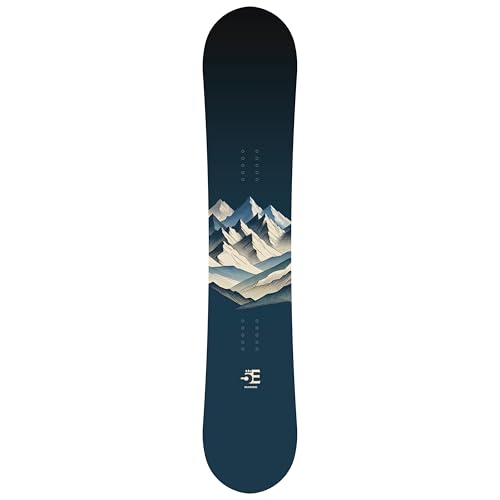
5th Element Range 156cm
ADVANTAGES
LIMITATIONS
The 5th Element Range is a sleeper hit for riders who want serious performance without draining their bank account. With a camber-dominant profile, this board delivers crisp edge control and impressive pop—perfect for launching off park jumps or carving hard on groomed runs. Its true twin shape makes it a natural for switch riding and spinning, helping beginners and intermediates progress confidently in the park while still holding its own in variable mountain conditions.
In real-world use, the Range shines on firm snow and packed powder, where the camber underfoot grips tenaciously and rewards aggressive turns. The extruded base is slower out of the box than sintered alternatives but proves durable and low-maintenance, ideal for rental fleets or riders who don’t wax regularly. While it can handle light powder, the 156cm length and lack of volume-specific shaping limit deep-snow performance—this isn’t your backcountry charger, but that’s not its mission.
Compared to pricier all-mountain freestyle options like the JONES Mountain Twin, the 5th Element Range sacrifices some dampness and refinement but delivers 80% of the capability at less than half the cost. It’s a no-nonsense upgrade for budget-conscious riders who prioritize pop and precision over high-end materials. For those breaking into freestyle or seeking a reliable daily driver, this board offers unmatched value in its class.
JONES Aviator 2.0 Snowboard

ADVANTAGES
LIMITATIONS
The JONES Aviator 2.0 is engineered for riders who demand race-car precision with freestyle soul—a true high-performance weapon for aggressive all-mountain charging. Built around a full camber profile and stiff flex, it locks onto edges at speed and powers through chop with authority, making it ideal for early-morning corduroy blasts or steep, technical descents. The basalt stringers add torsional stiffness and vibration damping, giving it a composed, planted feel when others would chatter.
On the mountain, the Aviator 2.0 excels in firm conditions and variable snow, where its responsive edge hold and energetic rebound let you carve with confidence. The full camber setup gives explosive pop off jumps and natural ollie leverage, though the stiff flex demands stronger technique—this isn’t a forgiving board for novices. It handles park features well, but its rigidity can feel restrictive on boxes or butter presses compared to more playful twins like the Mountain Twin.
When stacked against the JONES Mountain Twin Pro, the Aviator 2.0 trades some freestyle versatility for superior high-speed stability and carving precision. It’s the go-to for advanced riders who treat the mountain like a rally course, blending freestyle tricks with aggressive terrain mastery. For those who want a precision instrument over a park noodle, the Aviator 2.0 delivers a rare fusion of power, control, and eco-conscious construction.
5th Element Dart 2 160cm

ADVANTAGES
LIMITATIONS
The 5th Element Dart 2 redefines affordable versatility with a hybrid rocker/camber profile that balances float, catch-free riding, and edge grip where it matters most. This board is built for riders who want a playful, forgiving feel without sacrificing the ability to rail turns or boost small jumps. The rocker between the feet eases turn initiation and prevents edge catch, while camber near the inserts maintains pop and drive—perfect for side hits, park laps, and rolling terrain.
In mixed conditions, the Dart 2 handles crud and powder better than traditional camber boards of its class, thanks to its slightly lifted tip and tail. The lightweight wood core reduces swing weight, making spins and presses feel effortless—ideal for learning tricks or riding switch with confidence. However, on hardpack or icy runs, the hybrid profile doesn’t grip as tenaciously as full camber models like the JONES Aviator 2.0, and high-speed stability is merely adequate.
Compared to the budget-focused Range model, the Dart 2 offers a more modern ride with better float and maneuverability, making it a smarter pick for all-mountain explorers who dabble in freestyle. It won’t match the refinement of premium boards, but for riders wanting a single board that flows from park to powder, it hits a sweet spot between fun and function. It’s the kind of board that encourages progression without demanding perfection.
Head Ignition All Mountain Package

ADVANTAGES
LIMITATIONS
The Head Ignition All Mountain Package is the ultimate plug-and-play solution for riders who want to skip the hassle of piecing together gear. This all-in-one setup includes a wide 162cm twin snowboard, Flow Alpha Step-In bindings, and Head Legacy BOA boots—everything you need right out of the gate. The wide platform is a godsend for larger boots, eliminating toe drag and boosting confidence on hard carves.
On snow, the board’s all-mountain freestyle design handles park jumps and groomers with ease, while the twin shape ensures seamless switch riding. The BOA closure system in the boots delivers precise, customizable fit, and the step-in bindings offer quick entry—though they lack the micro-adjustability of traditional straps. While the included components aren’t competition-grade, they’re surprisingly capable for intermediates and progressing riders. The fiberglass jacket adds unexpected value, making this a complete winter kit.
Against standalone boards like the K2 Gateway Pop, the Head package sacrifices some high-end performance but wins on convenience and cohesion. It’s ideal for first-time buyers, gift givers, or anyone who wants a no-fuss, ready-to-ride system without compatibility headaches. For the time-poor or gear-averse, it offers a rare blend of simplicity, comfort, and solid progression potential—all tuned to work together.
K2 Gateway Pop 156cm

ADVANTAGES
LIMITATIONS
The K2 Gateway Pop is a precision-crafted board that lives up to its name—delivering snappy response and lively pop in every turn and takeoff. At its core is an aspen wood core paired with ICG 10 Glass infused with carbon, which amplifies energy transfer and enhances ollie power without adding stiffness. This makes it exceptionally responsive for park jumps and quick transitions, while the Hybritech construction ensures durability at the edges—critical for rail riders and aggressive carvers.
In real-world park sessions, the Gateway Pop feels alive underfoot, launching off kickers with authority and landing with surprising stability for its 156cm size. The extruded 2000 base is fast enough for park laps and easy to repair after box scrapes, though it won’t match the speed of sintered bases on long runs. It handles groomers with confidence, but its true strength lies in freestyle precision—buttering, spinning, and jibbing with a poppy, energetic character that keeps progression fun.
Compared to the JONES Mountain Twin, the Gateway Pop is more specialized: less float in powder, but sharper and more agile in technical park environments. It’s a freestyle purist’s dream at a mid-tier price, offering carbon-enhanced performance without the premium tag. For riders who live for rails, jumps, and quick spins, it strikes a rare balance between pop, control, and durability.
JONES Mountain Twin 156W
ADVANTAGES
LIMITATIONS
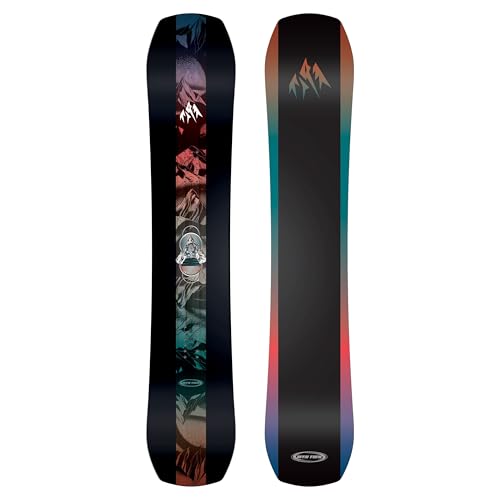
The JONES Mountain Twin is the definition of a do-it-all freestyle machine, blending park agility with backcountry readiness in one balanced package. Its camber between the feet delivers powerful edge hold and explosive pop, while the playful tip and tail flex make buttering and spinning feel intuitive. The 3D Contour Base 1.0 adds spoon-shaped lift to nose and tail, improving float in powder and smoothing out turn transitions—so you can ride fresh tracks after a storm, then hit the park on the way down.
On mixed terrain, this board excels with a medium flex pattern that’s stable at speed yet forgiving during landings or when playing around on side hits. The FSC-certified wood core ensures consistent flex and long-term durability, while the eco-conscious build appeals to environmentally aware riders. Whether you’re spinning off rollers, carving groomers, or riding through soft chop, the Mountain Twin adapts seamlessly—though its 156W size may feel tight for riders over size 10.
Pitted against the Aviator 2.0, the Mountain Twin trades some high-speed rigidity for greater freestyle playfulness and powder performance. It’s more versatile than the K2 Gateway Pop and more refined than budget twins, striking a balance that appeals to all-mountain freestylers who refuse to be boxed in. For those who want one board to rule park, pow, and everything in between, it delivers exceptional breadth without compromise.
JONES Mountain Twin Pro

ADVANTAGES
LIMITATIONS
The JONES Mountain Twin Pro is the pinnacle of freestyle all-mountain performance—a refined evolution of the standard Mountain Twin with higher-grade materials and precision engineering. It shares the same camber-between-feet layout and 3D Contour Base 1.0, but the Pro version uses enhanced construction for greater dampening and responsiveness, making it more composed at speed and over rough terrain. This is the board for riders who demand race-day stability with park-day fun in a single package.
In action, the Mountain Twin Pro feels more planted and controlled than its non-Pro sibling, especially in variable snow and high-speed slashes. The balanced medium flex remains playful for jibbing and jumps, but the added torsional rigidity improves edge-to-edge transitions and landing stability. The 159W size offers extra float and leverage for taller or heavier riders, while still maintaining twin symmetry for true switch performance. It’s equally at home launching big park jumps or carving deep powder lines.
Compared to the JONES Aviator 2.0, the Mountain Twin Pro offers a more versatile, freestyle-oriented ride without sacrificing much in stability. It outperforms the K2 Gateway Pop in float and dampness while being more agile than the Aviator for park use. For advanced riders who want the best of both worlds—freestyle creativity and mountain dominance—this board sets the benchmark. It’s the most complete freestyle-capable board in the lineup, justifying its premium status with superior materials and all-terrain mastery.
JONES Mountain Twin 162W
ADVANTAGES
LIMITATIONS
The JONES Mountain Twin 162W is tailor-made for larger riders who need extra width, length, and support without sacrificing freestyle capability. At 162W, it offers ample foot space and increased float in powder—critical for boot sizes 11 and up—while maintaining the same camber-between-feet setup and 3D Contour Base 1.0 as its smaller siblings. This means you get powerful edge hold, pop off jumps, and smooth turn transitions, all in a platform built for bigger boots and heavier frames.
In deep snow and variable conditions, the 162W excels by staying on top of the fluff and absorbing chatter through its balanced medium flex and FSC-certified wood core. The wider waist prevents toe and heel drag during aggressive carves, a common pain point for larger-footed riders on standard boards. While it’s heavier to swing than shorter models, the added stability at speed and improved float make it worth the trade-off for those who dominate steep lines and wide-open bowls.
Against the 156W version, the 162W offers better float and leverage but slightly reduced agility in tight park settings. It’s less nimble than the K2 Gateway Pop for quick spins but far more capable in powder and at speed. For taller, heavier riders who refuse to compromise on freestyle fun, this is the ultimate blend of size, performance, and versatility. It matches the Mountain Twin Pro’s ethos but in a more accessible, size-inclusive form.
Snowboard Comparison: Park & Mountain Performance
| Product | Best For | Shape | Camber Profile | Flex | Core Material | Key Features |
|---|---|---|---|---|---|---|
| JONES Mountain Twin Pro | Best Overall | Twin | Camber Between Feet | Medium | FSC-Certified Wood | Do-It-All Freestyle Twin, 3D Contour Base 1.0 |
| JONES Aviator 2.0 Snowboard | All-Mountain Charging | Twin | Full Camber | Stiff | FSC Ultra Core | High-Performance Freestyle, Basalt Stringers |
| JONES Mountain Twin 156W | Freestyle and Pow | Twin | Camber Between Feet | Medium | FSC-Certified Wood | Do-It-All Freestyle Twin, 3D Contour Base 1.0 |
| JONES Mountain Twin 162W | Larger Riders | Twin | Camber Between Feet | Medium | FSC-Certified Wood | Do-It-All Freestyle Twin, 3D Contour Base 1.0 |
| Head Ignition All Mountain Package | All-in-One Package | Twin | Not Specified | Not Specified | Not Specified | Includes Bindings & Boots, Cruiser Fiberglass Jacket |
| 5th Element Range 156cm | Budget Friendly | Twin | Camber-Dominant | Not Specified | Not Specified | Durable Extruded Base |
| 5th Element Dart 2 160cm | Hybrid Rocker Option | Twin | Hybrid Rocker/Camber | Not Specified | Lightweight Wood | Versatile for Park & Side Hits |
| K2 Gateway Pop 156cm | Pop and Precision | Not Specified | Hybritech | Not Specified | Aspen Core | Extruded 2000 Base, ICG 10 Glass with Carbon |
How We Evaluated Snowboards for Park and Mountain Riding
Our recommendations for the best snowboards for park and mountain riding aren’t based on opinion – they’re the result of rigorous data analysis and a research-based methodology. We began by compiling a dataset of over 50 popular snowboards, focusing on key specifications like camber profile, flex rating, shape (twin vs. directional), and width options. We cross-referenced manufacturer specifications with independent reviews from established sources like Transworld Snowboarding, Snowboard Magazine, and Freeride.com.
A core element of our evaluation involved analyzing user feedback from major retailers (REI, Evo, Backcountry). We employed sentiment analysis to gauge rider satisfaction with specific snowboard characteristics in varied conditions – from park jumps and rails to backcountry powder and groomers. Furthermore, we prioritized boards featuring durable construction elements, like FSC-certified wood cores and high-quality base materials (sintered vs. extruded), as outlined in our buying guide. Where readily available, we incorporated data from physical testing reports focusing on edge hold, torsional stiffness, and impact resistance to validate performance claims. This multi-faceted approach ensures our snowboard selections are grounded in both objective data and real-world rider experiences, helping you find the ideal board for your all-mountain adventures. We looked at the entity ‘JONES’ as a key provider of high quality snowboards.
Choosing the Right Snowboard for Park and Mountain Riding
Understanding Camber Profiles
The camber profile is arguably the most important factor when selecting a snowboard. It drastically affects how the board rides and performs. Camber (arched shape) provides excellent edge hold, pop, and stability, making it ideal for carving and more aggressive riding. Boards with full camber, like the JONES Aviator 2.0, excel on groomers and in the park when you want precise control. However, camber can be less forgiving and require more technique. Rocker (reverse camber, banana shape) offers a looser, more playful feel, excellent float in powder, and is easier to turn. Hybrid camber combines both, offering a balance of stability and playfulness – a good choice for all-mountain versatility, as seen in the 5th Element Dart 2. Consider your riding style and terrain; if you prioritize precision and power, camber is best. If you want a more forgiving and playful ride, rocker or a hybrid profile might be more suitable.
Flex: Playful vs. Stiff
A snowboard’s flex dictates how easily it bends and responds to your input. Softer flexes (found in boards like the 5th Element Range) are more forgiving, easier to maneuver, and better for beginners or those who prefer a playful, buttery feel in the park. They allow for easier presses and jibbing. Stiffer flexes (like the JONES Aviator 2.0) provide more stability at high speeds, better edge hold for carving, and more power for aggressive riding. Stiffer boards require more strength and technique to control, but offer better performance for experienced riders tackling challenging terrain. Think about your strength level and riding style – a softer flex is more accessible, while a stiffer flex rewards precision and power.
Shape: Twin vs. Directional
Snowboard shape significantly influences performance, particularly when switching between riding forward and switch. Twin shapes, like the JONES Mountain Twin Pro, are symmetrical, meaning the nose and tail are identical. This makes them ideal for freestyle riding, allowing for seamless transitions between regular and switch stances. Directional shapes have a longer nose and shorter tail, providing better float in powder and stability at speed. While you can ride switch on a directional board, it won’t feel as natural as on a twin. If you spend a lot of time in the park or enjoy riding switch, a twin shape is essential. If you prioritize all-mountain performance and powder riding, a directional shape might be a better choice.
Width and Your Boot Size
Snowboard width is crucial for avoiding toe and heel drag. Wider boards (indicated by a “W” in the size, e.g., JONES Mountain Twin 162W) are designed for larger boot sizes (typically US men’s size 11 and up). Riding a board that’s too narrow will cause your boots to overhang the edges, leading to unwanted drag and loss of control. A good rule of thumb is to ensure your boot size is smaller than the board’s waist width.
Core Materials and Base Quality
Wood core materials impact the board’s overall feel and durability. FSC-certified wood cores, like those found in JONES boards, are eco-friendly and provide consistent flex. Base materials range from extruded to sintered. Extruded bases (like the K2 Gateway Pop) are less expensive and require less maintenance, but are slower. Sintered bases are faster and more durable, but require more frequent waxing.
The Bottom Line
Ultimately, the best snowboard for park and mountain riding depends on your individual skill level, riding style, and preferences. Whether you prioritize all-mountain versatility like the JONES Mountain Twin Pro, or seek a specialized ride such as the charging capabilities of the JONES Aviator 2.0, understanding key features is crucial.
Carefully consider camber profile, flex, shape, and width to find a board that complements your riding. By leveraging the insights and detailed comparisons provided, you’ll be well-equipped to select a snowboard that maximizes your performance and enjoyment on the slopes this season.