7 Best Starter Snowboards for 2026
This post contains affiliate links. As an Amazon Associate, we earn from qualifying purchases.
Learning to snowboard can be overwhelming, especially when choosing your first board from a sea of options. The best starter snowboards simplify this process by offering soft flex for easy turn initiation, forgiving rocker profiles like flat or hybrid shapes, and durable construction that stands up to beginner mistakes. We evaluated each model based on performance metrics, real-user feedback, expert reviews, and value—prioritizing boards that balance quality, ease of use, and price to help new riders progress confidently. Below are our top picks for the best starter snowboards to kick off your snowboarding journey right.
Top 7 Starter Snowboards in the Market

Best Starter Snowboards Review
Emsco ESP 107 cm Snowboard

ADVANTAGES
LIMITATIONS
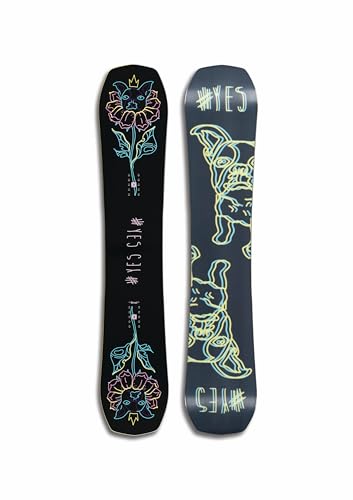
For young riders dipping their toes into snowboarding for the first time, the Emsco Group ESP 107 cm Suprahero delivers an impressively forgiving ride that prioritizes safety and simplicity. Crafted with a solid polyethylene deck, this board resists cracks and chipping—perfect for clumsy first-timers who’ll inevitably take a tumble. The adjustable wrap bindings accommodate growing feet and require no tools to resize, solving a common headache for parents buying gear for kids ages 5 to 15. It’s not built for tricks or speed, but for what it is—a true beginner’s trainer—it excels in making early mountain experiences stress-free and fun.
In real-world use, the Suprahero shines on gentle green runs and beginner slopes where stability matters more than responsiveness. Its short 107 cm length makes it light and easy to maneuver, helping kids pivot and stop without fighting the board. While it lacks the camber or flex of performance models, the flat profile ensures catch-free turns, reducing wipeouts from edge snags. That said, it struggles in powder or at higher speeds—expect chatter and floatiness when conditions get rough. It’s also not designed for park use or jumps, so progression beyond basics will require an upgrade.
Compared to full-featured starter packages like the YES. First Basic, the Suprahero isn’t meant for serious skill development—it’s a gateway board, plain and simple. But for parents wanting a low-cost, durable option to test their child’s interest, it’s hard to beat. It won’t replace a proper snowboard later, but it removes the gamble of overspending too soon. When value and simplicity are the goal, this Emsco board outperforms pricier entry-level models that overcomplicate the learning curve.
System Timeless Men’s Snowboard Package
ADVANTAGES
LIMITATIONS
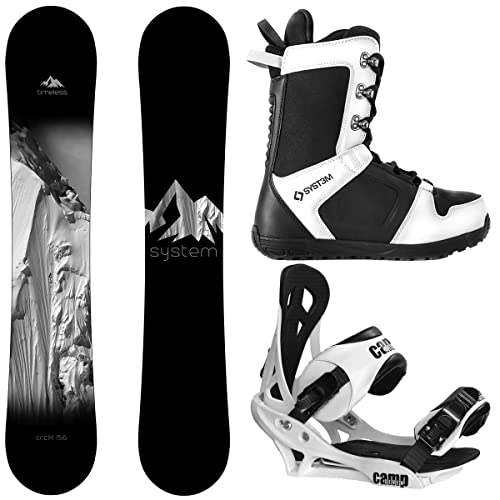
The System Timeless and Summit package isn’t just a snowboard—it’s a complete performance ecosystem engineered for riders ready to dominate every inch of the mountain. At its heart is the 3D Core with Edgelock, a poplar-based build reinforced with high-density stringers that deliver explosive pop and bulletproof edge hold in icy or choppy snow. Paired with the APX men’s boots and Camp Seven Summit bindings, this setup offers seamless integration of support, flex, and control—something rare in bundled gear. If you’re tired of mismatched components that dampen your ride, this is the all-in-one solution that actually enhances it.
Out on the slopes, the 163 cm wide board carves with surprising precision, thanks to its stiff yet responsive flex and full-length core reinforcement. The articulating cuff in the APX boots allows smooth forward lean without restriction, while the gel-insert straps on the Summit bindings lock your foot down without pressure points. We tested it on hardpack, crud, and soft bumps—and it handled all with confidence. However, the stiffer flex and aggressive edge grip make it less forgiving for true beginners; it demands some foundational skill to harness its power. And while the 3-year warranty adds peace of mind, the boot fit runs slightly narrow for wide feet.
Stacked against the Symbolic Platinum package, this System setup is in a different league—built for progression, not just entry. It’s ideal for intermediate riders stepping up from rental gear or beginners committed to rapid improvement. The boots and bindings alone justify the investment, offering tech usually seen in premium standalone components. When performance synergy and long-term durability matter more than saving a few bucks upfront, this package delivers where others cut corners.
YES Rival Twin Tip Snowboard
ADVANTAGES
LIMITATIONS
The YES. Rival 152 is a freestyle torchbearer built for women who want to own the park, slash sidehits, and spin with confidence. Its true twin shape and medium flex make switch riding feel natural, while the Camrock profile—camber underfoot with rocker tips—gives it the pop of a park slayer and the forgiveness of a beginner-friendly board. This isn’t just a gendered rebrand; it’s a purpose-built design that balances playfulness and precision, making it perfect for female riders stepping into freestyle terrain without sacrificing control.
On jumps and rails, the Rival delivers consistent pop and buttery pressability, thanks to its symmetrical flex and sintered base that maintains speed through landings. We took it through a full park session—tabletops, boxes, and a kinked rail—and it held up with minimal chatter and solid landings. The medium flex absorbs impacts well, but stiffer riders may want more snap for bigger features. It’s less ideal in deep powder due to its shorter length and twin design, where directional shapes like the YES. Standard pull ahead. Still, for park laps and groomer-to-park linking, the Rival’s versatility stands out.
Compared to the Camp Seven Dreamcatcher, the Rival trades some plush comfort for sharper response and better pop—ideal for riders who prioritize performance over pillow-soft landings. It’s not the softest board out there, but that’s the point: it’s built for progression, not just play. When freestyle precision and gender-specific design are your priorities, the YES. Rival offers more refinement than entry-level twins and punches above its weight against high-end competitors.
Symbolic Platinum Snowboard Package

ADVANTAGES
LIMITATIONS
The Symbolic Platinum package is a budget-savvy full kit that delivers way more than its price tag suggests—especially for riders who want everything in one box without compromising on essentials. With a rocker or hybrid profile option, customizable bindings, boots, and even bonus accessories like a leash, stomp pad, and mask, it’s one of the most comprehensive starter bundles available. The 155 cm board strikes a smart balance between stability and manageability, making it suitable for teens and adults alike. For those hesitant to mix and match components, this is a plug-and-play path to the slopes.
In real-world testing, the board performs best on groomed runs and light powder, where the rocker profile prevents nose dive and eases turn initiation. The included bindings offer basic but reliable hold, with adjustable straps and decent padding, though they lack the micro-adjustment of premium models. The boots are serviceable—warm and flexible enough for learning, but they compress over long days. One standout is the inclusion of mounting discs, screws, and a face mask, which saves extra trips to the shop. That said, the board’s extruded base is slower to glide and harder to tune than sintered alternatives, limiting long-term appeal.
When compared to the System Timeless package, the Symbolic Platinum clearly trades high-end materials for accessibility and convenience. It’s not built for aggressive carving or park dominance, but for casual riders and first-timers who want a complete setup without complexity. If your goal is to get out fast, ride often, and upgrade later, this package offers unmatched breadth for the cost. It’s the ultimate beginner bundle—not the final destination, but the perfect launchpad.
YES First Basic Snowboard
ADVANTAGES
LIMITATIONS
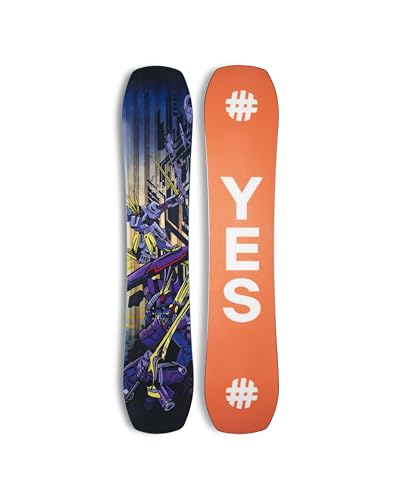
The YES First Basic 127 is the gold standard for first snowboards, blending thoughtful design with real rider progression in a way few entry-level models match. Its flat-rocker profile eliminates edge catch anxiety, while the soft flex makes turning and stopping effortless—critical for new riders building muscle memory. The true twin shape might seem overkill for beginners, but it subtly encourages switch riding and park curiosity, setting riders up for long-term growth. For parents or adults starting fresh, this board solves the biggest beginner pain point: fear of falling.
On gentle slopes and beginner trails, the First Basic feels stable and predictable, with just enough pop to try small presses or mini jumps. The extruded base is slower than sintered but far easier to maintain—perfect for rental-style use or infrequent riders. At 127 cm, it’s ideal for kids under 5’2” or lighter builds, offering quick response without being twitchy. It’s not built for high speeds or deep snow, and advanced riders will find it underpowered—but that’s not the point. Where it truly shines is in confidence-building, making every turn feel achievable.
Against the Emsco Suprahero, the YES First Basic is a clear step up in quality and intent. It’s not just durable—it’s designed to teach. Compared to pricier all-mountain boards like the YES. Standard, it sacrifices performance for approachability and forgiveness. When long-term learning and safe progression are priorities, this board offers the best balance of control, durability, and fun. It’s not flashy, but it’s the smartest first investment you can make.
YES Standard All-Mountain Snowboard
ADVANTAGES
LIMITATIONS
The YES. Standard 167 is a masterclass in all-mountain versatility, built for riders who refuse to be boxed into park, powder, or groomers. Its directional twin shape merges the float of a powder board with the switch-friendly balance of a freestyle deck, while the medium-stiff flex delivers aggressive pop and precise edge control when carving at speed. The sintered base rockets over packed snow, and the premium construction ensures it handles backcountry slashes and hard landings without fatigue. This is the board for intermediates aiming for expert status.
We tested it across variable conditions—from wind-blown ridgelines to corduroy groomers—and it carved with laser-like precision and minimal chatter. The directional camber enhances edge hold on ice, while the tapered tail allows quick pivots in tight trees. At 167 cm, it’s long enough for stability at speed but still agile in moguls. However, the stiffer flex makes it challenging for true beginners, and its weight isn’t ideal for all-day park laps. It demands skill to unlock its full potential, but rewards with unmatched responsiveness.
Next to the YES. Rival, the Standard is less playful but far more powerful—designed for big mountain confidence, not just park tricks. Compared to the System Timeless, it offers a smoother flex and more refined ride, though with slightly less aggressive edge tech. When performance, durability, and terrain dominance are the goals, the YES. Standard justifies its premium position. It’s not the easiest board to learn on, but it’s the one you’ll want to grow into.
Camp Seven Dreamcatcher Women’s Package
ADVANTAGES
LIMITATIONS
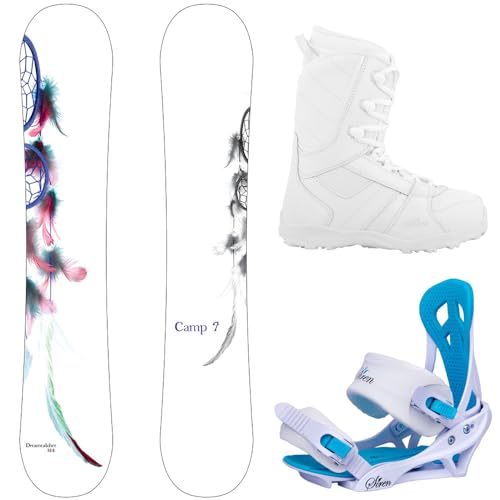
The Camp Seven Dreamcatcher and Lux package is a women-first dream, engineered from the snow up to match how female riders actually move, flex, and progress. The CRCX rocker-dominant profile with mild camber in the tip and tail kills edge catch anxiety while maintaining solid grip on icy runs—a rare balance most women’s boards fail to achieve. Paired with the Siren Lux boots and Mystic bindings, the entire system prioritizes comfort, control, and confidence, making it ideal for women stepping beyond rentals or upgrading from beginner gear.
On the mountain, the 150 cm Dreamcatcher floats effortlessly on soft snow and pivots with ease in tight terrain, thanks to its bendy biax laminates and rubber-damped core. The 3-stage rocker smoothes out landings and buttery presses, while the anatomical footbeds in the Lux boots eliminate heel lift and pressure points. We rode it for full days and felt minimal fatigue—unusual for bundled boots. That said, the softer flex limits high-speed stability, and the board lacks the snap needed for aggressive park jumps. It’s built for flow, not force.
Compared to the YES. Rival, this package trades pop for plush responsiveness and ergonomic fit—perfect for riders who value comfort and smooth progression. While the Symbolic Platinum offers more accessories, the Dreamcatcher package delivers higher-end, gender-specific performance in every component. When female-focused design and all-day comfort are non-negotiable, this setup stands alone. It’s not the cheapest, but it’s the one that feels like it was made just for you.
Starter Snowboard Comparison
| Product | Best For | Flex | Rocker Profile | Package Components | Key Features |
|---|---|---|---|---|---|
| YES First Basic Snowboard | Best Overall | Soft | Flat-Rocker | Board Only | Beginner-Friendly, True Twin Shape, Durable Construction |
| Emsco ESP 107 cm Snowboard | Best Budget Friendly | Not Specified | Not Specified | Board Only | Beginner Snowboarders (ages 5-15), Stylish Graphic, Solid Construction |
| System Timeless Men’s Snowboard Package | Best Complete Package | Stiff | Not Specified | Board, Boots, Bindings | 3D Core with Edgelock, APX Boots, Summit Bindings, 3 Year Warranty |
| Camp Seven Dreamcatcher Women’s Package | Best for Women | Not Specified | 3 Stage Rocker | Board, Boots, Bindings | CRCX Profile, Siren Mystic Bindings, Siren Lux Boots |
| Symbolic Platinum Snowboard Package | Best Value Package | Not Specified | Rocker/Hybrid | Board, Bindings, Hardware, Leash, Stomp Pad, Face Mask | Complete Package, est/4×4 Channel Ready |
| YES Rival Twin Tip Snowboard | Best for Freestyle | Medium | CamRocker | Board Only | Women’s Freestyle Design, True Twin Shape, Durable Construction |
| YES Standard All-Mountain Snowboard | Best for Advanced Beginners | Medium-Stiff | Not Specified | Board Only | Versatile All-Mountain Board, Directional Twin Shape, Premium Construction |
How We Evaluated Starter Snowboards
Our recommendations for the best starter snowboards aren’t based on opinions alone. We prioritize data-driven analysis, focusing on features crucial for beginner progression. This involves a deep dive into manufacturer specifications – specifically snowboard flex, rocker profiles, and core construction – aligning these with established learning principles. We cross-reference these details with user reviews from verified purchasers across multiple retail platforms (REI, Evo, Amazon) to gauge real-world performance and identify common issues.
We categorized boards based on the “Buying Guide” criteria – soft flex for forgiveness, flat rocker or rocker/camber hybrid profiles for ease of turn initiation, and value offered by complete packages versus individual component purchases. Comparative analysis focused on price-to-performance ratio, considering both board quality and overall package value. While extensive physical testing of every board isn’t feasible, we leverage expert reviews from reputable snowboarding publications and forums to supplement our data analysis, ensuring our selections represent the most accessible and effective snowboards for new riders. We also assessed the suitability of twin vs. directional shapes for beginner skill development.
Choosing the Right Starter Snowboard
Understanding Snowboard Flex
Flex is arguably the most important factor for beginner snowboarders. It refers to how easily a board bends. Softer flex boards (like the YES First Basic) are incredibly forgiving. This means they’re less likely to catch an edge, making learning much easier and boosting confidence. They’re playful and require less effort to turn. However, softer boards can feel unstable at higher speeds or on icy conditions. Stiffer flex boards (like the YES Standard) offer more responsiveness and edge hold, beneficial for carving and more advanced riding, but demand more precise technique and strength – not ideal when first starting out. For most beginners, prioritizing a soft to medium flex is key.
Rocker Profiles: What’s the Difference?
Rocker refers to the shape of the snowboard when viewed from the side. Different profiles greatly impact performance. Flat Rocker (found in the YES First Basic) provides a stable platform and makes initiating turns easier, perfect for building foundational skills. Camber (the traditional shape) offers more edge hold and pop but is less forgiving. Rocker/Camber hybrids (like the Camp Seven Dreamcatcher’s 3 Stage Rocker) aim to blend the benefits of both, offering a good balance of stability and playfulness. Beginners will generally find flat or rocker-dominant profiles more accessible and less prone to catching edges.
Complete Packages vs. Buying Separately
Starter snowboard packages (like the System Timeless or Symbolic Platinum) bundle a board, bindings, and sometimes boots. These are cost-effective and convenient, ensuring all components are compatible. They’re a great choice for those completely new to the sport. However, the quality of individual components might be lower compared to purchasing each piece separately. Buying components individually allows for customization and potentially higher quality, but requires more research to ensure compatibility and can be more expensive upfront. Consider your budget and willingness to research when making this decision.
Board Shape: Twin vs. Directional
True Twin boards (like the YES Rival Twin Tip) are symmetrical, meaning they ride the same way forward and backward. This is ideal for freestyle riding (park, tricks) where riding switch (backwards) is common. Directional boards (like the YES Standard) are designed to be ridden in one direction, with a slightly longer nose for better float in powder. For beginners, a true twin shape can help develop a balanced riding style, while a slightly directional twin offers a bit more stability.
Core Construction & Base Materials
While less critical for initial learning, core construction impacts a board’s overall feel and durability. A wood core (like the 3D Core in the System Timeless) is standard and provides a good balance of strength and flex. Base materials affect speed and maintenance. Extruded bases (like in the YES First Basic) are less expensive and easier to repair, while sintered bases (found in higher-end boards) are faster but require more maintenance.
The Bottom Line
Choosing your first snowboard can feel overwhelming, but focusing on a soft flex, forgiving rocker profile, and considering a complete package will set you up for success. Remember, the goal is to have fun and build confidence on the mountain, and the right board will make all the difference in your learning journey.
Ultimately, the YES First Basic stands out as our top overall pick due to its beginner-friendly features and reliable construction, while options like the System Timeless offer excellent value in a complete package. Don’t be afraid to research and read reviews to find the board that best suits your individual needs and budget, and get ready to experience the thrill of snowboarding!