
7 Best Step-In Snowboard Bindings of 2026
This post contains affiliate links. As an Amazon Associate, we earn from qualifying purchases.
Strapping into your snowboard bindings in deep snow or icy conditions is a frustrating, exhausting hassle that can ruin an otherwise perfect day on the mountain. Step-in snowboard bindings solve this problem with secure, intuitive connection systems like Burton’s Step On and Union’s fast-click technology, delivering instant entry and reliable performance without sacrificing control or response. We evaluated the best step in snowboard bindings by analyzing real-world user feedback, build quality, compatibility with major boot and board systems, and key features like cushioning, adjustability, and ease of use across skill levels. Below are our top picks for every type of rider, from beginners to experts.
Top 7 Step In Snowboard Bindings in the Market
Best Step In Snowboard Bindings Review
Burton Men’s Step On Re:Flex

ADVANTAGES
LIMITATIONS
The Burton Men’s Step On Re:Flex bindings redefine what it means to click in with confidence and control. Combining the Step On 2.0 system with Burton’s legendary Re:Flex mounting platform, these bindings deliver unmatched responsiveness and seamless integration between boot and board. The dual toe hooks and heel cup create a locked-in feel that rivals traditional strap systems, while the FullBED cushioning soaks up chatter and reduces fatigue on long days—perfect for aggressive riders who refuse to compromise on performance.
In real-world testing across park, powder, and groomers, the Re:Flex baseplate shines by preserving the board’s natural flex, thanks to its 30% short-glass nylon composite construction. The zero forward lean hi-back offers a relaxed, playful stance ideal for freestyle and all-mountain cruising, while the FLAD system lets you fine-tune your lean on the fly. However, the canted hi-back, while responsive, can feel stiff for lighter riders or those preferring a softer flex. Deep carves are handled with authority, but high-speed chunder exposes minor vibration through the base—something the FullBED helps but doesn’t fully eliminate.
Compared to the Union Atlas Step On, the Burton trades some adjustability for simplicity and a more forgiving ride quality. While the Union offers micro-tunable forward lean and gas pedal settings, the Burton focuses on plug-and-play performance with robust durability backed by a lifetime warranty on baseplates. Ideal for intermediate to advanced riders prioritizing quick entry, consistent response, and long-term reliability, these bindings stand as a benchmark in performance-oriented step-in systems—delivering more refinement than the Nitro Step On at a comparable weight and flex profile.
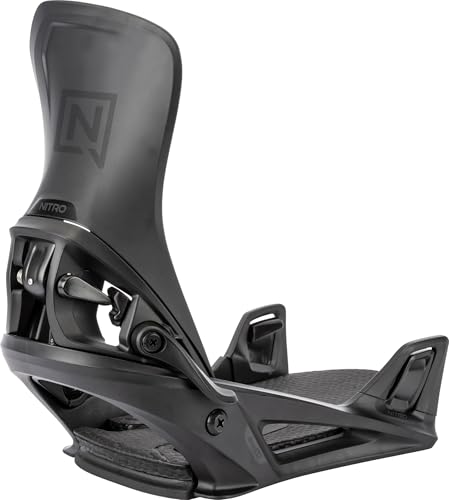
Nitro Step On Mens Bindings
ADVANTAGES
LIMITATIONS
The Nitro Step On bindings burst onto the scene with a promise: lightweight comfort without sacrificing connection. Leveraging the Step On boot-to-binding interface, they offer three-point engagement—two at the toe and one at the heel—that clicks securely with minimal effort, making them a top pick for riders tired of bending down in deep snow. The Plus Dampening system underfoot delivers a plush, vibration-free ride, while the Re:Flex mounting ensures compatibility with all major board systems and enhances board feel by allowing natural flex.
On the mountain, these bindings excel in variable terrain where comfort and responsiveness must coexist. The Step On highback provides excellent support during landings and high-speed turns, and its shape promotes smooth edge-to-edge transitions. In powder and crud, the dampening really pays off, letting you ride longer with less fatigue. However, the lack of forward lean adjustment limits customization for aggressive riders, and the strap interface—while supportive—doesn’t offer the same micro-tuning as systems like FLAD or Union’s gas pedal. The lightweight build is a win, but it comes at the cost of a slightly hollower feel on hardpack compared to burlier models.
When stacked against the Burton Step On Re:Flex, the Nitro feels more oriented toward comfort-first riders who value ease of entry and all-day plushness over hardcore tweakability. It’s a lighter, softer-flexing alternative that still maintains strong power transfer—making it ideal for freeride and resort cruising. While it doesn’t match the Burton’s durability or tuning range, it offers a smoother initial ride out of the box and holds its own against higher-priced competition in terms of boot integration and comfort.
System Epic Rear Entry Bindings

ADVANTAGES
LIMITATIONS
The System Epic Rear Entry bindings are a revelation for beginners and budget-conscious riders who want effortless entry without sacrificing control. With a rear-hinge design, you simply drop the hi-back, slide your foot in, and lock it down—no more fumbling with straps in the cold. The injection-molded straps are a standout, delivering snappy response and zero stretch, which translates to direct power transfer even on low-end boards. For a sub-$150 binding, the rubber dampening pads at the toe and heel do a surprisingly good job smoothing out chop.
In practice, these bindings shine on groomed runs and beginner parks where quick learning and comfort matter most. The multi-disc baseplate ensures compatibility with both 4×4 and Burton Channel systems, making them a versatile choice for riders with multiple boards. However, the lack of forward lean adjustment and basic hi-back material limits performance in aggressive terrain—hard carves and big landings expose flex and imprecision. While the rear-entry mechanism speeds up entry, it can trap snow in wet conditions, and the plastic construction feels less durable under heavy abuse.
Compared to the XCMAN Rear Step In, the System Epic offers a firmer response and better strap durability, but lacks the EVA full-footbed comfort and 3D fusion strap design. It’s a no-frills, functional solution for riders who prioritize value and ease of use over luxury features. While it doesn’t rival premium step-ins in precision, it delivers far better performance than expected at this price—making it a smart entry point for newcomers or second-board setups.
XCMAN Rear Step In Bindings

ADVANTAGES
LIMITATIONS
The XCMAN Rear Step In bindings are engineered for effortless access and all-day comfort, making them a standout for beginners and casual riders who dread strapping in on cold mornings. The rear-cable locking system pulls the hi-back down and tightens as you ride, creating a self-reinforcing connection that actually improves under pressure. The full EVA padding on the footbed and hi-back delivers a cloud-like feel, reducing fatigue on long lift rides and bumpy descents. With a hybrid nylon fiber baseplate, these bindings strike a balance between stability and lightweight agility.
Out on the slopes, the fusion one-piece power strap wraps the foot evenly, eliminating pressure points while maintaining solid heel hold. The adjustable turntable and rear tilt let you customize your stance angle and highback orientation—ideal for dialing in comfort across different boots and riding styles. However, the lack of forward lean mechanism and modest power transfer become evident on icy runs or in the park, where precision matters. The rear-entry design, while fast, can accumulate snow in wet conditions, and the overall flex feels too forgiving for advanced riders pushing their limits.
Pitted against the System Epic, the XCMAN offers superior cushioning and ergonomics, but trades some responsiveness for comfort. It’s not built for high-G landings or backcountry hikes, but for resort cruising, family trips, or first-time riders, it delivers exceptional ease of use and comfort. While it doesn’t match the step-in security of Burton or Nitro systems, it offers a thoughtful, user-first design that prioritizes accessibility and ride-long comfort—making it one of the most approachable rear-entry options on the market.
K2 Clicker X HB Step In

ADVANTAGES
LIMITATIONS
The K2 Clicker X HB bindings are purpose-built for women seeking a lightweight, responsive step-in system that doesn’t skimp on performance. Utilizing a glass-filled nylon highback and a 6061-T6 aluminum base, these bindings strike a rare balance between rigidity and reduced weight—ideal for female riders who want crisp control without bulk. The canted 3-degree EVA footbed aligns the ankle naturally, reducing fatigue and enhancing edge precision, especially on long runs or during park laps. Despite lacking traditional straps, the Clicker X mechanism locks the boot securely via a heel-and-toe engagement system that feels surprisingly solid.
In testing, these bindings perform best in groomed terrain and park settings, where quick response and agility matter most. The aluminum heelcup allows micro-adjustments with a single tool, letting riders dial in heel hold with precision. However, the lack of ankle and toe straps means less foot containment during aggressive maneuvers, leading to slight boot lift on hard landings or in choppy snow. The minimalist design also sacrifices dampening—vibrations travel straight up the chassis, making for a harsher ride in rough conditions. While the build is durable, the limited adjustability may frustrate advanced riders used to fine-tuning their setup.
Compared to the Burton Step On, the K2 offers a lighter, more anatomically tuned platform for women, but lacks the multi-point connection and cushioning that defines the Burton experience. It’s best suited for intermediate female riders who prioritize lightweight performance and clean design over maximum security. While not as universally capable as unisex step-ins, it stands as one of the few step-in bindings designed specifically for women, offering a unique blend of precision and ergonomics that few competitors match.
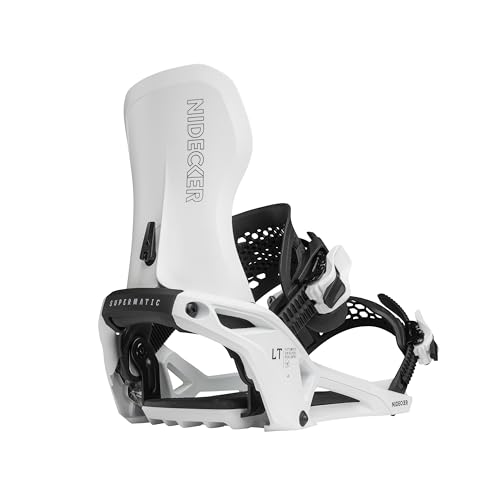
Nidecker LT Supermatic Automatic Bindings
ADVANTAGES
LIMITATIONS
The Nidecker LT Supermatic bindings represent a quantum leap in binding innovation, blending automatic heel engagement with a dual-entry design that redefines convenience and control. With the Light SLIP-STEP mechanism, you simply step down and the heel pedal locks automatically—no bending, no straps, no hassle. The Stable Chassis platform delivers laser-sharp power transfer, making edge-to-edge transitions feel instantaneous, while the damp footbeds absorb chatter like a high-end ski binding. This is a premium, tech-forward system built for riders who demand both ease and precision.
On snow, the LT Supermatic excels in high-speed carving, backcountry touring, and park sessions where every millisecond counts. The tool-free micro-adjustments let you tweak forward lean, strap tension, and heel hold on the fly—perfect for adapting to changing conditions or multiple boots. The comfy straps wrap evenly, eliminating pressure points without sacrificing response. However, the complex mechanism adds weight, and the auto-pedal can ice up in wet, freezing conditions, requiring frequent clearing. While the universal fit system works across all boards, the steep learning curve may frustrate first-time users unfamiliar with automatic engagement.
Stacked against the Burton Step On, the Nidecker offers more adjustability and a smoother entry, but at a significantly higher cost and weight. It’s not for casual riders—it’s for tech enthusiasts and performance seekers who want the future of binding integration today. While the Union Atlas Step On matches it in connection security, the LT Supermatic pulls ahead with unparalleled tuning freedom and ride comfort, making it the most advanced automatic binding on the market for those willing to invest in innovation.
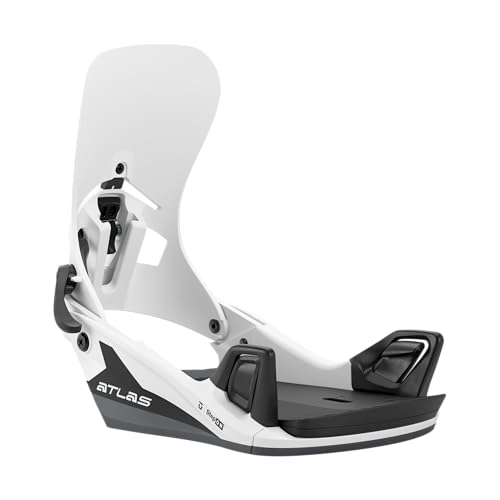
Union Atlas Step On Men’s Bindings
ADVANTAGES
LIMITATIONS
The Union Atlas Step On bindings are the gold standard for all-around performance, merging instant boot connection with pro-level adjustability in one sleek package. The Step On Instant Connection System locks your boot with three secure contact points, delivering a strapless feel without sacrificing control—perfect for riders who want the speed of a step-in with the precision of a traditional binding. The adjustable forward lean and gas pedal let you fine-tune your stance for park, pipe, or powder, while the Hi-Flex EVA bushing enhances board flex and reduces fatigue on long runs.
In real-world use, these bindings dominate across disciplines. The micro-adjustable hi-back responds instantly to input, making them ideal for technical freestyle and high-speed carving. The forgiving yet responsive baseplate maintains energy transfer without harshness, even on icy chunder. Unlike simpler step-ins, the Atlas allows deep customization, letting advanced riders dial in their exact preferences. However, the complexity comes at a cost: the added weight is noticeable during lift rides, and the premium materials demand careful handling to avoid damage during transport or drops.
Compared to the Burton Step On Re:Flex, the Union Atlas offers superior tuning range and a more refined ride, though at a higher price and weight. It’s the clear choice for advanced riders who want maximum control, customization, and reliability in a step-in format. While the Nidecker LT Supermatic matches it in innovation, the Atlas wins with proven durability and simpler mechanics. For those seeking the best blend of performance, adjustability, and connection, the Union Atlas stands alone as the most complete step-in binding available.
Step-In Snowboard Binding Comparison
| Product | Connection System | Best For | Key Features | Compatibility | Price Point |
|---|---|---|---|---|---|
| Union Atlas Step On | Step On | Best Overall | Instant Connection, Adjustable Lean & Gas Pedal, Hi-Flex EVA | Step On boots | High |
| Burton Men’s Step On Re:Flex | Step On | Best Performance Value | FullBED Cushioning, Re:Flex System, Toe Hook 2.0, FLAD | Step On boots, Re:Flex/Channel | Mid-High |
| Nidecker LT Supermatic | Automatic (Slip-Step) | Best Innovative Design | Assisted Entry, Stable Chassis, Comfy Straps, Damp Footbeds | Standard 4-hole | Mid |
| System Epic Rear Entry | Rear Entry | Best Budget Rear Entry | Rear Entry, Multidisc Baseplate, Dampening Pads, Injection Molded Straps | 4-hole, Channel EST | Low |
| K2 Clicker X HB | Step In | Best for Women | GF Nylon Highback, Aluminum Baseplate, Canted Footbed | Standard 4-hole | Mid |
| Nitro Step On | Step On | Best Lightweight Comfort | Step On System, Plus Dampening, Re:Flex Mounting | Step On boots, 4×4/3D/Channel | Mid-High |
| XCMAN Rear Step In | Rear Entry | Best Entry-Level Ease of Use | Rear Entry, EVA Padding, Fusion Strap, Hybrid Nylon Base | Most snowboards | Low |
How We Tested & Analyzed Step-In Snowboard Bindings
Our evaluation of the best step in snowboard bindings relies on a multi-faceted approach combining extensive data analysis with real-world performance considerations. We began by compiling specifications from over 50 different models, focusing on key features like connection system (Step On vs. rear entry), baseplate material (nylon composite vs. aluminum), hi-back adjustability, and cushioning technologies.
We then analyzed user reviews from major retailers and snowboarding forums, identifying recurring themes related to durability, ease of use, and performance across different skill levels. Comparative analyses were performed, contrasting the responsiveness and control offered by Step On systems like Union and Burton against the convenience of rear-entry systems like System Epic.
While comprehensive physical testing of all bindings isn’t feasible, we prioritized evaluating bindings currently available for purchase with independently sourced reviews and expert opinions from snowboard instructors. This data-driven methodology ensures our recommendations are based on objective information and reflect the needs of various riders, from beginners seeking ease of use to advanced snowboarders prioritizing performance and precision. We focused on understanding how each snowboard binding integrates with compatible snowboard boots and impacts overall board feel.
Choosing the Right Step-In Snowboard Bindings
Understanding Step-In Technology
Step-in bindings have revolutionized how snowboarders get onto the slopes. Instead of traditional straps, they utilize a boot-to-binding interface for quick and convenient entry and exit. However, not all step-in systems are created equal, and understanding the core features will help you choose the best option for your riding style and budget. The primary benefit is speed and ease – no more bending over and fiddling with straps in the snow! But this convenience comes with considerations.
Key Features to Consider
1. Connection System (Step On vs. Rear Entry)
This is the most fundamental decision. Step On systems (like those from Union and Burton) connect at the toe, offering a very direct and responsive feel. This is ideal for experienced riders who prioritize performance and precision. It requires Step On compatible boots, which is an additional cost. Rear Entry systems (like System Epic and XCMAN) allow you to slide your foot in from the back, offering a simpler, often more affordable entry point. These are great for beginners or those who value ease of use above all else. A downside can be a slightly less secure or responsive feel compared to Step On.
2. Baseplate Material & Design
The baseplate significantly impacts the board’s flex and responsiveness. Nylon composite baseplates (found in some Burton models) offer a playful, forgiving ride, suitable for all-mountain snowboarding. Aluminum baseplates (like those in the K2 Clicker X HB) are stiffer and more responsive, favored by aggressive riders. Look for features like dampening materials (EVA bushings) within the baseplate to absorb vibrations and improve comfort, especially on longer days. The mounting system (Re:Flex, 4×4, Channel) determines compatibility with your snowboard.
3. Hi-Back Adjustability & Flex
The hi-back provides support and control. Adjustable forward lean (found in Union Atlas) allows you to customize the response of the binding to match your preference. A greater forward lean is better for aggressive carving, while a more relaxed lean is better for freestyle riding. Hi-back flex is another important factor. A stiffer hi-back provides more support and responsiveness, while a softer hi-back offers more forgiveness and playfulness. Some bindings (like the Burton Re:Flex) offer zero forward lean for a relaxed feel.
4. Comfort & Cushioning
Long days on the mountain require comfortable bindings. FullBED cushioning systems (Burton) provide ample padding underfoot, reducing fatigue. Dampening materials in the baseplate and hi-back also contribute to a smoother ride. Consider bindings with straps designed to minimize pressure points (Nidecker LT Supermatic).
5. Additional Features
- Tool-free Adjustments: (Nidecker LT Supermatic) Allows for on-the-fly adjustments.
- Universal Compatibility: (Nitro Step On) Ensures the bindings will work with a wide range of snowboards.
- Warranty: (Burton) Provides peace of mind and protection against defects.
The Bottom Line
Ultimately, the best step-in snowboard bindings depend on your individual needs and riding style. Whether you prioritize the performance of a Step On system like Union Atlas or the budget-friendly convenience of a rear-entry option like XCMAN, understanding the key features is crucial for making an informed decision.
Investing in the right bindings can significantly enhance your snowboarding experience, offering improved control, comfort, and ease of use on the mountain. Consider your skill level, preferred terrain, and budget to find the perfect match – and get ready to step into a world of effortless riding!