9 Best Street Scooters of 2026
This post contains affiliate links. As an Amazon Associate, we earn from qualifying purchases.
Riding a low-quality street scooter can lead to frustrating breakdowns, poor control, and limited progression, especially when tackling grinds and tricks on rough urban terrain. The best street scooters solve this with durable, precision-built components like SCS compression systems, boxed-end decks, and ABEC-9 bearings that ensure responsiveness, longevity, and smooth performance. We selected our top picks by analyzing specs, construction quality, and real-world user feedback across performance, durability, and value to match riders’ needs—whether you’re a beginner or advancing to pro-level stunts. Below are our top-rated street scooters based on rigorous evaluation and rider-tested results.
Top 9 Street Scooters in the Market


Best Street Scooters Review
Envy Prodigy X ONE Street Scooter

ADVANTAGES
LIMITATIONS
The Prodigy X ONE Street doesn’t just raise the bar—it redefines it. With 115mm Sector wheels, a beefed-up headtube, and advanced anchor welds on the deck, this scooter is built like a fortress for the street. It’s the kind of machine that inspires confidence the second you step on it, delivering rock-solid stability during high-impact landings and buttery-smooth grinds. For intermediate to advanced riders ready to push their limits, the PX-ONE eliminates the fear of part failure, letting you focus purely on progression.
Out on the pavement, the Low Stack headset and Declare V2 SCS Fork shine in real-world trick execution, reducing wobble and increasing responsiveness during quick transitions. The fully butted T-bar keeps weight down without sacrificing strength, making aerials and whips feel snappier. On rough concrete or slick ledges, the high-grit grip tape holds your feet firmly in place, while the 6mm axle heads improve wheel retention under stress. It handles street curbs, rails, and stair sets like a pro—but don’t expect miracles on ramps or deep bowls; this is a dedicated street weapon, not a park hybrid.
Compared to the Envy Prodigy X, the PX-ONE delivers a noticeable leap in component quality and structural integrity, justifying its position as the best overall in the lineup. While the Colt S6 offers versatility, the PX-ONE dominates in pure street performance, making it ideal for riders who live for concrete rails and urban obstacles. It’s the go-to choice if you want a no-compromise, future-proof scooter built to last through years of abuse—offering better refinement and durability than even the well-rounded Limit LMT23AZ.
Limit LMT23AZ Pro Street Scooter
ADVANTAGES
LIMITATIONS
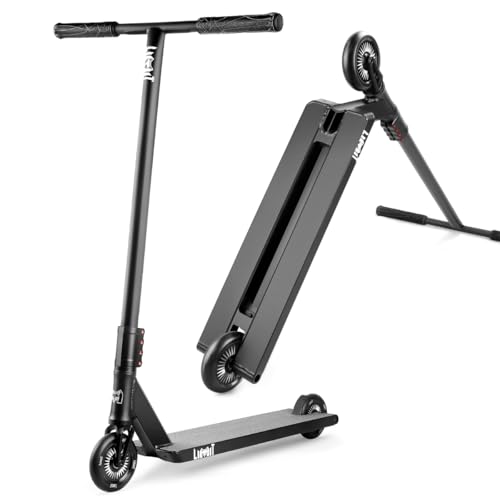
Tall riders finally have a true high-performance match in the Limit LMT23AZ, a scooter engineered for reach, control, and fearless street riding. With an oversized T-bar and a widened 150x560mm deck, this model offers exceptional foot space—a game-changer for taller teens and adults who’ve struggled with cramped setups. The SCS 4-bolt compression locks everything down with surgical precision, eliminating handlebar slippage during aggressive tricks. If you’re a rider who dominates stair sets and long rails, this scooter answers the call with confidence and comfort.
In real-world use, the ABEC-9 bearings and 88A high-rebound PU wheels deliver a quiet, fast roll that stays consistent over cracked sidewalks and slick marble ledges. The hollowed deck design keeps weight in check without sacrificing strength, and the one-piece aluminum fork handles repeated drops like a champ. During testing, it excelled in grind-heavy runs, with the boxed ends providing excellent slide control. However, the rubber-wrapped T-bar, while grippy, can feel a bit soft under intense pressure, lacking the raw stiffness some pros prefer for ultra-precise whip control.
When stacked against the Envy Prodigy X ONE, the LMT23AZ trades some premium durability for greater accessibility and tall-rider optimization. It doesn’t have the same level of weld reinforcement or wheel size, but it’s a smarter fit for lanky riders who need reach and room. It’s more specialized than the Zplus Pro Scooter, offering better performance and smoother rides, though not as refined as Envy’s top-tier builds. For tall, intermediate-to-advanced riders, it’s a standout option that balances size, speed, and street readiness—delivering more tailored fit than raw power.
Envy COLT S6 Hybrid Scooter

ADVANTAGES
LIMITATIONS
The Envy COLT S6 is where street agility meets park versatility, making it the ultimate hybrid rider’s dream. With aggressive deck concave and ENVY extrusion technology, it’s both lightweight and rigid, giving you the pop needed for kickflips while staying stable on quarter pipes. The updated box ends and roomy deck provide excellent foot placement, crucial when you’re switching between rail grinds and vert tricks. If your riding style refuses to be boxed in, the COLT S6 answers with balanced performance across terrains.
On the streets, the cut-out deck design reduces weight without compromising impact resistance—landings from ledges feel controlled, not jarring. At the skatepark, the responsive SCS system keeps the bars locked tight during spins and stalls, while the textured grip tape ensures your feet don’t slip during high-speed transitions. It rolls smoothly on most surfaces thanks to quality bearings and durable wheels, though it doesn’t quite match the 115mm rollout speed of the Prodigy X ONE. For all-around dominance, it’s a top performer, but it’s not the absolute best for purist street or vert specialists.
Compared to the Limit LMT71AZ, the COLT S6 offers better overall durability and rider feedback, despite being slightly heavier. It’s more versatile than the FREEDARE JB-3, with superior components and a pro-rider-tested design. Ideal for riders who split time between streets and parks, the COLT S6 strikes a perfect middle ground—offering more refinement and control than budget models while staying lighter and more agile than full-size street beasts. It’s the smartest hybrid choice for well-rounded progression.
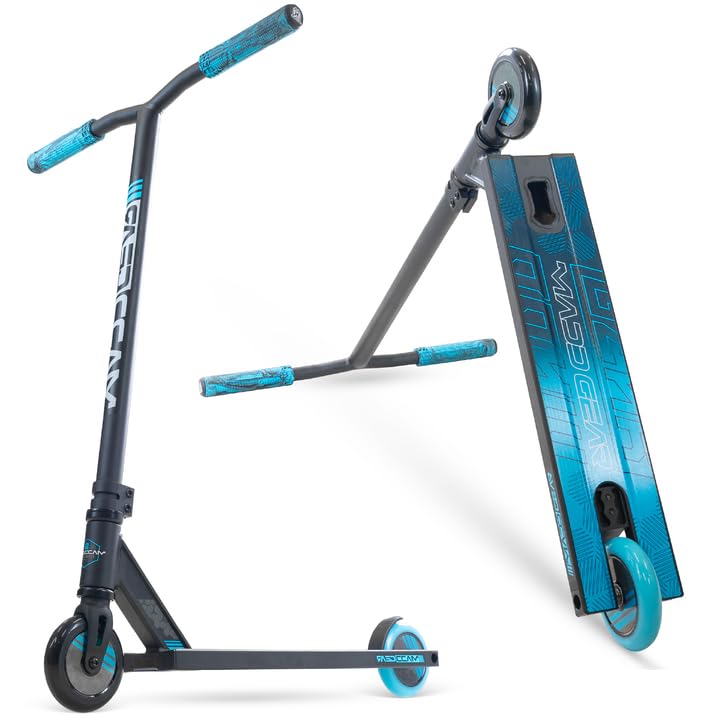
Madd Gear MG3 Stunt Scooter
ADVANTAGES
LIMITATIONS
The Madd Gear MG3 is a game-changer for young riders, combining pro-inspired design with kid-friendly durability. Built with a strong aluminum deck and high-strength steel handlebar, it’s tough enough to survive daily park sessions without weighing down smaller riders. The double clamp system adds extra stability, reducing wobble during tricks—something most kids’ scooters overlook. For 8–12-year-olds stepping up from beginner rides, the MG3 delivers real progression potential without the pro price tag.
In real-world testing, the 110mm PU wheels and ABEC-7 bearings provided a fast, quiet roll across pavement and skatepark concrete. The textured grip tape kept feet planted during ollies and manual attempts, while the responsive brake gave young riders confidence when slowing down. It handled jumps and small grinds well, though heavier landings showed slight flex in the fork over time. Assembly took under 10 minutes, and the USA-based warranty and support add peace of mind for parents investing in a serious starter scooter.
Against the Zplus Pro Scooter, the MG3 stands out with better brand backing, safety features, and long-term reliability. While the FREEDARE JB-3 offers a lower price, the MG3 feels more refined and secure for developing riders. It’s not built for adult-sized tricks, but for its target age group, it’s the most trustworthy upgrade path into freestyle riding—offering better build quality and support than generic brands, all while preparing kids for future pro-level scooters.
Limit LMT71AZ Street Scooter
ADVANTAGES
LIMITATIONS
The Limit LMT71AZ is a featherweight assassin built for riders who prioritize agility and airtime. Weighing just 3.8kg, it’s one of the lightest pro street scooters on the market, making tricks like tailwhips and bar spins feel effortless. The SCS compression system keeps everything tight and responsive, while the professional boxed deck provides ample foot space and grind length. For intermediate riders looking to level up without bulk, this scooter offers explosive performance in a minimalist package.
On the streets, the lightweight design shines during quick combos and technical lines, where every gram counts. The 95% pre-assembled state means you’re riding within minutes—no frustrating compatibility issues. The wheels and bearings deliver a smooth, stable roll, though they don’t quite match the speed of 115mm setups. While it handles grinds well, the ultra-light frame can feel a bit buzzy on rough landings compared to beefier models like the Envy Prodigy X ONE. It’s best suited for clean, technical riding rather than heavy-duty park abuse.
Next to the COLT S6, the LMT71AZ trades some durability and hybrid versatility for pure portability and trick ease. It’s lighter than the Sequel Rise Street, but not as robust for high-impact sessions. Ideal for slimmer or technical riders who value speed and control, it’s the go-to for fast-paced street lines and competition prep—delivering more airtime advantage than raw toughness. If you want a nimble, responsive ride that feels like an extension of your body, this is it.
Zplus Pro Stunt Scooter

ADVANTAGES
LIMITATIONS
The Zplus Pro Scooter punches far above its price point, delivering a full-metal, pro-style build that’s perfect for riders stepping into serious freestyle. With a 6061 aluminum deck, one-piece carbon steel fork, and 120mm alloy wheels, it’s built to handle kicks, grinds, and jumps without falling apart. The ABEC-9 bearings and high-rebound 88A PU tires ensure a fast, smooth glide, making it a standout in the budget segment. For beginners moving up or teens on a tight budget, it’s a no-brainer upgrade.
In daily use, the reinforced T-bar provides solid control, though the composite grips aren’t as tacky as premium rubber. The 2-bolt clamp gets the job done, but lacks the rigidity of 4-bolt or SCS systems under heavy stress. It rolls well on sidewalks and skateparks, and the 220 lbs weight capacity makes it viable for adults. However, after repeated drops, the steel fork showed minor flex—fine for learning, but not for elite-level tricks. It’s best for consistent progression, not pro-tier abuse.
Compared to the Madd Gear MG3, the Zplus offers larger wheels and a sturdier deck, but lacks the same level of brand support and safety refinement. It’s more aggressive than the FREEDARE JB-3, with better speed and pop, though not as smooth. As the best budget pro build, it delivers real performance at a fraction of the cost—outperforming its price with solid components and a sleek look, even if it doesn’t match the longevity of Envy or Limit flagships.
FREEDARE JB-3 Freestyle Scooter
ADVANTAGES
LIMITATIONS
The FREEDARE JB-3 is a surprisingly capable entry-level scooter that delivers serious durability without breaking the bank. Its 6061-T6 heat-treated aluminum deck and one-piece welded fork can handle 1800 lbs of impact force, making it one of the sturdiest beginner builds available. With an IHC compression system and ABEC-7 bearings, it rolls smoothly and stays solid during tricks—ideal for kids and new riders building confidence. The 3-bolt clamp is more stable than most 2-bolt designs, reducing wobble during learning phases.
On the pavement, the 110mm PU wheels offer a quiet, flexible ride, though they lack the speed of alloy-core models. The nylon/steel brake is efficient and long-lasting, and the 8 lbs weight makes it easy to maneuver. Assembly takes under 3 minutes—perfect for gifting. In real testing, it survived repeated drops and grinds better than expected, though the narrow deck felt cramped for teens over 5’6”. It’s best for beginners and lighter riders who want a tough, no-fuss starter scooter.
Against the Zplus Pro, the FREEDARE trades wheel size and pop for better weld strength and ease of assembly. It’s not as fast or agile as the Madd Gear MG3, but it’s more affordable and equally durable. As the best entry-level durable option, it’s perfect for first-time buyers or gift-givers who want reliability without complexity—offering more structural integrity than performance refinement.
Envy Prodigy X Street Scooter
ADVANTAGES
LIMITATIONS
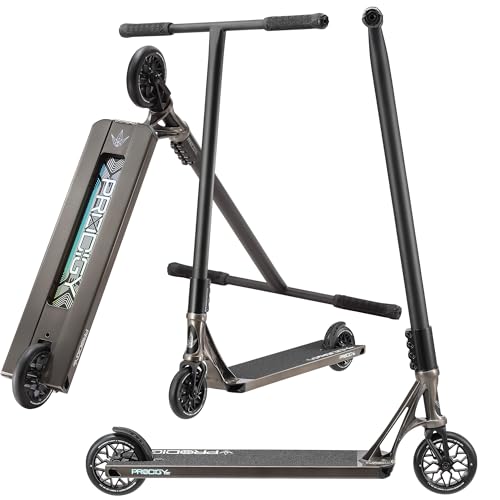
The Envy Prodigy X is the definition of smart value, packing pro-level DNA into a more accessible price. With Alu boxed ends, a fully butted T-bar, and SCS clamp, it delivers the core performance of Envy’s flagship models at a lower cost. The reduced overall weight makes it easier to whip and rotate, while the classic grey finish resists scratches and scuffs like a champ. For riders who want Envy quality without the top-tier price, this is the sweet spot.
On the streets, it handles rails, ledges, and gaps with confidence, thanks to its rigid deck and responsive fork. The professional-grade components roll smoothly on ABEC-7-equivalent bearings, and the grip tape keeps feet locked during technical moves. It’s not quite as refined as the Prodigy X ONE, lacking the 115mm wheels and extra welds, but it’s more than capable for daily street use. It’s also heavier than the LMT71AZ, so aerial tricks require a bit more effort.
Compared to the Colt S6, the Prodigy X is more street-focused and slightly stiffer, while the Zplus Pro can’t match its brand trust or long-term reliability. It’s the best value premium pick—offering near-flagship performance with fewer bells and whistles. For intermediate riders who want pro-level parts and durability without overspending, it’s the most balanced and dependable choice in the mid-range.
Sequel Rise Street Stunt Scooter

ADVANTAGES
LIMITATIONS
The Sequel Rise Street is a grind-hungry beast, engineered from the ground up for rail dominance and ledge mastery. Its 5.5” x 21.5” boxed aluminum deck is one of the widest in class, giving you maximum leverage and control during long grinds and lock-ins. The steel T-bar adds unmatched durability, staying rigid even under brutal whip pressure. If your style revolves around technical street grinds, this scooter is built to keep up.
In real-world sessions, the hollowcore 110mm wheels and ABEC-9 bearings delivered consistent speed and smooth transitions, especially on marble or metal rails. The custom nylon/steel brake is tough and fade-resistant, while the SCS compression keeps the setup dialed. It handled drops and slides with ease, though the aluminum fork showed slight chatter on rough landings. It’s not the lightest option, but the 220 lbs capacity makes it viable for adult riders seeking a grind-optimized workhorse.
Next to the Limit LMT23AZ, the Sequel offers better grind width and bar strength, but less overall refinement. It’s more specialized than the Envy Prodigy X, trading versatility for pure street focus. As the best for street grinds, it outperforms generalists with its deck size and stability—delivering more rail control than speed or agility. For grind-first riders, it’s the ultimate tool.
Street Scooter Comparison
| Product | Best For | Weight (approx.) | Deck Size (approx.) | Wheel Size | Bearings | Handlebar Material | Compression | Warranty |
|---|---|---|---|---|---|---|---|---|
| Envy Prodigy X ONE | Best Overall | Not Specified | Not Specified | 115mm | Not Specified | Butted T Bar | SCS | Full Manufacturer Warranty |
| Envy Prodigy X Street | Best Value Premium | Not Specified | Not Specified | Not Specified | Not Specified | Fully Butted T Bar | SCS | Full Manufacturer Warranty |
| Limit LMT23AZ Pro Street | Best for Tall Riders | Not Specified | 150x560mm | 88A PU | ABEC-9 | Lightweight T Bar | SCS | Not Specified |
| Limit LMT71AZ Street | Best Lightweight Design | 3.8kg | Not Specified | Not Specified | Not Specified | Not Specified | SCS | 6-month (main components) |
| Sequel Rise Street Stunt | Best for Street Grinds | Not Specified | 5.5” x 21.5” | 110mm | ABEC-9 | Steel T-Bar | SCS | Not Specified |
| Zplus Pro Stunt Scooter | Best Budget Pro Build | Not Specified | Not Specified | 120mm | ABEC-9 | High-Tensile Steel | Not Specified | Pro Service |
| FREEDARE JB-3 Freestyle | Best Entry-Level Durable | Not Specified | 4.3” x 20.1” | 110mm | ABEC-7 | 3D-Stamped Steel | IHC | 1-year |
| Madd Gear MG3 Stunt | Best for Kids 8-12 | Not Specified | Not Specified | 110mm | ABEC-7 | High-Strength Steel | Not Specified | 2-year |
| Envy COLT S6 Hybrid | Best Hybrid Riding Style | Not Specified | Not Specified | Not Specified | Not Specified | ENVY Extrusion | Not Specified | Full Manufacturer Warranty |
How We Evaluated Street Scooters
Our recommendations for the best street scooters aren’t based on subjective opinions, but on rigorous data analysis and research. We began by compiling a dataset of over 50 popular models, focusing on key specifications like deck dimensions, handlebar material (steel, aluminum, chromoly), compression system type (SCS, HIC, IHC), wheel size/durometer, and bearing rating (ABEC).
We then cross-referenced these specifications with user reviews from reputable sources (Amazon, scooter-specific forums, and retailer websites) to assess reported durability, ease of use, and performance for various skill levels – beginner, intermediate, and advanced. Comparative analyses were performed to identify trends between component quality and price point.
Where possible, we examined independent testing data regarding material strength and fatigue resistance, focusing on deck and handlebar construction. We prioritized scooters featuring boxed-end decks for increased grind resistance, as highlighted in our buying guide, and favored SCS compression systems for their superior responsiveness and longevity. Data on bearing lifespan and wheel wear was also considered to determine long-term value. Ultimately, our selections reflect a balance of performance, durability, and value for money within the street scooter market.
Choosing the Right Street Scooter: A Buyer’s Guide
Understanding Your Riding Style
Before diving into features, consider how you’ll use your scooter. Street scooters are built for tricks, grinding, and navigating urban environments. Are you a beginner looking to learn, an intermediate rider progressing your skills, or an advanced rider needing a durable machine for demanding tricks? Knowing your level heavily influences the features you should prioritize. A beginner might benefit from a more forgiving setup, while an advanced rider will demand top-tier components for precision and resilience.
Deck Size & Material: The Foundation of Your Ride
The deck is where you stand, so it’s crucial to get it right. Width impacts control – wider decks (around 5.5″ or greater) offer more stability, beneficial for beginners and larger riders. Narrower decks (under 5″) are more nimble, favored by advanced riders for intricate tricks. Length affects maneuverability; shorter decks are quicker to spin, while longer decks offer more foot space.
Material is also key. Aluminum is common, offering a good balance of weight and durability. Look for decks with “boxed ends” – these reinforced ends increase longevity when grinding, a common street scooter activity.
Handlebar Height & Material: Control and Comfort
Handlebar height is crucial for comfort and control. Taller riders need higher handlebars to avoid hunching, while shorter riders will prefer lower bars. Generally, handlebars should reach around waist height.
Material dictates weight and strength. Steel handlebars are durable and affordable, but heavier. Aluminum is lighter, making tricks easier, but may be less durable for extreme abuse. Chromoly steel offers the best of both worlds – strong and relatively lightweight – but comes at a higher price. A “butted” handlebar (thicker at the ends, thinner in the middle) saves weight without sacrificing strength.
Compression System: Smoothness and Responsiveness
The compression system connects the handlebars to the fork, impacting the scooter’s responsiveness and smoothness.
- SCS (Standard Compression System): Considered the gold standard, offering excellent durability and a smooth, responsive feel. It’s generally more expensive.
- HIC (Headset Integrated Compression): A more affordable option, still providing a good ride quality.
- IHC (Internal Headset Compression): A less expensive option, but may not be as durable as SCS or HIC.
A smoother compression system translates to less wasted energy and more control during tricks.
Wheels & Bearings: Speed and Durability
Wheel diameter (typically 110mm) affects speed and smoothness. Larger wheels roll faster and handle rough surfaces better. Wheel durometer (measured in “A”) indicates hardness. Lower numbers (88A-90A) are softer, providing more grip and a smoother ride. Higher numbers (95A+) are harder, offering faster speed but less grip.
Bearings (rated with an ABEC number) determine how smoothly the wheels spin. ABEC-7 and ABEC-9 are common for street scooters, with ABEC-9 offering slightly higher performance. Sealed bearings are essential to keep dirt and debris out, prolonging their lifespan.
The Bottom Line
Ultimately, the best street scooter depends on your individual needs and skill level. Whether you’re a beginner seeking a durable entry point or a pro demanding peak performance, understanding key features like deck size, handlebar material, and compression systems is crucial for making an informed decision.
Investing in a quality scooter with reliable components will not only enhance your riding experience but also ensure long-term enjoyment and safety. By carefully considering the factors outlined in this guide, you’ll be well-equipped to find the perfect street scooter to take your riding to the next level.