10 Best Wide Snowboards in 2026
This post contains affiliate links. As an Amazon Associate, we earn from qualifying purchases.
Our top pick for a wide snowboard is the Jones Mountain Twin Snowboard, which balances high-performance all-mountain versatility with a width that prevents toe drag. For aggressive freeriding, the Lib Tech Orca Snowboard excels, while the Rossignol Evader Wide Snowboard is the best choice for beginners needing stability. Riders with larger boots should consider the powerful Lib Tech Skunk Ape Snowboard.
Choosing a wide board isn’t just about preventing heel and toe drag. The right width enhances stability and edge control for larger-footed riders, but you still need a shape and flex that match your riding style, from park laps to deep powder.
We researched manufacturer specifications, expert round-ups, and patterns in rider feedback to evaluate these boards. This guide helps you find a wide snowboard that fits your boots and your ambitions on the mountain.
Top 10 Wide Snowboards in the Market
Certain content that appears on this site comes from Amazon. This content is provided "as is" and is subject to change or removal at any time.
The Best Wide Snowboards, Reviewed
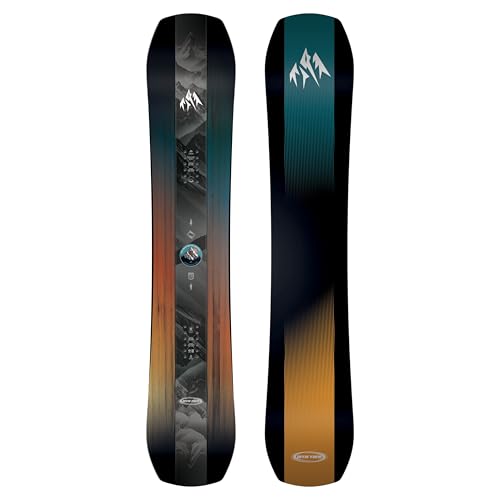
Jones Mountain Twin Snowboard
What We Like
- CamRock profile for smooth turn initiation and pop
- Directional twin flex offers stability for confident landings
- Premium construction with carbon flax for efficient energy transfer
Trade-offs
- Directional twin shape, not a pure twin
A directional twin flex pattern gives the Jones Mountain Twin Snowboard responsive turn initiation and stable landings, which suits intermediate riders moving across varied terrain. Its CamRock profile mixes rocker’s playfulness with camber’s power for control in different conditions. Drawing on Jones’s backcountry heritage, the board reflects a design philosophy focused on mountain-tested durability and confident performance from groomers to powder.
The Mountain Twin’s all-mountain design means it does not specialize in a single discipline. For riders focused purely on deep powder, other products like the Lib Tech Orca are dedicated freeride shapes. This board serves those who want one reliable tool for groomers, park features, and variable snow with a balanced, versatile feel.
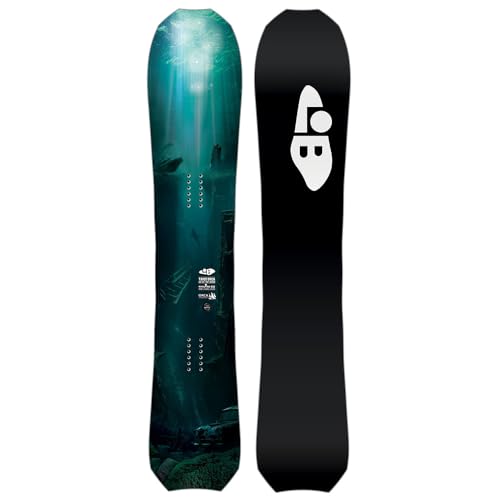
Lib Tech Orca Snowboard
What We Like
- Short, volume-shifted design maximizes agility and control
- Directional shape and Whale Tail provide explosive pop and powder float
- Horsepower Construction core yields a lightweight, strong, and lively ride
- Sintered knife-cut base ensures fast glide and durability
Trade-offs
- Volume-shifted shape can feel loose between the feet for some riders
- Ride length 3 to 6 cm shorter than normal, requiring a sizing adjustment
A volume-shifted 156cm length paired with a 13.8-inch waist width creates a board that rides shorter for agility but stays wide for float. This design, combined with a tight 7m sidecut and powerful camber tail, makes the Orca a precision tool for aggressive riders who prioritize quick, powerful turns in steep and technical terrain. It suits intermediate to advanced snowboarders looking for a freeride specialist that excels in powder and on hardpack, making difficult conditions feel more manageable and fun.
The Lib Tech Orca’s volume-shifted shape and directional C2 contour make it a forgiving and versatile board for many riders, with reviewers noting it makes snowboarding easier and fun. Its short, wide package provides easy float in powder and excellent grip on edge, even on hard or icy snow. Some owners mention a looser feel between the feet and a base that is slower and more thirsty compared to others.
Product photos
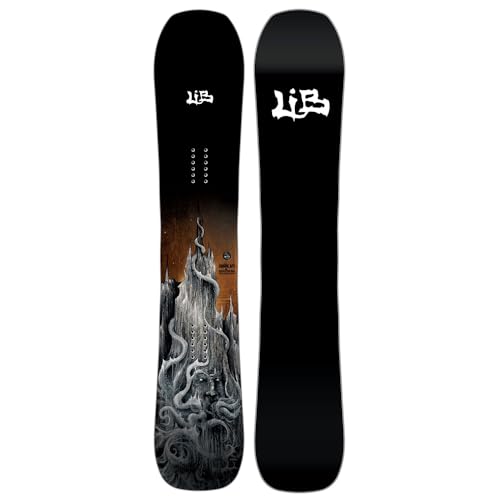
Lib Tech Skunk Ape Snowboard
What We Like
- Wide platform prevents toe drag for large riders
- Magne-Traction edges provide superior grip on ice
- Directional camber offers explosive pop and control
- Medium-firm flex delivers stable, powerful response
Trade-offs
- At 8.0 pounds, it is heavier than many all-mountain boards
- The 7/10 flex requires confident, aggressive input to bend
A waist width stretching to 28.5 cm means your boots stay clear of the snow, giving larger riders the stable platform they need without compromise. The Lib Tech Skunk Ape is built for bigger, powerful riders who charge hard at the resort and demand float in powder. Its directional camber profile provides the precise control and pop required for aggressive turns, while the Magne-Traction edges bite confidently into hardpack and ice. This board suits someone who values a damp, stable ride over quick, flickable playfulness.
The Lib Tech Skunk Ape’s 8-pound weight and medium-firm flex give it a substantial, stable feel underfoot, which suits a strong and committed riding style. It’s not intended for lightweight riders or those wanting a loose, surfy feel. Among wide boards, its 28.5 cm maximum waist width is larger than the Bataleon Goliath+’s 13-inch waist, providing more platform for bigger riders to prevent toe drag.
Product photos
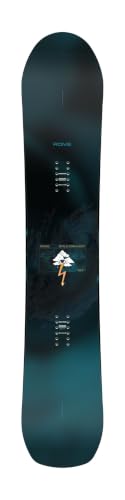
Rome Snowboards RO.27.10.CREW Wide Snowboard
What We Like
- Fusion Camber for forgiving yet powerful switch riding
- Carbon HotRods for hyper-charged power and response
- Symmetrical Twin Single HotRods for balanced performance
- Flax Impact Plates for lightweight strength and durability
Trade-offs
- Sintered base requires more maintenance than an extruded base
- Twin shape is less specialized for deep powder than a directional board
A flex rating of 6/10 gives this board a balanced feel that’s forgiving enough for playful maneuvers but still delivers solid power when you load it up. Combined with its true twin shape and Fusion Camber profile, this setup is specifically tuned for riders who spend as much time riding backward as forward. It excels on groomers and in the park, where the symmetrical design and rocker-camber-rocker hybrid provide a stable yet loose feel for landing switch and buttering.
The trade-off for that versatile twin performance is that it’s not a dedicated powder specialist like the Lib Tech Orca. Its sintered base offers great speed, though it demands more waxing care than an extruded base. For a rider prioritizing all-mountain freestyle and switch riding over deep backcountry days, the Rome Crewzer’s construction delivers a responsive and durable platform. With features like Carbon HotRods and Flax Impact Plates, it supports progression without being overly punishing.
Product photos
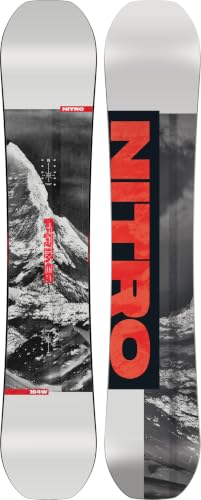
Nitro Prime Raw Snowboard
What We Like
- Fully biodegradable, natural factory wax
- Versatile directional twin shape for all-mountain riding
- Lightweight Power Core poplar wood construction
- Accessible 5/10 flex for beginner and intermediate progression
Trade-offs
- Extruded base requires more frequent waxing than sintered alternatives.
- The 5/10 flex may feel too soft for aggressive, high-speed freeriding.
The Nitro Prime Raw arrives factory-tuned with a 100% biodegradable wax made from renewable resources, making it a standout for riders who prioritize eco-conscious gear without sacrificing a ready-to-ride setup. Its directional twin shape and medium 5/10 flex create a forgiving platform that excels on groomers and handles switch riding competently, perfectly suiting a beginner or intermediate rider building all-mountain confidence. The Power Core poplar wood offers a balanced feel that translates rider input reliably across the mountain.
The Nitro Prime Raw uses an extruded base, which is known for durability and easier maintenance. This contrasts with boards like the Bataleon Goliath+ or Nidecker Alpha APX that feature a sintered base, a material choice that typically involves a different performance trade-off. Its 5/10 flex and directional twin shape create a versatile and forgiving ride suited for progression, while advanced riders often seek stiffer flex patterns, like the 7/10 on the Goliath+, for more aggressive terrain.
Product photos
Bataleon Goliath+ Snowboard
What We Like
- Fastest sintered base for high-speed stability
- Carbon stringers deliver explosive pop and dampening
- Lightweight Super Ultra LightCore + AirRide for snappy response
- D.R.S.T. system directs extra energy to the edges
Trade-offs
- A flex of 7/10 demands an aggressive, powerful riding style
- Directional shape limits switch riding versatility
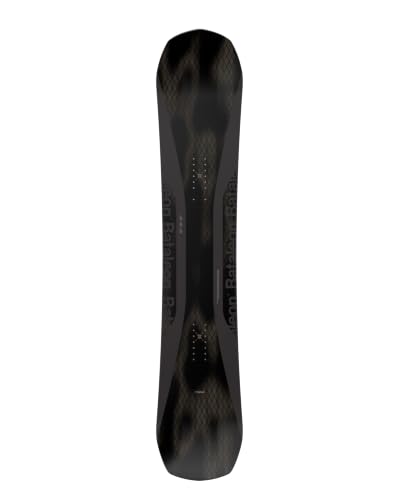
The Bataleon Goliath+ has a Nano Speed S sintered base, the same material used on race skis, which means it holds wax exceptionally well and maintains its speed on long, steep groomers. With a 7/10 flex and carbon stringers, this board is built for aggressive riders who drive hard into turns and want a damp, stable platform at high velocities. The directional shape and camber profile prioritize powerful freeride performance over playful park tricks.
The Bataleon Goliath+ weighs eight pounds, which gives it a solid, damp feel for aggressive riding at speed. This weight makes quick, flickable maneuvers more demanding compared to lighter all-mountain boards. It is built for charging, not for mellow cruising. If your priority is effortless float and a surfier feel in powder, the Lib Tech Orca’s design philosophy is fundamentally different.
Nidecker Escape Snowboard
What We Like
- Pop Carbon inserts boost ollie power and dampen chatter.
- Directional twin shape is versatile from groomers to powder.
- CamRock profile offers stable camber with relaxed turn initiation.
Trade-offs
- 7.0-pound weight
- Extruded base
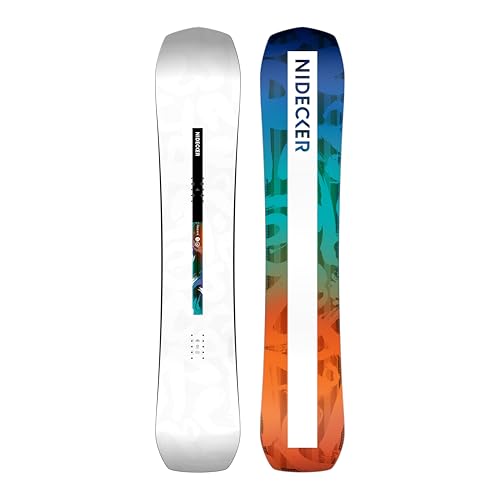
Carbon fiber positioned between the inserts and the nose and tail directly targets and dampens unwanted vibration, making this board a confident choice for riders prioritizing a smooth, chatter-free feel on variable snow. Its directional twin shape with a blunt tail and diamond nose provides a versatile platform that handles groomed runs and powder well, suiting an all-mountain rider who wants one board for everything.
The Escape uses an extruded base, which is known for its durability and ease of maintenance, while the Nidecker Alpha APX features a sintered base. This positions the Escape as a reliable, mid-range workhorse focused on dampening and versatility, while riders seeking a higher-performance freeride experience might look to its sibling or other premium models.
Ride Twinpig Snowboard
What We Like
- Asymmetrical sidecut balances heel and toe turns
- Cleave Edge adds grip on hardpack and ice
- Wider waist provides a surfy, stable feel
- Twin shape allows for natural switch riding
Trade-offs
- Twin shape lacks the directional float of a dedicated powder board
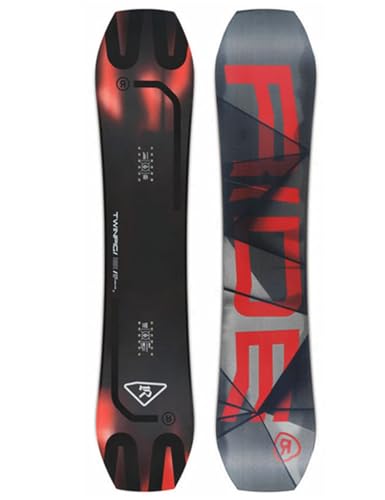
With a 12.0-inch waist width, the Ride Twinpig provides the toe clearance and stable platform riders with larger boots need to carve without boot drag. Its Asymmetrical Quadratic Sidecut specifically tunes the heel and toe edges for balanced pressure, making turns smoother and more predictable when riding regular or switch on groomed runs or in the park.
The trade-off for that all-terrain stability and asymmetrical precision is a bit of heft; at seven pounds, it’s not the lightest option for pure park lapping. The Rossignol Evader Wide offers a similar weight for riders considering alternatives. For a responsive, one-board quiver that handles variable conditions with a unique asymmetrical feel, the Twinpig’s Performance Core delivers a lively and controlled ride.
Product photos
Rossignol Evader Wide Snowboard

What We Like
- AmpTek Auto Turn rocker for playful turn initiation
- Soft front-end with stiffer rear for stable progression
- Fiberglass construction boosts pop while maintaining forgiveness
- Wide waist width accommodates larger-footed riders
Trade-offs
- 7.0-pound weight may feel sluggish for quick, aggressive maneuvers
- Primarily directional flex limits true twin-tip versatility for park riding
The Rossignol Evader Wide’s AmpTek Auto Turn profile, blending 70% rocker with 30% camber, creates a snowboard that practically initiates turns for you. This design prioritizes forgiveness and easy edge release, which is exactly what a newer rider needs to build confidence without fighting the board. Combine that with a flex pattern that’s softer in the nose for control and stiffer in the tail for stability, and you have a platform that supports predictable progression across the entire mountain. It’s built for comfort, with a 12.5-inch waist width giving bigger boots plenty of room to avoid toe drag.
Rossignol’s Evader Wide Snowboard is built for friendly, stable riding, which does involve some trade-offs. At 7.0 pounds, it has more weight than some park-specific boards, a trait that can reduce liveliness during quick ollies or spins. Riders who have mastered linked turns and want to focus heavily on freestyle may find its directional all-mountain design less suitable. For those seeking a board described as bringing asymmetrical precision to park and groomers, the Ride Twinpig is an example from the list. The Evader Wide remains reliable for its core purpose: providing an easy-going experience for learning fundamentals.
Product photos
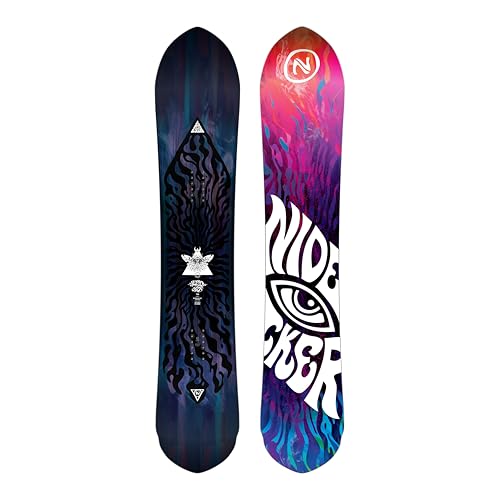
Nidecker Alpha APX Snowboard
What We Like
- Spooned nose design provides exceptional powder float.
- Upgraded sidewall construction maximizes edge grip and power.
- Surfy CamRock profile handles bumps and deep snow easily.
- Sintered base offers a fast, durable riding surface.
Trade-offs
- Strictly directional shape limits switch riding versatility.
- A flex of 6/10 may be too stiff for beginners.
- The specialized powder design trades off true twin-symmetry.
Built around a directional shape with a spooned nose and pinched tail, a design taken from marine and bird life, the Alpha APX delivers incredible glide and natural float. This makes it a dedicated tool for riders who prioritize untracked powder. Its Surfy CamRock profile extends rocker in the nose to mow down bumps and plow through deep snow, while keeping camber underfoot for responsive edge control. The sintered base and Pop Carbon Plus construction deliver the speed and snap expected for advanced, all-mountain freeriding.
This focus on powder supremacy comes with clear trade-offs. The pronounced directional shape and dedicated freeride intent mean it’s not the board for a rider who spends equal time riding switch or in the terrain park. Compared to a twin shape like the Rome Stale Crewzer, the Alpha APX prioritizes authoritative power and float over balanced versatility. It’s a specialist, not a generalist, engineered for the moments when the snow is deepest and the terrain demands a board that can truly surf.
How We Evaluated Wide Snowboards
Our research focused on manufacturer data, expert board comparisons, and consistent themes in owner feedback. We did not conduct physical testing; our evaluation is based on these aggregated sources and the technical specifications provided by the brands.
The most important criteria were waist width relative to boot size, the board’s profile and shape for intended terrain, and the flex rating for rider power. We prioritized boards that solve the core problem for larger-footed riders, clean edge engagement without drag, while still delivering specialized performance for all-mountain, park, or powder.
The main limitation of a research-based evaluation is that we cannot report on the subjective “feel” of a board’s ride. We rely on widely reported characteristics like stability, chatter dampening, and turn initiation as described by experts and experienced riders.
What To Look For In Wide Snowboards
The goal is to find a board that accommodates your boot size while matching your preferred riding style. A board that’s too narrow will drag, while one that’s too wide can feel sluggish in turns.
Look for a waist width that matches your boot size, a flex that suits your power and experience, and a shape (twin, directional, volume-shifted) designed for your favorite terrain.
Waist Width
Waist width is the critical measurement for preventing toe and heel drag. Manufacturers generally recommend a wide board for men’s boot sizes above US 10. A waist width that qualifies as ‘wide’ varies, so checking a brand’s specific snowboard width and sizing guide is essential. The Lib Tech Skunk Ape, for example, is built specifically for this need. A proper fit ensures your edges engage cleanly on hard carves.
Profile and Shape
The board’s profile (camber, rocker, or hybrid) and shape dictate how it performs. A symmetrical twin shape, like the Rome RO.27.10.CREW Wide, excels for park and switch riding. Directional shapes, like the Nidecker Alpha APX, prioritize float in powder. Volume-shifted designs, such as the Lib Tech Orca, use a shorter, wider platform for quick turns and surfy feel in deep snow. Your choice here should align with whether you ride all-mountain, focus on freeride snowboards, or spend time in the park.
Flex and Construction
Flex rating indicates how much force is needed to bend the board. Softer flex (around 5/10) is more forgiving for beginners, as seen on the Rossignol Evader Wide. Medium to stiff flex (6/10 to 7/10) provides stability for aggressive carving and high-speed charging, a hallmark of boards like the Bataleon Goliath+. Construction materials like carbon stringers or flax layers add pop and dampening. A stiffer board demands a more powerful riding style but offers greater control on big mountain snowboards and steep terrain.
- Check the manufacturer’s flex rating on a 1-10 scale.
- Look for sintered bases for speed and extruded bases for easy maintenance.
- Consider board weight if you prioritize quick, playful maneuvers.
- Ensure your wide snowboard boots are compatible with the recommended binding stance.
- Review the core materials for a sense of the board’s energy and damping.
The right board should disappear under your feet, letting you focus on the ride, not on fighting the equipment.
Wide Snowboards Compared
The comparison table below puts key specifications side-by-side to help you see the differences at a glance.
| Product | Waist Width | Profile | Flex |
|---|---|---|---|
| Jones Mountain Twin Snowboard | N/A | CamRock | 6/10 |
| Lib Tech Orca Snowboard | 13.8 inches | Directional C2 contour | N/A |
| Lib Tech Skunk Ape Snowboard | 26.8 to 28.5 cm | Directional camber | 7/10 |
| Rome Snowboards RO.27.10.CREW Wide Snowboard | N/A | Rocker/Camber/Rocker | 6/10 |
| Nitro Prime Raw Snowboard | N/A | Camber | 5/10 |
| Bataleon Goliath+ Snowboard | 13.0 inches | Medium Camber | 7/10 |
| Nidecker Escape Snowboard | 12.0 inches | CamRock (Camber/Rocker) | 6/10 |
| Ride Twinpig Snowboard | 12.0 inches | N/A | N/A |
| Rossignol Evader Wide Snowboard | 12.5 inches | 70% rocker, 30% camber | N/A |
| Nidecker Alpha APX Snowboard | N/A | Surfy CamRock (Rocker/Camber) | 6/10 |
Frequently Asked Questions
What are some good snowboards for people with wide feet?
Good wide snowboards provide ample waist width to prevent boot drag while offering performance tailored to your skill and style. Our top picks include the versatile Jones Mountain Twin for all-mountain riding, the forgiving Rossignol Evader Wide for beginners, and the specialized Lib Tech Orca for powder. The key is to match the board’s flex and shape to your riding goals, not just its width.
What are wider snowboards good for?
Wider snowboards are essential for riders with larger boots to prevent toe and heel drag during deep carves. The extra surface area also increases stability at speed and improves float in soft snow. They are not inherently better for all riders; a board that’s too wide for your boot size can feel slow to initiate turns and less playful.
Who makes the widest snowboard?
Some specialty manufacturers, like Donek, offer fully customizable waist widths beyond standard “wide” sizes. Among mainstream brands in our list, the Lib Tech Skunk Ape and other volume-shifted models like the Ride Twinpig are built with exceptionally wide platforms. For most riders, choosing the right snowboard size from a dedicated wide lineup is more practical than seeking the absolute widest board.
What is considered wide for a snowboard?
There’s no universal standard for what qualifies as a wide waist width. The true definition depends on your boot size; manufacturers provide specific width recommendations based on a US men’s 10 boot threshold. Always consult the brand’s sizing chart to ensure a proper fit for your complete snowboard setup.
How do I know if I need a wide snowboard?
You likely need a wide snowboard if you wear a men’s US boot size above 10. The best test is to check if your boots hang over the edges of a standard-width board when strapped in at your typical stance angle. Significant overhang will cause drag and catch on the snow during aggressive turns. Using a brand’s online sizing tool is the most reliable method.
The Bottom Line
The Jones Mountain Twin Snowboard is the best overall wide board, offering a premium, versatile ride for intermediate to advanced all-mountain riders who need extra width without sacrificing performance.
If you’re on a budget or just starting out, look at the eco-friendly Nitro Prime Raw or the beginner-focused Rossignol Evader Wide. For aggressive experts focused on powder or big mountain lines, the Lib Tech Orca and Nidecker Alpha APX are dedicated tools for those conditions.
Ultimately, the most important factor is matching the board’s waist width to your boot size. Once you have that foundation, you can confidently choose a shape and flex that unlocks your riding.
