Jones Twin Sister Snowboard Review: Who Is It For?
This post contains affiliate links. As an Amazon Associate, we earn from qualifying purchases.
The Jones Twin Sister snowboard is a versatile all-mountain directional twin with a CamRock profile, built for riders who want a single board for carving, powder, and playful park laps. It excels in stability and float, but its medium-stiff flex and specific edge tech require a confident rider to unlock its full potential, especially on firm snow.
That’s the short version. The longer story has more nuance, and a lot of it hinges on a model year update in 2021 that changed the board’s tip shape and edge technology. Reviews of pre-2021 boards talk about a different snowboard, as you’ll see in the Jones twin sister snowboard review.
What follows is a breakdown of the specs that matter, the performance you can actually expect, and where the manufacturer’s claims meet real rider feedback. This review addresses the flex debate, the ice-hold question, and exactly who should (and shouldn’t) consider this their next board.
Key Takeaways
- The 2021 model year update added a blunter tip, Traction Tech 3.0, and a 3D Contour Base 2.0, performance reviews of older models don’t apply directly.
- Jones rates the flex a medium 6/10, but hands-on reviewers and riders describe it differently: OutdoorGearLab concluded its flex ‘makes it more of an intermediate to advanced board,’ and a Slashboardshop rider review describes a ‘stiffer flex.’
- Its Directional Twin shape and CamRock profile provide excellent stability for carving and surprising float in powder, but it’s not a dedicated jib or deep-powder board.
- For the best all-around performance, pair it with a medium-flexing binding from a brand like Burton or Union to match its balanced feel.
- If you’re a rider looking to progress everywhere, this board is a strong one-quiver candidate, though sources disagree on the ideal skill level: Jones rates it ‘Beginner’ to ‘Expert,’ while OutdoorGearLab suggests it’s better for ‘intermediate to advanced’ riders. Pure park rats or icy East Coast chargers might want to look elsewhere.
The CamRock Profile & Shape Explained
The Twin Sister’s personality starts with its profile and shape. Jones calls it a CamRock profile, which is their name for camber between the bindings with rocker in the nose and tail.
The CamRock profile provides camber’s power and pop underfoot for carving and ollies, while the tip and tail rocker sections reduce catchiness and improve float in softer snow. This hybrid design aims for versatility across conditions.
The camber zone is where you load energy. When you press into a carve or snap an ollie, that section loads and rebounds, giving you a connected, powerful feel. The rocker at the ends means the very tips of the board start to lift away from the snow sooner. This makes the board feel less catchy when you’re flat-based or learning to ride switch, and it helps the nose plane up in powder instead of diving.
Then there’s the shape: a Directional Twin. This is a subtle but important distinction. It looks almost like a true twin, symmetrical, but the nose is slightly longer than the tail. The geometry table shows a 0.0mm taper, meaning the width at the tip and tail are identical; the “directionality” comes from flex and the 3D shaping. You can ride it switch comfortably, but it has a preferred direction that gives you a bit more float and stability when pointed downhill.
Where this goes sideways: Assuming it’s a pure twin for park-only riding. The directional element, slight as it is, combined with its flex, makes it more of an all-mountain tool that can play in the park, though sources disagree on its jibbing suitability: Jones markets it for jibbing, while OutdoorGearLab noted it ‘isn’t our first choice for jibbing.’
Breaking Down the Twin Sister’s Tech & Construction
Jones packs the Twin Sister with its flagship technologies. These aren’t just marketing terms; each changes how the board interacts with the snow.
High Traction Tech is the edge story. Instead of a smooth, continuous sidecut, the edge has three bumps per side. Jones’s claim is that these bumps act as additional contact points on firm snow, giving you more grip where you need it. Post-2021 models feature Traction Tech 3.0, which was a stated upgrade for better edging on firm snow.
The Medium 3D Contour Base refers to a spoon-like bevel ground into the base at the nose and tail. On the current Twin Sister, it’s a 4mm spoon bevel in the nose and 0-4mm in the tail. This shaping helps the board pivot more easily, reduces friction in the tips, and further aids in powder float by funneling snow away from the base.
Underneath, the Sintered 8000 base is a high-grade, porous material that absorbs wax deeply. It’s built for speed and durability, outlasting the lower-grade sintered 7000 base found on pre-2021 models. It’s fast when properly waxed but can feel a bit draggy if you neglect maintenance.
Construction details round out the package:
- FSC Sustainable Wood Core: The core uses wood from responsibly managed forests.
- Recycled ABS Sidewalls & Oversize Steel Edges: Jones uses recycled materials where possible, and the oversized edges aim for durability.
- Factory Waxed with WEND Natural Wax: It’s ready to ride out of the plastic.
This is a board built with both performance and environmental consideration in mind, a hallmark of the Jones brand.
Twin Sister Specs & Sizing
Picking the right size is critical. Jones provides a detailed geometry table. Here are the specs for the common 152cm model, which gives you a sense of the board’s proportions:
| Spec | 152cm Model | What It Means For You |
|---|---|---|
| Weight | 2.5 kg (5.6 lbs) | A moderate weight for easy maneuverability without sacrificing stability. |
| Effective Edge | 118 cm | The length of edge contacting the snow; impacts turn quickness and stability. |
| Waist Width | 24.6 cm | Suitable for most women’s boot sizes up to about US 9.5; prevents toe/heel drag. |
| Sidecut Radius | 7.4 m | A versatile medium turn radius that’s neither too tight nor too long. |
| Reference Stance | 53 cm (20.9 in) | A centered starting point; you can adjust for a more directional or park stance. |
Real-World Performance: Where It Shines & Where It Stumbles
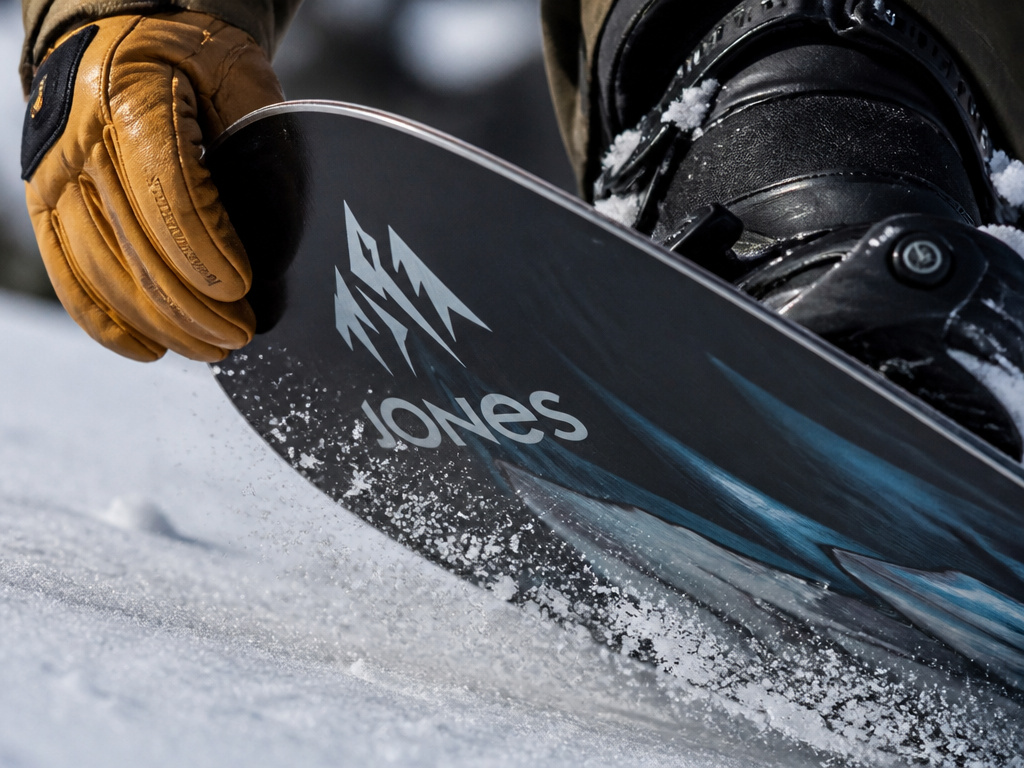
Specs tell part of the story. How the Twin Sister actually rides is where opinions form, and where sources sometimes disagree.
Carving & Stability at Speed: This is where the board wins consistent praise. The camber underfoot provides a locked-in, confident feel when you lay it over on edge. The effective edge length and overall stiffness create a platform that remains composed when you’re charging. One rider review noted it felt less composed at higher speeds on an older model, but the post-2021 updates seem to have bolstered high-speed composure. You feel the dampness, not the chatter.
Float in Powder: Despite not being a dedicated powder board, the combination of rocker nose, directional shape, and 3D spoon nose bevel gives it competent float. You’ll need to set your bindings back a notch on deep days, but it won’t sink. It’s perfect for those resort powder days, where you can have fun in the fresh stuff without needing a completely different tool.
Playfulness & Park Performance: Here’s the split. Sources disagree on its jibbing suitability: Jones markets it for “jibbing,” but OutdoorGearLab’s review of a pre-2021 model bluntly stated it “isn’t our first choice for jibbing.” The current model’s medium-stiff flex means it has pop for jumps, but it’s not a soft, forgiving noodle for pressing and butters. You can work for presses, and it’ll handle small to medium park features confidently, but it’s not the board you’d choose if your day is 100% park laps. It’s capable, not specialized.
Edge Hold on Hardpack & Ice: This is the biggest point of contention, and it’s tied directly to the model year.
- OutdoorGearLab (testing pre-2021): Rated edge hold 7/10, noting it “slip[s] quite a few times on ice and hardpack.”
- Jones (post-2021 with Traction Tech 3.0): Claims the tech is “designed to help you edge better on firm snow.”
The truth likely lies in the middle of a Jones twin sister snowboard review. The High Traction Tech should improve grip over the old Traction Tech 2.0, but it’s not a magic cure for icy conditions. On typical hard-packed groomers, it holds well. On true, polished ice, a dedicated camber board or one with more aggressive edge tech might inspire more confidence. This isn’t a deal-breaker for most all-mountain riders, but it’s worth knowing.
The Flex Debate: Medium 6/10 or Medium-Stiff?
Jones officially rates the Twin Sister’s flex as a “Medium & balanced (6/10).” They also rate its riding level from “Beginner to Expert.”
Now, compare that to real-world feedback:
- OutdoorGearLab: Concluded its flex “makes it more of an intermediate to advanced board.”
- Slashboardshop Rider Review: Described it as having a “stiffer flex.”
- Reddit Rider: “I had a bit of trouble with chatter the first few times… Which I thought had to do with the stiffness.”
| Source | Flex Perception | Recommended Level |
|---|---|---|
| Jones Snowboards (Manufacturer) | Medium 6/10 | Beginner to Expert |
| OutdoorGearLab (Reviewer) | Medium-Stiff | Intermediate to Advanced |
| Rider Reviews (Anecdotal) | Stiffer Flex | Intermediate |
The bottom line: Sources disagree on the ideal rider level: Jones rates it for ‘Beginner’ to ‘Expert,’ while OutdoorGearLab concludes its flex suits ‘intermediate to advanced’ riders and anecdotal reviews suggest a stiffer flex. A true beginner might find it demanding.
Binding Recommendations & Stance Setup
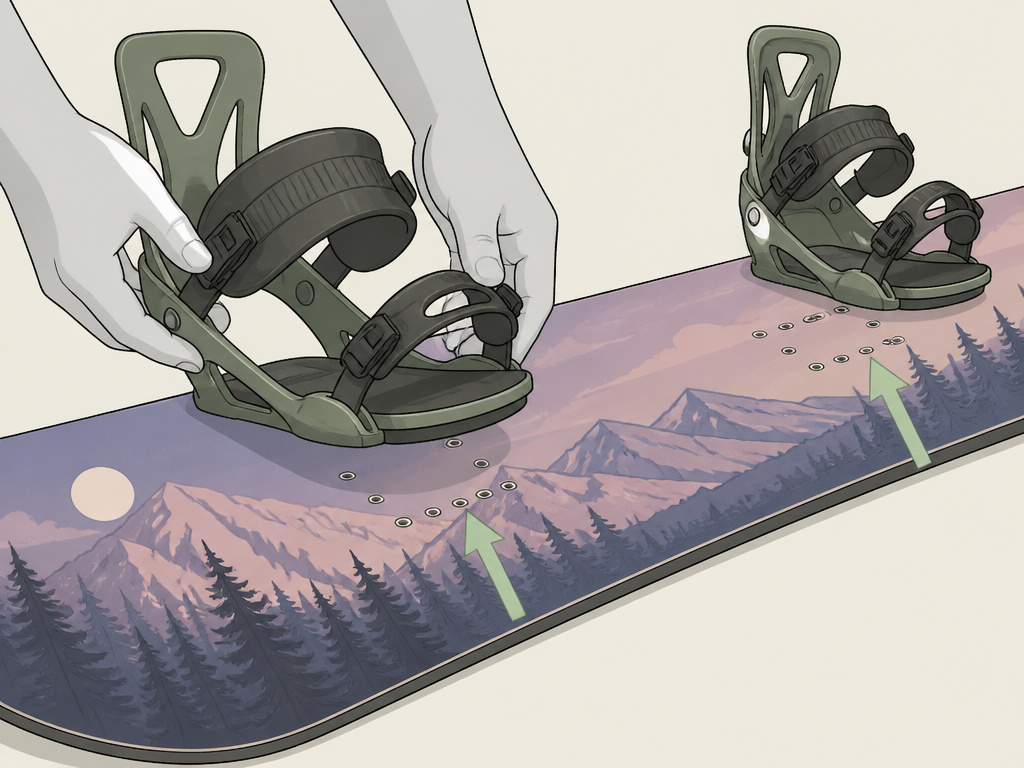
A snowboard is only half the system. The right binding amplifies its strengths.
The Twin Sister’s balanced, medium-stiff flex pairs best with a medium-flexing binding. You don’t want a super-soft park binding that will create a dead spot, nor an ultra-stiff freeride binding that will overpower the board’s playful side.
Good pairings include medium-flexing bindings. These provide responsive heel-toe control for carving without sacrificing the board’s ability to feel playful when you want it to.
Stance setup is straightforward. The board has two sets of stance reference inserts: one for a centered freestyle stance and one set back for a more directional/freeride stance.
- For all-mountain and park: Use the centered stance.
- For powder days or more aggressive freeriding: Set your bindings back on the directional inserts. This gives you more nose in front of you for better float and control.
Don’t overthink it. Start centered, see how it feels, and adjust from there. The beauty of a directional twin is you can tune its personality.
Who Is The Jones Twin Sister For? (And Who Should Skip It?)
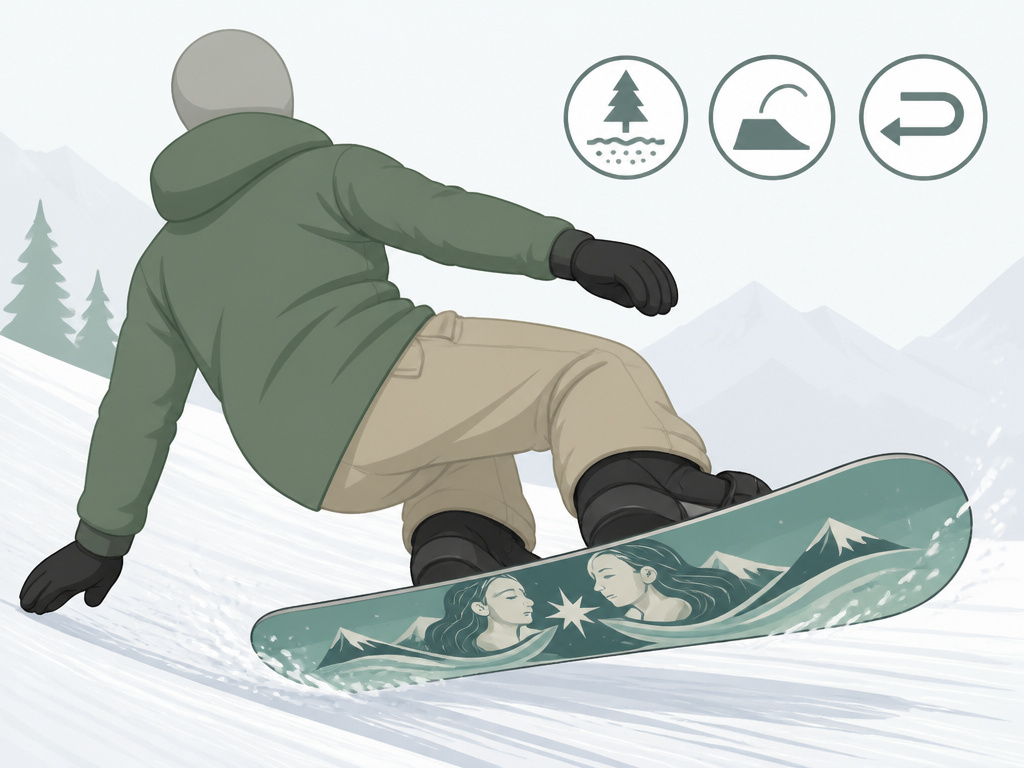
This isn’t a board for everyone, and that’s fine. Great tools are specialized.
The Twin Sister is ideal for:
- The progressing intermediate: You’re comfortable linking turns on blues and blacks, starting to explore off-piste and small jumps, and want one board to grow with you everywhere.
- The all-mountain explorer: Your perfect day involves carving groomers, ducking into the trees for soft snow, and hitting a few side hits or park features. You want a quiver-of-one.
- The switch-curious rider: You like the idea of a stable directional board but don’t want to give up the ability to ride switch comfortably when the moment strikes.
You might want to look at other options if your focus differs, such as dedicated women’s park snowboards.
- You live for the park: If jibs, rails, and butters are your primary focus, a softer, true twin park board will be more fun and forgiving.
- You charge icy, hardpacked slopes daily: While improved, edge hold might not be as absolute as a dedicated camber board for East Coast ice coast conditions.
- You’re a first-week beginner: The learning curve will be steeper than on a dedicated beginner board with more rocker and softer flex.
Price and value assessment
The Twin Sister is positioned as a versatile all-terrain board. Its value hinges on whether its construction and features match your riding style. It uses a sintered base for durability and speed retention, and its core and sidewalls incorporate recycled and sustainable materials. The board comes factory waxed and supports environmental causes. For riders seeking a directional twin shape that can handle a mix of conditions and styles, the investment aligns with its build quality and brand ethos. However, if your focus is purely on park jibbing (where sources disagree on its suitability) or aggressive freeriding in very rough terrain, its value proposition may shift, as it’s not specialized for those extremes.
Frequently Asked Questions
Is the Jones Twin Sister good for intermediate riders?
Yes, it’s an excellent board for intermediate riders looking to progress. Its stability inspires confidence at speed, and its versatility allows you to ride anywhere on the mountain. However, it’s at the stiffer end of “intermediate” boards, so a confident rider will get the most from it.
Can you ride the Jones Twin Sister switch?
Absolutely. The Directional Twin shape has a very slight nose bias, but the twin symmetry in the tail and centered stance options make riding switch not only possible but enjoyable. It’s a great board for practicing switch riding without needing a pure twin.
How does the Twin Sister compare to the Jones Dream Weaver?
The Dream Weaver is a more directional, freeride-oriented board. It has a longer nose, more setback stance, and is generally stiffer. The Twin Sister is more balanced, better in the park, and easier to ride switch. Choose the Dream Weaver for charging and powder; choose the Twin Sister for all-mountain versatility and playfulness.
Is the Jones Twin Sister good in powder?
It’s surprisingly good for a non-powder-specific board. The rocker nose, directional shape, and 3D spoon nose help it float. For typical resort powder days (6-12 inches), it performs admirably, especially if you set your bindings back. For very deep powder days, you’d want a dedicated powder board.
What size Twin Sister should I get?
Follow Jones’s recommended weight chart first. If you’re between sizes, choose the shorter length for more playfulness and easier turns, or the longer length for more stability and float. Consider your boot size relative to the waist width to avoid toe/heel drag.
The Bottom Line
The Jones Twin Sister lives up to its reputation as a versatile, do-it-all women’s snowboard. It carves with authority, floats better than it should, and handles the park well enough to keep things interesting. The post-2021 updates are meaningful, addressing earlier concerns about edge hold with Traction Tech 3.0.
But it’s not a magic board, a key point in any Jones twin sister snowboard review. Sources disagree on the ideal rider level: Jones rates it ‘Beginner’ to ‘Expert,’ while collective rider feedback often describes it as medium-stiff and better suited for intermediate to advanced riders.
If your goal is to have one reliable board that can handle 90% of what a resort mountain throws at you, groomers, trees, a bit of powder, and the occasional park lap, the Twin Sister is a compelling, well-built choice. It’s the Swiss Army knife of the all-mountain world: not the absolute best at any one task, but remarkably capable at all of them. For the rider who hates to be pigeonholed, that’s the highest praise.
