Snowboard Shoes Review: Which Boots Actually Perform?
This post contains affiliate links. As an Amazon Associate, we earn from qualifying purchases.
Choosing a snowboard boot involves matching three things: your foot’s shape, the terrain you ride, and the boot’s flex rating. A stiff boot gives you edge power for carving but can numb your feet on long days; a soft boot forgives mistakes in the park but washes out at speed. The right pair disappears under you.
That gap between control and comfort is where most riders pick wrong. They chase a number or a brand name, not the boot that fits their actual foot and riding style. The result is a season of blisters, lost power, or worse—a boot that fails under load.
What follows: a breakdown of flex ratings from biomechanical studies, a head-to-head on lacing systems, and the five models that actually deliver on their promises for specific rider types. We’ll also cover the two government recalls that changed how boots are built and the simple maintenance that doubles a boot’s lifespan.
Key Takeaways
- Match boot flex to your primary terrain—soft for park, medium for all-mountain, stiff for freeride and carving—as outlined by REI’s expert advice.
- A proper heel hold is essential; a boot that lets your heel lift will sabotage your edge control and tire you out faster.
- Shop for boots later in the day when your feet are naturally swollen to avoid buying a size that’s too small, a common mistake that leads to foot pain.
- Understand that stiffer boots may reduce certain ankle injury risks according to a 2005 biomechanical study, but they trade away cushioning for impacts.
- Always check the model-specific recall history; two major recalls in the last decade affected thousands of boots due to failing closure components.
How Flex Rating Dictates Your Ride
Forget the marketing copy. A boot’s flex rating is a mechanical spec that tells you how much energy you lose between your leg and the board’s edge. A stiff boot (8-10/10) acts like a solid lever. A soft boot (1-4/10) is a shock absorber. Your riding style decides which tool you need.
Common mistake: Choosing a boot because it’s comfortable in the shop. A boot that feels like a slipper on carpet will turn to mush on an icy groomer, leaving you fighting for control.
The industry consensus, summarized by REI, breaks down like this: soft-flex boots are for beginners, recreational riders, and park/freestyle riding. Medium-flex boots suit all-mountain riders. Stiff-flex boots are for advanced riders, freeride, and high-speed carving. That’s the commodity advice. The non-commodity part, often explored in a snowboard shoes review, is the why layer and the trade-offs each choice hides.
The Stiffness vs. Injury Trade-Off
A 2005 biomechanical study published in the Journal of Applied Biomechanics found that stiffer ‘step-in’ boots allow less dorsiflexion, eversion, and external rotation than softer boots. The authors propose this restriction may explain the observed lower rate of talus fractures associated with stiffer boots.
Here’s the physics of it. A stiff shell restricts your ankle’s range of motion. In a crash, that restriction can prevent the joint from twisting into a position that breaks bones. But that same restriction also means the boot does less to absorb the shock of a landing. You feel every bump and chatter directly through your legs. A boot like the Nidecker Kita APX (stiff flex 4/5 on their scale) exemplifies this. Testers note its “extremely direct” power transmission and “low damping for stronger impacts.” It’s a trade-off: more control and potentially fewer severe fractures, but a rougher ride.
| Flex Category | Best For (Per REI) | Hidden Trade-Off |
|---|---|---|
| Soft (1-4/10) | Beginners, Park, Recreational | Lacks edge hold on firm snow; can feel vague at speed. |
| Medium (5-7/10) | All-Mountain Riders | Can be a ‘jack of all trades, master of none’ if not well-designed. |
| Stiff (8-10/10) | Advanced, Freeride, Carving | Poor shock absorption; can cause foot numbness on long days. |
For fast riding, REI recommends choosing stiffer boots. Freeriders prefer them for edge power and control at high speeds. But if you’re spending days in the terrain park, the consensus flips. Freestyle riders usually choose softer, more flexible boots for quick responses and more forgiving landings.
Do not buy a stiff boot because you think it will make you a better rider. It’ll just make every mistake more punishing. Buy the flex that matches the majority of the turns you actually make.
Lacing Systems: Convenience vs. Control
There are three main ways to close a boot: traditional laces, speed-lace systems (quick-pull), and dial systems (BOA). The debate focuses on which system fails in a way you can live with.
Traditional laces offer the most customizable fit. You can loosen the toe box while keeping the ankle locked, or vice versa. The downside is they freeze, snap, and take time. Speed-lace systems use a wire or cord and a toggle to tighten everything at once. They’re faster than laces but offer less zone-specific adjustment.
BOA dials use a stainless steel wire and a rotary dial to tighten. They’re incredibly fast, easy to operate with gloves on, and provide consistent, even pressure. The 2025 Harrison study, while its full text is not publicly accessible, is cited as finding that a boot with a ‘wrap’ design enabled a 3% faster average speed and 4% faster peak speed compared to a standard BOA closure boot. The implication, often noted in a snowboard shoes review, is that a superior, evenly distributed closure can directly enhance performance.
Where this goes sideways: Relying solely on a BOA system without checking the secondary components. The CPSC recall of Boa M3v2 secondary reels in 2016 is a case study.
The recall affected approximately 4,500 units in Canada across boots from Burton, K2, Ride, and others sold between June and October 2015. The CPSC recall notice for the Boa M3v2 states the reel could stick open, posing a fall hazard. The fix was a free repair kit. This isn’t an indictment of BOA—it’s a reminder that any mechanical system can fail. A lace can break; a BOA wire can snap. The question is, can you field-repair it on the mountain? For laces, yes. For a BOA, you need the specific reel tool.
My stance? For resort riding where you’re never far from the lodge, BOA’s convenience is king. For backcountry or multi-day trips where a failure could strand you, the redundancy and repairability of traditional laces or a hybrid system win.
The 5 Boots That Define 2026
You can talk about categories all day, but recommendations need names. Based on aggregated reviews, specs, and the performance gaps they fill, here are the boots that set the standard.
- For All-Mountain Dominance: Union Reset Pro. Stiffness: 7-8/10. Price: $550. This is Union’s first boot, and it’s built like a tank for “serious all-mountain performance” and longevity. It uses a Dual BOA system. The takeaway? It’s for the rider who logs 50+ days a season and wants a boot that won’t pack out.
- For Park & Precision: Vans Infuse. Stiffness: 5-9/10 (adjustable). Price: $420. The Infuse uses a hybrid BOA/Lace/Strap system, letting you fine-tune different zones. This versatility makes it a favorite for riders who switch between park jumps and all-mountain lines. It’s the “versatile performance” pick.
- For Comfort & Beginners: Burton Moto BOA. Stiffness: 3/10. Price: $280. This is the “cruisey, easy-going riding” boot. It’s soft, comfortable, and uses a simple single BOA system. It’s the budget-friendly default for someone who isn’t charging hardpack or launching 50-foot jumps.
- For Freeride Charging: Nidecker Kita. Stiffness: 9/10. Price: $480. As per the PowderGuide review, this boot has “pronounced rigidity” and “extremely direct power transmission.” It’s for experts who want “a very safe ride” on steep, technical terrain and are willing to trade cushioning for control.
- For Step-On Simplicity: Burton Waverange X Step On. Stiffness: 3-6/10. Price: $530. Designed specifically for Burton’s Step-On bindings, it offers “extreme comfort.” However, buyers should be aware of the 2018 Burton Step-On recall, where a heel cleat defect on some Step-On boots could lead to unexpected release.
These aren’t the only good boots. The Salomon Dialogue Dual BOA, K2 Waive, and Ride Octave are other notable models. But the five above represent the clearest peaks in the current landscape.
Fit, Sizing, and the Myth of “Breaking In”
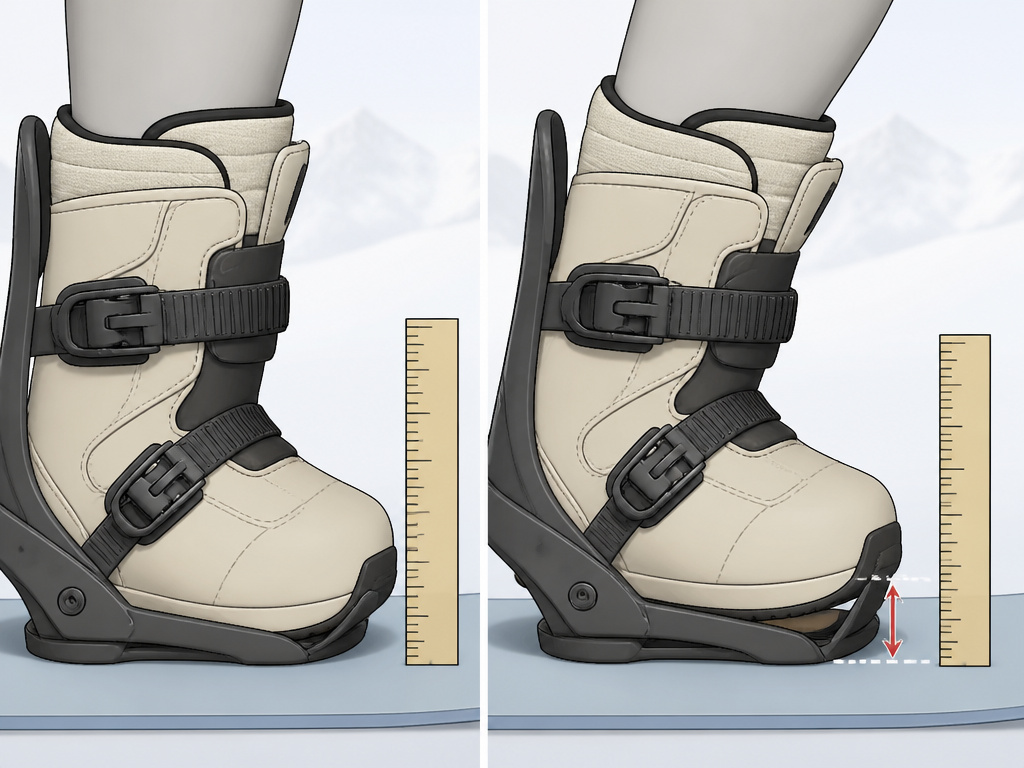
The most repeated lie in snowboarding is that boots will “pack out” or “break in” a full size. A liner will compress slightly. The shell will not stretch. Buying a boot that’s painfully tight, expecting it to become comfortable, is a direct path to miserable seasons and wasted money.
The right fit is snug but not painful. Your toes should gently brush the end when you stand straight, and pull back slightly when you flex your knees into a riding stance. Heel hold is critical. There should be zero lift when you walk or flex forward. If your heel comes up more than a quarter-inch, the boot is too big or the wrong shape for your foot.
Easy to miss: Your foot volume changes. Try on boots in the afternoon or evening when your feet are naturally more swollen, as REI advises. A boot that fits in the morning might be a torture device by 2 PM.
Foot shape is the silent decider. Brands have distinct fits:
- Burton, Ride: Often suit narrower, lower-volume feet.
- ThirtyTwo, Vans: Tend to run wider and accommodate higher-volume feet.
- Salomon: Frequently offers specific wide models.
If you have bony ankles, a high arch, or a wide forefoot, you’re not looking for the “best boot.” You’re looking for the best boot for your foot anatomy. No amount of aftermarket insoles or liner molding will fundamentally alter a shell that doesn’t match your bone structure.
Boot Care That Doubles Lifespan
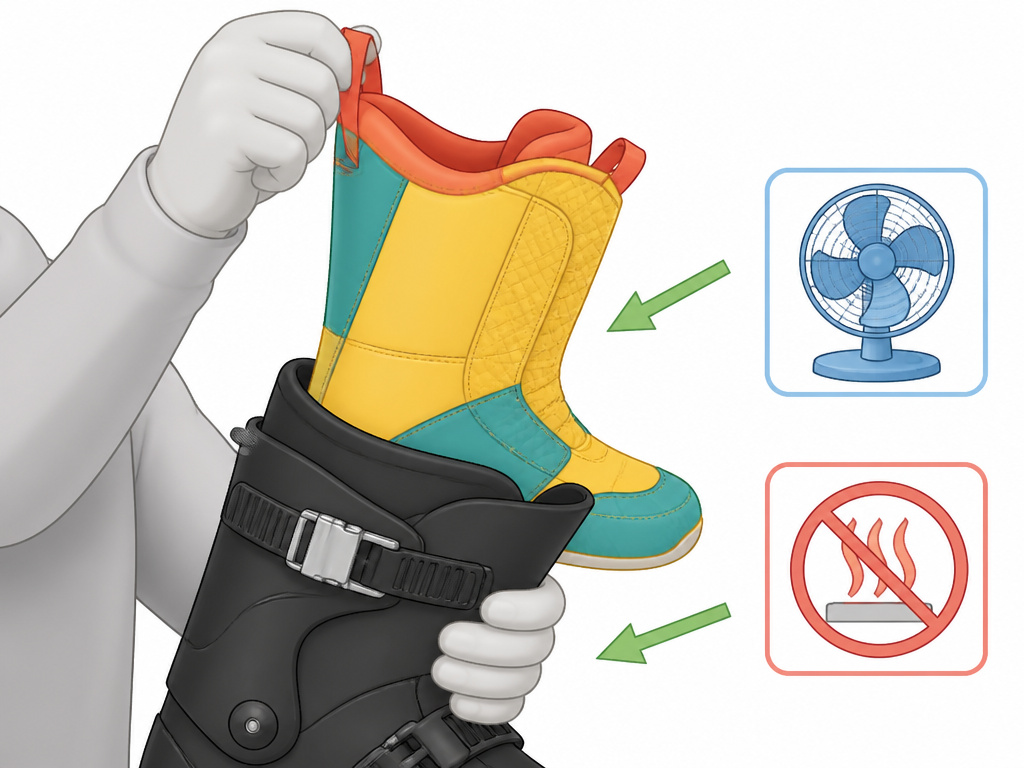
Boots die from the inside out. Moisture from sweat and snow melts, then sits. This rots liners, rusts hardware, and creates a petri dish of odor. The maintenance routine is simple, yet almost no one does it consistently.
After every riding day:
- Pull the liners out of the shells.
- Let both liners and shells air-dry at room temperature, away from direct heat. Let both liners and shells air-dry at room temperature, away from direct heat.
- Never store boots in a sealed bag or a wet car trunk.
Once a season, or after 20-30 days of use:
- Wash the liners. Wash the liners if the manufacturer’s instructions allow.
- Check all hardware. Tighten any loose BOA dial bases or lace eyelets.
- Inspect the soles for worn-down lugs and the upper for cracks or seam separation.
This isn’t just about smell. A dry boot is a warm boot. A boot with intact seams is a waterproof boot. This routine adds seasons to your gear’s life.
How are snowboard boots made?
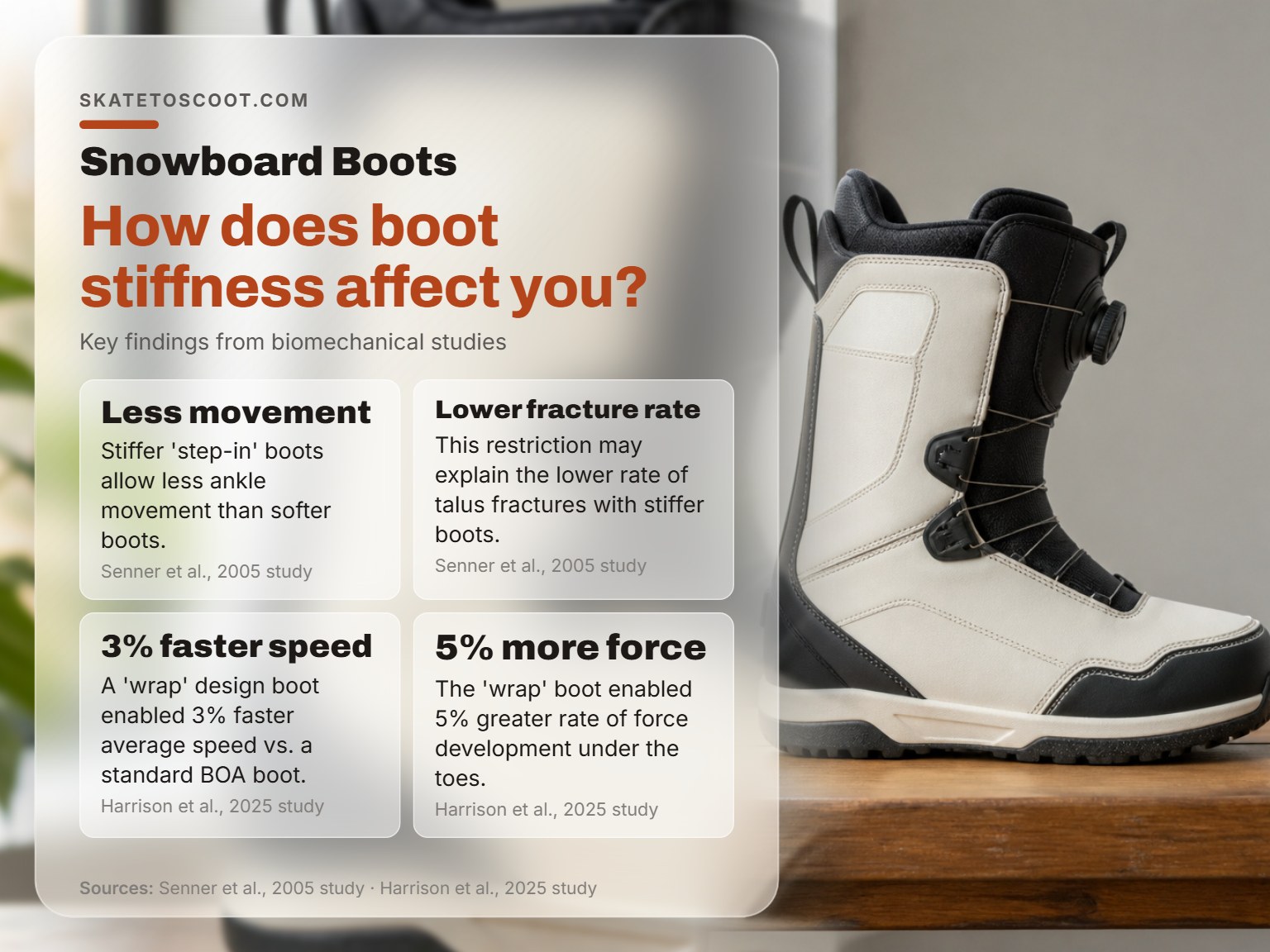
The core of a boot is its construction, which dictates flex and feel. A 2005 biomechanical study found that stiffer boots restrict ankle movement more than softer ones. This restriction is linked to a lower rate of certain fractures. The liner is your direct interface; a good liner molds to your foot for personalized comfort without pressure points. Materials range from soft, forgiving foams for park riding to dense, supportive plastics for high-speed carving. The closure system, whether traditional laces, a BOA dial, or a step-in mechanism, is integrated into this shell and directly impacts fit and performance.
How to stop heel lift in snowboard boots
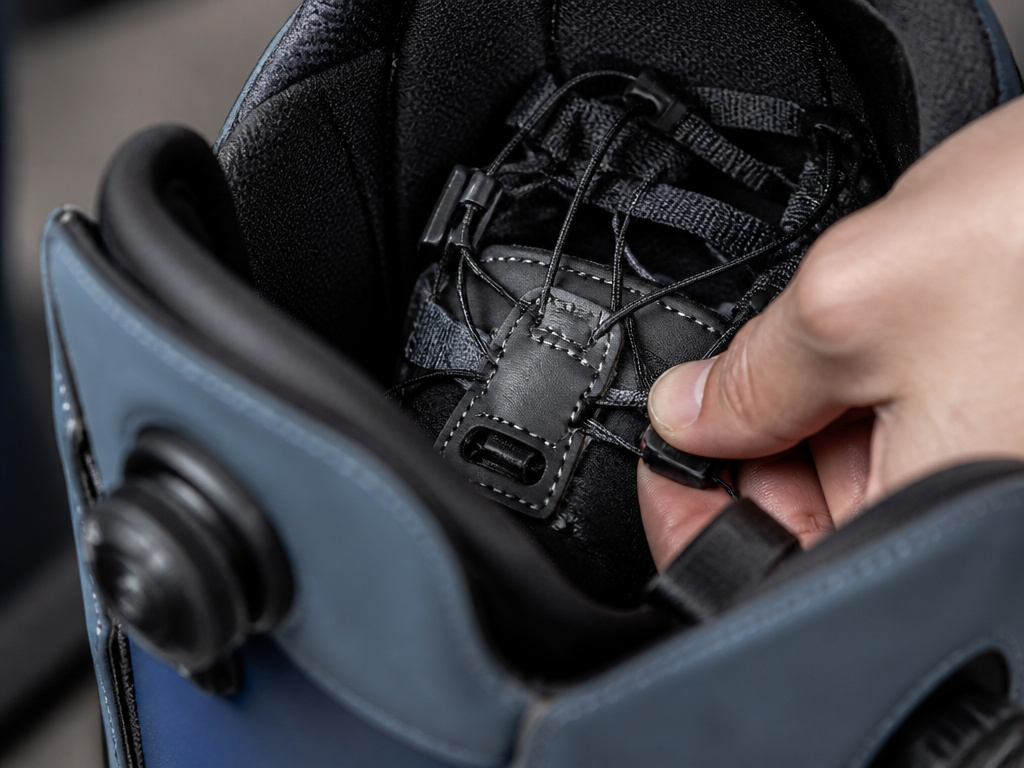
Heel hold is critical for precise control. A 2025 study found that a boot with a ‘wrap’ design enabled a 3% greater peak force and a 5% greater rate of force development under the toes during toe turns compared to a standard BOA closure boot. This suggests a more secure, responsive connection. Look for boots with adjustable internal lacing or harness systems that let you lock your heel down independently from the rest of the foot. A proper heel hold means no slippage when you lean into your edges, translating your movements directly to the board without energy loss.
Snowboard boot sole grip and durability
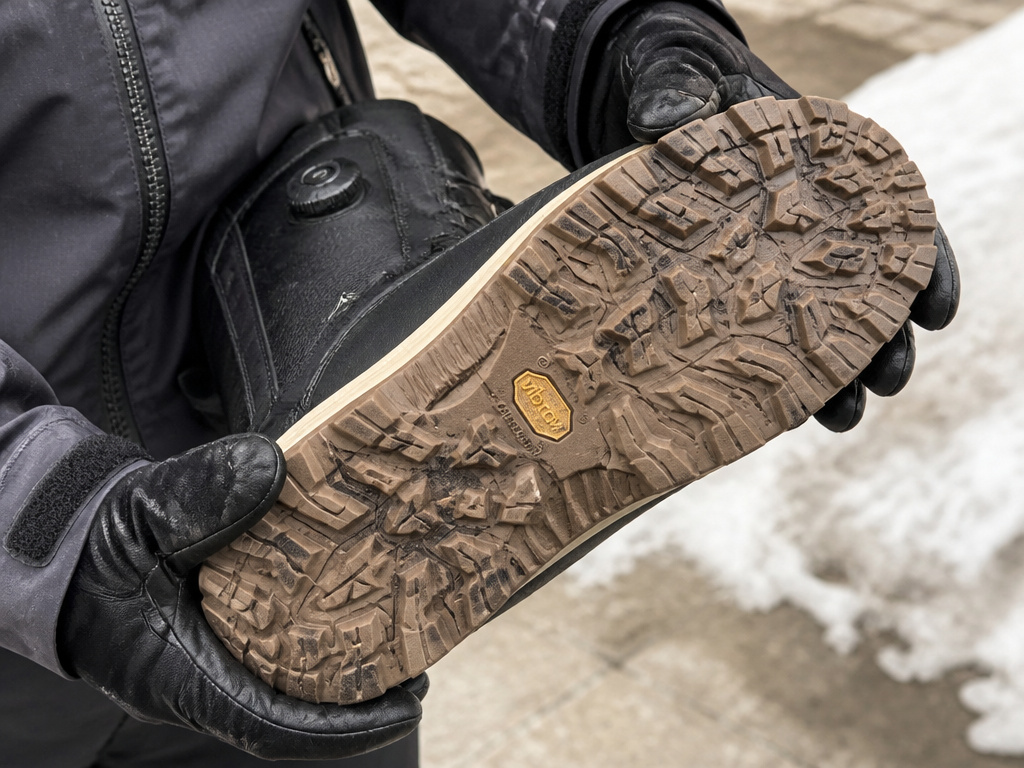
Your boot’s outsole is your only contact when you’re off the board, so traction and durability matter. While the fact sheet doesn’t specify rubber compounds or tread patterns, a quality outsole should provide confident grip on ice, metal, and wet surfaces around the resort. Look for an outsole pattern that sheds snow and mud easily. Durability is key; a worn-out sole can be a slipping hazard. Check for deep, multi-directional lugs and a robust construction that feels solid, not flimsy, when you twist it. A good sole maintains its grip season after season.
Frequently Asked Questions
What does BOA stand for in snowboard boots?
BOA is the brand name of a closure system that uses a dial, a spool, and a stainless steel lace to tighten the boot. It’s not an acronym. The system is designed for one-handed operation and even pressure distribution, and some studies suggest optimized BOA designs can improve performance metrics like speed and force application.
How long do snowboard boots last?
Boot’s lifespan depends on how often you ride and how well you care for it. Lifespan is directly tied to care—boots that are dried after every use last significantly longer.
Can I use snowboard boots for skiing?
No. The designs are fundamentally incompatible. Snowboard boots are softer, allow more lateral flex for steering, and have a flat, flexible sole for attaching to a snowboard binding. Ski boots are rigid, forward-flex only shells designed to lock into a ski binding’s toe and heel mechanism. Using one for the other is unsafe and will not function.
Are Step-On boots as good as traditional bindings?
They are different, not universally better or worse. Burton’s Step-On system offers incredible convenience and a very direct connection. However, it locks you into Burton boots and bindings, and as the 2018 recall shows, the interface components are critical. Traditional strap bindings offer more adjustability, work with any boot, and have a longer track record of reliability. The choice hinges on whether you prioritize speed of entry/exit or system flexibility.
Do I need special socks for snowboarding?
Yes. Snowboard socks are thin, moisture-wicking, and often have padding in key zones (shin, calf) without adding bulk. A bulky cotton sock will bunch up, reduce warmth, and create pressure points that lead to cold feet and blisters. A proper ski/snowboard sock is one of the cheapest and most effective performance upgrades you can make.
Before You Go
One point is clear. A boot review can give you specs and comparisons, but your foot has the final vote. The Union Reset Pro could be the highest-performing boot on earth, but if it squeezes your instep, it’s the wrong boot for you.
The actionable step is this: use the flex and category guidance here to narrow your list to 2-3 models known to fit your foot shape. Then go try them on, with the socks you will ride in, in the evening. Flex them in a riding stance. Walk around. A boot that feels good in a shop isn’t guaranteed to be great, but a boot that feels wrong in a shop will be a disaster on the hill.
Your boots are the only part of your gear that touches you. Don’t outsource that decision to a star rating or a marketing claim. Find the pair that lets you forget about your feet and just ride.
