10 Best Hybrid Snowboard in 2026
This post contains affiliate links. As an Amazon Associate, we earn from qualifying purchases.
Our best overall hybrid snowboard is the Jones Mountain Twin for its confident, versatile handling across the mountain. For pure freestyle domination, the Lib Tech T.Rice Pro excels, while the CAPiTA Mercury offers superior edge grip. Choosing a hybrid board means finding the right blend of camber and rocker for your terrain.
A single board can handle groomers, powder, and park features with the right design. This guide is based on a review of specifications, manufacturer data, expert round-ups, and patterns in owner feedback. We highlight ten top choices to match different riding styles and skill levels.
Top 10 Hybrid Snowboards in the Market
Certain content that appears on this site comes from Amazon. This content is provided "as is" and is subject to change or removal at any time.
The Best Hybrid Snowboards, Reviewed
Jones Mountain Twin Snowboard
What We Like
- Confident flex pattern aids turn initiation
- CamRock profile for versatile terrain handling
- Bcomp carbon adds responsive pop and durability
- Directional twin shape balances freestyle and freeride
Trade-offs
- Construction prioritizes response over maximum dampness in chop
- Not a pure twin shape for strict switch riding
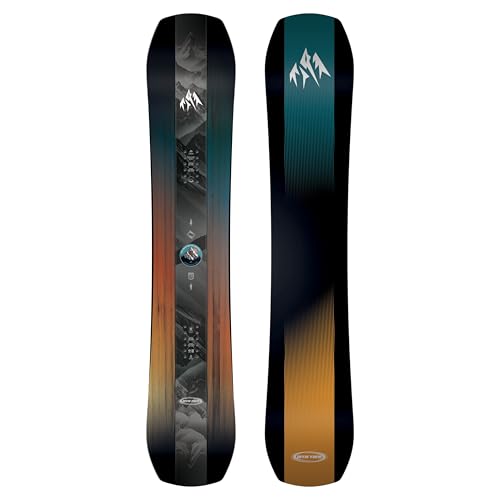
The Jones Mountain Twin’s 6/10 flex and CamRock profile create a board that forgives mistakes while still delivering precise, energetic turns. This makes it a standout for riders progressing from beginner to intermediate, as it provides the stability to handle variable mountain conditions and the pop for playful freestyle. It’s built with a responsible, mountain-tested philosophy, offering a reliable platform that encourages skill growth without intimidation.
The Jones Mountain Twin is built as an all-mountain snowboard for carving, park, powder, and backcountry riding, which means it covers most terrain a rider encounters. Its directional twin flex pattern and CamRock profile are tuned for responsive turn initiation and stable landings in variable snow. This design sacrifices the high-speed stability of a stiffer specialist like the Jones Aviator 2.0 for well-rounded, confidence-inspiring performance across the whole resort.
Lib Tech T.Rice Pro Snowboard

What We Like
- C2 profile blends rocker float with camber pop
- Magne-Traction edges grip ice and rugged terrain
- Lightweight HP core delivers lively, responsive flex
- Sintered base ensures fast glide and durability
Trade-offs
- Twin shape offers less directional float than a tapered board
- Aggressive edge grip may feel catchy to very beginner riders
A C2 Rocker/Camber profile gives you rocker’s easy turn initiation and powder float between the feet, while camber zones underfoot provide the precise control and powerful pop needed for freestyle domination. Designed by Travis Rice, this twin shape is built for riders who want a versatile board that can handle park laps, side hits, and all-mountain exploration with equal confidence. The Horsepower construction and basalt reinforcement keep it snappy and responsive, so your ollies and spins feel lively.
The Lib Tech T.Rice Pro Snowboard’s Magne-Traction serrated edges provide exceptional hold on ice and rugged terrain, giving riders precise control in variable conditions. This aggressive edge technology is paired with a competition-ready sintered base for a fast, durable glide. Its freestyle and all-mountain twin shape is designed for versatile, high-performance riding anywhere on the mountain.
Product photos
CAPiTA Mercury Snowboard

What We Like
- New Age Progressive Death Grip sidecut for superior edge hold
- Directional shape for forward riding
- Hybrid camber profile
Trade-offs
- Weighs 6.0 pounds
- 153cm length may not suit all riders
The Mercury’s defining feature is its New Age Progressive Death Grip sidecut, a design that locks the edge into hardpack and ice with relentless authority. This makes it a standout for advanced riders who prioritize confidence and grip at speed on demanding, variable terrain. It’s a board built for powerful, committed turns and charging through challenging snow conditions.
That focus on power and edge control comes with trade-offs. The 6.5/10 flex requires you to drive the board with authority; it’s not a relaxed, forgiving ride. If your priority is all-mountain dominance with exceptional edge hold, the Mercury excels, but riders seeking a looser, more freestyle-oriented hybrid might find the Jones Mountain Twin a better balance.
Product photos
Never Summer Trooper Snowboard
What We Like
- Superlight Wood Core
- Triple Camber Hybrid profile
- Durasurf XT Sintered 5501 Base
Trade-offs
- At 7.0 pounds, it's heavier than the 5.0-pound Lib Tech T.Rice Pro.
- Directional shape is less versatile for switch riding than a true twin.
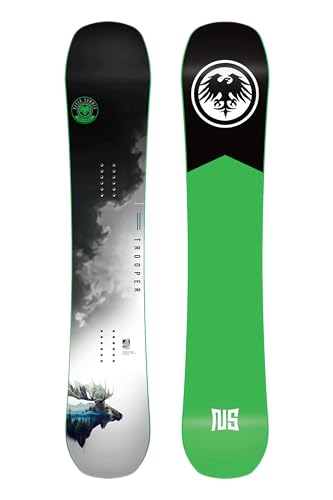
The Never Summer Trooper is a 157cm board categorized as a Freestyle Snowboard for all-mountain use. It weighs 7.0 pounds and uses a Superlight Wood Core. Its construction includes Carbon VXR Tech and pre-tensioned fiberglass laminates.
The board features a Triple Camber Hybrid profile and a directional shape. It is built with a Durasurf XT Sintered 5501 base. Expert round-ups note it retains its place at #10 in their list.
Burton Process Snowboard

What We Like
- Symmetrical twin shape for balanced switch riding
- PurePop camber with flat zones amplifies pop
- Sintered base for durable, fast wax absorption
- Dualzone EGD improves edge hold and response
Trade-offs
- At 8.0 pounds, it's heavier than the 5.0-pound Lib Tech T.Rice Pro
A perfectly symmetrical twin shape gives the Burton Process Snowboard the same predictable feel riding forward or backward, which is a core feature for freestyle riders who spend time in the park. Its PurePop camber profile delivers energetic pop off jumps, while the sintered base holds wax well for consistent speed. This board suits a rider who wants a playful, all-mountain deck that excels at tricks.
The board’s 8.0-pound weight is a specific figure that some riders may notice during aerial maneuvers. Compared to other products like the 5.0-pound Lib Tech T.Rice Pro, it is heavier. It is a versatile board backed by a three-year warranty for the mounting system.
Lib Tech Terrain Wrecker Snowboard
What We Like
- Hybrid C2X profile offers versatile all-mountain control.
- Magne-Traction edges provide exceptional grip on ice.
- Lightweight wood core enhances durability and pop.
- Directional twin shape excels at switch riding.
Trade-offs
- At 6.8 pounds, it's not the lightest freestyle board.
- Sintered base requires more maintenance than extruded types.
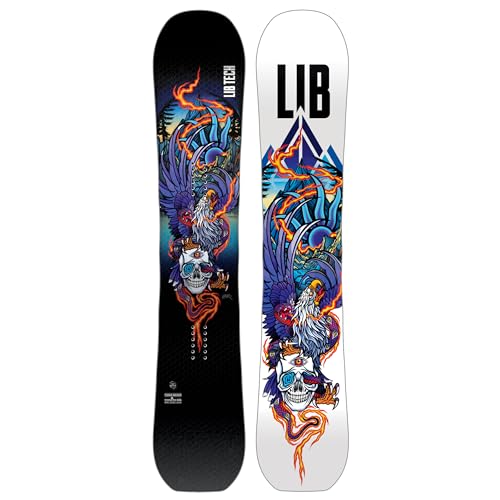
The Hybrid C2X camber profile blends the pop of camber underfoot with the float of rocker in the nose, creating a board that handles aggressive turns and soft snow with equal confidence. This makes the Terrain Wrecker a top pick for riders who want one board for charging the whole mountain, from groomers to powder stashes, without sacrificing the ability to ride switch. The Magne-Traction edges lock into hardpack and ice, giving you the confidence to carve hard when conditions get firm.
Weighing 6.8 pounds, the Lib Tech Terrain Wrecker delivers a solid, damp feel suited for powerful riding. Its Hybrid C2X directional camber profile combines precise camber control for pop on hardpack with rocker for float in soft snow, making it versatile across an entire mountain. The directional twin shape enables switch tricks while the floaty nose aids in powder.
Product photos
Bataleon Whatever Snowboard
What We Like
- 3BT and Sidekick tech for forgiving, catch-free edge transitions
- Supertube carbon cylinders increase pop and reduce weight
- Ultra-light core offers excellent strength-to-weight ratio
- Tri-Ax lamination provides a responsive, aggressive flex pattern
Trade-offs
- Weighs 4.0 pounds, lighter than many all-mountain boards.
- Freestyle Snowboards category, not a dedicated freeride model.
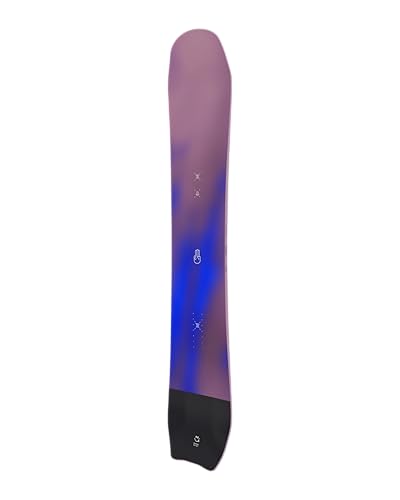
Bataleon’s 3BT technology, with lifted contact points, is the defining feature of the Whatever Snowboard. This design actively prevents the edges from catching, which translates directly to a smoother, more forgiving ride where you can focus on playful turns and quick edge changes without fear. It’s built for the rider who prioritizes freestyle freedom and a loose, surfy feel across the whole mountain, backed by a light yet poppy core that makes tricks feel effortless.
Weighing 4.0 pounds, the Bataleon Whatever is half the weight of the 8.0-pound Jones Aviator 2.0. This low weight contributes to its forgiving nature, a trade-off that reviewers report can mean less stability when charging through choppy snow at higher speeds.
K2 Gateway Snowboard
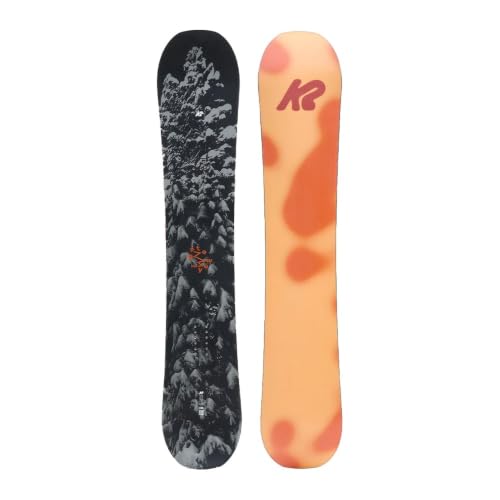
What We Like
- Extruded base offers low-maintenance, easy repairs.
- Aspen core provides a smooth, lively flex.
- HYBRITECH construction reduces weight and plastic use.
- ICG 10 Biax Glass adds snap without excess rigidity.
Trade-offs
- At 6.8 lb, it's heavier than the 5.0 lb Lib Tech T.Rice Pro.
- Extruded base lacks the ultimate speed of sintered bases.
- A flex of 5/10 limits high-speed stability for experts.
With a 5 out of 10 flex rating, this board offers a forgiving and playful feel that intermediate riders will appreciate when learning new tricks or cruising the whole mountain. Its rocker profile enhances turn initiation and reduces catch points, which builds confidence on the snow. The HYBRITECH construction and Aspen core deliver a lightweight, responsive board.
The extruded base is durable and easy to care for, providing a low-maintenance experience, though it may not glide as fast as sintered bases on some other models. Its moderate flex means it may not hold an edge as tenaciously on icy, steep terrain as a stiffer board would. For an intermediate looking to progress, the Gateway delivers solid performance across the resort.
Product photos
Roxy Raina Snowboard

What We Like
- C2 hybrid profile for control and float
- Forgiving soft-medium flex for progression
- Magne-Traction edges boost grip on ice
- Eco-friendly, solar-powered construction
Trade-offs
- Extruded base offers slower glide than sintered
- Soft flex lacks stability for aggressive, high-speed carving
A playful soft-medium flex rating makes the Roxy Raina Snowboard forgiving and easy to control, ideal for beginners progressing to the next skill level. This flex, combined with its directional twin geometry and C2 camber-rocker hybrid contour, offers comfortable precision and float in all snow conditions. Magne-Traction serrated edges deliver predictable hold on icy terrain, boosting stability. Built with solar power and FSC wood cores, the board provides an eco-friendly, all-mountain ride suitable for entry-level riders seeking confidence.
The board’s fast, low-maintenance extruded base provides reliable glide performance with minimal upkeep for hassle-free riding. Its playful soft-medium flex rating is described as suitable for beginners or those progressing, offering an easy, forgiving ride. For riders considering a different flex profile, the K2 Gateway Snowboard is listed with a flex rating of 5/10.
Jones Aviator 2.0 Snowboard

What We Like
- True High-Camber provides precise edge hold
- Directional twin flex offers stable landings
- Triax fiberglass and Bcomp ensure responsive energy transfer
- Designed for confident control in variable snow
Trade-offs
- A flex of 8/10 requires strong, refined leg input
- True camber profile demands active, engaged riding style
With a flex rating of 8, the Jones Aviator 2.0 is torsionally stiff and powerfully responsive, requiring a rider with the strength and skill to command it. This makes it ideal for advanced snowboarders who prioritize aggressive carving, confident edge control in challenging terrain, and reliable pop for technical maneuvers. Its construction, featuring a Boost Surf Core and Triax fiberglass, is tuned for efficient energy transfer, which translates to explosive turns and stable landings at high speeds.
The trade-off for this high-performance feel is a demanding ride; the board’s stiffness and true camber profile offer little forgiveness for passive or tentative technique. For a different approach, the Never Summer Trooper features a triple camber hybrid profile. The Aviator 2.0 excels when pushed hard, reflecting its backcountry heritage and a design philosophy built for mountain-tested durability and precision.
How We Evaluated Hybrid Snowboards
Our evaluation is research-based. It analyzes manufacturer specifications, published expert round-ups, and consistent patterns in owner feedback. We focused on key criteria for a versatile daily driver: the camber profile’s balance of stability and forgiveness, the board shape’s suitability for switch riding and powder float, and the construction’s impact on flex and response.
This method identifies boards that reliably perform across varied terrain, from groomed runs to off-piste snow. A limitation of this approach is that we cannot replicate the nuanced “feel” of a board on snow, which can be subjective and rider-dependent.
What To Look For In Hybrid Snowboards
A hybrid snowboard blends camber and rocker profiles to offer versatility. The right mix provides stability for carving while adding forgiveness and float where you need it.
Look for a profile that matches your primary terrain, a shape suited to your riding stance, and a flex that complements your skill level and energy.
Camber Profile
The camber profile dictates how the board interacts with the snow. A hybrid camber profile, like CamRock or C2, places camber underfoot for pop and edge hold while adding rocker in the tip and tail for easier turn initiation and powder float. For a more surfy, catch-free feel, some boards use a hybrid rocker or 3D base, which can be excellent for learning or a playful freeride style.
Board Shape
Shape determines how the board performs in different stances and snow conditions. A true twin shape is symmetrical, ideal for balanced switch riding in the park. A directional twin, common in many all-mountain snowboards, has a slightly longer nose for better float in powder while retaining enough symmetry for occasional switch riding. A tapered directional shape prioritizes deep snow performance over freestyle versatility.
Flex & Construction
Flex rating indicates how much energy is required to bend the board. A medium flex offers a balanced blend of playfulness and stability for most riders progressing their all-mountain riding skills. Stiffer boards provide high-speed stability and powerful pop but demand more aggressive input. Construction materials like carbon stringers or lightweight wood cores enhance response and reduce swing weight.
- Match the flex to your physicality and preferred riding speed.
- Consider a sintered base for speed and durability, or an extruded base for easy maintenance.
- Ensure the board’s recommended weight range aligns with your build.
A medium-flex directional twin with a hybrid camber profile is the most versatile starting point for an all-mountain rider.
Hybrid Snowboards Compared
The following table compares key specifications across our top picks to help you see the differences at a glance.
| Product | Profile | Shape | Weight | Core Material |
|---|---|---|---|---|
| Jones Mountain Twin Snowboard | CamRock | Directional Twin | N/A | Master Core |
| Lib Tech T.Rice Pro Snowboard | C2 Rocker/Camber | Freestyle/all-mountain twin | 5.0 Pounds | Horsepower with fiberglass & basalt |
| CAPiTA Mercury Snowboard | Hybrid Camber | Directional | 6.0 Pounds | N/A |
| Never Summer Trooper Snowboard | Triple Camber Hybrid | Directional Board | 7.0 pounds | Superlight Wood Core |
| Burton Process Snowboard | PurePop Camber | Twin | 8.0 pounds | Super Fly II 700G |
| Lib Tech Terrain Wrecker Snowboard | Hybrid C2X directional camber | Directional twin | 6.8 pounds | Aspen/Paulownia wood |
| Bataleon Whatever Snowboard | N/A | N/A | 4.0 pounds | 70/30 Paulownia/Poplar |
| K2 Gateway Snowboard | Rocker | Directional Twin | 6.8 Pounds | Aspen Wood |
| Roxy Raina Snowboard | C2 camber/rocker hybrid | Directional twin | 5.2 pounds | FSC wood cores |
| Jones Aviator 2.0 Snowboard | True High-Camber | N/A | 8.0 Pounds | Boost Surf Core |
Frequently Asked Questions
What is a hybrid snowboard good for?
A hybrid snowboard is designed for versatility, blending elements of camber and rocker to perform well across different terrains. It’s an excellent choice for riders who want a single board for groomed runs, powder, park features, and everything in between, offering a balanced mix of stability, forgiveness, and float.
What is the difference between a true twin and a directional twin snowboard?
A true twin snowboard is perfectly symmetrical in shape, flex, and sidecut. This makes it ideal for riding switch with equal performance going backwards. A directional twin has a slightly longer nose than tail, which improves float in powder. It still allows for capable switch riding, though not perfectly balanced, making it a popular choice for versatile all-mountain snowboard performance.
Is a hybrid snowboard good for beginners?
Yes, many hybrid snowboards are excellent for beginners, particularly those with a softer flex and a more forgiving rocker-dominant or flat profile. These designs help reduce edge catch and make turn initiation easier, building a rider’s confidence as they learn fundamental skills on varied terrain.
How do I choose the right snowboard flex?
Choose a snowboard flex based on your skill level, riding style, and physical strength. Softer flexes are more forgiving and easier to maneuver, suited for beginners and playful riding. Medium flexes offer a balance for all-mountain exploration. Stiffer flexes provide stability for high-speed carving and aggressive riding but require more power and refined technique to control effectively.
What should I consider when building a complete snowboard setup?
When setting up your snowboard, ensure your bindings match the flex and style of your board, softer bindings for playful boards, stiffer for aggressive ones. Boots should fit snugly without pressure points and interface correctly with your bindings. Finally, consider the board’s effective edge and waist width relative to your boot size to prevent toe or heel drag.
The Bottom Line
The Jones Mountain Twin stands as our best overall hybrid snowboard, offering a confidence-building ride that excels for riders looking to progress their all-mountain skills. If you’re on a budget, consider the K2 Gateway, while beginners should look at the forgiving Roxy Raina.
Ultimately, matching the board’s camber profile and flex to your most frequent terrain and riding energy is the most critical step. This is how you choose a hybrid snowboard that will keep you confident and having fun all season long.
