Burton Ripcord Snowboard Review: Specs, Sizing, Verdict
This post contains affiliate links. As an Amazon Associate, we earn from qualifying purchases.
The Burton Ripcord is a soft-flexing, directional all-mountain snowboard. Burton markets it for beginners and intermediates, though some reviewers, like Snow Magazine, have rated it for ‘Advanced, Intermediate, Recreational’ riders. Its Flat Top™ with Easy Bevel profile provides a catch-free ride, while The Channel® mounting system offers easy stance adjustment. Sizing should prioritize your weight and boot size, with wide versions available for riders in US 11+ boots.
That catch-free claim isn’t marketing fluff. It’s the mechanical outcome of a flat base between your feet and beveled tips that lift the edges away from the snow until you deliberately engage them. For someone learning to link turns, that design difference is the whole game, a key point noted in every Burton Ripcord snowboard review.
What follows is a breakdown of where the Ripcord actually shines, where it holds you back, and the three kinds of riders who should look at something else. We’ll match its specs to real riding situations, explain the sizing math, and name the boards you graduate to when you’re ready.
Key Takeaways
- The Ripcord’s Flat Top™ with Easy Bevel profile is among the most forgiving in Burton’s range, making edge catches far less likely while you learn.
- Size this board by your weight, using the manufacturer’s published weight range for each length, and choose a wide version if your boots are US 11 or larger.
- Its extruded base is low-maintenance but slower than sintered alternatives; it’s a trade-off for durability and ease of care over multiple seasons.
- Sources disagree on the Ripcord’s shape: Burton’s product page describes it as a ‘true twin snowboard,’ while other sources describe it as having a ‘directional shape.’
- Riders above 200 lbs or in size 12+ boots are pushing the top of its performance envelope and may want a stiffer, wider board.
How Does the Burton Ripcord Ride?
The first thing you notice is the lack of hook. On your first few runs, when your weight distribution is still a guess, the board doesn’t punish you. That’s the Flat Top profile at work. The base is flat between your feet, and the tips rise early with a bevel that keeps the edges up. You have to really lean into a turn to engage them. For a beginner, that translates to fewer sudden stops and faceplants.
The flex is soft. Burton and retailers like Evo categorize it as soft. Evo standardizes manufacturer flex ratings, with 1-2 representing a soft feel. On snow, that softness makes the board twist easily underfoot. Initiate a turn by rolling your ankles, and the board follows without a fight. It’s forgiving when you’re off-balance because it deflects over small bumps and ruts instead of transmitting every shock straight to your legs.
That same softness has a ceiling. When you point it down a steeper groomer or try to carry speed through chopped-up snow, the board feels vague. It lacks the torsional rigidity to hold a hard, carved edge with confidence. You’ll get speed wobbles before a stiffer board would. That’s the trade-off: easy turn initiation at the expense of high-speed stability.
Performance on Groomers and Hard Snow
On corduroy, the Ripcord is in its element. The soft flex and flat profile let you skid turns effortlessly, which is exactly what most beginners do. As you progress to carving, the board responds predictably. It won’t rocket out of a turn, but it will guide you through the motion smoothly. It will skid where a more advanced board would bite.
Performance in Powder
The board has a directional shape with a 5mm taper and a setback stance of about 25mm. This means the nose is longer and slightly wider than the tail. In soft snow, this geometry helps the nose float. It’s not a dedicated powder board, but for a beginner’s first ventures off-piste or a fresh snow day on a green run, it’s more than capable. You won’t be fighting to keep the tip up.
Construction and Specs: What You’re Actually Buying
We can ignore the marketing terms. The Ripcord’s construction is straightforward and built for durability over high performance.
| Component | Specification | What It Means For You |
|---|---|---|
| Core | Fly 900G with Squeezebox Low | A simple, light wood core. Squeezebox Low profiling thins the core underfoot to soften flex and reduce turn effort. |
| Profile | Flat Top™ with Easy Bevel | Flat between feet for stability, beveled/risen tips to reduce edge catch. The most forgiving profile Burton makes. |
| Shape | Directional (5mm taper) | Nose is longer/wider than tail. Better float in soft snow, but less ideal for riding switch (backwards). |
| Base | Extruded | Durable, easy to repair with a simple P-Tex candle, and requires less frequent waxing. Slower than a sintered base. |
| Mounting | The Channel® | A 2-slot system that allows infinite stance width and angle adjustment. Compatible with many bindings. |
| Warranty | 3 Years | Covers defects for three years from purchase date on boards with The Channel (2014 and newer). |
The extruded base is a key point. It’s made by melting polyethylene and extruding it into a sheet. It’s dense, durable, and hydrophobic, meaning it holds wax poorly but also doesn’t dry out quickly. It requires less frequent waxing than a sintered base. A sintered base is faster but requires more knowledge and upkeep. For a first board, the extruded base is the best choice. Its low maintenance means you can concentrate on riding.
The Channel mounting system is another beginner-friendly feature. Instead of wrestling with a 4×4 or 2×4 insert pattern, you just slide two bolts into a channel. It makes dialing in your stance width and angles a two-minute job. You can use Burton’s Re:Flex or EST bindings, or any 4×4 or 2×4 binding with a Channel-compatible disc.
Sizing the Ripcord: Weight vs. Boot Size
Throw out the old chin-height rule. For a soft, directional board like this, your weight is the primary driver. The board needs to flex properly under your mass to give you the intended easy turning.
Boot size is the second, essential factor. If your boots overhang the edge too much, you’ll catch toes or heels on steep turns. This is called toe drag, and it will buck you off the board.
Here’s the concrete math, pulled from Burton’s and retailers’ spec sheets:
- Waist widths of 244-256mm suit US men’s boots up to about size 10.5.
- For boot sizes US 11 and up, you must choose a Wide (W) size (156W, 158W, 162W), which adds roughly 10mm of waist width.
- Riders above 200 lb or in size 12+ boots are at the top of the Ripcord’s intended size range. The board may feel too soft and unstable.
Where this goes sideways: Choosing a longer board because you’re tall but light. A 165 lb rider might fit both the 154cm and 157cm. If you’re still learning, take the 154cm. The shorter length is easier to pivot and control. If you’re already linking turns and riding faster, the 157cm will provide more stability. Longer is not automatically better.
This precise sizing is a gap most Burton Ripcord snowboard review pages gloss over. They’ll say “it comes in multiple sizes” but not tell you how to pick one. Getting this wrong means a board that either feels like a noodle or fights you on every heel-side turn.
Who Should Buy the Burton Ripcord? (And Who Shouldn’t)
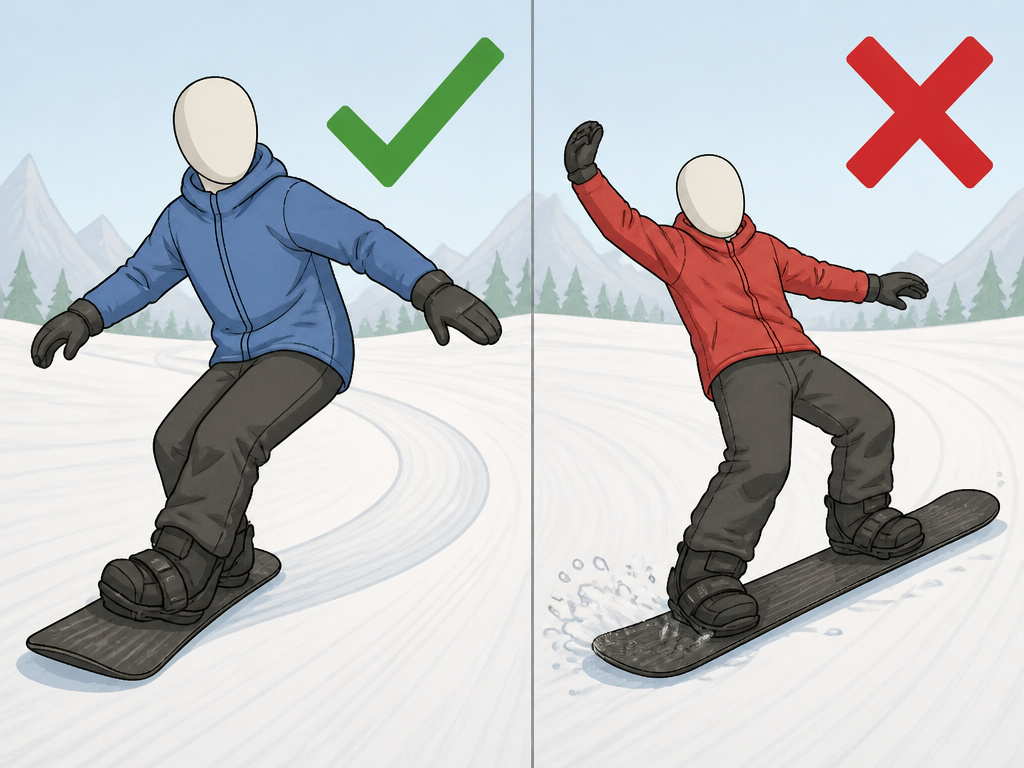
This board has a specific job. It’s for the rider who wants a single, affordable board to learn on and ride for 2-3 seasons across all mountain terrain, with no interest in park or switch riding yet.
The Ripcord is for you if:
- You’re a first-time buyer moving off rentals.
- You’re an intermediate who still skids most turns and wants to build confidence carving on groomers.
- You value low maintenance (extruded base) and a long warranty (3 years).
- You ride mostly directional and don’t plan to spend time in the terrain park this season.
Look at another board if:
- You’re a fast learner with park ambitions. The directional shape hinders switch riding. You should start on a true twin like the Burton Cultivator. It has the same Flat Top forgiveness but is symmetrical, so riding switch feels the same.
- You ride mostly on East Coast ice. The catch-free profile sacrifices edge grip. You’ll want a board with camber underfoot, like the Burton Custom Flying V, for better hold on hardpack.
- You’re over 200 lbs or wear size 12+ boots. The Ripcord will feel too soft. You need a wider, stiffer platform. Check our guide on the best Burton snowboards for models with more support.
Ideal Binding Pairings and Setup
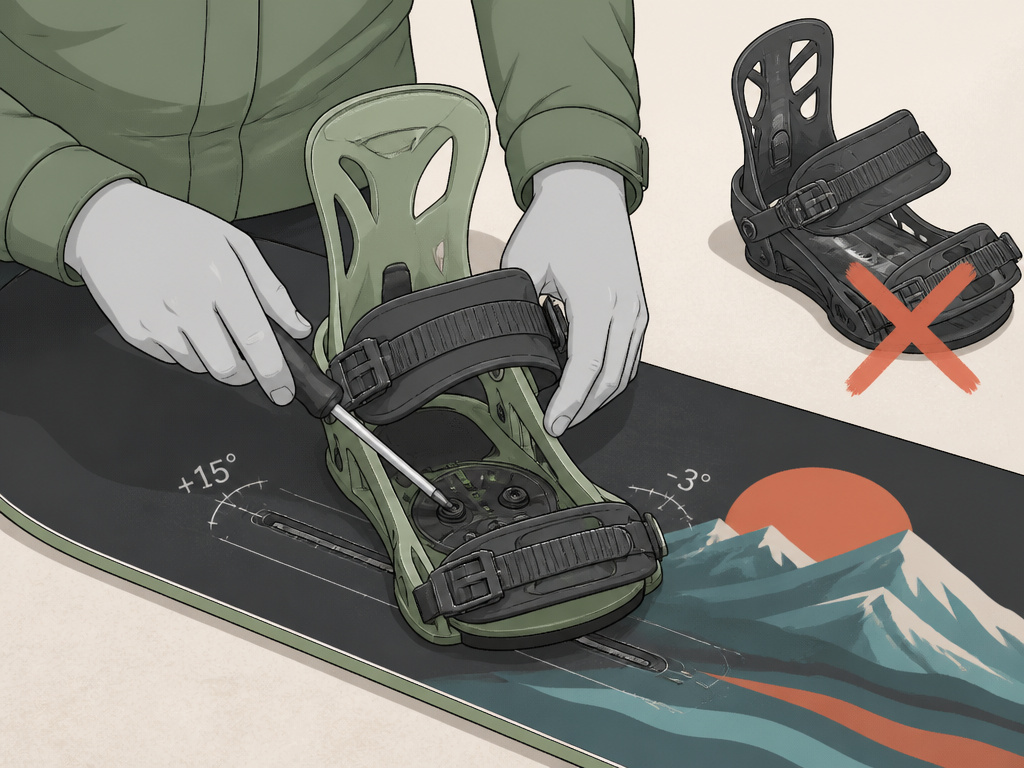
The Ripcord doesn’t come with bindings. Your choice here can slightly tune the feel. The board is soft, so you don’t want an ultra-stiff binding that will overpower it.
A medium-soft flex binding is the sweet spot. It will complement the board’s forgiving nature without adding unnecessary rigidity. Models like the Union STR or Burton’s own Burton Re:Flex work perfectly. They provide enough response for progression without being harsh.
Avoid very stiff, aggressive bindings meant for freeride charging. They’ll feel disconnected from the soft board, like putting racing tires on a economy sedan. The feedback will be vague and unsatisfying.
For stance, start with a shoulder-width stance, angles around +15° on the front foot and 0° to -6° on the back (duck stance). The Channel system makes experimenting free. Try a few setups on the carpet at home. Your knees should be slightly bent and aligned over your toes without strain. For more on this, see our broader bindings guide.
The Progression Path: When to Move On From the Ripcord
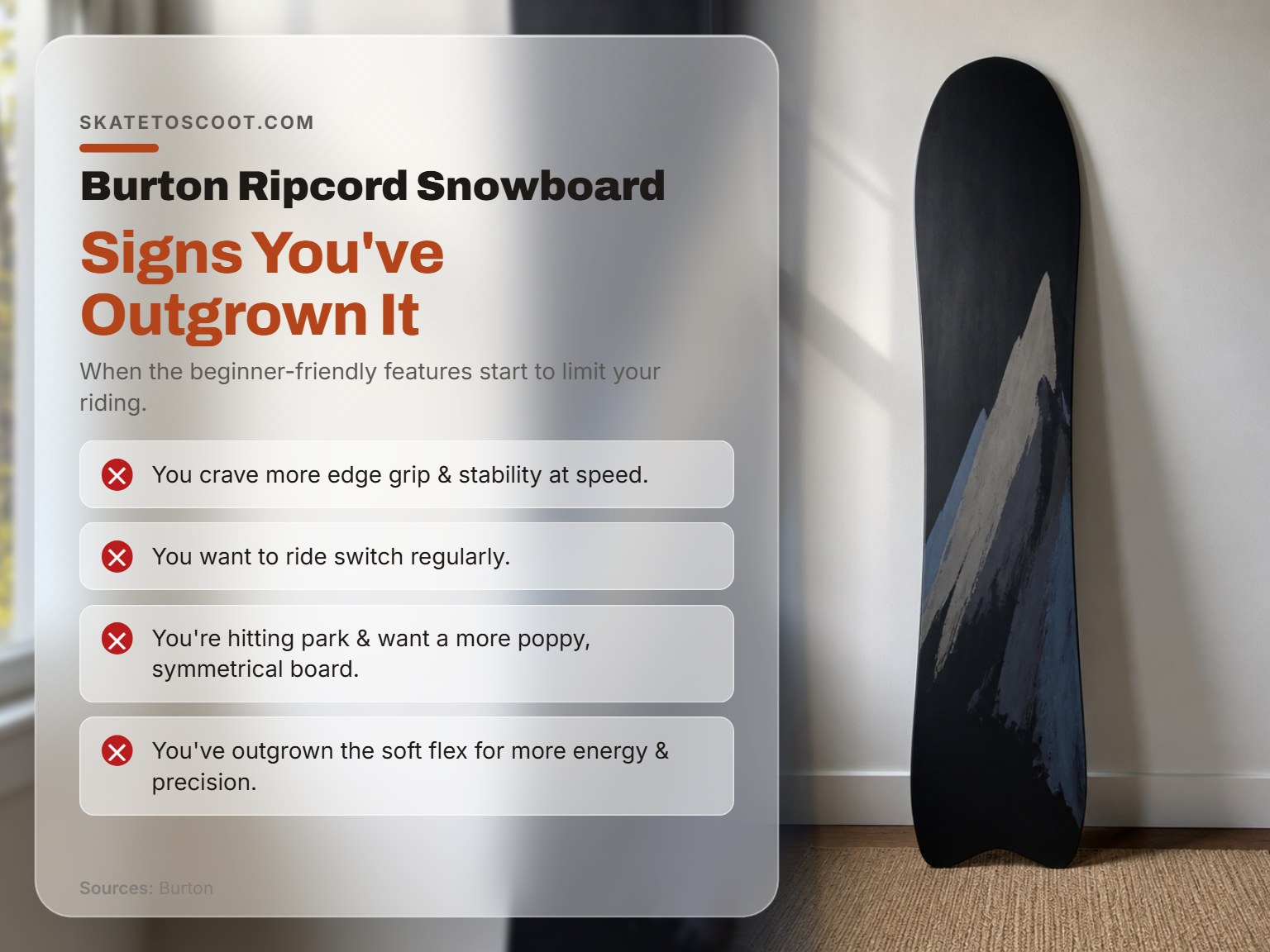
You’ll know it’s time for a new board not when the Ripcord breaks, but when it starts holding you back. The signs are specific.
You’re ready to upgrade when:
- You crave more edge grip and stability at speed, and the board feels “chattery” on hard groomers.
- You want to ride switch regularly and find the directional shape a constant annoyance.
- You’re hitting small park features and want a more symmetrical, poppy board.
- You’ve outgrown the soft flex and want a board that responds with more energy and precision.
The natural next step within Burton’s lineup is the Burton Custom Flying V. It’s a hybrid rocker-camber profile with a medium flex. It provides the edge hold the Ripcord lacks, more pop, and a versatile shape that can handle park and powder. It’s the board you buy when you’ve mastered the basics and want a tool that rewards better technique. Our Burton Custom snowboard review details that transition.
For riders who focused on freestyle from the start, the Burton Cultivator (a true twin) might be the first board, making the Ripcord a skip altogether. Understanding these pathways is how you build a quiver logically, a topic most Burton Ripcord snowboard review guides completely ignore.
Long-Term Durability and the “2nd Quality” Option
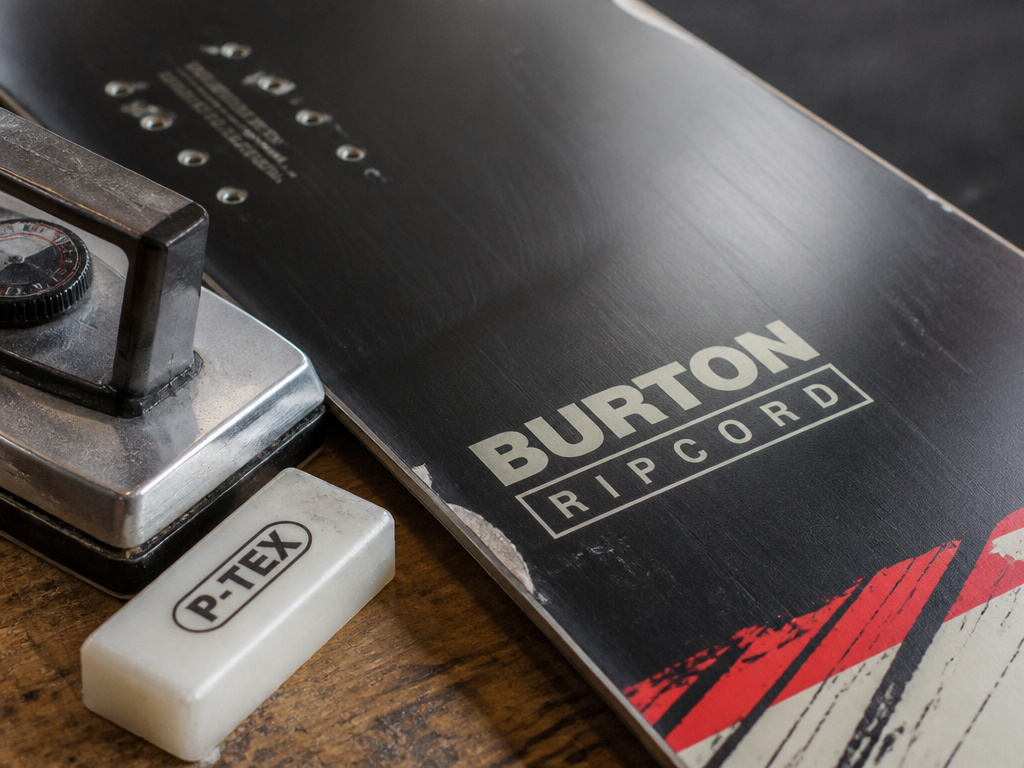
The extruded base is famously durable. It’s resistant to scratches and core shots compared to softer sintered bases. Over seasons, it will develop fine lines but won’t dry out and turn white. Maintenance is simple: periodic waxing will keep it gliding. For major gashes, a P-Tex candle repair is foolproof.
This isn’t a structural flaw but a cosmetic one. The top sheet graphics on some models can chip along the edges after impacts with rocks or rails. It doesn’t affect performance.
Burton also sells ‘2nd Quality’ versions of the Ripcord directly. These are factory seconds with minor cosmetic blemishes—a flawed top sheet print, a slight discoloration—that don’t affect the ride. They come with the same 3-year warranty. For a first board, this can be a fantastic way to save money.
Has the Burton Ripcord changed much over the years?
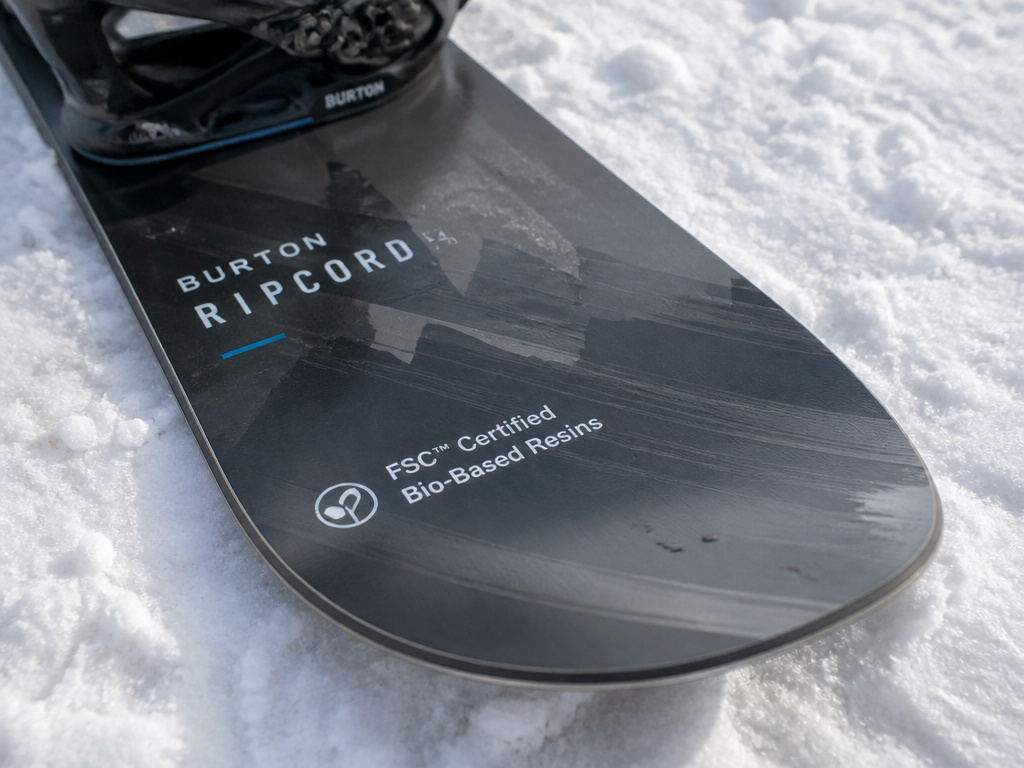
The core design philosophy of the Ripcord has remained consistent. It’s built as a soft-flexing, accessible board to accelerate a rider’s progression from beginner to intermediate. The fundamental tech specs like the Flat Top profile, The Channel mounting system, and the directional shape with a slight taper have been staples. The board’s core design philosophy has remained consistent. You can expect it to always prioritize a catch-free, forgiving ride that helps build confidence. When comparing older models to newer ones, look for updates in Burton’s sustainable practices, like the inclusion of FSC™ certified wood cores and bio-based epoxies in recent production.
Frequently Asked Questions
Is the Burton Ripcord a good board for beginners?
Yes, it’s one of the best beginner boards available. Its soft flex, catch-free Flat Top profile, and forgiving nature are specifically engineered to reduce frustration and accelerate the learning curve.
What type of board is the Burton Ripcord?
It’s a directional all-mountain snowboard. “Directional” means the nose is longer and often wider than the tail, optimized for riding forward. “All-mountain” means it’s designed to handle a bit of everything—groomed runs, some powder, and variable snow.
Which Burton snowboard is considered the best for beginners?
The Ripcord and the Cultivator are Burton’s top beginner choices. The Ripcord is directional and better for all-mountain learning. The Cultivator is a true twin and better if you know you want to try freestyle and switch riding immediately. For a full comparison, check our list of the best beginner Burton snowboards.
Is the Burton Ripcord good for powder?
It’s competent for a beginner board in powder. The 5mm taper and 25mm stance setback help the nose float. It won’t perform like a dedicated powder board, but it will handle fresh snow on gentle slopes better than a flat true twin.
Does the Burton Ripcord come with bindings?
No. The Ripcord is sold as a “board only.” You need to purchase bindings separately. The Channel mounting system is compatible with most major binding brands using the appropriate disc.
The Bottom Line
The Burton Ripcord does one job exceptionally well: it removes obstacles from a beginner’s path. The catch-free design, soft flex, and low-maintenance build let you focus on learning to turn, link runs, and build mountain confidence without fighting your equipment.
Commit to the sizing by the numbers—weight first, then boot size. If you’re a US 11 boot or 200+ lbs, look at the Wide sizes or a different model altogether. Pair it with a medium-soft binding like the Union STR, and you have a setup that will serve you reliably for seasons.
When you can confidently carve both edges on a blue run and find yourself wanting more pop or edge hold, that’s your signal. The Ripcord has taken you as far as it can. That’s not a failure; it’s a successful graduation. Your next board, like the Burton Custom Flying V, will be waiting.
