Hoverboard Review: How to Choose Safely
This post contains affiliate links. As an Amazon Associate, we earn from qualifying purchases.
A real hoverboard review starts with safety certifications and ends with how long the thing lasts on real pavement. The UL 2272 standard is the essential minimum; models like the recalled Hover-1 Superfly H1-SPFY or iLive GSB series show why. Beyond that, your choice depends on whether you need a sidewalk cruiser, a grass-capable rider, or a durable machine for daily commutes.
Most reviews stop at top speed and battery life. They miss the part where a hoverboard lives in your garage, gets rained on, and wears out its tires after six months of curb hops. The difference between a purchase that meets UL 2272 and a garage ornament isn’t just the specs sheet.
What follows: a breakdown of the one safety certification you cannot skip, the real meaning behind “all-terrain” claims, a hard look at long-term durability, and a direct comparison to the electric scooters you might be considering instead.
Key Takeaways
- UL 2272 certification is mandatory, not a nice-to-have. The CPSC considers non-compliant hoverboards defective and has issued multiple recalls for fire hazards.
- Real-world range is often 60-70% of the advertised figure. Weight, hills, and stop-start riding drain the battery faster than the ideal lab test.
- “All-terrain” usually means “large pneumatic tires for grass and packed dirt,” not mud, sand, or rocky trails. Understanding this limit prevents immediate disappointment.
- Long-term durability hinges on tire quality and water resistance. Solid rubber tires last longer but ride harshly; basic splash resistance is common, true waterproofing is rare.
- For most urban commuters, a basic electric scooter is often a more practical choice than a hoverboard when you factor in learning curve, portability, and repair access.
The UL 2272 Safety Standard Isn’t Optional
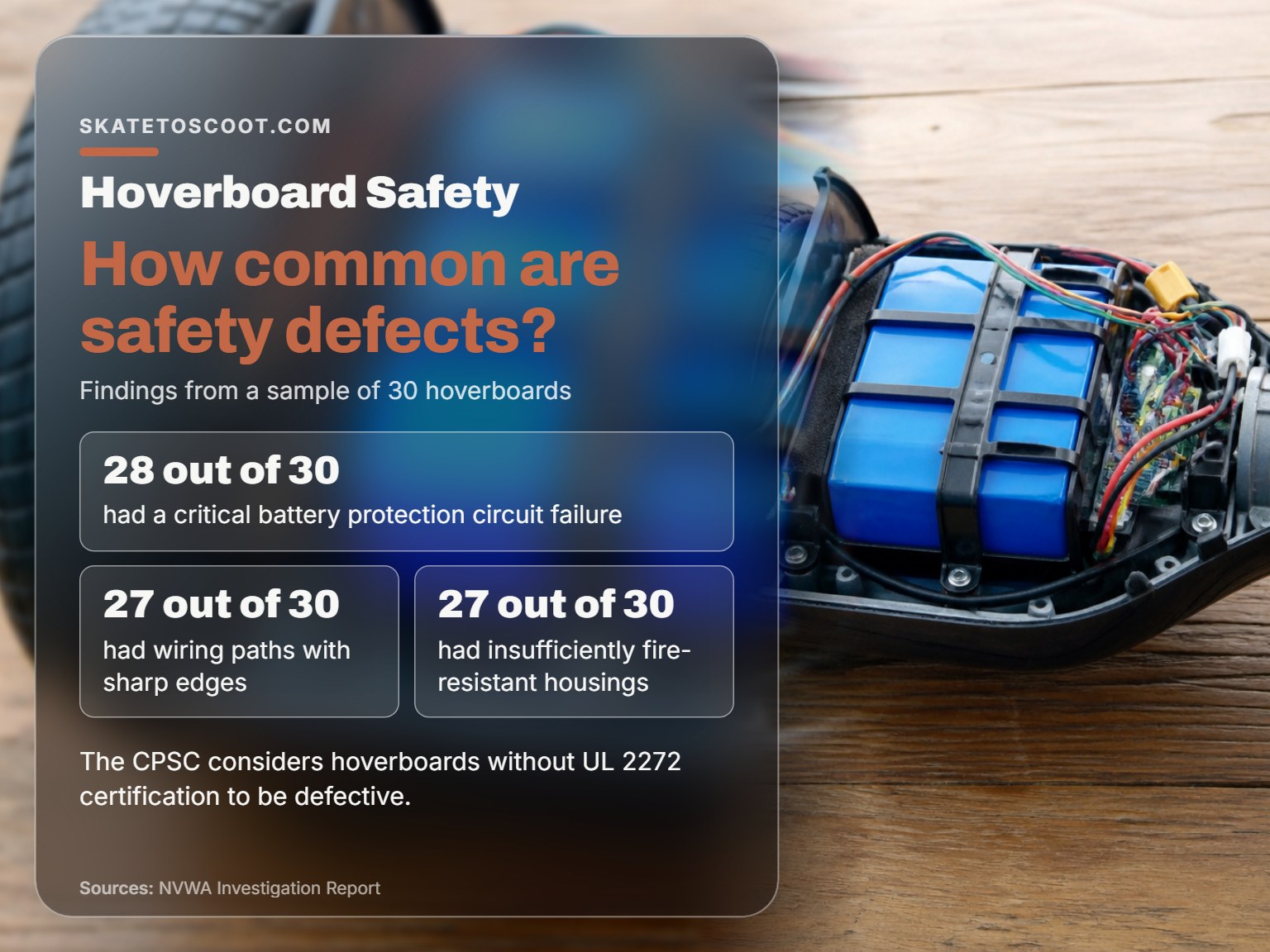
Simply put, if a hoverboard isn’t UL 2272 certified, you are buying a potential fire hazard. This isn’t marketing. The U.S. Consumer Product Safety Commission (CPSC) stated plainly in a 2016 notice that it “considers self-balancing scooters that do not meet UL 2272 to be defective.” That language doesn’t leave room for interpretation.
The standard exists because the early market was a disaster. From December 2015 to February 2016 alone, the CPSC received reports of 52 separate hoverboard fires causing over $2 million in property damage. The root cause was often the lithium-ion battery system, poor quality cells, faulty battery management systems (BMS), and designs that allowed a single overheating cell to ignite its neighbors.
UL 2272 takes a system-level approach, testing the entire electrical system of the device, not just the battery, under electrical, mechanical, and environmental stress. Passing this test is your best indicator that a manufacturer didn’t cut corners on the components that can literally burn your house down.
The proof is in the recalls. Models like the iLive GSB56BC, Powerboard PB-001, and iRover 87645 were all recalled for battery packs that could overheat, smoke, and catch fire. In each case, the fix was a free replacement with a UL2272-certified unit. When you’re looking at product listings, the certification mark should be prominently displayed. If it’s not mentioned, move on.
Why Cheap, Non-Certified Boards Are Still Out There
You’ll find them on obscure marketplaces and from overseas sellers. They’re priced to tempt. The internal reality, as shown in a 2018 Dutch regulator’s market sample, is grim. Of 30 hoverboards sampled in a 2018 Dutch market investigation, 28 had a critical failure in the battery protection circuit, meaning charging wouldn’t stop when the battery was full. Another 27 had wiring paths with sharp edges and insufficiently fire-resistant housings.
That’s not a few bad apples. That’s the unregulated market. Buying a certified board ensures you get the basic safety features that should be in every product.
What Does “All-Terrain” Actually Mean?
Marketing copy loves this term. The meaning is more specific. For hoverboards, “all-terrain” almost universally means it has large, air-filled (pneumatic) tires, usually 8.5 or 10 inches in diameter. These tires provide enough cushion and grip to handle:
- Grassy lawns and parks
- Packed dirt or gravel paths
- Uneven sidewalk slabs
What they decidedly do not handle well:
- Deep mud or loose sand (the board will sink and stall)
- Rocky trails (the small wheels can’t clear large obstacles)
- Steep inclines on any surface (most motors top out at a 15-20% grade)
The larger tires also increase the ride height, which changes the center of gravity. Some riders find them more stable at speed; others feel less connected to the board. It’s a trade-off.
| Terrain Type | Suitable for Standard Hoverboard? | Suitable for “All-Terrain” Model? | Key Limitation |
|---|---|---|---|
| Smooth Pavement | Excellent | Good (but slower, less agile) | All-terrain tires have more rolling resistance. |
| Short, Dry Grass | Poor (may stall) | Good | Motor power and tire grip are the limits. |
| Wet Grass/Mud | No | Poor | Loss of traction is likely; electronics are not waterproof. |
| Packed Gravel | Poor | Good | Loose surface can cause slippage. |
| Steep Hills | No | No | Motor overheating and reduced battery life. |
If your daily route includes a well-maintained park path or you need to cross a lawn to get to the sidewalk, an all-terrain model is a smart buy. If you’re imagining mountain bike trails, you need a different vehicle entirely. For a deeper look at the best options built for rough ground, see our guide to the top off-road hoverboards.
Real-World Range vs. Advertised Range
The manufacturer claims “12 miles!” in a hoverboard review, but your actual experience will be different. Count on it.
Advertised range is determined under ideal laboratory conditions: a light rider (often around 150 lbs), on perfectly flat ground, at a constant moderate speed, with a fully charged battery at room temperature. Your real world has hills, stop signs, wind, and probably a backpack.
A board touting 12 miles will reliably deliver 7 to 8.5 miles for an average adult rider on mixed terrain. Factors that slash range further:
- Rider weight: The single biggest variable. Every pound over the test weight costs you distance.
- Inclines: Going up a hill draws massive current. A route with frequent hills can halve your range.
- Temperature: Lithium batteries hate the cold. Riding in weather below 50°F (10°C) significantly reduces capacity.
- Tire pressure: On pneumatic tire models, soft tires create more drag. Check them monthly.
- Aggressive riding: Constant acceleration and braking is inefficient. A smooth, steady pace goes farthest.
This discrepancy isn’t unique to hoverboards; it affects all electric personal transport. The key is to buy a board whose realistic range comfortably exceeds your longest typical trip. If you need to go 5 miles roundtrip, look for a model advertised for 9+ miles.
Long-Term Durability and Maintenance
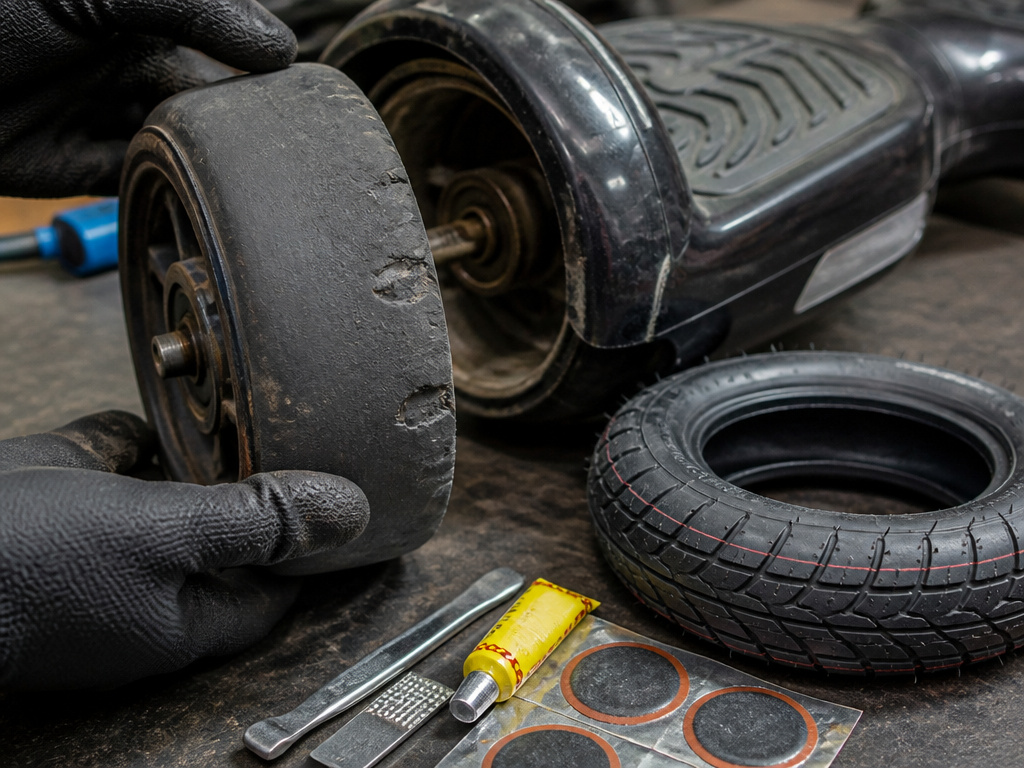
A hoverboard is a light electric vehicle that needs occasional care. The parts that wear out first are almost always the tires and the battery.
Tires: You have two main types.
- Solid Rubber/Honeycomb: Never go flat, require zero maintenance. The trade-off is a much harsher ride and less grip, especially on wet surfaces. They also wear down over time, becoming slick.
- Pneumatic (Air-Filled): Provide a smoother, grippier ride. They are prone to punctures and need periodic pressure checks. A small tire repair kit is a wise investment.
Expect to replace tires every 6-12 months with regular use. The good news is that for most popular models, replacements are readily available online. The bad news is that swapping them requires some mechanical aptitude, usually involving removing the wheel hub motor.
Battery Longevity: To maximize its life:
- Avoid draining it to 0% regularly.
- Don’t leave it plugged in for days on end after it’s fully charged.
- Store it in a cool, dry place if you won’t be using it for a while.
Water Resistance: Very few hoverboards are truly waterproof. You can ride through a puddle, but you cannot ride in the rain or wash it with a hose. Water ingress is a leading cause of electronic failure and is almost never covered under warranty.
Hoverboard vs. Electric Scooter: Which Is Right for You?
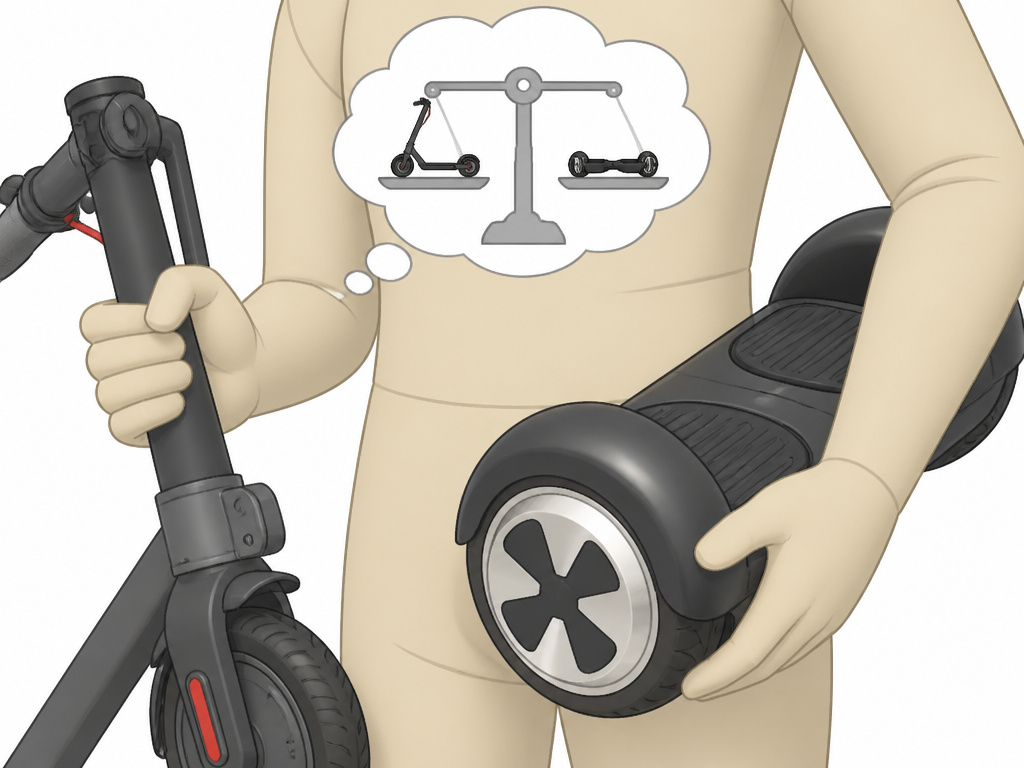
This is the practical question lurking behind every hoverboard review. For the same budget, you could get a capable electric scooter. The choice isn’t about cool factor; it’s about use case.
Here is the comparison. A hoverboard is more fun and maneuverable in tight spaces. It feels like an extension of your body once you master it. But the learning curve is steeper, and carrying it is awkward (no handle).
An electric scooter is immediately intuitive for most adults. It has a handlebar for control, a longer deck for comfort, often a better range, and it’s easier to carry by its stem. It’s also generally easier to find parts and repair.
| Feature | Hoverboard | Electric Scooter | Winner for… |
|---|---|---|---|
| Learning Curve | Steep (days to feel comfortable) | Shallow (minutes to feel comfortable) | Commuters, beginners |
| Portability | Awkward to carry, no handle | Can be folded and carried/rolled | Public transport users |
| Repair/Maintenance | Specialized parts, harder DIY | More standardized, easier DIY | Long-term owners |
| Ride Comfort | Good on smooth surfaces | Better on rough surfaces (larger wheels, suspension) | Longer commutes |
| Fun/Agility Factor | High (once mastered) | Moderate | Recreational riders, tight spaces |
If your primary goal is a reliable, point-A-to-B commuter for trips over a mile, a basic electric scooter is usually the more rational choice. If you want a recreational device for parks, campuses, or short trips where agility and fun are the main goals, a hoverboard shines. For a full exploration of this debate, our comparison guide lays out all the variables.
Which hoverboard brands are safest?
Instead of recommending specific brands, the data points to a clear list of models you must avoid. The CPSC has issued recalls for several hoverboard models due to fire and safety hazards. These include the Powerboard model #PB-001, iLive models GSB56BC, GSB56RC, GSB65BUC, GSB56WC, and GSB56GDC, all Go Wheels models, iRover models 87645 and 87644, and Vecaro’s Glide65, Drift8, and Trek10. The Hover-1 Superfly model H1-SPFY was also recalled for a software fault causing unintended movement. If you own any of these, you should contact the manufacturer for a free repair or a UL 2272-certified replacement. Your primary brand comparison should be whether a model has the UL 2272 certification, as the CPSC considers uncertified boards defective.
Best hoverboards for kids and beginners
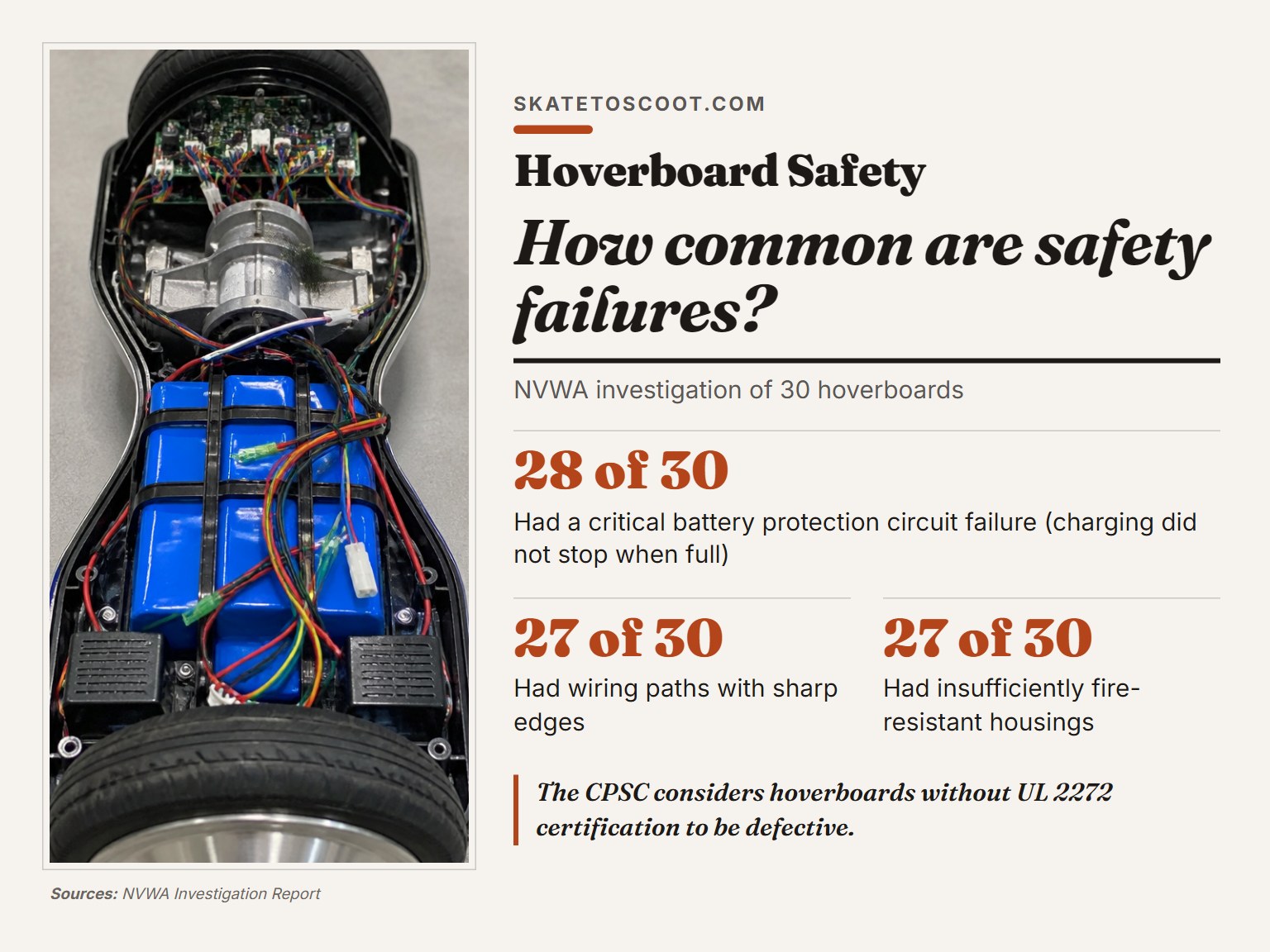
When choosing a hoverboard for a child or a beginner, safety is the primary concern. The single most important feature is the UL 2272 safety certification. Investigations have found widespread issues with uncertified boards, including battery circuits that fail to stop charging when full, wiring paths with sharp edges, and housings that aren’t sufficiently fire-resistant. These flaws pose a real risk. Beyond certification, practical safety guidance is key. The NVWA Investigation Report advises consumers not to charge hoverboards when sleeping or not at home, and to disconnect the hoverboard from the charger once charged. Start beginners in a safe, open area away from traffic and obstacles.
Best hoverboards for adults and heavier riders
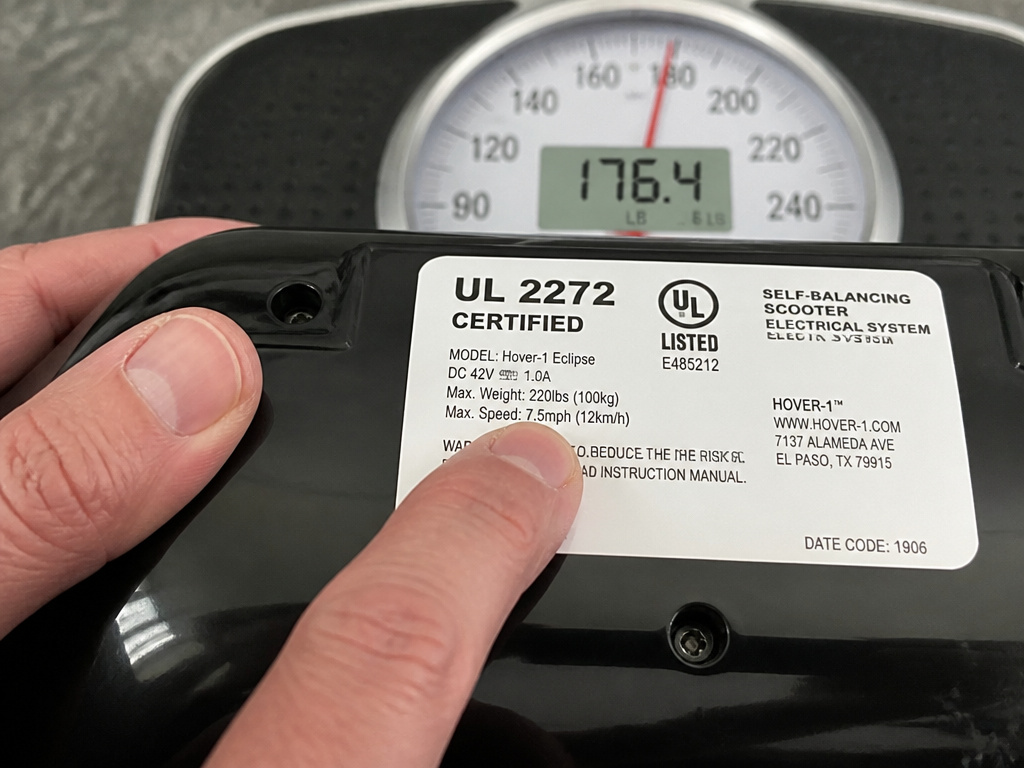
For adult and heavier riders, the core safety requirements are identical to those for any other user: a UL 2272 certified board is essential. Official reports show that common design features, like small air gaps or certain phase-change materials, do not reliably prevent dangerous battery failures involving flames and extreme heat. When evaluating a board’s suitability for a larger rider, look for a model explicitly rated for a higher weight capacity. A board not designed for the rider’s weight will strain its motors and battery, potentially leading to premature failure or safety issues. Always check the manufacturer’s stated maximum weight limit and choose a board that comfortably exceeds your own weight for better performance and durability.
Frequently Asked Questions
Is a hoverboard worth it in 2024?
It depends entirely on your needs. If you want a fun, agile way to cover short distances on smooth surfaces and are willing to spend a week learning, yes. If you need a practical, low-fuss daily commuter for distances over 2 miles, a scooter or e-bike is likely a better investment. The market has matured, and UL 2272-certified models are much safer and more reliable than the early fire-prone generations.
What brand of hoverboard is best?
There is no single “best” brand, as different models excel in different areas. Reputable brands that consistently produce UL 2272-certified models include Swagtron, Hover-1, and Segway (Ninebot). The key is to filter by the UL 2272 certification first, then look for the specific features you need: tire type, range, weight capacity, and app connectivity. Our dedicated guide to the best hoverboards evaluates current top performers across categories.
What age should a kid get a hoverboard?
Most manufacturers recommend ages 8 and up, with close adult supervision. The critical factors are the child’s size/weight (they must be within the board’s minimum and maximum limits), coordination, and maturity to follow safety tips. A responsible child can start younger; a reckless teen can be a danger. Always start with a high-quality, certified board, cheap toys are riskier, and insist on full safety gear (helmet, wrist guards, knee pads).
Which hoverboard is the best value for money?
Value is the best combination of safety (UL 2272), reliable performance, and features you’ll actually use for the money. Often, a mid-range model from a known brand offers better long-term value than a no-name board with inflated specs. Look for a model with good customer reviews that mention durability over 6+ months, not just out-of-the-box performance.
The Bottom Line
Choosing a hoverboard starts with a single filter: UL 2272 certification. Every other consideration, speed, range, tire size, is secondary to that. Once you’ve filtered the dangerous options out, your decision becomes about matching a machine to your real world.
Buy for your actual daily use, not your aspirational off-road fantasy. If you’ll ride mostly on pavement, standard wheels are fine. If you need to cross a field, get the big pneumatic tires. Take the advertised range and cut it by a third to plan your routes. And understand that, like any vehicle, it will need tires and eventually a battery.
For pure, grinning fun in a compact package, a well-made hoverboard is hard to beat. For a utilitarian tool that gets you to work dry and on time, look at the scooter aisle first. Your feet will know the difference.
