Lamar Snowboards Review: How to Choose the Right Model
This post contains affiliate links. As an Amazon Associate, we earn from qualifying purchases.
Lamar snowboards are a budget-focused brand known for offering complete packages at low prices, with models like the Cruiser, Mission, and Trooper featuring beginner-friendly constructions like full wood cores and extruded bases. The brand’s reputation splits sharply: some owners report a board lasting a single season with chipped edges, while others have used a Lamar Cruiser for 8 years with zero maintenance. For a first-time buyer who doesn’t want to invest heavily, a Lamar can be a functional starting point, but you must understand its limitations in speed and durability compared to premium brands.
The split in owner experience isn’t random. It comes down to which model you pick, how you ride it, and, critically, whether you’re buying a new old-stock board from 2006 or a used relic from a garage sale. The specs tell one story, but the timelines from real riders tell the real one, as seen in a typical Lamar snowboards review.
Here’s what we’ll cover: the three main Lamar models and who they’re actually for, the hard data on where these boards wear out first, a direct comparison to other budget brands, and a clear guide on whether a used Lamar is a deal or a danger.
Key Takeaways
- Lamar boards like the Mission and Trooper use extruded 1000 bases and wood cores, making them forgiving for beginners but slower on the mountain compared to sintered-base boards.
- Owner reports on durability are wildly split: one 2007 review claimed a board lasted half a season, while a 2025 user reported an 8-year-old Cruiser was “built like a tank.”
- The brand’s binding compatibility follows the standard 4×4 insert pattern, but a 2009 support note clarifies you must use 4 bolts on the Lamar bindings rather than the 3 you would use with Burton when mounting on a Burton board.
- For a true beginner on a tight budget, a new or gently used Lamar can be a low-risk entry point. For any rider planning frequent park laps, deep powder, or high-speed carving, look elsewhere.
- Always inspect the top sheet and edges on a used Lamar; the ISO 10958-2:2015 standard specifies requirements like maximum countersink depth for snowboard binding inserts, but physical damage from age is the real concern.
What Are Lamar Snowboards?
You won’t find Lamar in a dedicated board shop. For years, they were the staple of sporting goods chains like Big 5, packaged with bindings and boots for a price that undercut a single premium board. The brand positioned itself as the accessible on-ramp. Think of it as the department-store bike of snowboarding, it gets you rolling, but you’ll feel every bump in the pavement.
The technology sheet reads like a checklist of early-2000s, value-oriented features. The 2006 Lamar Cruiser, for example, boasted Edge-Link Sidewall construction, a Versaflex Full Wood Core, and an Extruded 1000 Base. Later models like the Mission kept the Triaxial Fiberglass and wood core, while the Trooper introduced an Anti Cam Camber Profile. These specs are the building blocks of a predictable, softer-flexing board designed to be forgiving, not explosive.
The ISO 10958-2:2015 international standard specifies requirements for snowboard binding inserts, including thread dimensions (M6x1) and minimum screw engagement. This ensures bindings mount securely, a baseline safety requirement all manufactured boards, including Lamar, must meet.
The real story is found in the dated forum posts and a typical Lamar snowboards review where owners logged their experiences. A user in 2007 noted their board showed “little chips and nicks on the top” after about a dozen outings. Another from 2007 was blunter: “Lasted about half a season.” Yet, flipping through the same archive, a 2025 user celebrated a used Lamar Cruiser that lasted 8 years with “zero maintenance.” That’s the Lamar paradox in two sentences.
Lamar Model Breakdown: Cruiser, Mission, and Trooper
Not all Lamar boards are the same. The brand had tiers, and picking the right one for your riding level matters more than the brand name on the top sheet. The three models with the clearest specs are the Cruiser (2006), the Mission, and the Trooper.
Lamar Cruiser (2006)
This was their “bronze series” workhorse. It came in lengths: 144, 149, 154, 157, 159, 163 cm, built with a focus on durability and ease. The Extruded 1000 Base is low-maintenance but slow, and the Triaxial Fiberglass and 4×4 Insert Pattern are standard features. It’s the definition of an all-mountain beginner board, not great at anything, but not terrible either.
Lamar Mission
Market as an all-mountain performer, the Mission features a VersaFlex™ full-wood core and Bullet Cap™ construction. The product description pitches it toward beginners and intermediates “working on linking smooth turns.” The takeaway? It’s a softer, more forgiving version of the Cruiser’s formula, likely aimed at riders who found their first-season legs and want something that feels a bit more responsive.
Lamar Trooper
Here’s where Lamar tried to get a bit more technical. The Trooper (Model LMBD1407.163w) featured an Anti Cam Camber Profile, a early hybrid rocker design meant to reduce catchiness and improve float. It kept the UHMW Extruded Base and used Biaxial Stitched Fiberglass. The Trooper (Model LMBD1407.163w) has an item weight of 6 pounds, and its Anti Cam Camber Profile hints at a design goal: easier turn initiation for riders still battling the dreaded heel-edge catch.
| Model | Best For | Key Tech | Known Compromise |
|---|---|---|---|
| Cruiser (2006) | First-time buyers, casual resort days | Extruded Base, 4×4 Inserts, Full Wood Core | Heavy, slow base, softer topsheet chips easily |
| Mission | Beginner progressing to linked turns | VersaFlex Core, Bullet Cap Construction | Still an extruded base, not for aggressive carving |
| Trooper | Beginner wanting easier turn initiation | Anti Cam Profile, Biaxial Glass | Hybrid profile can feel vague at higher speeds |
If you’re looking at a used package deal, the model name is your first clue. A Cruiser is a beater board that will survive greens and blues. A Trooper with its anti-camber might actually help a nervous novice. But none of these are what you’d grab for a freestyle session or a backcountry powder day.
Are Lamar Snowboards Good for Beginners?
For a true beginner, someone who has never strapped in, who is terrified of catching an edge, and who just wants to see if they even like the sport, the answer can be yes. The low price point is the entire argument. Renting gear for a season often costs more than a Lamar package did new. If the choice is between not riding at all and riding a Lamar, the Lamar wins every time.
The boards are designed to be forgiving. The full wood cores and softer flex patterns are less punishing when you lean too far forward or back. The extruded bases, while slow, are also practically indestructible and require almost no waxing. For someone linking their first turns on groomed green runs, speed isn’t the priority; survivability is.
Common mistake: Buying a Lamar because it’s cheap, then trying to ride it like a premium all-mountain board. The extruded base lacks glide, the edges dull faster, and the board will feel dead and slow as you progress. That’s not a defect, it’s the trade-off you paid for.
But there’s a ceiling, and it’s low. A 2010 review from a rider with 14 years of experience called a Lamar board “SLOW” and “unsuitable for advanced freestyle/backcountry use.” That’s the professional verdict. These boards aren’t built to charge. The triaxial fiberglass dampens vibrations but also kills pop. The sidewalls and top sheets are prone to cosmetic damage, which can be disheartening for a new rider who thinks they’re being too rough.
So, are they good for beginners? They’re functional. They’re a tool that serves a specific, temporary purpose. You wouldn’t use a plastic shovel to dig a foundation, but it’s fine for clearing a sidewalk. Manage your expectations, and a Lamar can get you through that first, awkward season. Then, when you’re hooked, you’ll know exactly why you want to upgrade to one of the best snowboards from brands that specialize in performance.
Durability and Performance: Why Owners Disagree
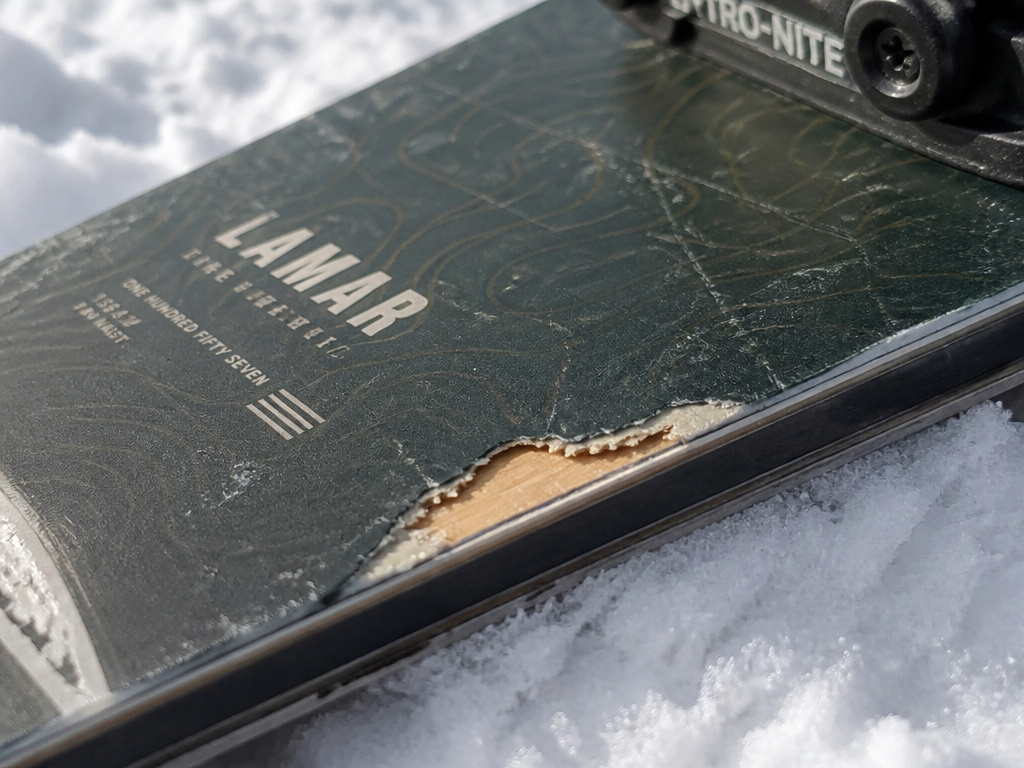
The most confusing part of researching Lamar is the wild swing in durability reports. One owner gets a season out of it, another gets a decade. This is a story of different riders, different models, and different definitions of ‘lasted.’
The short-life reports follow a pattern. A 2007 forum user said their board had “little chips and nicks on the top” after a dozen outings. Another from the same year flatly stated, “Lasted about half a season.” These are likely from riders who were pushing the board beyond its design limits, maybe hitting park features, riding over early-season rocks, or just being a heavier, more aggressive rider. The Extruded 1000 Base can handle a core shot, but the topsheet laminate and edge protection are budget-grade.
The long-life reports are just as specific. A user in 2025 praised an 8-year-old Lamar Cruiser, calling it “built like a tank” and noting “zero maintenance.” This tracks with the experience of a casual rider: maybe 5-10 days a season, mostly on soft groomers, careful storage, and no park abuse. The board wasn’t asked to do much, so it didn’t fail.
| Reported Issue | Typical Timeline | Likely Cause | Is This a Deal-Breaker? |
|---|---|---|---|
| Top sheet chips & nicks | Within first season (10-15 days) | Softer laminate material, contact with ski racks, other boards | Cosmetic only, but frustrating |
| Edge damage / delamination | 1-2 seasons | Impact with rocks, early-season conditions, poor storage | Can affect ride and require repair |
| Binding insert issues (stripping) | Anytime | Over-tightening, corrosion, non-standard screws | Serious safety issue; inspect carefully |
| Slow, dead ride feel | Immediate, worsens with skill | Extruded base, damp flex pattern | Design limitation, not a defect |
Performance reports are split: a 2010 review by an experienced rider stated a Lamar Team board performs with any high-end brand, while another 2010 review by a rider with 14 years of experience found a Lamar board to be SLOW and unsuitable for advanced use. The board is slow, especially on flats and cat tracks. It doesn’t hold an edge on ice like a Burton Custom or a Lib Tech Skate Banana. It lacks the pop for ollies and the stability for high-speed carving. For learning fundamentals, that’s okay. For anything else, it’s a hard limit.
Lamar vs. Other Budget Snowboard Brands
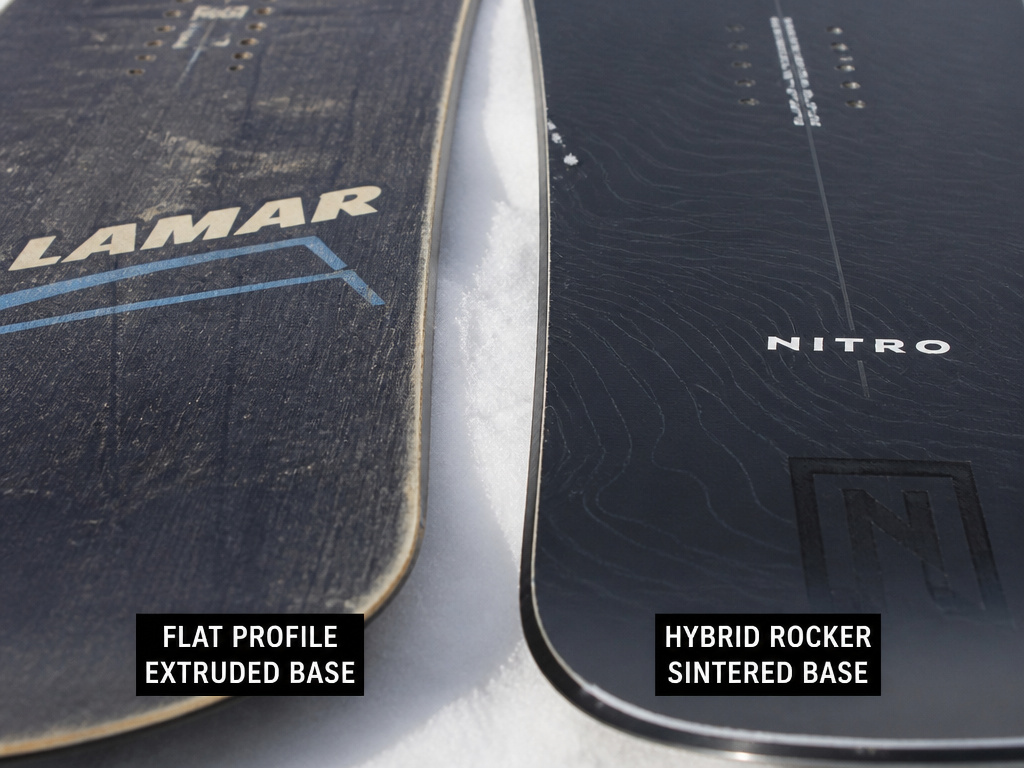
Lamar isn’t the only budget name in the game. Brands like Nitro, Rossignol, and even Ride have entry-level lines. The difference is in where they sit in the market. Lamar was built for the sporting-goods aisle; the others are snowboard companies that also make beginner gear.
Nitro Prime or Rossignol boards at a similar price point will often feature more modern profiles (like hybrid rocker) and better base materials. They’re still beginner-focused, but the design input comes from riders, not just cost accountants. You’re getting a snowboard from a snowboard company, not a conglomerate.
Burton’s entry-level “Process” line is a step up in price, but it’s also a step up in quality and resale value. You’re paying for R&D, better materials, and the assurance that the company is still actively innovating. With Lamar, you’re buying a snapshot of technology from 10-15 years ago.
Where this goes sideways: Assuming all cheap boards are created equal. A used Ride Agenda from 2015 will likely outperform a new-old-stock Lamar from the same year because Ride’s baseline construction and materials were simply better.
The binding and boot packages are another critical point. Lamar packages often included their own bindings and boots, which were frequently the weakest link.
If your goal is the absolute cheapest path to the slopes, Lamar might win on day-one price. If your goal is a board you can grow with for two or three seasons before upgrading, spending a bit more for a Rossignol snowboards entry model or a used board from a performance brand is a smarter long-term investment.
Buying a Used or Vintage Lamar Board: What to Know
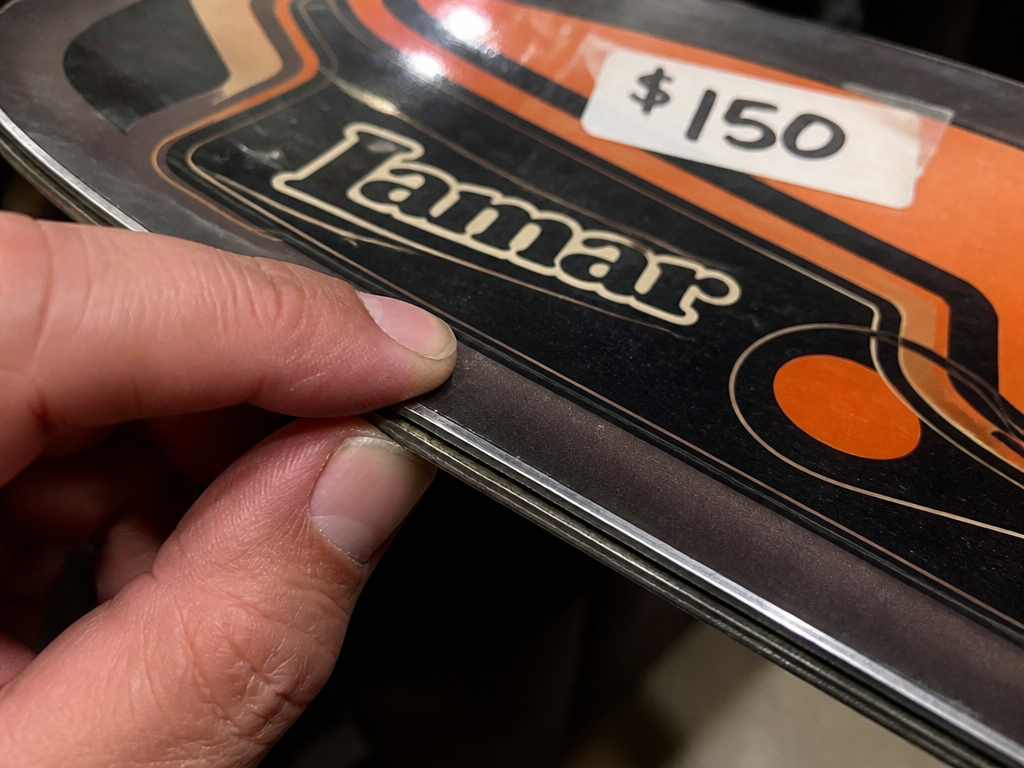
This is where most people encounter Lamar today. You’ll see a “complete package” on Facebook Marketplace or at a garage sale for $60-$150. The board looks clean, the graphics are retro-cool, and the price seems unbeatable. Should you bite?
First, establish the age. Lamar’s heyday was the mid-2000s. If the board has “2006” in the model name or the graphics scream that era, you’re looking at a 15+ year-old piece of gear. Snowboard materials degrade. Plastic becomes brittle. Glue delaminates. The ISO 10958-2:2015 standard ensures the inserts were strong when new, but it doesn’t guard against 15 years of moisture and thermal cycles.
Inspect these three things closely:
- The Top Sheet: Look for deep gashes or large areas where the top laminate has peeled up from the core. Small scratches are normal “rock rash.”
- The Edges: Run your finger along the metal edge. It should be firmly bonded to the board. If you can see a gap or lift it with a fingernail, the board is delaminating. That’s a hard no.
- The Base: Major core shots (deep gouges that expose the wood core) are a serious issue. A professional repair can fix it, but factor that cost in.
The wisdom from a Lamar snowboards review holds: Price should correlate directly with age and condition. A pristine-looking Lamar from 2006 for $50 might be a fun project board. The same board for $200 is a scam.
A 2009 support note offers a critical compatibility tip: “The standard pattern will fit on burton boards. You just need to use 4 bolts on the lamar bindings rather then the 3 you would use with burton.” If you’re mixing brands, this matters.
What about collectibility? A tiny subset of vintage Lamar boards from the early 90s, ridden by pros like Kevin Jones, are sought after. The vast majority of Lamars you’ll find are the mass-produced models. Don’t buy one expecting it to appreciate; buy it only if you need a cheap board to learn on and have inspected it thoroughly.
How to Choose the Right Lamar Snowboard Size
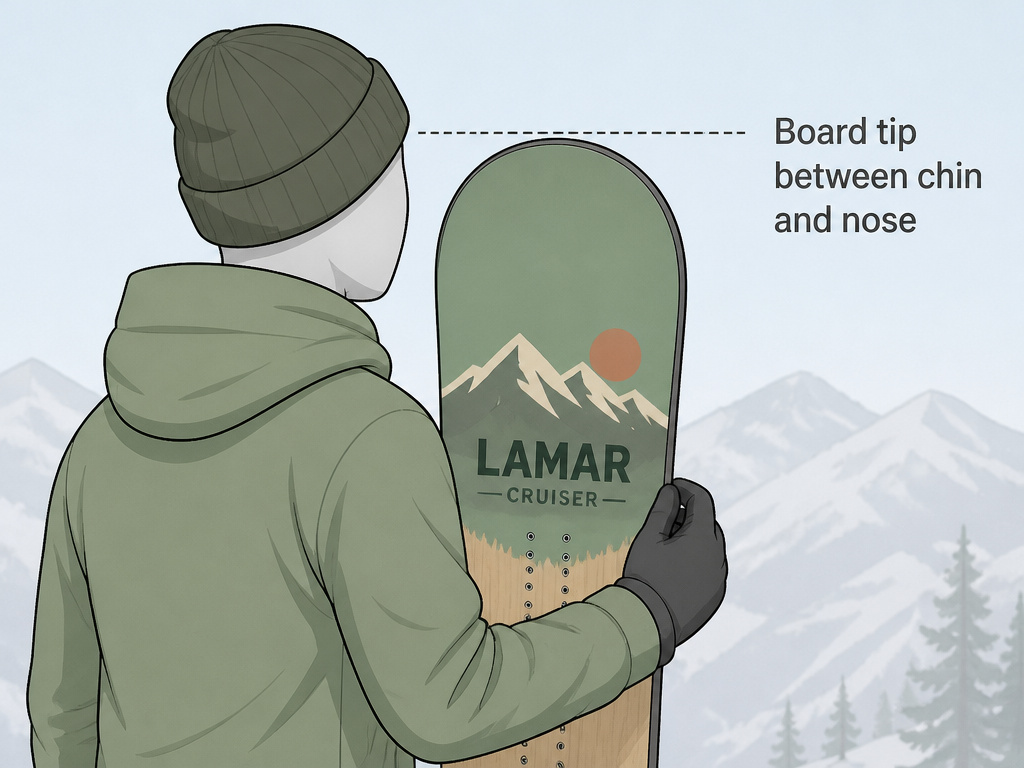
Lamar boards like the Cruiser came in many lengths, but specific size charts are scarce. General sizing rules apply. Your ideal board length relates to your weight and riding style. A board that stands between your chin and nose when upright is a common starting point. Lighter riders or those who prefer park tricks often go shorter for easier spins. Heavier riders or those seeking stability at speed typically need a longer board. Always prioritize your weight over your height. If you find a used Lamar, check for a model name and length printed on the board to research its intended rider profile.
Frequently Asked Questions
Is Lamar snowboards a good brand?
Lamar is a budget brand with a split reputation. For an absolute beginner on a tight budget, their boards offer a functional, low-cost way to start. The technology is dated, and durability is inconsistent, some boards last a season, others last years. They are not considered a performance brand and are unsuitable for advanced riding in parks, powder, or at high speeds.
What are the top 3 best snowboard brands?
The “best” brand depends on riding style. For all-around innovation and quality, Burton and Lib Tech are consistently top-tier. For park and freestyle focus, Capita and Rome are highly regarded. For value-oriented performance across disciplines, Nitro and Ride are excellent choices. Lamar does not rank among these performance leaders.
How much are Lamar snowboards?
Historically, Lamar snowboards were sold as complete packages (board, bindings, boots) often priced between $250 and $400 new. Today, the brand is largely inactive, so you’re most likely to find used boards. Prices for used Lamar setups typically range from $50 to $150, heavily dependent on age, model, and condition.
Is a 20 year old snowboard still good?
It can be, but it’s a gamble. Critical materials like adhesives and plastics degrade over time. A 20-year-old board, regardless of brand, may be prone to delamination and feel dead. For a casual beginner, a well-preserved 20-year-old board might work for a season or two. For any serious riding, modern board technology, lighter cores, more advanced profiles, better edge-hold, makes a new or recent used board a far better and safer choice.
The Bottom Line
Lamar snowboards exist in a specific, narrow niche. They were the answer to the question: “What’s the cheapest way I can get a complete setup and try this sport?” For that, they worked.
If you find a used Lamar in excellent condition for under $100 and you’re literally just starting out, it’s a justifiable purchase. Inspect it for delamination, expect a slow, forgiving ride, and plan on upgrading the moment you want to do more than cruise green circles.
But if you have any confidence on a board, if you dream of park laps or powder days, or if you simply hate the feeling of dragging a dead stick across the flats, skip the Lamar. Your money is better spent on a used board from a real snowboard company, even if it’s a few years old. The difference in how the board responds, holds speed, and makes you feel connected to the mountain is everything.
That’s the real review. Lamar isn’t bad; it’s just a first step. And like any first step, you’re meant to move past it.
