Penny Cruiser Skateboard Review: Who Is It Actually For?
This post contains affiliate links. As an Amazon Associate, we earn from qualifying purchases.
A Penny cruiser skateboard is a small, plastic complete board built for portability and casual cruising, not tricks or speed. The 22-inch model is 22″ long, 6″ wide, and weighs 4.19 lbs, while the 27-inch Nickel is 27″ long, 7.5″ wide, and weighs 5.29 lbs. A review from Concrete Waves suggests the 27″ Nickel board is best for most riders who want the traditional Penny look but want more deck space.
That 5-inch difference in length is the whole game. It’s not just about fitting your foot; it’s about where your weight lands relative to the trucks. The 22-inch board places your heels and toes precariously close to the edges, which demands constant micro-adjustments in your balance. The 27-inch Nickel gives you a real platform. This is a key point in any Penny cruiser skateboard review.
What follows is a breakdown of the specs that matter, the real-world durability data from a board ridden for seven years, and where the common advice you’ll find online gets it wrong. This section explains who each size is for, what the components can and cannot do, and how to spot a fake.
Key Takeaways
- The 22-inch Penny board is best for younger kids or absolute portability; its 6-inch width and short wheelbase make it unstable for most adult beginners.
- The 27-inch Nickel board adds crucial deck space and stability; for riders with larger feet, the 27″ Nickel provides a more stable platform.
- Authentic Penny boards carry a lifetime warranty against defects, a claim backed by a documented 7-year test showing no deck cracks or wheel damage.
- The stock 59mm 83A wheels have a squared-off lip not meant for sliding; they’re designed for low-speed stability on a small, twitchy board.
- While the manufacturer promotes ‘high-speed, ABEC-7 bearings,’ an independent review from Quick Quiver flags them as a weak point worth upgrading if you ride regularly.
The 22″ Penny vs 27″ Nickel: A Side-by-Side Spec Breakdown
Forget generic advice. The choice between a Penny and a Nickel comes down to five numbers you can measure: length, width, wheelbase, truck width, and your shoe size. Here’s what the manufacturer’s own specs say.
| Specification | 22″ Penny Board (Rise 22) | 27″ Nickel Board (Regulas 27) | Why It Matters |
|---|---|---|---|
| Deck Length | 22″ (55.8 cm) | 27″ (68.58 cm) | The Nickel’s extra 5″ provides more foot placement room and a less cramped stance. |
| Deck Width | 6″ (15.2 cm) | 7.5″ (19.05 cm) | Width is stability. The Nickel’s extra 1.5″ makes a dramatic difference in confidence, especially for larger feet. |
| Wheelbase | 11 3/8″ (28.9 cm) | 14 5/8″ (37.1 cm) | A longer wheelbase directly reduces speed wobbles and makes the board feel less “squirrelly.” |
| Truck Width | 3″ A-grade aluminum | 4″ A-grade aluminum | Wider trucks increase stability and provide a more predictable turning arc. |
| Weight | 4.19 lbs (1.9 kg) | 5.29 lbs (2.4 kg) | The Nickel is about a pound heavier, a minor trade-off for the substantial gain in ride quality. |
The deck on a classic Penny board is compact and easy to carry. You have enough room to push comfortably, but just enough platform for a casual cruise along the boardwalk. The short length keeps some flex without feeling unstable.
The wheelbase is the spec most riders don’t check but immediately feel. That 3-inch difference between the models is the main reason a 22-inch board can feel terrifying at anything above a walking pace, while the 27-inch board settles down. For riders with larger feet, the 22-inch board’s narrow width can feel unstable. The 27-inch Nickel becomes the sensible starting point.
Component Deep Dive: Plastic, Wheels, and the Bearing Debate
A Penny board isn’t a traditional wooden skateboard. Its identity and its limitations are baked into its components. The plastic deck, the specific wheel formula, and the contentious bearings define the experience.
The deck is a single mold of plastic with a waffle-pattern grip. This special plastic compound is engineered for flexibility and durability. It has a noticeable flex when you stand on it, which some riders enjoy for a surfy feel but can unsettle beginners expecting a rigid platform. The plastic deck and convex shape have been noted anecdotally to shed water, which can be a plus, but riding in wet conditions poses a risk to the bearings.
The 59mm, 83A polyurethane wheels are a key part of the Penny recipe. A reviewer noted they have a squared bezel that is not conducive to sliding and behave “more like really small, slightly harder downhill wheels” for stability. This is intentional. On a board this short and twitchy, a rounded, slide-happy wheel would make the ride uncontrollable for casual users. The hardness is a compromise between smooth rolling over cracks and maintaining predictability.
Where this goes sideways: Trusting the stock bearings in wet conditions. Despite being stainless steel ABEC-7, water will still kill them if you ride through puddles consistently. A set of sealed bearings is the first upgrade for any commuter.
Now, the bearings. The manufacturer promotes “high-speed, ABEC-7 stainless steel bearings.” An independent Penny cruiser skateboard review states plainly: “The bearings on a Penny board aren’t that good… I almost always recommend replacing included bearings.” This is the clearest disconnect between marketing and experienced-user feedback. For a beginner just puttering around, they’re fine. For anyone who wants a quieter, longer-rolling push, a bearing upgrade is a low-cost, high-impact move. The Wikipedia entry on Penny boards confirms the use of polyurethane wheels with a plastic core and ABEC ratings, providing a neutral, third-party reference for these core components.
The 7-Year Durability Test: What Actually Breaks?
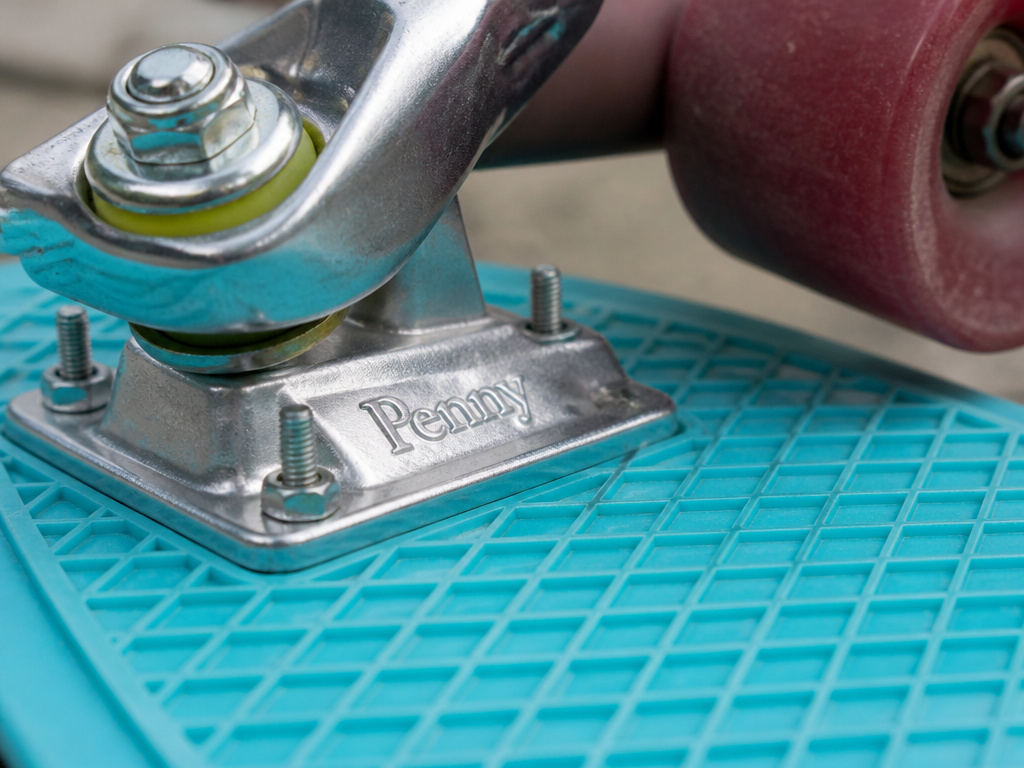
Online forums are full of strong opinions about plastic boards snapping. A long-term test provides something better: evidence. A user who purchased a Penny board in 2013 and rode it for seven years reported back with specific, physical observations.
After years of varied use, the deck showed no cracks or fractures around the truck mounts. The wheels had no chips or nicks. The only noted degradation was a loss of the original grippy texture on the wheels, which is common wear for any urethane wheel. This tracks with the manufacturer’s lifetime warranty against defects. The plastic deck, when used within its intended purpose—cruising, not ollies—proves to be remarkably resilient.
I’ve watched students try to ollie a plastic board on their third day. The deck usually doesn’t snap dramatically; it develops a soft, creaky flex at the stress points first. That’s your warning.
This doesn’t mean they’re indestructible under misuse. Reddit threads tell the other side: “if you try to ollie or ride off of curbs with these boards, they will most likely break,” and “my 27” snapped after a couple of ollies.” The plastic is durable for impact and flex, but not for the concentrated, focused stress of popping the tail against concrete. The board’s 250lbs load capacity is a rating for distributed weight while riding, not for impact force.
Who Is a Penny Board Actually For? (Spoiler: It’s Not Everyone)

The commodity description says “good for beginners and short commutes.” The reality, echoed in forum threads and reviews, is more nuanced. The 22-inch Penny, in particular, has a very specific niche.
The 22-inch board excels in one scenario: ultra-portability. It’s for the last-mile commuter who needs to stash the board under a cafe seat or in a crowded locker. It’s also a legitimately good fit for younger, smaller riders whose feet physically fit on the 6-inch width. As one Penny cruiser skateboard review concluded, the 22″ is “best for younger kids or if portability is important.”
The 27-inch Nickel is the board for “most riders who want the traditional Penny look but want more deck space.” It’s the one you buy if you’re an adult and portability is a factor, not the only factor. It’s still a niche product. As one Reddit user put it, “i would absolutely not recommend having one as your only board.” Its small size and quick steering make it fun and nimble in pedestrian-heavy areas like campuses, but less ideal for longer, faster commutes where a larger cruiser or best cruiser skateboards from brands like Landyachtz would be more stable.
Common mistake: Choosing a board based on color or price before checking the deck width against your shoe size. A size 11 shoe hanging off a 6-inch deck is a recipe for a bad time and a quick resale.
Sources disagree on suitability for beginners: Concrete Waves suggests the Nickel is ‘suited for beginners,’ while anecdotal Reddit threads argue Penny boards are not great for beginners. The small platform forces you to learn balance quickly, which can be a pro or a con. Some argue this fast-tracks fundamental skills; others find it unnecessarily frustrating. If your primary goal is a gentle introduction to skating, a wider, wooden beginner skateboard is often a more forgiving choice.
Maintenance, Upgrades, and Spotting Fakes
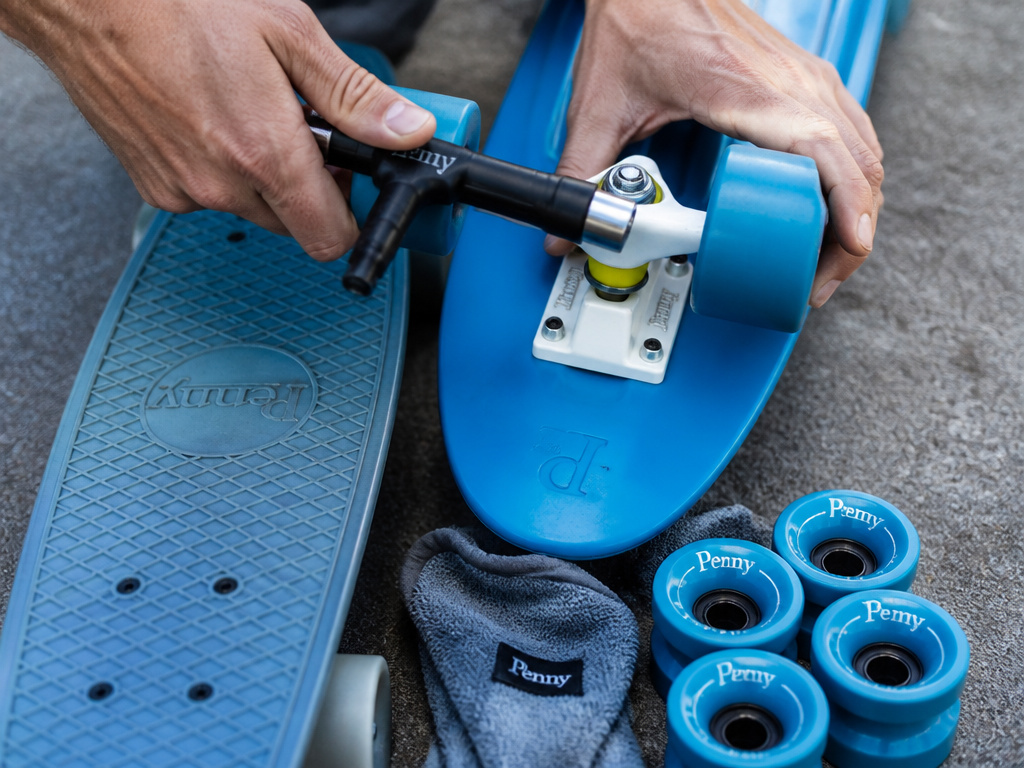
Ownership doesn’t end at the buy button. Knowing how to care for a Penny board and how to spot a counterfeit ensures you get the product you’re paying for.
Maintenance is simple but essential. Check the axle nuts periodically; the vibration from small wheels can loosen them. Keep the bearings clean and dry. The plastic deck can be wiped down with a damp cloth—avoid solvents that can make the plastic brittle. If the wheels become flat-spotted or too hard, they are easy to replace. Penny sells official 59mm replacement wheels and bearing sets.
The upgrade path is clear. Bearings are the first candidate. After that, consider softer bushings if you want even easier, surfier carving. The trucks and deck are proprietary, so major hardware changes aren’t practical. This board is designed as a complete system.
Authentic Pennys always have original Penny brand trucks. These durable metal trucks are designed by Penny, specifically for the board they’re on.
Spotting a fake is about the details. Authentic boards have crisp, molded logos on the deck and trucks. The hardware (nuts and bolts) will be high-tensile steel, not soft metal that strips easily. Fake boards often have poorly molded plastic that feels greasy or brittle, and the wheels will be slow, hard, and loud. Most importantly, only authentic boards come with the lifetime warranty that you can register on the Penny Skateboards website. If the deal seems too good to be true, it probably is. Investing in a real Penny or top cruiser skateboards from reputable brands avoids the headache of a board that fails in weeks.
Penny vs. The Competition: Where It Fits
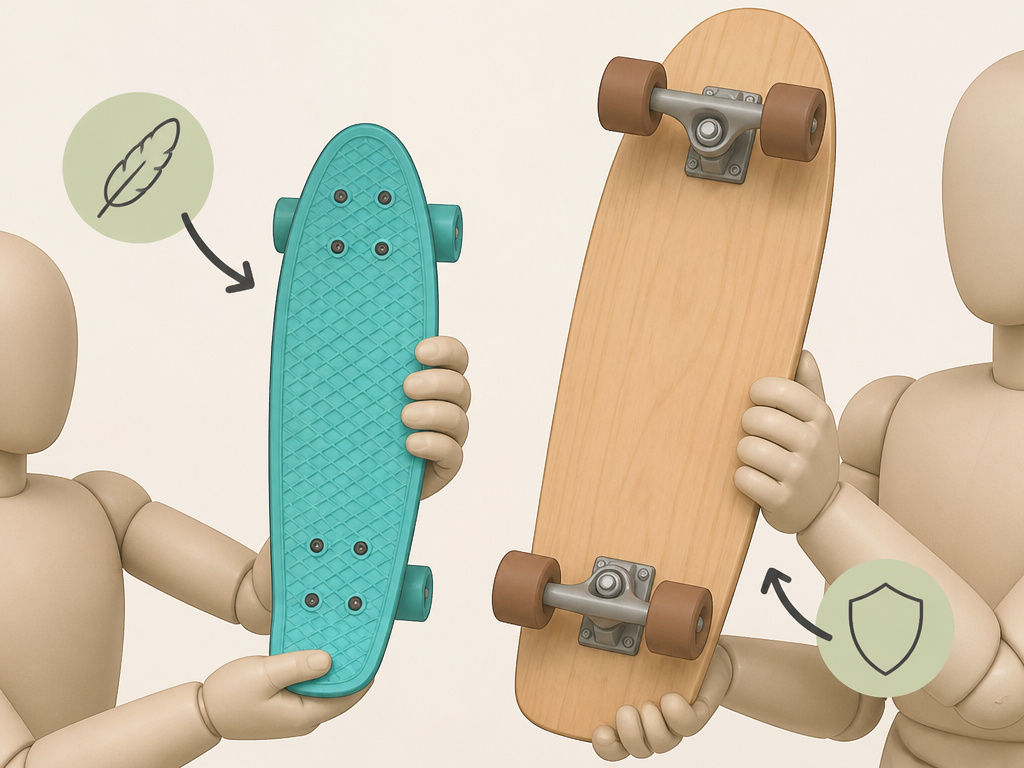
A Penny board doesn’t exist in a vacuum. It’s competing with a universe of wooden cruisers, longboards, and skateboards. Its value is defined by its differences.
Compared to a standard skateboard, a Penny is quieter, softer-rolling, and useless for tricks. Its plastic deck and dedicated cruiser geometry make it a specialized tool. Compared to a longboard, it’s far more portable and nimble in tight spaces, but less stable at speed and less comfortable for distance. This is the classic cruiser vs longboard trade-off.
Its most direct competitors are wooden mini-cruisers like the Landyachtz Dinghy. The Dinghy is slightly longer and significantly wider, with a stiffer wooden deck. It’s generally more stable and versatile, but also heavier and less packable. The Penny wins on pure portability and unique ride feel; the Dinghy wins on all-around ride comfort and stability for most riders. It’s not about one being objectively better, but about which set of compromises matches your need. For pure portability, a Penny or other travel skateboards are the category kings.
Bottom line: The Penny board is a specialist. It solves the “I need a board I can take anywhere” problem brilliantly. It is not a general-purpose beginner board, a trick machine, or a speed demon. Judge it on its own terms.
Penny Board vs. Other Cruiser Brands
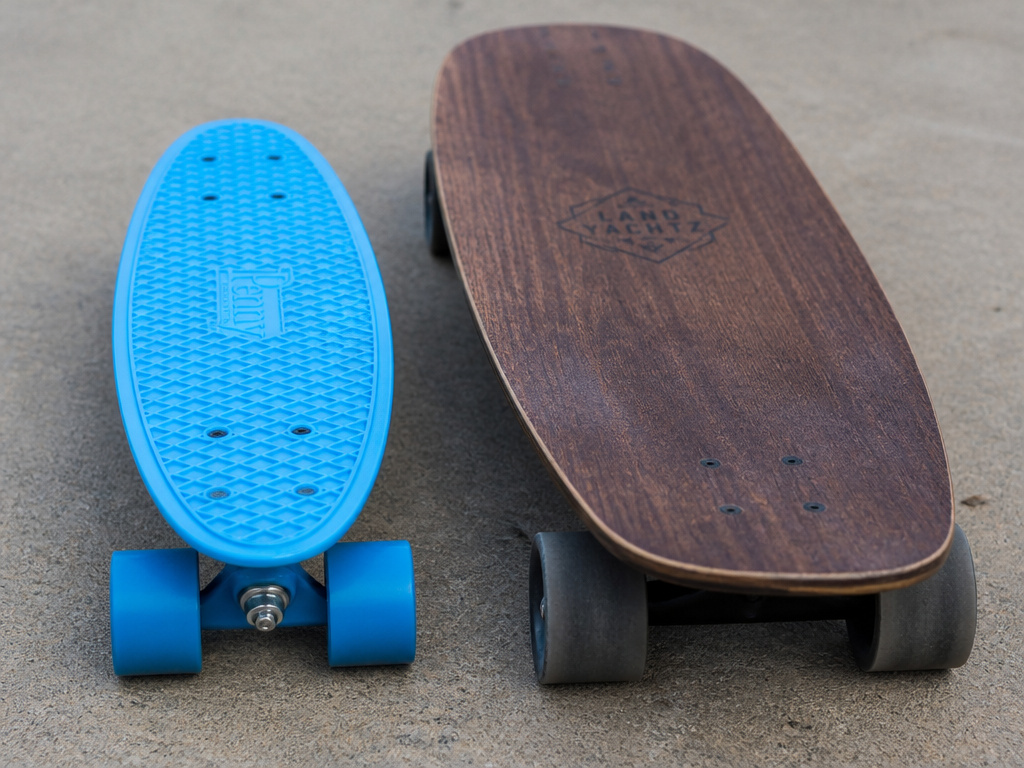
Comparing a Penny to a brand like Landyachtz highlights its specific niche. Penny boards are defined by their lightweight plastic decks and compact dimensions, with the 22″ model being just 6″ wide. This makes them exceptionally portable but less stable for many adults than a typical wooden mini-cruiser. The squared-off wheels prioritize stability over sliding, and the board’s short wheelbase creates a very responsive, twitchy ride. While long-term tests show the plastic deck can be durable for cruising, the design isn’t intended for tricks or high speeds. For a more versatile, carvy cruiser with a wooden deck, other brands offer a different feel entirely.
Frequently Asked Questions
Are Penny Skateboards any good?
Yes, for their specific purpose. Authentic Penny Skateboards are well-made, durable, and excellent for short, casual rides where portability is key. They are not the best choice for learning basic skateboarding, for longer commutes, or for any trick riding.
What’s the difference between a cruiser and a Penny board?
“Penny board” is a specific brand and type of plastic cruiser skateboard. All Penny boards are cruisers, but not all cruisers are Penny boards. Traditional cruisers are usually made of wood, are often wider and longer, and may have different truck setups for a more carvy or stable ride.
Are Penny Boards harder to ride?
The 22-inch Penny board is significantly harder to ride than a standard cruiser due to its very small platform and short wheelbase. The 27-inch Nickel is easier but still has a steeper learning curve than a wider, wooden mini-cruiser. Their small size demands good balance from the start.
Which Penny size should I choose?
If you are an adult or teen with a shoe size above US men’s 8, choose the 27-inch Nickel. Only choose the 22-inch if you are a younger rider, or if the absolute smallest possible size is your top priority, and you accept the compromised stability.
Before You Go
Forget the idea of a do-everything board. If you want a fun, portable runabout for the boardwalk or campus, the 27-inch Nickel is a quality, durable pick. If you want to learn to skate with room for error and progression, start with a proper wooden Penny or longboard comparison. The Penny’s niche is narrow, but within it, the board delivers exactly what it promises.
