Rossignol Snowboards Review: How to Choose
This post contains affiliate links. As an Amazon Associate, we earn from qualifying purchases.
Rossignol snowboards are a full lineup from a historic ski brand, offering models from beginner-friendly all-mountain boards to expert-level freeride machines. The key is matching their specific construction, like AmpTek profiles, RadCut sidecuts, and sintered bases, to your riding style and ability.
That match changes everything. A board that’s perfect for a beginner learning turns will hold back an expert charging variable terrain, and vice-versa. The specs aren’t just marketing; they dictate how the board flexes, initiates turns, and holds an edge, which is why a detailed rossignol snowboards review is essential.
What follows: a breakdown of four core models, the One, Juggernaut, Revenant Wide, and Resurgence Wide, with their exact specs, where they excel, and the common misconceptions about the brand itself. By the end, you’ll know which Rossignol board, if any, fits the snow you actually ride.
Key Takeaways
- The Rossignol One is the brand’s flagship all-mountain board with a 7/10 flex and multi-radius sidecut, built for intermediates ready to explore the whole mountain.
- For expert freeriders, the Rossignol Juggernaut uses a carbon-kevlar reinforced core and a stiff 9/10 flex to handle high speeds and aggressive carving.
- Rossignol’s RadCut sidecut isn’t one technology but a family of profiles, Intermediate, Deep Progressive, and Relaxed, each tuned for different turn initiation and stability.
- Owner reports consistently praise Rossignol’s durability and sintered base speed, but note the brand’s reputation suffers from its association with skiing and rental fleets.
- If you want one answer for a progressing intermediate rider on a budget: the Rossignol One. It’s the balanced, versatile workhorse in their lineup.
Rossignol One Model Review
This isn’t a specialist. It’s the board you grab when you don’t know what the day will throw at you, groomers, a bit of chop, maybe some soft snow off the side of a run.
The Rossignol One 159 uses a Wood CBF1 + Lite frame core and an Amptek All Mountain profile. It has a waist width of 25.4 cm, a 1.3 cm setback, and a flex rating of 7/10. The multi-radius sidecut measures 5.1m at the tip, 7.3m at the waist, and 8.6m at the tail.
That Amptek All Mountain profile is the key. It places camber underfoot for pop and edge hold, with early-rise rocker in the tip and tail to prevent catching in softer snow or variable conditions. The feeling is stable but forgiving. You get the precise, locked-in carve of traditional camber without the harsh penalty for sloppy weight shifts. For a rider moving out of the beginner phase, that forgiveness is a confidence booster, not a crutch.
The board’s sidecut makes it a natural carver. The multi-radius design means the turn tightens up as you lean deeper into it. Start a turn, and the board engages predictably; press into the edge, and it hooks up and drives you across the hill. It’s not the quickest, snappiest turner in the world, that’s not its job. Its job is to feel dependable and fun everywhere.
Where this goes sideways: Choosing the One as a pure park board. With its directional shape (1.3 cm setback) and medium-stiff flex, it’s competent on jumps and can handle rails, but it’s not the playful, soft, symmetrical twin a dedicated park rat wants. You can ride switch, but it won’t feel as natural as a true twin. This is an all-mountain board that can visit the park, not a park board that ventures out.
Rossignol Juggernaut: The Freeride Specialist
If the One is the versatile workhorse, the Rossignol Juggernaut 155 is the precision instrument. Built for riders like team athlete Xavier de la Rue, its specs read like a freeride manifesto: a 9/10 flex, a LIGHTWOOD CK² core (Paulownia, Carbon, Kevlar), and a “Deep Progressive” RadCut sidecut. This board is about one thing: controlled aggression in big terrain.
The core is the story. By laminating carbon and kevlar into a lightweight paulownia wood core, Rossignol creates a board that’s both stiff and surprisingly light, the 155 cm model weighs just 2900 grams. That stiffness translates directly to stability. When you’re pointing it down a chute or carrying speed through choppy snow, the board doesn’t chatter or wobble. It tracks. The lightness means it’s still manageable when you need to throw it around or maneuver in tight spots.
This gives expert riders the force they need to make high-speed, high-angle carves on hardpack. The trade-off is that it’s less forgiving. Initiate a turn lazily, and the board will let you know. It demands attention and proper technique.
Common mistake: Buying a Juggernaut as your first or second board. A 9/10 flex is punishing if you don’t have the leg strength and refined technique to bend it. You’ll tire out quickly, and the board will feel unresponsive, even dead, because you can’t access its performance envelope. This is an expert tool. Intermediate riders will have more fun and progress faster on something like the One.
Rossignol Revenant Wide & Resurgence Wide: The Wide-Body Options
Not everyone rides a standard waist width. For riders with larger boots (typically size 11 US / 44 EU and up), a wide board prevents toe and heel drag. Rossignol offers two distinct wide models: the performance-oriented Revenant Wide and the softer, more forgiving Resurgence Wide. The difference is in the details.
| Specification | Revenant Wide (163W) | Resurgence Wide (163w) |
|---|---|---|
| Flex Rating | 8/10 | 5/10 |
| Core | WOOD 6420 | Wood CBF1 |
| Base | Sintered 7500 | Sintered 4400 |
| Profile | AmpTek Elite (rocker-camber) | Amptek All Mountain |
| Primary Use Case | Aggressive all-mountain/freeride | Beginner/Intermediate all-mountain |
| RadCut Profile | Intermediate | Relaxed |
It’s for the advanced larger rider who charges hard. It’s designed to be easy. The softer flex makes it forgiving and torsionally loose, perfect for a bigger beginner or intermediate still working on fundamental edge control.
The base density is a spec most buyers miss. Rossignol uses different sintered base densities across models (e.g., 7500 vs 4400). The Revenant’s base is built for speed and durability; the Resurgence’s prioritizes cost and ease of repair.
Rossignol’s Brand Reputation: Ski Company or Sleeper Hit?
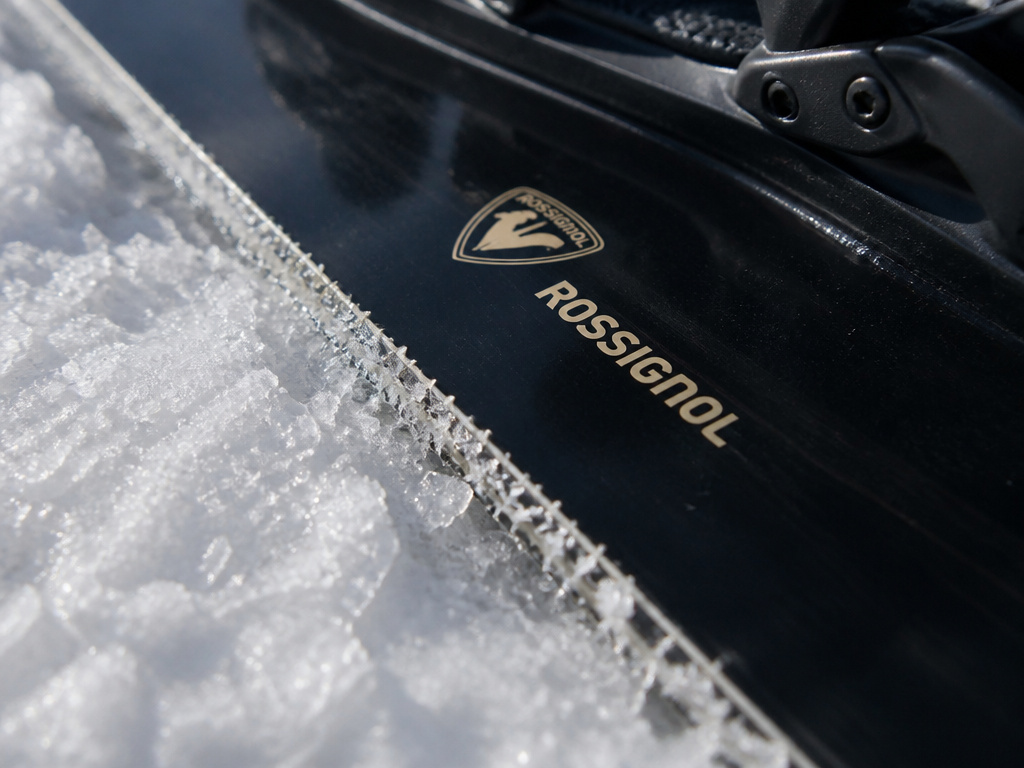
Ask about Rossignol snowboards online, and you’ll get two starkly different answers. One camp dismisses them outright. “Don’t give your snowboard dollars to skiers,” as one Reddit user bluntly put it. This perception stems from Rossignol’s century-long history as a premier ski brand and their massive presence in rental fleets worldwide. To some, that makes their snowboards feel like an afterthought, lacking the core “snowboard culture” credibility of brands like Lib Tech or Capita.
The other camp points to the hardware and the athletes in every rossignol snowboards review. Xavier de la Rue doesn’t trust his life to mediocre gear while descending Himalayan faces. The consistent praise in owner forums is about durability and performance-per-dollar. Riders report boards that last for seasons, hold wax exceptionally well due to their sintered bases, and offer technology like Serrated Edges that genuinely improve edge hold on hard snow. The sentiment here is that you get more board for your money because you’re not paying for hype.
Where this goes sideways: Assuming all Rossignol boards are alike because they share a logo. The difference between models is vast. Regarding the Myth, Rossignol markets it as a board for learning and progressing in freestyle, while some expert reviews suggest it becomes unstable at high speeds and is best as a playful park board. Judging the entire line by one model, especially a rental-fleet beginner board, misses the specialized engineering in their higher-end models.
This isn’t a company resting on rental laurels; it’s one investing in its snowboard line’s future. Whether that changes its image among core riders remains to be seen, but the substance behind the boards is there.
How Rossignol Stacks Up: Rossignol vs. K2
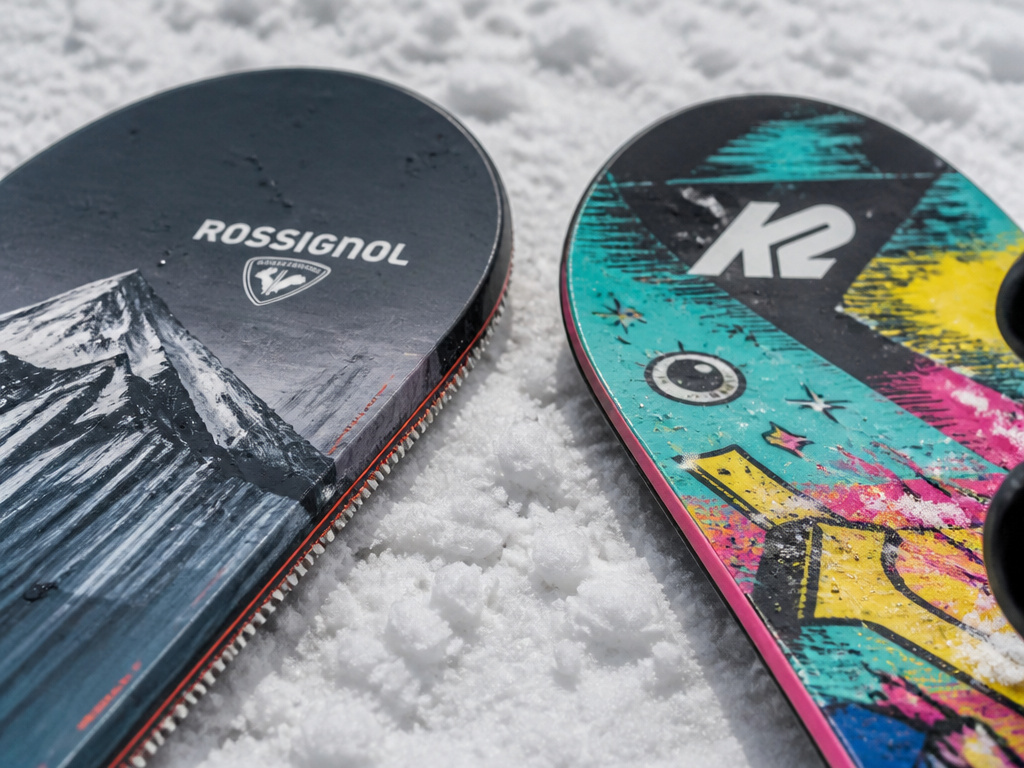
“Is K2 better than Rossignol?” is a common “People also ask” question. The answer isn’t yes or no; it’s “better at what?” Both are large, heritage brands that make everything from beginner to expert boards. The difference is in their design philosophies and brand DNA.
When you compare a rossignol snowboards review, K2 snowboards are known for a different design philosophy. K2’s technologies and model lineup cater to a different riding style. K2’s marketing heavily targets the joy and accessibility of riding.
Rossignol, by contrast, often leans into a more precise, damp, and traditionally “alpine-inspired” feel. Technologies like their serrated edges and finely tuned RadCut sidecuts emphasize carving performance and edge hold. While they have playful boards, their flagship models like the One and Juggernaut are built for all-mountain and freeride power. You’re more likely to see a Rossignol under a big-mountain freerider than a jib-focused park rider, though pairing it with the right snowboard bindings is key for any style.
For the progressing intermediate: A Rossignol One might offer a more stable, carving-focused platform to build confidence on the whole mountain. A comparable K2 might feel easier to maneuver and more forgiving from day one.
For the expert charger: The Rossignol Juggernaut competes directly with other brands’ expert freeride boards. Here, it comes down to the nuanced feel of the core materials and sidecut. Demo both if you can; the right one is the one that matches your personal carving style and feedback preference.
Choosing the Right Rossignol Snowboard for Your Level
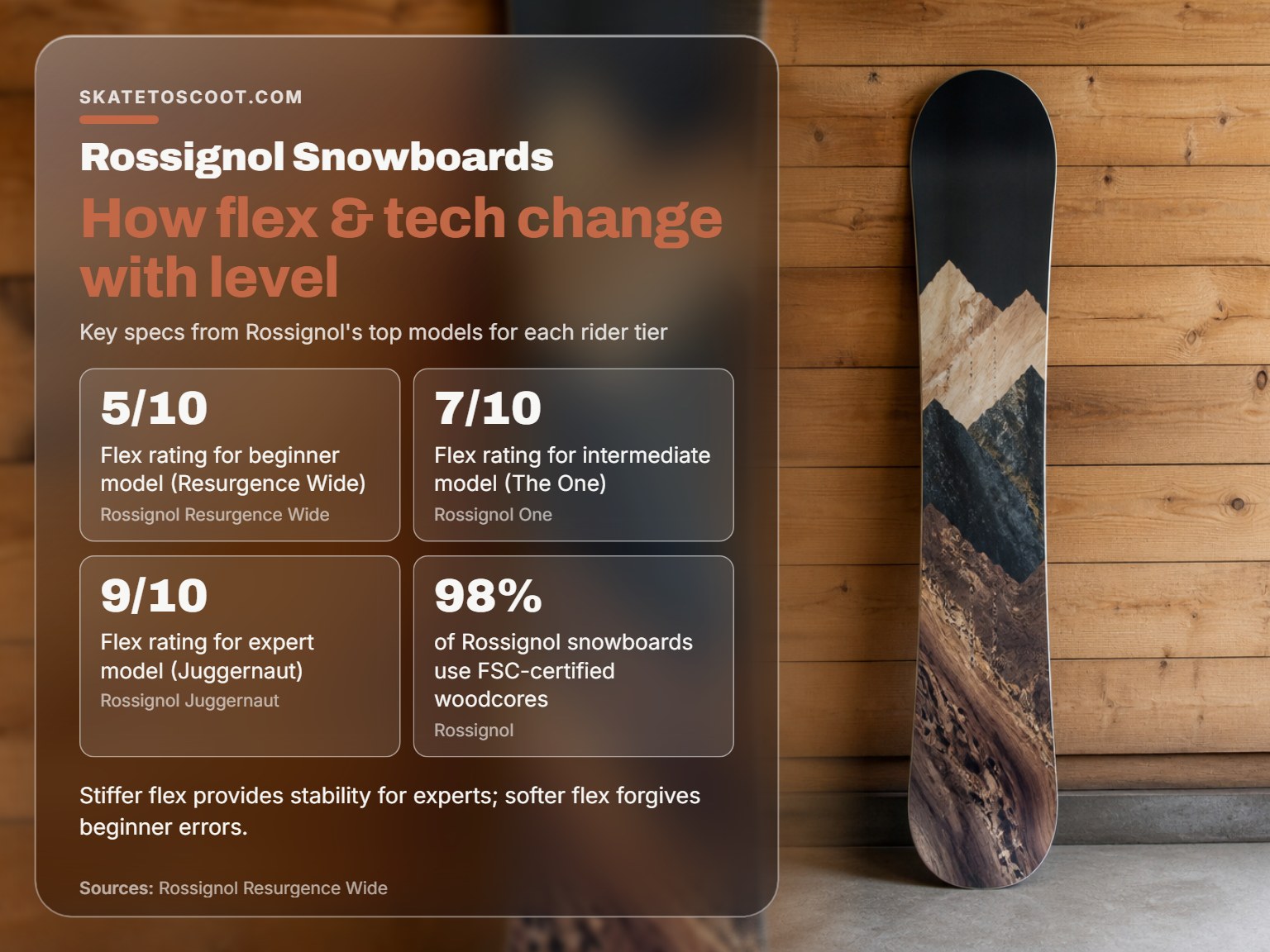
Matching a board to your ability is the single most important purchase decision. Getting it wrong means either holding yourself back or buying a board that punishes you. Here’s how the main models break down by rider level.
Beginners: Your goal is learning to link turns and control speed without fighting the board.
- Best Rossignol Model: Resurgence Wide (for larger feet) or Circuit. The soft 5/10 flex is forgiving, and the Relaxed RadCut sidecut makes turn initiation less demanding.
- Avoid: The Juggernaut or Revenant Wide. The stiffness will feel unresponsive and tire you out.
- One step most people skip: Trying a board with Serrated Edges (5S). This technology adds slight, precise notches along the edge that can improve grip on hardpack, giving a beginner a bit more security as they learn to pressure their edges.
Intermediate to Advanced Intermediates: You’re comfortable on most blue runs, starting to explore blacks, and maybe dabbling in park features. You want a board that helps you progress.
- Best Rossignol Model: The Rossignol One. Its balanced 7/10 flex provides stability for faster speeds and harder carves while remaining forgiving enough for the occasional mistake. It’s the quintessential “next board” after your beginner deck.
- Consider: The Revenant Wide if you have larger boots and want a stiffer, more aggressive feel than the One.
Advanced to Expert Riders: You’re looking for specific performance traits, high-speed stability, powerful edge hold, float in powder, or precise park response.
- For Freeride/Big Mountain: The Rossignol Juggernaut or XV. The stiff flex and reinforced core are built for aggressive riding.
- For All-Mountain Charging: The Revenant Wide offers a stiff, stable platform with a wide waist for float.
- For Park & Freestyle: The flagship One and Juggernaut are not ideal here.
Are Rossignol snowboards good value?
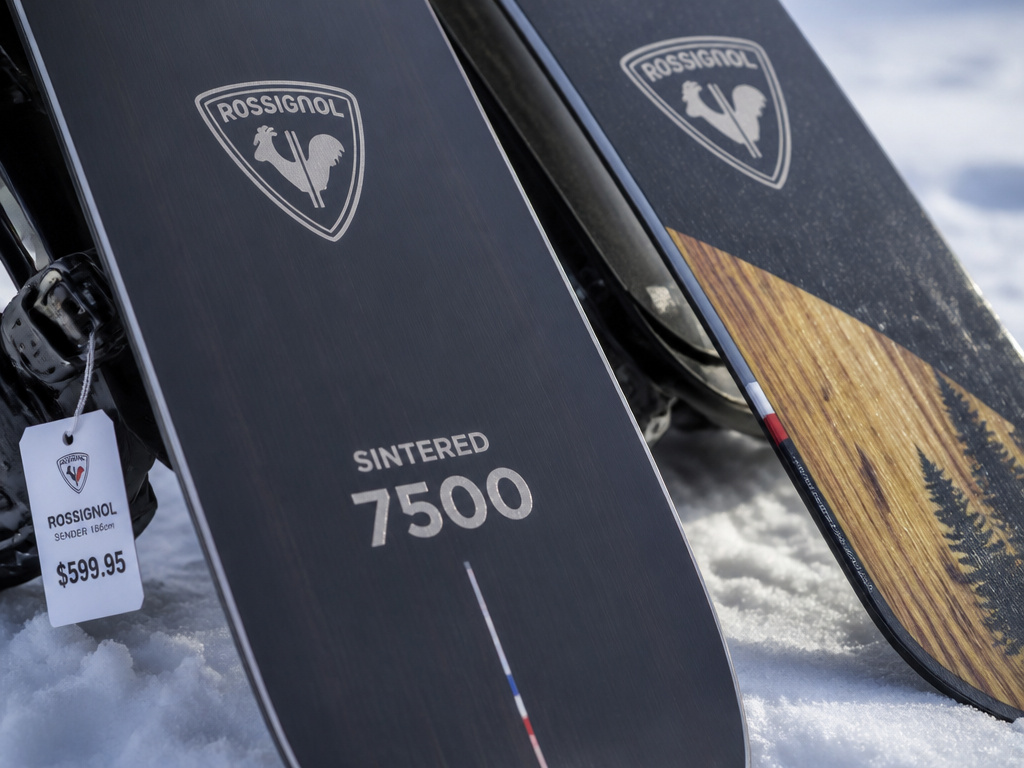
Rossignol positions itself as a value proposition, packing high-end materials into boards that often undercut the price of boutique brands, making them a contender on any list of the best value snowboards. The range shows a clear tiering: the Juggernaut and Revenant Wide use elite constructions like sintered 7500 bases and specialized wood cores, targeting performance riders. The Resurgence Wide steps down to a sintered 4400 base and a more accessible flex rating for all-mountain versatility. This material stratification means you pay for the exact performance level you need. The brand’s commitment to sustainable wood cores and cleaner manufacturing processes adds intrinsic value that isn’t always reflected in the price tag.
Where to buy Rossignol snowboards

Your first stop should be the brand’s official website, which lists full specifications and authorized retailers. Major online snowboard shops and outdoor sporting goods chains typically carry a selection of their current models. For the previous season’s boards, check clearance sections on these sites. Local brick-and-mortar snowboard shops are another excellent resource, especially for finding wide versions like the Revenant Wide or Resurgence Wide, as they can provide a hands-on look and fit advice. Always verify you’re purchasing from an authorized dealer to ensure you receive a genuine product with a valid warranty.
Frequently Asked Questions
Is Rossignol a good brand for snowboards?
Yes, Rossignol makes good snowboards, particularly in the all-mountain and freeride categories. They use high-quality materials like sintered bases and FSC woodcores across their line. Their reputation suffers somewhat because they are primarily known as a ski brand and supply many rental shops, but their top-end boards are serious tools trusted by professional athletes.
What are the top 3 best snowboard brands?
There’s no universal “top 3,” as the best brand depends on your riding style. However, consistently top-rated brands across various categories include Burton (innovation, range, and ecosystem), Jones (freeride and sustainability focus), and Lib Tech (durable construction and unique Magnetraction edges). Rossignol competes strongly in the value and performance all-mountain segments, as noted in our guide to the best snowboards.
Is Rossignol a premium brand?
Rossignol is a premium brand in skiing, and this carries over to the materials and construction of their higher-end snowboards (e.g., Juggernaut, XV, Revenant). However, they also produce many mid-range and entry-level boards, which makes them a full-spectrum brand rather than exclusively premium like, for example, a brand that only makes custom boards.
Is K2 better than Rossignol?
Neither is universally better. K2 often excels in creating accessible, fun, and playful boards suited for freestyle and all-mountain fun. Rossignol tends to shine with precise, damp, and carving-focused boards for all-mountain and freeride performance. The “better” brand is the one whose design philosophy matches your personal riding style and goals.
How do Rossignol snowboards hold up over time?
Owner reports on forums like Reddit consistently praise the long-term durability of Rossignol boards. The sintered bases are noted for holding wax well and resisting abrasion, and the overall construction is considered robust. Many riders report getting multiple seasons of hard use out of models like the One or Templar without issues.
The Bottom Line
Rossignol snowboards are a solid choice if you prioritize on-snow performance over brand cachet. The key is ignoring the blanket “ski brand” stigma and looking at the specific model specs.
For most riders moving beyond the beginner phase, the Rossignol One is the standout pick. It delivers a balanced, capable all-mountain ride that will support your progression for years. If you’re an expert with larger feet charging variable terrain, the Revenant Wide deserves a close look. And if your local hill is more ice than powder, the Serrated Edges (5S) technology on several models provides a tangible grip advantage that’s more than marketing.
Ultimately, the best review is the one you write yourself. If you have the chance to demo a Rossignol, especially a One or Juggernaut, against a comparable board from another brand, take it. You might find that the board from the “ski company” feels more like home on the mountain than you expected.
