Segway Scooter Review: Key Specs and Common Issues
This post contains affiliate links. As an Amazon Associate, we earn from qualifying purchases.
A Segway scooter review must start with three active recalls, because two involve broken front forks and folding stems that have already sent dozens of riders to the hospital. The performance story is about stability and overbuilt frames, not raw power, and advertised range claims can drop significantly when you ride it like a scooter instead of a lab test.
That gap between the marketing sheet and the street is the whole Segway scooter review. The CPSC has logged 31 broken front forks on the P100S and 68 folding mechanism failures on the Max G30P. Consumer Reports won’t recommend any electric scooter right now, citing a jump from 10,500 injuries in 2017 to nearly 80,000 in 2024. So we’re not just talking about specs. We’re talking about a product category where the stakes include broken bones and a federal agency stepping in.
What follows is a breakdown of where Segway scooters actually stand: the three active recalls you must check, the real-world performance that separates them from cheaper clones, and the specific models that make sense if you decide the risk is worth the ride.
Key Takeaways
- Check the CPSC database for two active recalls on the P100S (front fork) and Max G30P/G30LP (folding stem) before riding any used model.
- Expect real-world range to be significantly lower than the “typical” claims, which are tested at low speeds with a light load.
- The UL 2272 certification is your baseline for fire safety—look for it on the spec sheet of any model you consider.
- Segway’s advantage is overbuilt stability, not power or speed; their frames and tuning handle high speeds more securely than many competitors.
- For most commuters, the Ninebot Max G3 represents the current sweet spot between proven reliability and modern features, but know its tires can leak from the factory.
The 3 Active Recalls You Must Check First
Before you look at a single speed or range figure, you need to know if the scooter you’re reviewing has an open recall. As of March 2025, there are two, and they cover some of Segway’s most popular models.
The first involves the Segway P100S. According to the CPSC Segway P100 recall notice, the front fork can break, posing fall and injury hazards. Segway received 31 reports of this happening, including six injuries—one a fracture. The affected units have serial numbers with date codes 2308 (August 2023) or greater. If you’re looking at a used P100S, you need to check that code. The remedy is a free repair, but you must stop riding it immediately.
The second recall covers the Segway Max G30P and G30LP. The official recall for injury hazard states the folding mechanism can fail, posing a fall hazard. Segway has 68 reports here, with 20 injuries including abrasions, bruises, lacerations, and broken bones. This recall was announced in March 2025 and affects units sold from January 2020 through February 2025. The fix is a free maintenance kit and inspection.
Where this goes sideways: Assuming a used scooter is fine because it “rides okay.” A folding mechanism with hairline cracks or a fork under stress won’t announce itself until it fails at 15 mph. The P100S recall resulted from 31 real-world failures—it’s not a theoretical concern.
There’s a third, historical recall worth noting because it shows a pattern. The CPSC 2003 Segway software recall was for the original Segway HT. When batteries were near the end of charge, the software could fail to deliver enough power, allowing the rider to fall. Three reports were filed, including one head injury requiring stitches. The lesson still applies: these are complex, software-dependent machines. A recall isn’t a mark of a bad brand; it’s a reason to verify the specific unit you’re looking at has been cleared.
| Recall | Model | Hazard | Reports/Injuries | Remedy |
|---|---|---|---|---|
| 25-052 | Segway P100S | Front fork breakage | 31 reports, 6 injuries (1 fracture) | Free repair |
| 25-193 | Segway Max G30P/G30LP | Folding mechanism failure | 68 reports, 20 injuries (abrasions, bruises, lacerations, broken bones) | Free maintenance kit & inspection |
| 2003 | Segway HT (i167, e167, p133) | Software power loss at low battery | 3 reports, 1 head injury | Free software upgrade |
Performance Specs vs. Real-World Ride
Every Segway scooter review lists the manufacturer’s specs.
Independent tests tell a different story. A review of the Segway Max G3 Plus recorded a range of only 19 miles in Sport+ mode. The takeaway isn’t that Segway is lying; it’s that their “typical” test is a best-case, gentle cruise. Your real-world range depends entirely on your weight, the terrain, the temperature, and how hard you use the throttle.
Speed tests follow the same pattern. The original Segway HT had a top speed of 12.5 mph, per an FHWA Segway operating characteristics study. Modern performance models like the Segway Max G3 Plus can hit 28 mph. That speed changes the entire risk profile. Consumer Reports notes that e-scooter riders are more likely than motorcycle riders to suffer a traumatic brain injury in an accident, partly due to low helmet use and a standing posture.
The part nobody mentions: The “Higher speed in S mode” on the P100S is software-locked until you ride 3.1 miles (5 km) after activation. It’s a forced break-in period. If you buy one used and the previous owner never unlocked it, you won’t have full power immediately.
The specs that matter more than top speed are braking distance and stability. The Segway Max G3 Plus posted a braking distance from 10-0 mph of just 5 feet in testing. That’s short. It speaks to good brakes, but also to the scooter’s weight (56 lbs) and low center of gravity. Segway’s reputation isn’t built on being the fastest; it’s built on feeling planted and predictable at high speeds, which comes from overbuilt frames and careful tuning.
Where Segway Scooters Actually Excel
If raw power and range-per-dollar were the only metrics, Segway would lose. Brands like Teverun or Dualtron offer more wattage and bigger batteries for less money. What you’re paying for with a Segway is refinement and reliability.
The chassis and components are largely made in-house. On Reddit, owners consistently praise the solid feel. One user reviewing a Ninebot Max G3 noted, “It’s a refined product, not something slapped together with low quality parts to get the biggest number on paper.” That tracks. The welds are clean, the folding mechanisms (recall notwithstanding) are robust, and the wiring is tidy. This matters for long-term ownership. A scooter that shakes itself apart over 500 miles is a false economy.
The IP rating (water resistance) is another strong point. Many Segway models carry an IP54 or IPX5 rating, meaning they can handle rain and puddles. The official service manual for the Segway One S1 explicitly warns against power washers or submersion, but for commuting, that level of protection is a real advantage. Cheaper scooters often have no meaningful water resistance at all.
Stability is the unsung hero. The wheelbase is longer, the deck is wider, and the steering geometry is tuned for predictability, not twitchy agility. This makes Segway scooters, particularly the Max and GT series, feel confident at speed. You’re not fighting a speed wobble at 25 mph. For a commuter or someone using it for last-mile transportation, that confidence is worth more than an extra 5 mph of top speed.
Finally, there’s the certification. Legitimate Segway models are certified to ANSI/CAN/UL-2272. This standard covers the electrical system and battery, reducing fire risk. It’s not a guarantee, but it’s a verified baseline many off-brand scooters skip. When Consumer Reports says to choose a UL 2272-compliant model, this is what they mean.
The Model Lineup, Decoded
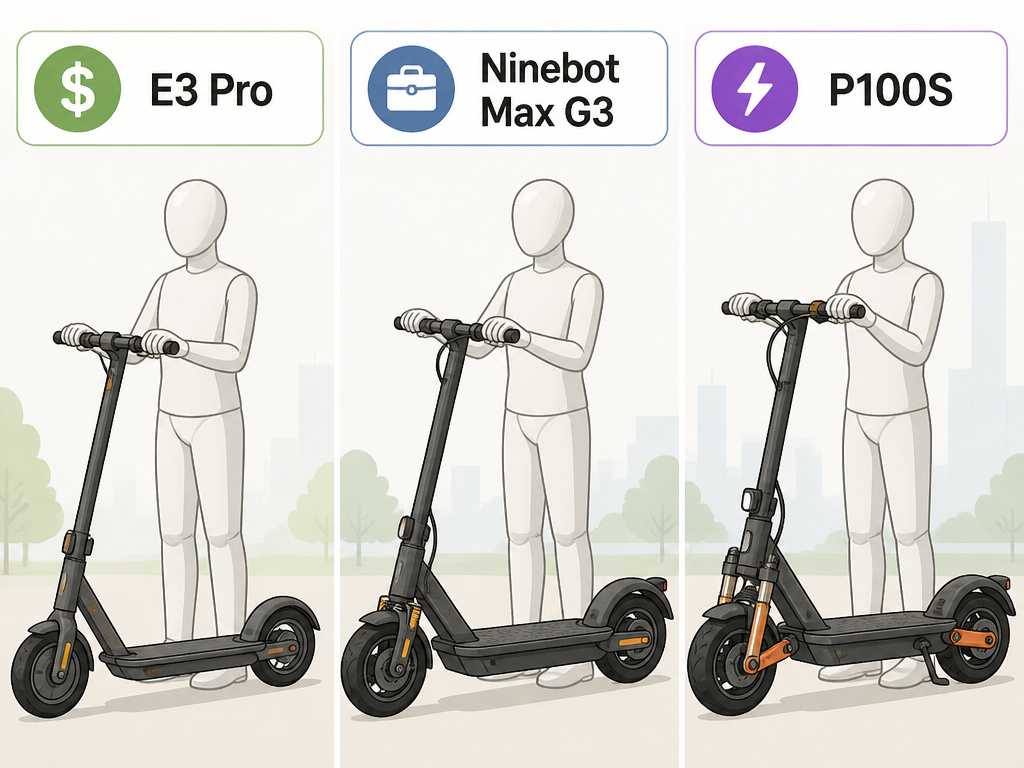
Segway’s naming is a mess. ES, E, F, G, GT, ZT, P—it’s alphabet soup. Here’s the breakdown of the current tiers and which ones are worth your time.
Budget/Entry-Level (ES, E Series): Avoid the older ES series (ES2, ES4). Forum threads and Reddit are filled with warnings. One Reddit post titled “DO NOT BUY A SEGWAY ES SERIES!!!” details loose batteries, terrible suspension, and reliability issues. The newer E3 Pro is a step up, but it’s still a lightweight commuter.
Commuter (F, G Series): This is the sweet spot for most people. The Segway F-SE is a solid, mid-tier option with a good balance of features. The king here is the Ninebot Max G30P (and its smaller sibling, the G30LP). It’s the scooter that built Segway’s reputation for durability, despite the recent folding mechanism recall. The latest is the Ninebot Max G3. It adds suspension, a brighter display, and a more powerful motor. It’s the default pick for a reliable, everyday scooter.
Performance (GT, P Series): The GT3 and P100S live here. They have dual motors, larger batteries, and top speeds of 30+ mph. The trade-off is weight and price. The P100S weighs 72.5 lbs and cost about $2,000 new. These are for riders who have outgrown the commuter segment and want more power and range, accepting the heft and complexity that comes with it.
| Series | Example Model | Best For | Key Trade-Off |
|---|---|---|---|
| Budget | E3 Pro | Light, short commutes (<5 miles), budget buyers | Lower real-world range, simpler construction |
| Commuter | Ninebot Max G3 | Most riders, daily commuting, reliability | Speed limited vs. Performance models, some tire leak issues reported |
| Performance | Segway P100S | Enthusiasts, longer range, higher speed | High cost (~$2000), heavy (72.5 lbs), active front fork recall |
For a deeper look at the commuter options, our Ninebot Max G30P review breaks down its legendary durability. If you’re comparing different types of personal transporters, understanding the difference between a Segway and a hoverboard is crucial—they solve different problems.
Common Owner Issues and Long-Term Costs
A review isn’t complete without the gripes. Segway owners are vocal about two things: customer service and specific, repeating hardware quirks.
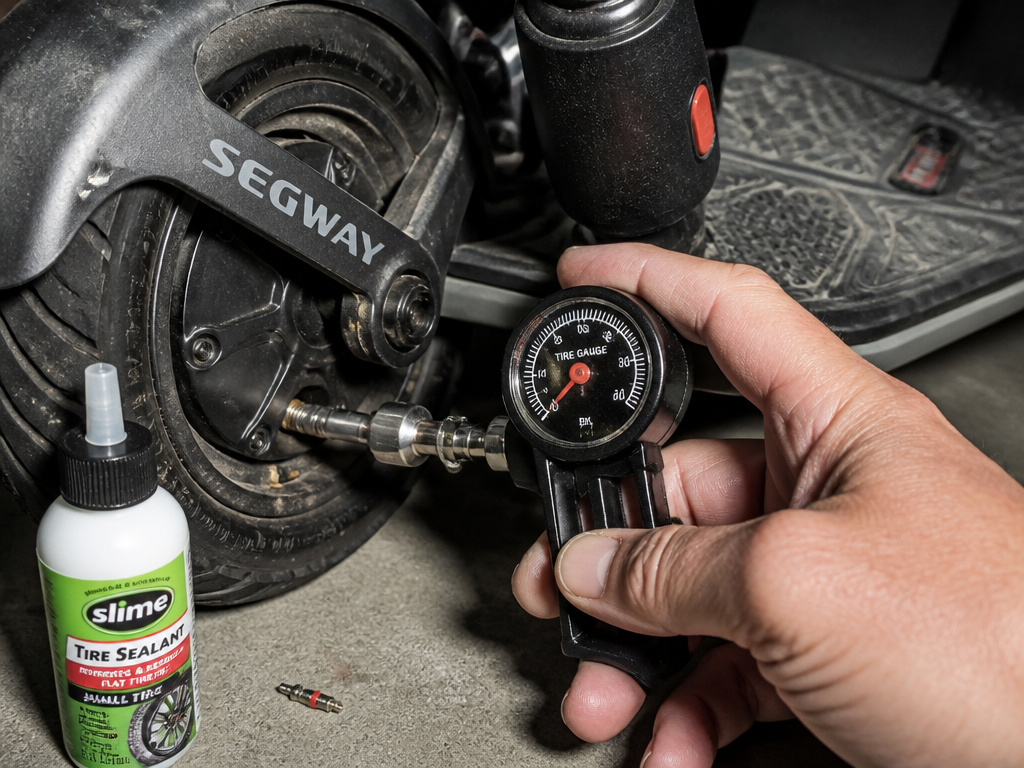
Tire leaks are the number one complaint on newer G2 and G3 models. Multiple Reddit threads describe tires that lose air quickly straight from the box. The fix is often adding sealant or ensuring the valve core is tight, but it’s a frustration point. Segway’s official stance is that it’s a maintenance issue, but the volume of reports suggests a control hiccup.
Battery degradation is the main long-term cost. Unlike a skateboard, you can’t just replace the wheels. A Segway scooter battery is a proprietary, sealed unit. While the advantages of using a Segway include a refined system, the downside is that a battery replacement after 2-3 years can cost several hundred dollars. There’s no standard lifespan, but expect noticeable range drop after 500 full charge cycles.
Customer service experiences are mixed. Some owners report helpful support via phone or email, especially for recall issues. Others, like the Reddit user with leaking G3 tires, feel ignored. The consensus is that service is adequate for warranty-covered issues but can be slow and frustrating for out-of-warranty or “gray area” problems.
Then there’s the software. The Segway/Ninebot app is required for activation, firmware updates, and adjusting settings. It’s generally functional, but it also means your scooter is tied to a company’s servers. If Segway decides to end support for an older model, certain features could become inaccessible.
Easy to miss: The operating temperature range is often narrower than you think. The Ninebot S-Max, for example, has an operating range of 14–104°F (-10–40°C), but its charging range is stricter: 32–104°F (0–40°C). Charging a cold battery in a garage in winter can damage it.
Safety and the Reality of Riding

This isn’t scare talk. The data from the Consumer Product Safety Commission and studies like the Federal Highway Administration research report make the risks clear. E-scooter injuries grew from roughly 10,500 in 2017 to nearly 80,000 in 2024. About 80-90% of those are single-vehicle incidents—hitting a pothole, catching a wheel, losing balance.
Children account for more than 45% of all e-scooter injuries. This is critical if you’re buying for a family. The standing posture and high center of mass make crashes more dangerous than on a bicycle. A helmet is essential. Wrist guards are a very good idea.
The manufacturer’s safety instructions are explicit and worth following verbatim. The Segway One S1 service manual states: Always power off and unplug before maintenance. Do not wash with a power washer. Do not submerge. Use only approved chargers. Do not charge near flammable materials. Ignoring these turns a convenience into a hazard.
Your local laws are the final layer. Many cities limit e-scooters to 15 mph on bike paths and prohibit them on sidewalks. The Segway Max G3’s 28-mph capability is illegal in many jurisdictions unless restricted via its app. You are responsible for knowing and setting the limit.
How does Segway compare to other scooter brands?

When comparing Segway to other brands, a key differentiator is its history of specific, documented recalls. While many manufacturers face safety issues, Segway’s recalls for critical failures like front fork breakage and folding mechanism failure are publicly tracked by safety agencies. This transparency allows for direct comparison. Consumer Reports notes that no electric scooters currently earn their recommendation, placing all brands under scrutiny. A practical step for any comparison is to check if a model is certified to the UL 2272 safety standard, which is a baseline for electrical system safety. Comparing brands requires weighing reported failure rates and recall histories against performance claims.
Is the braking system safe?
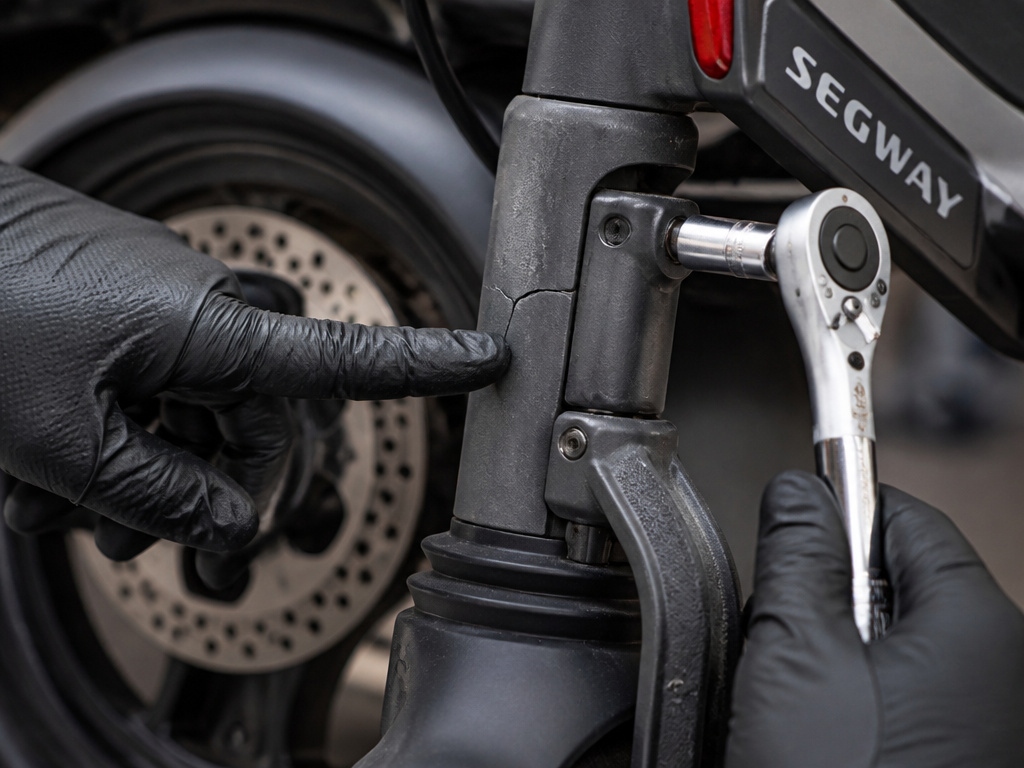
The braking system’s effectiveness is only one part of the safety equation. Independent testing of one model showed a short braking distance from a low speed, but mechanical failures elsewhere on the scooter pose a more significant risk. Segway has issued recalls for models where the front fork can break or the folding mechanism can fail during use, either of which can cause a crash regardless of brake performance. These recalls are linked to multiple reports of injuries, including fractures. Safety also depends heavily on rider behavior; most e-scooter injuries result from single-vehicle incidents. Always ensure a scooter is free of open recalls and is fully functional before relying on its brakes.
Frequently Asked Questions
Are Segway scooters any good?
They are well-built, stable, and water-resistant, with a strong reputation for durability in the commuter segment (Max G series). However, they are not the most powerful or longest-range options for the money, and two high-profile recalls (P100S front fork, G30 folding stem) require careful vetting of any used purchase.
What is the average lifespan of a Segway scooter?
There’s no official average, but with proper care, the mechanical frame can last for years. The battery is the main wear item; expect a noticeable reduction in range after 500 full charge cycles (roughly 2-3 years of daily use). Long-term costs will likely include a battery replacement.
Which Segway scooter is considered the best?
For most adults, the Ninebot Max G3 (or the older, proven G30P) is the best balance of reliability, features, and price. For a broader look at the options, our guide to the best Segway scooters compares models across categories.
Is Segway a reputable brand?
Yes, Segway (and its parent/sub-brand Ninebot) is a major, legitimate manufacturer with UL certifications and generally good build quality. Their reputation is for stability and refinement, not for the highest specs or the lowest price. Their recall response, while not perfect, is more structured than many no-name brands.
Before You Go
Be realistic about this. A Segway scooter is a tool, not a toy. The performance is adequate for commuting, not thrilling. The real-world range will disappoint you if you believe the “typical” test numbers. And you must, must check for recalls on the specific model and serial number you’re looking at.
If you accept those parameters, the value is in the predictable, stable ride and the peace of mind that comes from a UL-certified electrical system. For a first scooter, the used market is full of Max G30Ps that, once checked for the recall, are incredibly durable. For a new purchase, the Max G3 is the logical step forward.
But the final word belongs to the data. With injury numbers soaring and recalls active, the onus is on you to gear up, check the unit’s history, and ride within both the machine’s limits and the law’s. The scooter won’t do that for you.
