Ski Skates Review: Are They Worth It?
This post contains affiliate links. As an Amazon Associate, we earn from qualifying purchases.
Ski skates like Snowfeet Skiskates and ODR Skis are short, 17- to 50-cm snow sliders designed for groomed runs and snow parks. They offer a quick learning curve for skaters, high portability, and a fun, agile experience, but they are not suitable for deep powder, steep terrain, or high-speed stability. Their value lies as a playful alternative or travel-friendly option, not as a replacement for traditional skis.
The catch is in the length. That 17-inch frame changes everything about how you move, stop, and where you can safely go. Most reviews talk about the fun factor, which is real, but skip the mechanical realities that decide whether you’ll be grinning or picking yourself up all day. This ski skates review focuses on those details.
What follows is a breakdown of where ski skates actually work, the safety recalls you need to know about, a direct comparison of the top brands, and the one question you must ask your local resort before you buy.
Key Takeaways
- Ski skates excel on groomed slopes and snow parks but fail in powder deeper than 4 inches or on steep, icy terrain.
- Their 17-inch length and side-to-side skating motion make them intuitive for ice or inline skaters, with basics often learned in 5-10 minutes.
- Check resort lift policies before buying; some mountains do not allow them on chairlifts due to their short length and lack of a safety release binding.
- Safety recalls are a real concern; brands like K2, Marker, and Amer Sports have issued recalls for inline skates and alpine touring bindings due to axle and component failures.
- For most casual skiers, ski skates are a fun, portable secondary option, not a primary ski replacement.
What Are Ski Skates, Really?
Forget the marketing terms like “snowblades” or “skiblades.” At their core, ski skates are ultra-short skis designed for a specific motion. Brands like Snowfeet and ODR build them around a wood core and cap construction, just like full-sized skis, and they include metal edges for carving and stopping.
The standard Snowfeet Skiskates model is 17 inches (44 cm) long. They also offer a 50 cm model with a raised platform for smoother carving. You don’t need specialized ski boots; they typically bind to your existing ski boots, snowboard boots, or even sturdy winter hiking boots. This is their main draw: a compact, all-in-one system that fits in a backpack.
A 2021 study in Frontiers in Mechanical Engineering used a custom “skitester” to measure ski glide with a precision of 0.6–1.1% variation. This level of detail is what’s missing from most ski skate reviews, we talk about “feel,” but engineers measure the interaction between base, edge, and snow.
The feel is fundamentally different from traditional skiing. Instead of the forward-and-back weight shift of a parallel turn, you drive them with a side-to-side push motion, like ice skating or rollerblading. If you’ve ever done a hockey stop, you already know the basic mechanic. This is why they click instantly for anyone with a skating background.
The 17-Inch Advantage: Where Ski Skates Shine
Their compact size is their greatest strength and their most glaring limitation. On the right terrain, it provides a kind of freedom that long skis can’t match.
First, the portability is unbeatable. You can literally sling a pair over your shoulder or stash them in a backpack. This makes them perfect for the skier who hates lugging gear from the parking lot or wants a toy for a quick lap on a lunch break. I’ve used them for exactly that, a few fast, fun runs when I didn’t want the hassle of my full setup.
On groomed snow, that short length translates to incredible agility. You can pivot on a dime, carve tight turns, and pop little spins with minimal effort. They feel playful and responsive in a way that long skis don’t. For groomed slopes, snow parks, and packed hiking trails, they deliver exactly what they promise: a fast, light, and intuitive ride.
The learning curve is where they really stand out. Someone with ice skating or inline skating experience can get the hang of the basics in 5 to 10 minutes. The motion is already in your muscle memory. For a complete beginner, most new users feel comfortable after a couple of trips to the slopes. The key is mastering the front-to-back balance; keep your weight centered or slightly back to prevent the tips from diving.
| Terrain Type | Ski Skate Performance | Why It Works (or Doesn’t) |
|---|---|---|
| Groomed Greens/Blues | Excellent. Agile, fun, easy to control. | Short length allows quick turns; metal edges grip packed snow. |
| Snow Parks | Great for small features, spins. | Lightweight and easy to maneuver in the air and on landings. |
| Packed Hiking Trails | Good for flat or gentle rolling terrain. | Efficient side-to-side push mimics skate skiing. |
| Bumps/Moguls | Poor. Unstable and hard to control. | Short length provides no suspension; tips catch in troughs. |
| Deep Powder (>4″) | Very Poor. You will sink and struggle. | Lack of surface area prevents flotation; becomes a swim. |
| Steep/Icy Terrain | Dangerous. High risk of losing edge control. | Minimal edge contact and no safety release binding. |
Where They Hit a Wall: Limitations You Can’t Ignore
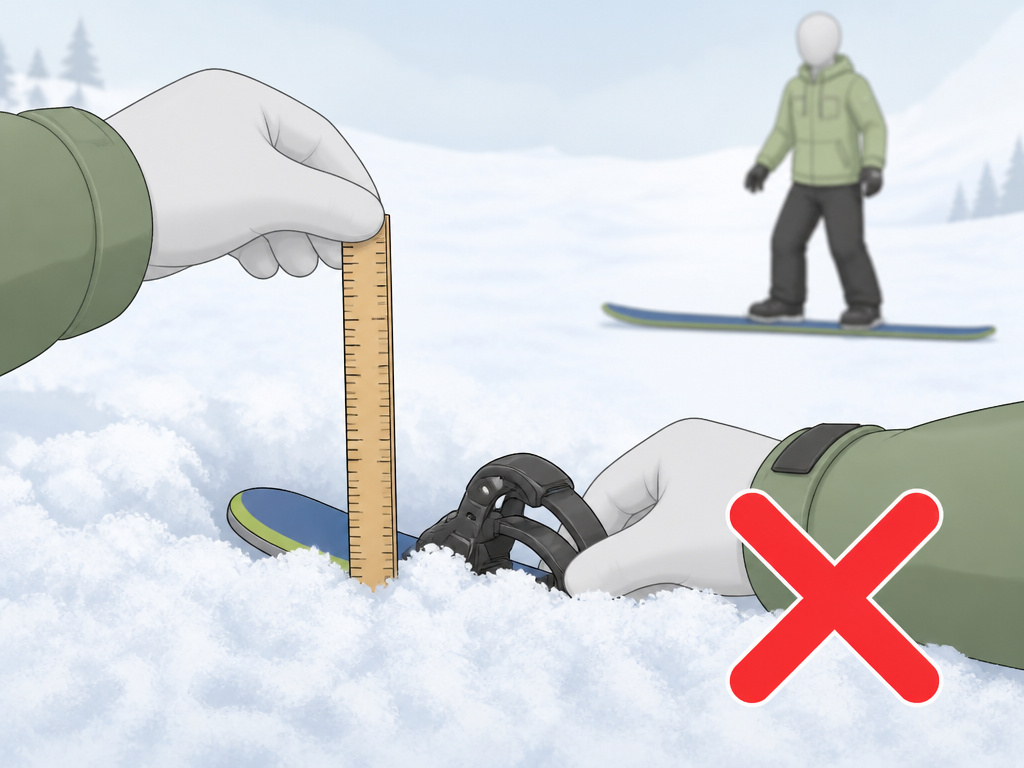
This is the part most glowing ski skates review articles downplay. Ski skates are a specialized tool, and using them outside their narrow design window is frustrating at best, dangerous at worst.
The biggest limit is snow depth. The manufacturer states they are not ideal for snow deeper than 4 inches. In practice, even a few inches of fresh snow can be a problem. The short tips plow through the snow instead of floating on top, which kills your speed and sends you over the handlebars. For deep powder, longer skiboards in the 99–120 cm range are a better fit.
Stability at speed is another issue. On a smooth, wide-open groomer, you can pick up pace. But as speed increases, that minimal length becomes a liability. They get twitchy and unstable, with far less damping than a traditional ski. This isn’t just a comfort thing, it’s a safety thing. A small patch of ice or an unexpected rut that a long ski would smear over can send a ski skate into a violent, uncontrolled slide.
Then there’s the resort policy question. Many ski areas do not allow them on chairlifts. The official reason is that their short length and lack of a standardized safety release binding (like an alpine DIN setting) pose a risk. If they come off on the lift line or during loading, they become a falling hazard. Always call ahead or check the mountain’s website. Buying a pair only to find out you have to hike up every run defeats the entire purpose.
Common mistake: Assuming ski skates are just “short skis” for all conditions. Treating them that way on steep or deep days is how you get hurt. They are a distinct tool with a strict operating manual.
Safety and Build Quality: The Recall Reality
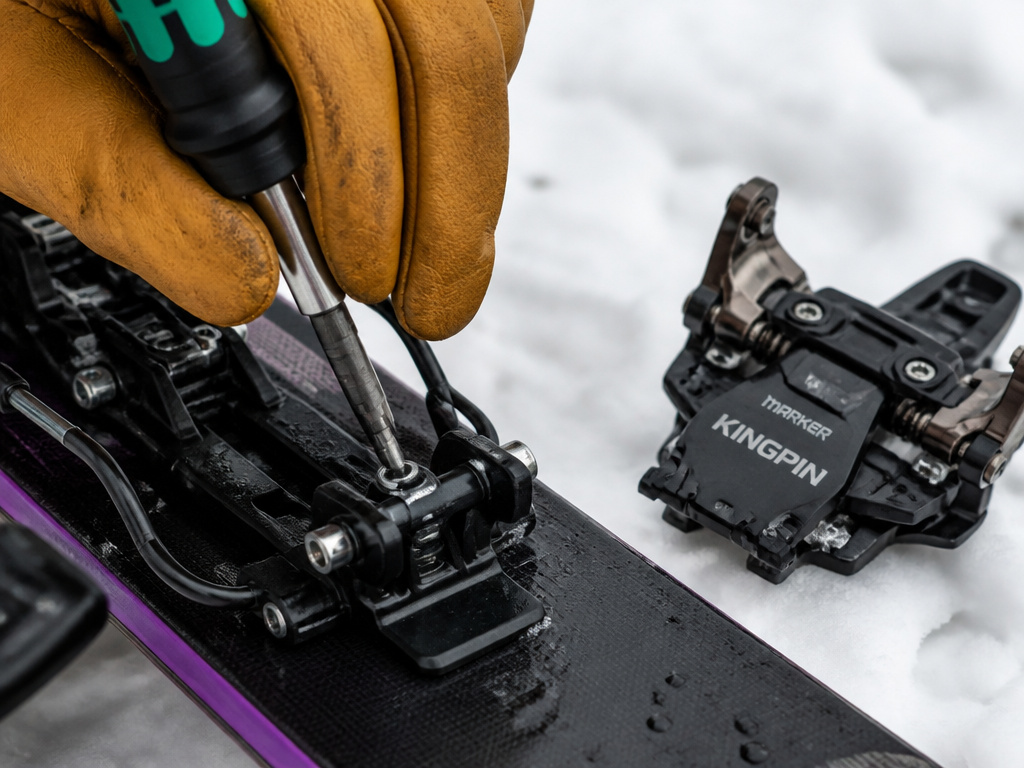
When you strap your feet to anything that moves downhill, build quality isn’t an abstract concern. It’s the difference between a fun day and a trip to the clinic. The winter sports industry has a history of recalls that directly inform what to look for in a product.
Bindings are the first topic. The ISO 11088:2023 standard governs the assembly, adjustment, and inspection of alpine ski/binding/boot systems. Ski skates, by their nature, often bypass this rigorous system, using simpler strap or pin bindings. This isn’t inherently bad, but it shifts the safety onus onto the manufacturer’s quality control.
That control has failed, even for established brands in traditional skiing:
- Marker Kingpin ski bindings were recalled in October 2018 after 14 reports of broken steel pins and one knee injury. The flaw reduced the binding’s release force, a critical failure for a safety device.
- Amer Sports (Armada, Atomic, Salomon) ski touring bindings were recalled in November 2023 due to toe component failure. The inspection process itself was an edge case: the serial number was only visible upon disassembly, and only bindings with gray springs in the toe component were affected, even within the recalled serial number range.
For a closer analog, consider inline skates. K2 VO2 S inline skates were recalled in July 2019 due to a loose axle or axle shear-off hazard. As of the recall notice, there was 1 report of axle failure in Canada, 4 in the U.S., and at least 30 reports of axle failure in the EU with one injury.
What does this mean for you? It means you should inspect any ski skate’s critical connection points, axles, bindings, structural screws, for play or wear before every use. A loose part that might just be annoying on a sidewalk can become a catastrophic failure on a slope.
Snowfeet Skiskates vs. ODR Skis: A User’s Comparison
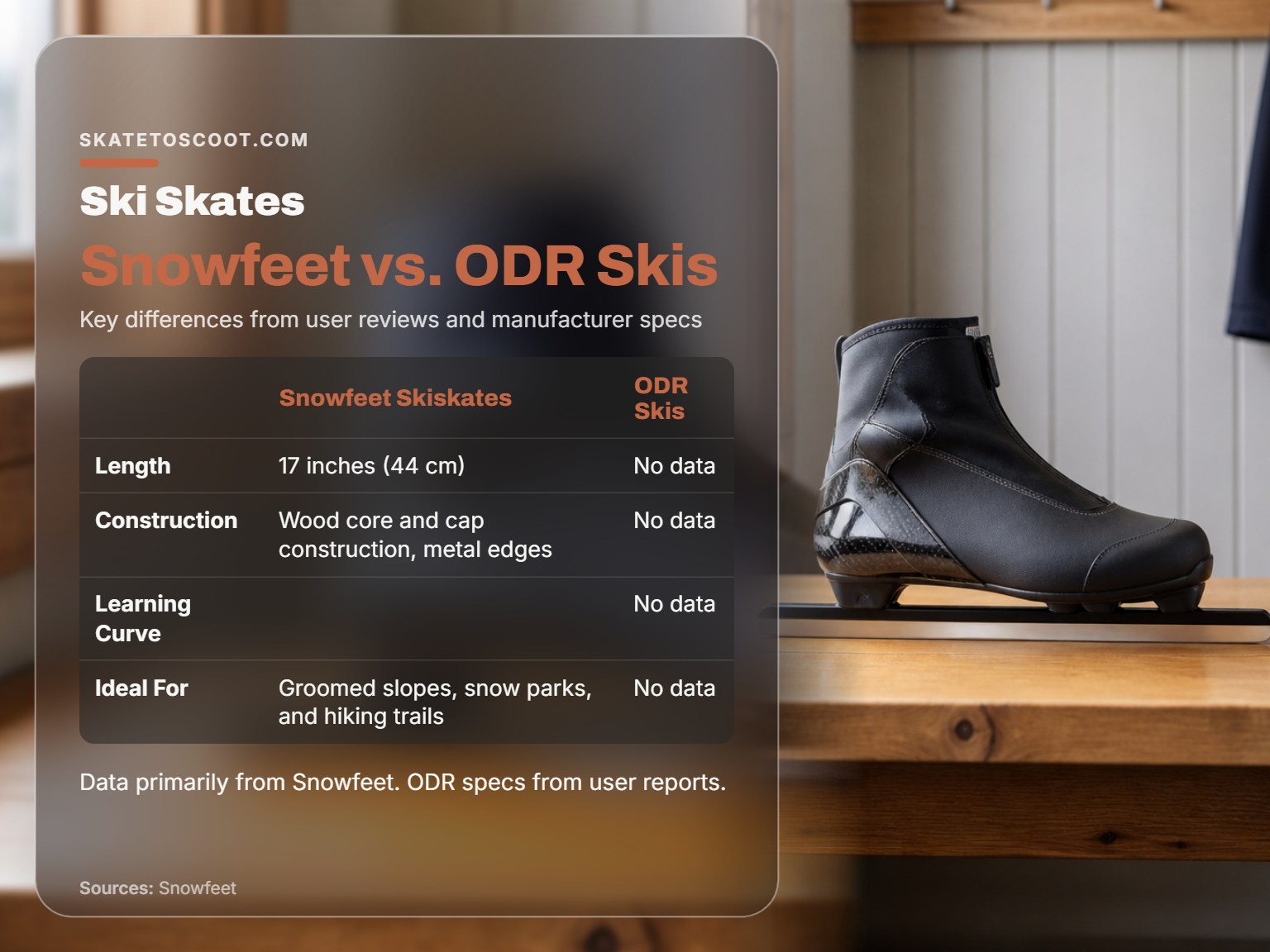
You’ll see two main brands dominate the conversation: Snowfeet and ODR (originally Sleddogs). Having tried both and scoured every forum thread, here’s where they differ.
Snowfeet Skiskates are the mass-market option. They’re widely available, and the company produces a huge amount of tutorial content. Their 44 cm model is the default most people buy. The construction is solid, wood core, metal edges, a ski-style base. The learning resources are their biggest advantage. They openly state the 5-10 minute learning curve for skaters and emphasize the side-to-side push motion.
ODR Skis (and their predecessor, Sleddogs) have a cult following among enthusiasts. The anecdotal consensus from user communities is that ODR bases are often described as faster than Snowfeet’s on snow. Owners report that the design, particularly of models like the Tomsen Sports Nova (where the original ODR designer now works), offers a more raised tail platform. This makes riding switch and doing spins easier. The feel is often described as more performance-oriented.
| Aspect | Snowfeet Skiskates | ODR Skis / Sleddogs |
|---|---|---|
| Availability | Widely available online, direct from Snowfeet store. | Often sold via smaller online retailers or direct; can involve more hunting. |
| Learning Resources | Extensive: official videos, blogs, guides. | More reliant on user communities and forum posts. |
| User Reported Speed | Standard glide. | Often described as faster (“smoke me speed-wise”). |
| Design for Tricks | Good all-around design. | Some models (e.g., Nova) have raised tail for better switch and spin balance. |
| Community Vibe | Broad, beginner-friendly. | Enthusiast-driven, with stronger “converter” culture. |
Where this goes sideways: Choosing based solely on price or looks without considering your background. An inline skater might prefer the ODR feel, while a complete novice might benefit more from Snowfeet’s structured learning path.
My take? If you’re deep into skating culture and want the performance edge, the chatter points to ODR. For 90% of people looking for a fun, accessible, and well-supported product, Snowfeet is the simpler choice. Both will do the job on a groomed run.
Who Should Actually Buy Ski Skates?
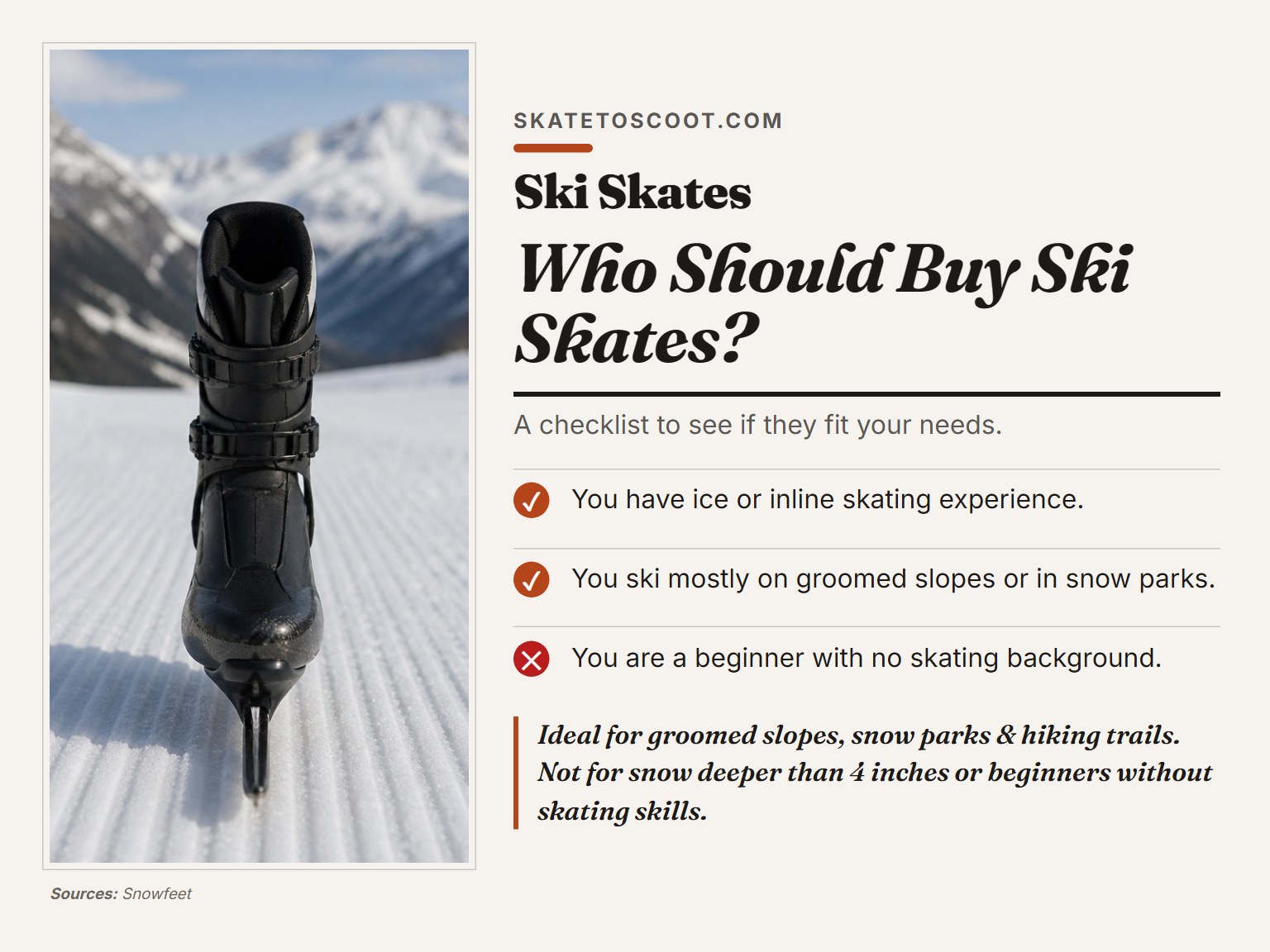
Ski skates aren’t for everyone. They fill specific niches perfectly and are a waste of money outside of them.
Buy them if:
- You are an ice skater, hockey player, or inline skater and want to transfer those skills to the snow with minimal fuss.
- You ski at small, local hills with mostly groomed terrain and want a more playful experience.
- Portability and convenience are your top priorities, you travel to ski or hate carrying gear.
- You want a fun tool for snow parks and gentle slopes to mess around on with friends.
- You’re looking for a low-cost, low-commitment way to see if you enjoy snow sliding before investing in a full ski setup.
Avoid them if:
- Your local mountain has deep powder, steep runs, or variable conditions as the norm.
- You prize high-speed stability and long, carving turns.
- You are a beginner skier with no skating background; the balance challenge might be frustrating, and you’d learn safer fundamentals on traditional skis.
- You expect them to be a full replacement for a ski vacation. They’re a side dish, not the main course.
For the casual skier who hits the slopes a few times a year on groomed trails, a positive ski skates review points to a fantastic purchase. They turn a boring green run into a playful playground. But they are a complement to a quiver, not the centerpiece of one.
Are ski skates worth buying over renting?
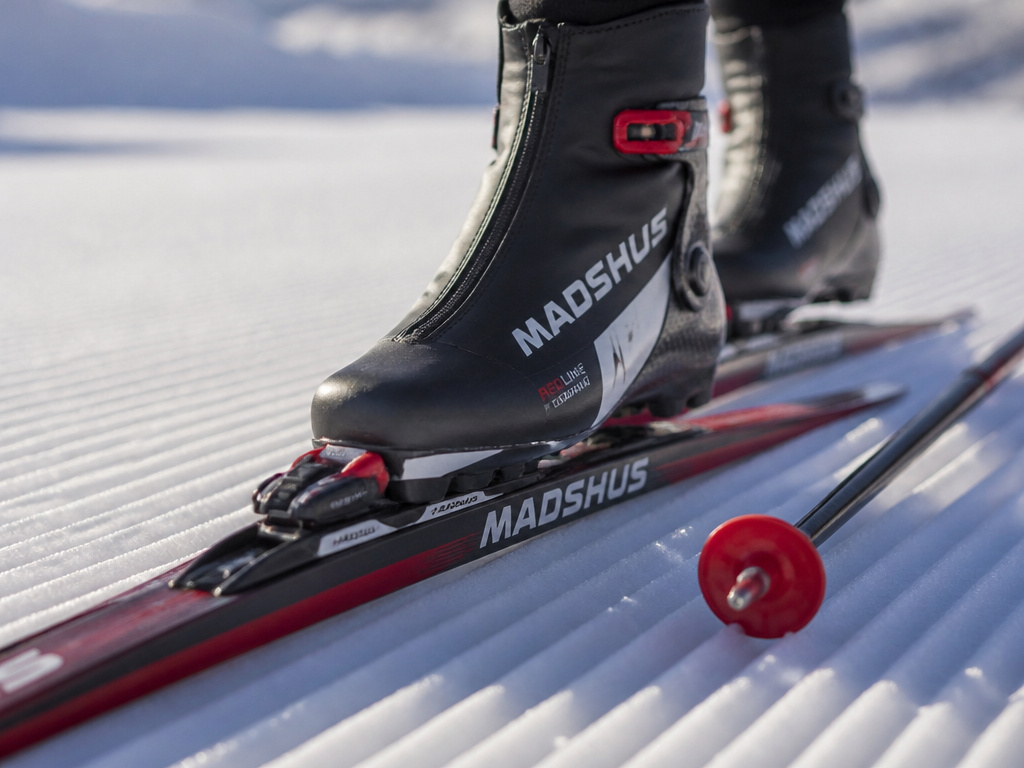
Ski skates present a clear value proposition if your typical ski days are spent on groomed slopes, snow parks, or hiking trails. Unlike renting standard skis each season, owning a pair means you have gear ready for these specific conditions without recurring fees. The learning curve is relatively short, especially if you have a background in ice skating or inline skating, with many users feeling comfortable after just a couple of trips. However, they are not ideal for all conditions, particularly deep powder or steep slopes where longer skis are recommended. For someone who frequents resorts with well-maintained terrain, the one-time purchase can quickly offset years of rental costs.
Frequently Asked Questions
Are ski skates easier than skis?
For people with ice or inline skating experience, yes, the basics are much easier to pick up, often within 5-10 minutes. The side-to-side motion is already learned. For complete beginners with no skating background, traditional skis might provide a more stable and forgiving platform to learn the fundamentals of downhill sliding.
Can you use ski skates on ski lifts?
This is critical: you must check with your specific ski resort. Many mountains prohibit them on chairlifts because their short length and non-standard bindings are considered a safety hazard if they detach. Some resorts allow them, but it’s never a guarantee. Never assume.
What is the best brand of ski skates?
The two main contenders are Snowfeet Skiskates and ODR Skis. Snowfeet offers better availability and beginner support. ODR (and related models like Tomsen Sports Nova) are often cited by enthusiasts as having faster bases and better designs for tricks. For most users, Snowfeet is the reliable default.
How do you stop on ski skates?
You stop using a “hockey stop.” Shift your weight evenly across both skates, then push your heels out sideways to dig the metal edges into the snow. Some models also have a built-in heel brake you can engage by lifting your toes. Practice this on flat, gentle terrain before going downhill.
Are ski skates safe?
They are as safe as the terrain and the user’s skill allow. They are not safe on steep, icy, or deep powder terrain where their design limits are exceeded. Always wear a helmet and consider wrist guards, as the falls can be similar to ice skating falls. Also, rigorously check the bindings and hardware before each use, as mechanical failure is a known risk in the category.
Before You Go
If you’re still on the fence, here’s the one-question litmus test: will you use these almost exclusively on packed, groomed snow? If your answer is yes, a pair of ski skates will probably put a grin on your face. They deliver a unique, zippy feeling that long skis can’t match.
If your answer is “maybe, but I also want to explore off-piste or ski fast,” save your money. You’ll outgrow their limitations in an afternoon and wish you had your traditional setup. For those deep powder or steep slope days, longer skate skis or a proper alpine setup is the only right answer.
Finally, do your homework. Read the recall notices for mainstream ski gear, it’s a sobering reminder that what’s under your feet matters. Check your local hill’s policy. And maybe start with a used pair from a forum or marketplace. The best snowskates experience comes from matching the tool to the job, not hoping a novelty can do it all.
