Snowboard Goggles Review: Expert Picks and How to Choose
This post contains affiliate links. As an Amazon Associate, we earn from qualifying purchases.
Snowboard goggles are certified protective eyewear, not just tinted plastic. The best models combine a specific lens shape (spherical, cylindrical, or toric) with contrast-enhancing technology like Smith’s ChromaPop, a secure and quick lens swap system, and a fit that seals to your face and helmet. For most riders, a model like the Smith 4D Mag or Anon M5 hits the sweet spot of optical clarity, field of view, and reliable performance.
That certification matters. Goggles built to standards like ISO 18527-1:2021 or ASTM F659-10 are tested for impact resistance, optical clarity, and UV protection, things you can’t judge by looking at them in a shop. A cheap pair might keep snow out, but it can also distort terrain, fog instantly, or shatter on impact. The difference between a day on the slopes and a bad one often lives in that half-inch of curved polycarbonate.
What follows: a breakdown of the lens tech that actually works, the real-world trade-offs between magnetic and manual systems, and how to match a goggle to your face and helmet. We’ll also look at where the top testers disagree, because the “best” goggle depends entirely on where and how you ride.
Key Takeaways
- Look for ISO 18527-1:2021 or ASTM F659-10 certification on the box or product page, this verifies impact and optical testing, not just marketing claims.
- Spherical lenses offer the widest, most distortion-free view but sit farther from the face; cylindrical and toric shapes are lighter and sit closer.
- Magnetic lens systems are a genuine convenience for changing light, but a secure mechanical lock (like the Scott React AMP Pro‘s) is critical for high-speed or backcountry riding where a lost lens means a ruined day.
- Goggle and helmet fit is essential. A gap between them lets in wind and snow, breaking your seal and your concentration. Always try them together.
- Photochromic lenses (like Julbo’s) eliminate lens swaps but have a limited VLT range; for dedicated night riders or bright sun chasers, carrying a dedicated low-light or dark lens is still better.
How Do Lens Shape and Tech Affect Your Vision?
Lens shape isn’t about style. It’s the foundation of your field of view, peripheral awareness, and how much the frame intrudes on your sightline. Get this wrong, and you’re skiing in a tunnel.
Spherical lenses are curved like a basketball section. This shape pushes the lens outward, creating a deep chamber that offers a massive, panoramic field of view with minimal distortion at the edges. The Smith 4D Mag’s BirdsEye Vision technology amplifies field of view by 25% compared to its spherical lenses. The result? You can glance down at your binding or a map without craning your neck, a genuine advantage in steep, technical terrain where foot placement is everything. The trade-off is bulk and weight; spherical goggles are noticeably larger.
Cylindrical lenses curve horizontally like a section of a pipe but are flat vertically. They sit much closer to your face, giving a sleeker, lower-profile look. The field of view is narrower than a spherical lens, but because the lens is closer, the frame often disappears from your sightline anyway. This shape is common in budget-friendly family options like the Smith Squad ChromaPop.
Then there’s the toric shape, a hybrid. The Anon M5 uses a “flat toric” design, which has slight vertical rounding meant to mimic the human eye’s perception. Reviewers note it retains the classic cylindrical look while minimizing the blurring or distortion that some riders report with aggressive spherical curves.
The lens coating is where the magic happens. Smith’s ChromaPop and Oakley’s Prizm are the big names. They work by filtering specific wavelengths of light to enhance contrast between snow and ice, rock and shadow. Think of it as turning up the “clarity” slider on a photo. In flat light, this can mean the difference between seeing a mogul and eating it.
Where this goes sideways: Choosing a lens based on a cool color tint alone. A dark grey lens might look sharp, but if its VLT (Visible Light Transmission) is 5%, it’s useless on a stormy day. Match the lens to the light you actually ride in most often.
The Battle of the Lens Swap Systems
You have three paths: carry multiple lenses, invest in photochromic/electrochromic tech, or just deal with subpar vision when the light changes. Your choice depends on your patience and your pocketbook.
Magnetic systems are the current gold standard for convenience. Brands like Anon (Magna-Tech), Smith (MAG), and Outdoor Master use powerful rare-earth magnets to hold lenses in place. The Anon M4 Toric uses a Magna-Tech system with powerful rare-earth magnets for near-instant lens swap. The Smith I/O Mag uses a magnetic lens system. The risk? A purely magnetic connection can fail. I’ve seen a lens pop off during a yard-sale crash. That’s why some models, like the Scott React AMP Pro, combine magnets with a mechanical lock for absolute security.
Manual clip systems, like the one on the POC Vitera, are less glamorous but often more bombproof. They typically involve squeezing the frame to release tension clips. While not as fast as a magnetic swap, though POC claims a sub-10-second lens swap, you’ll never worry about losing a lens in a high-impact tumble. These are common on more affordable goggles and are perfectly reliable for most resort riding.
Then there’s the set-it-and-forget-it option: photochromic lenses. These lenses darken or lighten automatically based on UV exposure. OutdoorGearLab’s 2026 testing named the Julbo Launcher with photochromic lens as the top “no-fuss” pick that “never fogs.” The upside is obvious: no lens changes, ever. The downside is range. Photochromic lenses can’t get as dark as a dedicated sun lens or as clear as a dedicated low-light lens. If you ski exclusively at night or chase bluebird days in the Rockies, you’ll outpace their capabilities.
| System Type | Best For | Key Consideration |
|---|---|---|
| Magnetic (e.g., Anon M5) | Riders who face changing light conditions frequently; convenience seekers. | Ensure the magnets are strong or paired with a secondary lock for aggressive riding. |
| Manual Clip (e.g., POC Vitera) | Budget-conscious buyers, park riders, or anyone prioritizing durability over speed. | Swap speed is slower, often requiring bare hands, but failure risk is near zero. |
| Photochromic (e.g., Julbo Launcher) | Riders who hate carrying extra gear or making decisions on the mountain. | Understand the VLT range (e.g., 15-65%); they are a compromise, not a perfect solution for all light. |
The electrochromic lens, like the one on the Spy Ace, is the high-tech frontier. It uses a button to shift between three preset tints. The Gear Institute noted the Spy Ace electrochromatic system weighed 6.0 ounces while the regular Spy Ace goggles came in at 4.9 ounces. Forgetting to charge it leaves you stuck with whatever tint you had last, a dealbreaker for a weekend warrior.
What About Fit, Comfort, and Helmet Compatibility?
A goggle that doesn’t fit is a goggle that doesn’t work. Fogging, wind leaks, and headaches all start here. This is where online deals can backfire spectacularly.
Fit is about your face shape, not just head size. The industry euphemisms are “Asian fit” or “low bridge,” which simply means more space carved out of the foam around the nose bridge. If you have a flatter nose bridge and standard goggles leave a gap, you need this style. Conversely, a larger nose needs less recessed foam to seal properly. The only way to know is to try them on, or meticulously read sizing charts that specify fit type.
Helmet compatibility is the other half of the equation. The goal is a seamless integration with no “gaper gap.” This isn’t just aesthetic; a gap channels cold air directly into your eyes and under your helmet. When testing for a snowboard goggles review, reviewers always pair goggles with helmets. Always bring your helmet shopping, or buy both from brands known for their integrated ecosystems (like Smith or Giro).
ISO 18527-1:2021, the international standard for ski goggles, specifies requirements for eye protection against hazards including ultraviolet and visible solar radiation, rain, snow and wind during downhill skiing and snowboarding. The ASTM F659 goggle specification covers optical clarity and impact tests, but comfort is up to you. These documents set a safety floor, not a comfort ceiling.
Comfort over time comes down to foam and strap. A silicone-backed strap grips your helmet to prevent slippage. Consider this a consumable part of the goggle.
How Do the Top Testers’ Picks Compare?
Here’s the messy truth: there is no single “best” goggle. Different testing protocols, reviewer preferences, and evaluation criteria lead to different winners. This disagreement is useful, it tells you what each pick prioritizes.
Wirecutter’s top pick for the 2025/26 season is the Anon M5 Goggles, while REI’s expert testing did not include the Anon M5 in its final ‘best goggles’ list. Their snowboard goggles review praised the “flat toric” lens for being distortion-free and the nine-magnet system for effortless swaps. They valued the wide field of view and high-contrast optics above all else.
REI’s expert testing, however, did not include the Anon M5 in its final “best goggles” list. Their Editors’ Choice award went to the Smith 4D Mag ChromaPop, highlighting its BirdsEye Vision technology that amplifies field of view by 25% compared to standard spherical lenses. Their testers valued the downward sightline for technical riding and family logistics.
On value, the split continues. OutdoorGearLab champions the photochromic Julbo Launcher as its top no-fuss choice, while Wirecutter reinstated the Glade Adapt 2 as its budget pick. Meanwhile, Wirecutter reinstated the Glade Adapt 2 as its budget pick in February 2026, with the caveat that they “aren’t good for night skiing or for people who ski in low light regularly.”
| Source | Top Pick | Why They Chose It | Best For |
|---|---|---|---|
| Wirecutter | Anon M5 Goggles | Distortion-free flat toric lens, best-in-test high-contrast optics, user-friendly magnetic swap. | Riders who prioritize optical purity and convenience in variable light. |
| REI Expert Advice | Smith 4D Mag ChromaPop | 25% wider field of view (BirdsEye), excellent clarity, secure magnetic system. | Technical riders and parents who need downward visibility and a wide view. |
| OutdoorGearLab (2026) | Julbo Launcher (Photochromic) | No lens changes required, consistently good anti-fog performance. | Riders who want a single-lens solution for all-day, changing conditions. |
| Budget Pick (Wirecutter) | Glade Adapt 2 | Low cost, photochromic lens covers most daytime conditions. | Casual skiers or those outfitting a family on a tight budget. |
The takeaway? If you crave the absolute best optics and swap lenses often, lean toward the Anon or Smith flagships. If you despise fuss and mostly ski in moderate, variable light, a photochromic model like the Julbo is a brilliant solution. And if budget is the primary constraint, the Glade Adapt 2 or a value model like the Smith Squad gets you in the game safely.
What Are the Must-Consider Extras?
Ventilation and Anti-Fog: Fog forms when warm, moist air from your face hits the cold lens. Good goggles use a combination of anti-fog technology on the lens interior and a passive ventilation system, usually a series of vents across the top of the frame. The key is balance: too many vents let in snow and wind; too few cause fogging. The InnerKing OTG Magnetic Goggles have an eight-magnet quick-swap system.
OTG (Over-The-Glasses) Design: If you wear prescription glasses, this is a must. OTG models have a deeper frame channel to accommodate your specs. The ASTM F659-10 specification includes a direct warning: “impact resistant prescription spectacles that conform to… ANSI Z87.1 should be used if spectacles are to be worn under goggle-type eyewear.” This means the goggle standard doesn’t certify the system with your glasses inside. The safest route is a dedicated prescription insert that clips inside the goggle, but a well-designed OTG frame is the next best thing.
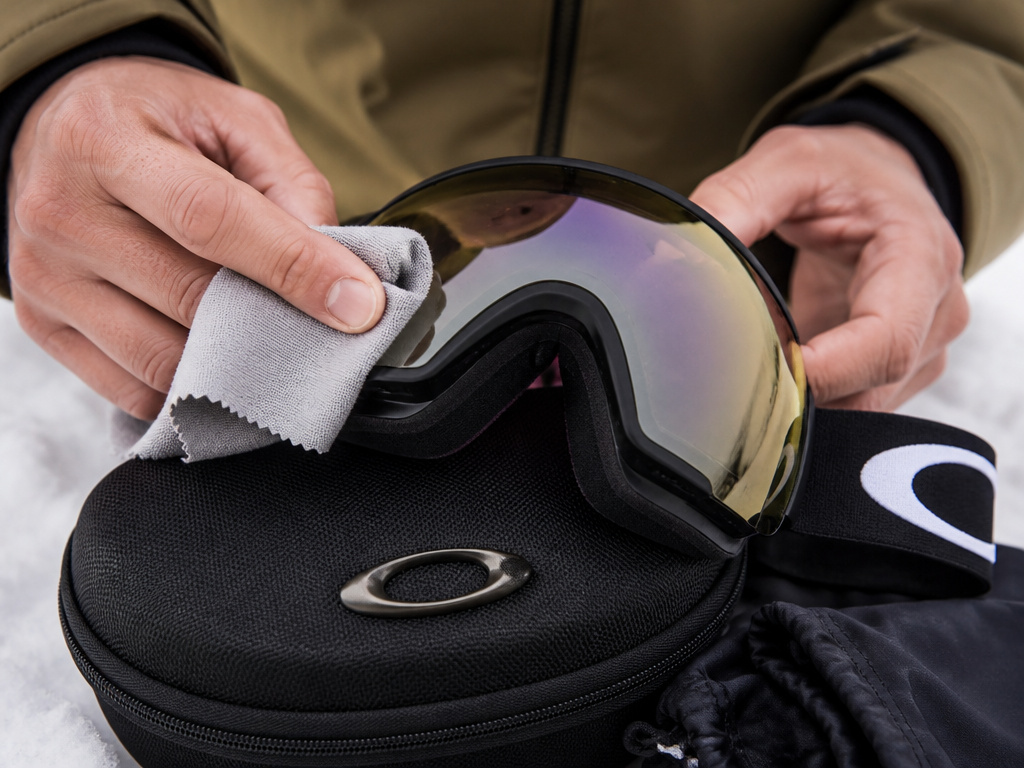
Lens Care and Durability: The anti-fog coating on the inside of the lens is delicate. Never wipe it with a dry cloth or your glove. If it fogs, let it air dry. Store goggles in a soft bag or hard case to prevent scratches. Many premium models, like the Smith 4D Mag, include a hard case, a sign the manufacturer expects you to protect the investment.
Common mistake: Storing goggles on your helmet’s forehead vent between runs. This exposes the interior foam and lens to sweat, oils, and snowmelt, which degrades the anti-fog coating and compresses the foam faster. Use the included bag.
How do top goggle brands compare?
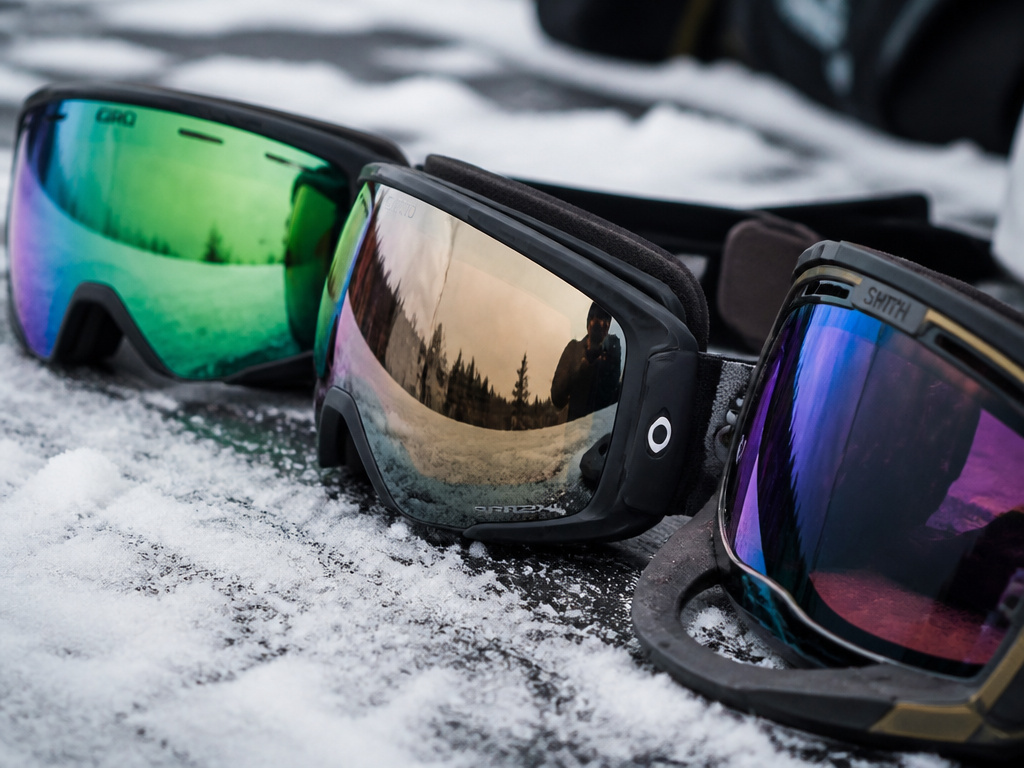
Different brands focus on distinct strengths, making direct comparisons tricky. For outstanding optical clarity and a wide-open field of view, one top tester recommends a specific model known for its proprietary lens technology that boosts color and contrast. Another major review outlet names a different brand’s model as their top overall pick, praising its high-contrast lenses and wide field of view, achieved through a unique lens shape meant to mimic human vision. For riders who prioritize a secure fit above all, a magnetic goggle from the first brand is noted for its lens that should never come loose. The ‘best’ brand depends on whether you value optical punch, a specific field of view, or a bulletproof fit.
Frequently Asked Questions
What is the most important thing to look for in snowboard goggles?
Look for certification to a recognized safety standard like ISO 18527-1:2021 or ASTM F659-10. This ensures basic impact resistance and optical quality. After that, prioritize fit with your face and helmet. The best lens tech is worthless if the goggle leaks air or slides around.
Are magnetic lens goggles worth the extra money?
For most riders, yes. The convenience of swapping lenses quickly in changing conditions is a genuine performance and comfort upgrade. Ensure the system is secure; models that combine magnets with a mechanical lock (like some Scott or Smith models) offer the best of both worlds: speed and reliability.
Can I wear my regular glasses under any snowboard goggles?
No. You need goggles specifically designed as OTG (over-the-glasses) models. These have a deeper frame and more internal space. Even then, for optimal safety and vision, a prescription insert fitted to the goggle is a better solution than wearing your everyday frames underneath.
How do I stop my goggles from fogging up?
Start with a fit that promotes good airflow. Ensure your helmet isn’t directing your breath upward into the goggle. Keep the anti-fog coating on the inside lens clean by not touching it and storing the goggles properly. If you’re a heavy sweater or ski in very humid conditions, look for models with advanced ventilation systems.
What’s better: photochromic lenses or carrying multiple lenses?
It depends on your riding style. Photochromic lenses (like Julbo’s) are fantastic for all-day, variable conditions and eliminate the hassle of carrying extra gear. However, if you frequently ski in extremely bright sun or very low light (like night skiing), dedicated lenses will offer better performance at the extremes of the light spectrum.
The Bottom Line
Commit to the process, not just the product. The best snowboard goggles review can only tell you what worked for the tester; your face, your helmet, and your local mountain are the final judges.
If you take one thing, let it be this: try before you buy, with your helmet on. That five-minute test in a shop saves you from a season of fog, leaks, and frustration. The difference between seeing a hidden ice patch and feeling it isn’t just skill, it’s the quality of the lens in front of your eyes.
For a single, actionable recommendation: if you ride frequently in variable conditions and want top-tier optics, the Smith 4D Mag or Anon M5 are the benchmarks. If you’re after simplicity and solid all-day performance on a budget, the photochromic Julbo Launcher or the value-packed Glade Adapt 2 are where your search should start. Everything else, the lens swaps, the contrast tech, the magnetic clicks, is refinement on top of a fit that seals right. Get that seal right first.
