Symbolic Snowboard Review: When to Buy and Walk Away
This post contains affiliate links. As an Amazon Associate, we earn from qualifying purchases.
Symbolic snowboards are a low-cost, mass-market brand typically sold as complete packages on platforms like Amazon. They serve as an entry point for absolute beginners on a tight budget, but their reputation is built on affordability, not performance or durability. The brand is part of a category of budget boards that often use lower-grade materials and simpler construction, which can affect long-term ride quality and safety.
That gap between “affordable” and “cheap” is where the real decision lives. A board that gets you on the snow is better than one that doesn’t, but the trade-offs have concrete, physical consequences you can measure. This is the core of a symbolic snowboard review.
What follows: a breakdown of Symbolic’s place in the market, the engineering specs that separate budget from reputable, a direct comparison to other low-cost brands, and the one question you must answer before clicking “buy now” on any sub-$400 package.
Key Takeaways
- Symbolic boards are budget entry points, not performance gear. They work for a first season of casual riding on groomed runs.
- The ISO 10958-2 insert standard dictates binding safety; cheap boards can meet it, but long-term retention strength is untested in real cold.
- A Reddit user advised avoiding reverse camber on hardpack and ice, stating this profile sacrifices edge grip when you need it most.
- Flow Sports had 30 failure reports before a 2015 recall. It’s a reminder that budget gear often lacks the same rigorous pre-market testing as established brands.
- For a true step up, look to value brands like Nitro or Cardiff. They use known factories and materials, offering a much better performance floor for a moderate price increase.
Symbolic’s Place in the Snowboard Market
You see them on Amazon, eBay, and sometimes in big-box sporting goods stores: complete snowboard packages with bindings for under $400. Symbolic is a flagship brand in this space. A YouTube reviewer noted you can get a whole setup from Amazon for under $400, which is exactly the value proposition a symbolic snowboard review highlights.
These boards are not aimed at someone looking to progress past linking turns. They are for the absolute beginner who needs the lowest possible barrier to entry. The thinking is sound, spend as little as possible to see if you even like the sport. The risk is that a poorly performing board can make learning harder and less fun, which is why so many used Symbolic boards appear for resale after a single season.
Where this goes sideways: Buying a Symbolic board because the price looks right, without understanding it’s a short-term rental of your own money. If you ride frequently, the cost-per-use math can flip in favor of a slightly more expensive board within a year.
Their sales channel is key. You won’t find Symbolic in specialty snowboard shops. They live online and in general sporting goods retailers. This matters because you lose the expert fitting and advice that comes with a shop purchase. You’re on your own with sizing, which leads to the most common beginner mistake: buying a board that’s too long or too stiff because a chart said so.
The Engineering Reality Behind Cheap Boards
You are buying a composite sandwich. A snowboard is a composite sandwich. Its performance comes from the materials in that sandwich and how they’re assembled.
A peer-reviewed study in Sports Engineering used a prototype board with a 5.55 mm wood core and 0.665 mm composite skins to validate a finite element model. That’s a simplified, lab-built board for testing. Mass-market budget boards often use even simpler cores, lighter, less dense wood, or even foam, and thinner, weaker fiberglass layers. You can’t see this difference by looking at the top sheet graphic, but you feel it immediately as “chatter” when you try to hold an edge on hard snow.
The most critical safety component isn’t the core, though. It’s the metal inserts that your bindings screw into. The international standard ISO 10958-2 governs these. It mandates that inserts must have an M6×1, 6H class internal thread, and screws must be M6×1, 6g class. The screw must engage at least 2.0 threads, and the insert must withstand a minimum pull-out force of 4,500 Newtons for boards rated for riders 45 kg and over.
| ISO 10958-2 Key Spec | Requirement | Why It Matters |
|---|---|---|
| Insert Thread | M6×1, 6H class | Ensures binding screws thread in cleanly and don’t strip. |
| Minimum Engagement | 2.0 full threads | Prevents the screw from pulling out under rider weight and impact. |
| Pull-Out Force (≥45 kg rider) | 4,500 N | The insert must hold over 1,000 pounds of force before failing. |
| Test Temperature | 23°C ± 5°C | Strength is certified at room temp, not at freezing mountain temperatures. |
That last point is the catch. The standard tests at room temperature. Plastic gets brittle in the cold. A binding baseplate or an insert’s surrounding plastic can behave differently at -10°C than it does at 20°C. A budget brand is far less likely to conduct extensive cold-weather testing beyond the standard.
How Symbolic Compares to Other Budget Brands
Symbolic isn’t alone. The low-cost snowboard landscape is full of brands like M3, Lamar, Sims, and Morrow. A 2011 Reddit discussion on brands to avoid specifically named these as “low end, fairly cheaply made board companies.” The sentiment hasn’t changed much in over a decade.
So, what’s the difference between them? Often, not much. They are frequently produced in the same overseas factories, with different graphics slapped on, as a symbolic snowboard review would clarify. The decision between a $250 Symbolic package and a $300 M3 package might come down to which graphic you like better and which is on sale that week.
A Reddit user advised, “If you’re riding mostly hardpack and ice, stay away from reverse camber.” This is a perfect example of community wisdom that applies directly to these boards. Many budget packages use reverse (rocker) camber because it’s more forgiving for beginners. But on ice, it reduces effective edge contact, making the board feel squirrely and untrustworthy.
The step up from this tier is significant. Brands like Nitro, Rossignol, or Forum (check our review of Forum snowboards) operate in the next price bracket. They use known, reputable factories, higher-quality materials like sintered bases and specific core woods, and they invest in design and testing. You’re not just paying for a name; you’re paying for a measurable increase in durability and performance. For the rider who graduates from a Symbolic board, these are the logical next steps.
Binding Compatibility and the Safety Question
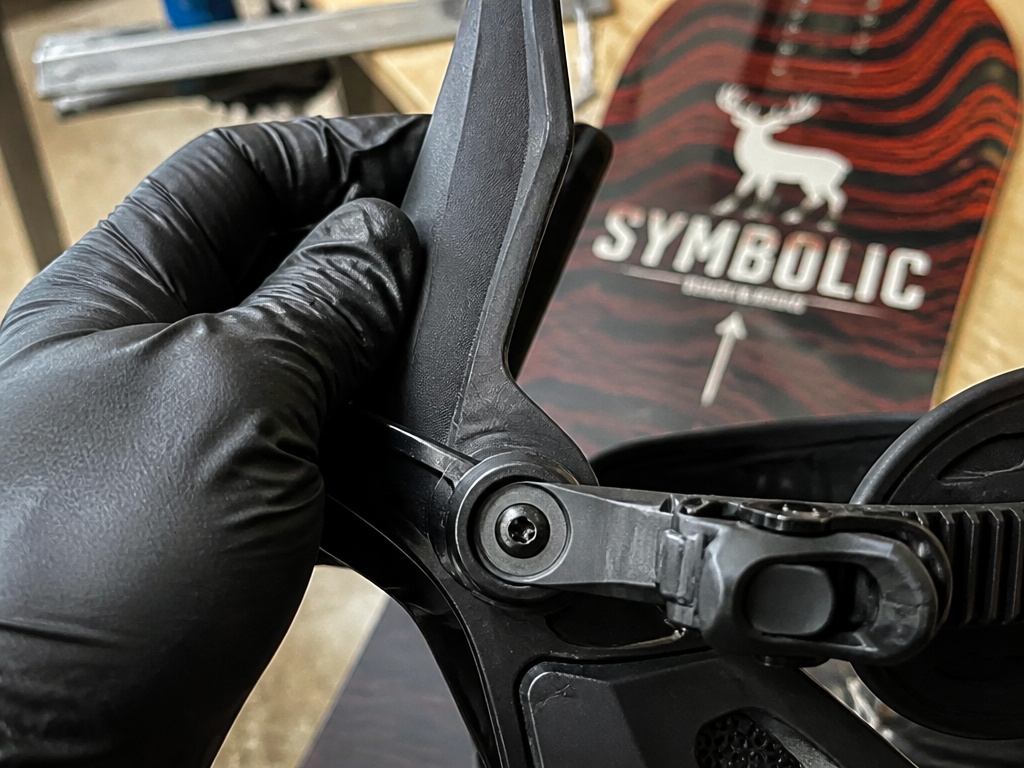
The bindings that come with a Symbolic package are part of the equation. They are designed to be cost-effective, which often means more plastic, simpler straps, and less adjustable forward lean.
Compatibility is straightforward, they use the standard 4×4 or 2×4 insert pattern, so they’ll mount to any modern board. The quality question is separate. A binding’s job is to transfer your input to the board efficiently and to release during a crash to prevent injury. A stiff, poorly padded binding fails on both counts.
The CPSC snowboard binding recall for Flow Sports’ 2014 Flite-series is an object lesson. Before the recall, the company had received 30 reports of pins disengaging from the bindings. These were bindings from Flow Sports. Any piece of equipment can fail, and budget gear often has less intensive quality control, lowering its failure threshold.
If you buy a Symbolic package, inspect the bindings closely. Look for thin plastic on the buckles, sharp edges on straps, and any play or wiggle in the highback. These are the parts that will see the most stress.
Are Symbolic Snowboards Good for Beginners?
For the right beginner, yes. That beginner is financially constrained, unsure if they’ll stick with the sport, and planning to stick to gentle, groomed green runs. The board will work. It will slide on snow and turn.
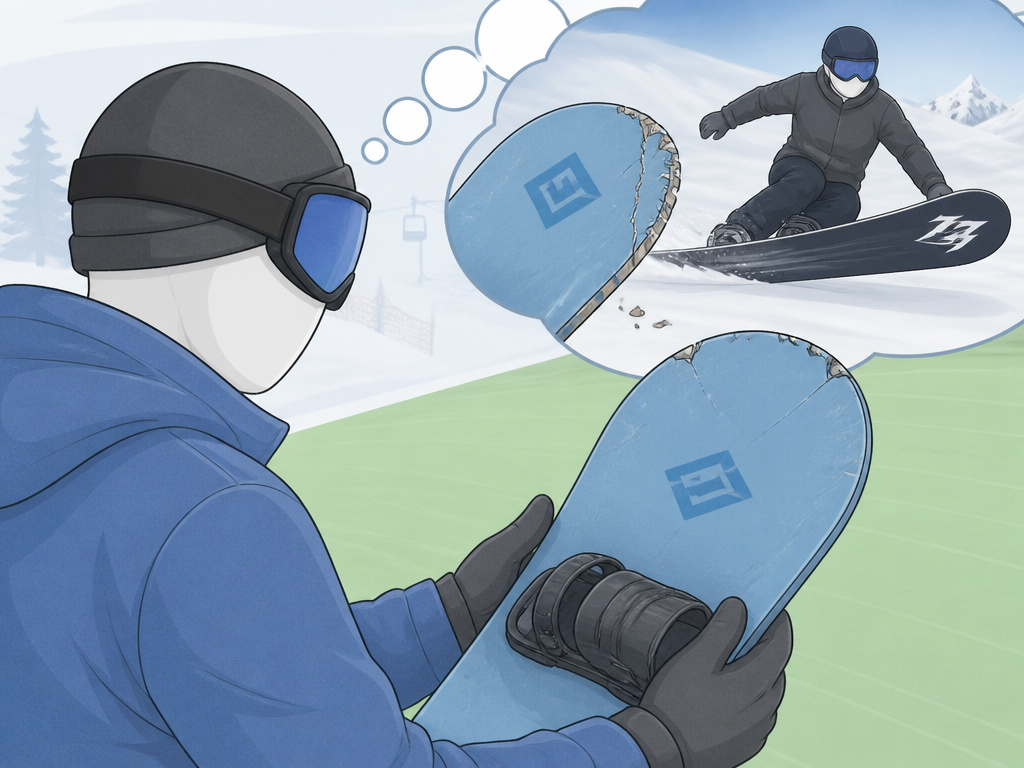
The problem is that “beginner” is a temporary state. If you catch the bug, and many do, you will outgrow a Symbolic board within your first season. Its limitations become the ceiling on your progression. It won’t hold an edge as you try to carve, it will feel unstable as you go faster, and it may not survive the inevitable bumps and scrapes of learning.
A better question is: are they the best tool for a beginner? Often, no. The traditional advice holds: buy a used board from a brand like Burton, Salomon, or Yes. For the same $400, you can often find a 2-3 year old board from Burton, Salomon, or Yes that was $600+ new. It will have better technology, be more durable, and won’t hold you back as you improve. You also get the residual knowledge of the previous owner who likely bought the right size for their weight and style.
The Verdict: When to Buy (and When to Walk Away)
So, should you buy a Symbolic snowboard?
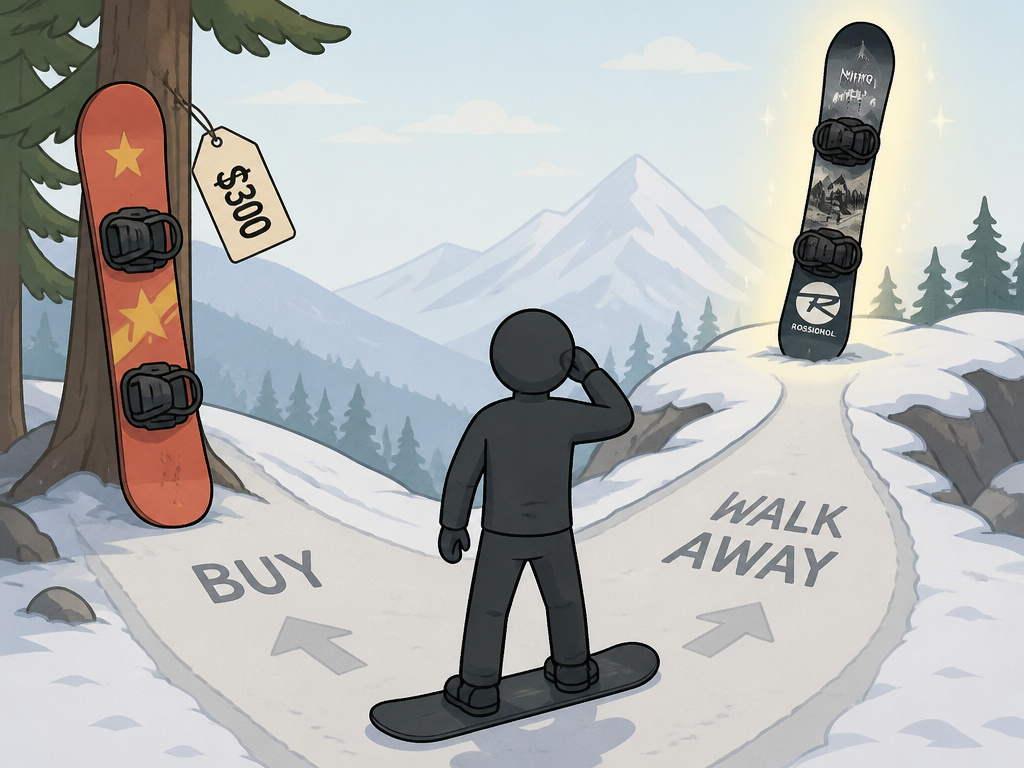
Buy it if: Your absolute maximum budget is $300, you have no access to used gear swaps, and you view this purchase as a one-season rental to test the waters. Go in with eyes wide open. You are trading long-term performance and durability for immediate, low-cost access.
Walk away if: You have any flexibility in your budget, you know you’ll ride more than a handful of times, or you have aspirations of progressing past the basics. The extra $150-$200 you’d spend stepping up to an entry-level board from a brand like Nitro or Rossignol (explore the Rossignol snowboard lineup) is the single most impactful investment you can make in your snowboarding experience. It’s the difference between fighting your equipment and having it work with you.
For most people, the math favors skipping the ultra-budget tier. The cost of frustration and the shortened gear lifespan usually outweigh the initial savings. Start with used, or stretch for a new board from a company that invests in the engineering, not just the best snowboard graphics.
What is a snowboard made of?
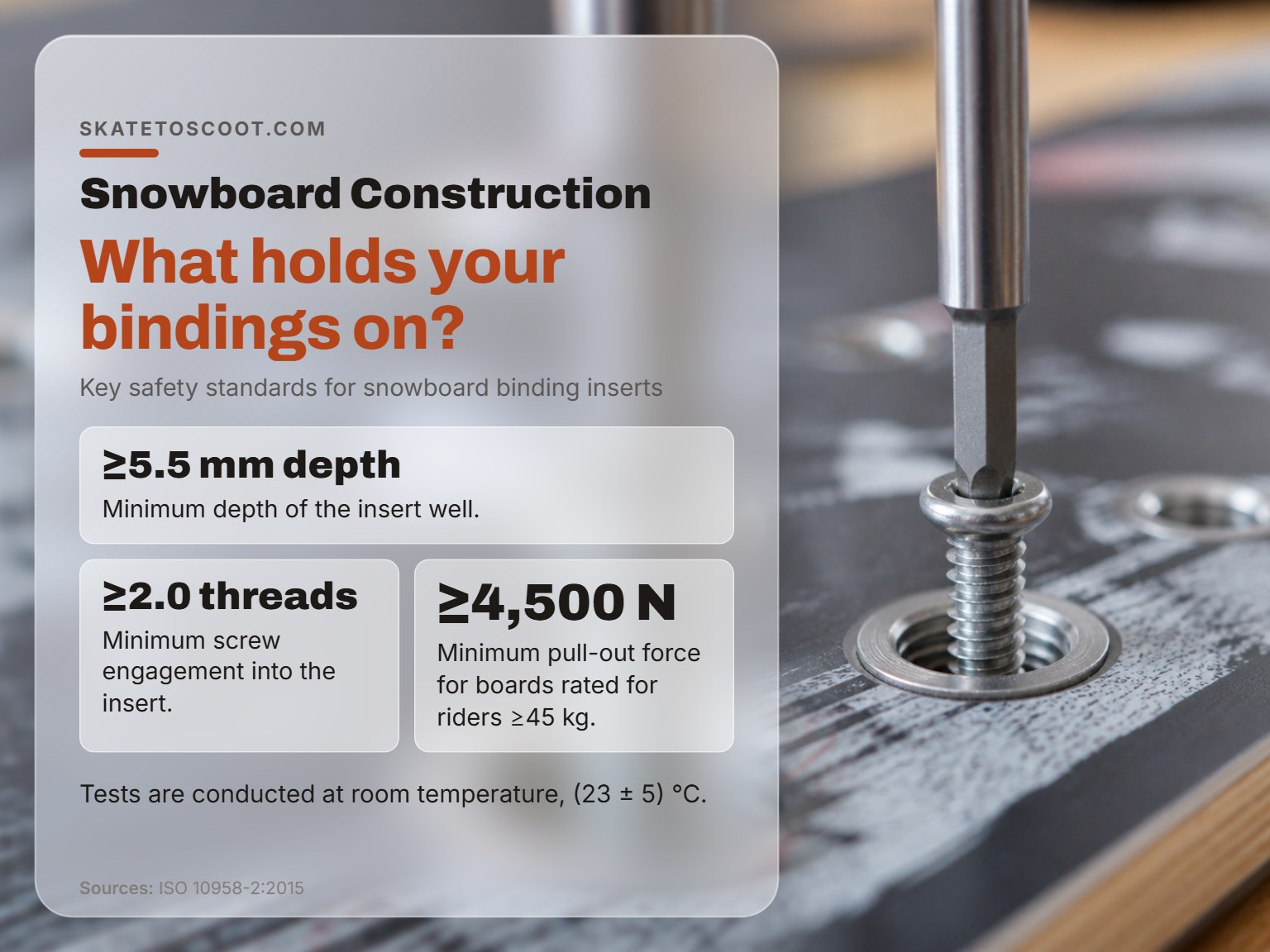
While specifics on Symbolic’s core materials aren’t provided here, understanding general construction helps evaluate any board. A prototype snowboard studied in 2019 used a constant thickness wood core. This core was sandwiched between composite skins. The study noted its static testing model differed from real carved-turn conditions. For any board, the construction must meet safety standards. These standards specify minimum pull-out force for binding inserts, which varies based on the rider weight the board is rated for. Boards must also have specific screw thread types and minimum engagement depths to securely hold your bindings.
Frequently Asked Questions
Are Symbolic snowboards any good?
They are good at being inexpensive. For a first-time rider on a tight budget who will stick to easy terrain, they function. They are not good when compared to established brands for high-performance materials, advanced construction, or long-term durability.
What are the top 3 best snowboard brands?
There’s no universal “top 3,” as the best brand depends on your riding style. However, for overall quality, innovation, and range, Burton, Salomon, and Capita are consistently top-rated by professional testers and consumers. Brands like Nitro and Yes are also highly regarded for specific disciplines like freestyle and all-mountain riding.
Is a 20 year old snowboard still good?
For casual cruising, maybe. For performance or safety, no. Core materials can degrade, glue delaminates, and the technology is vastly outdated. Crucially, a 20-year-old board likely does not meet modern ISO 10958-2 insert standards, posing a potential binding retention risk. It’s a collector’s item, not daily equipment.
What are good cheap snowboard brands?
“Cheap” is relative. For good value, look at last year’s models from reputable brands like Nitro, K2, Rossignol, or Rome. These are often heavily discounted. True “cheap” brands like Symbolic, M3, or Lamar offer lower upfront cost but come with significant compromises in materials and construction.
The Bottom Line
Symbolic snowboards exist to fill a price point, not a performance niche. They are the answer to “What is the absolute cheapest way to get on snow?” not “What is the best tool for learning?”
If you buy one, manage your expectations. It’s a temporary solution. Plan to upgrade your entire setup, board, bindings, boots, if you continue with the sport. The bindings and boots in these packages are typically the weakest links and wear out fastest.
Your money is better spent on the secondary market or on a previous-season model from a company that starts its design process with ride quality, not a cost target. The mountain is challenging enough without your gear working against you. Invest in equipment that disappears beneath you, letting you focus on the ride, not the board.
