Bauer Whistler Skate Review: Who Are They Actually For?
This post contains affiliate links. As an Amazon Associate, we earn from qualifying purchases.
The Bauer Whistler is a recreational skate built for warmth and comfort, featuring a molded plastic shell, a removable sherpa-lined boot, and a pre-sharpened blade with a long profile for stability. It suits casual skaters who prioritize coziness over performance, but its non-flexible shell and inconsistent sizing are common points of frustration.
That description covers the marketing pitch. The reality of skating in them is different. A molded shell doesn’t break in, it just is. Your foot either fits the shape on day one or it never will, and that single fact decides whether the Whistler is a cozy win or a frustrating return. This is the core of every Bauer Whistler skate review.
We’ll also cover the rust reports and what the 90-day boot warranty really means.
Key Takeaways
- The boot is 3D Injection Poly Carb and non-heat-moldable, it will not form to your foot over time, making first-fit critical.
- Sizing advice is contradictory: Bauer says size up for half-sizes, but some owner reviews contradict this, stating the skates run true to shoe size or even large.
- The blade has a long 17-foot profile (per a Reddit user report) for stability, not the agility of common hockey skate profiles (9′, 11′, 13′).
- Rust on blade screws has been reported after less than two hours of use, a known quality control issue.
- For wide feet, the Whistler’s medium-volume fit may work where figure skates fail, but consider Bauer Supreme or CCM Tacks lines for dedicated width.
Breaking Down the Bauer Whistler Specs (What You’re Actually Buying)
You see a cozy boot. I see a list of materials and construction choices that dictate everything about your experience. We’ll begin with the foundation.
The Senior Whistler 2.0 boot is built with 3D Injection Poly Carb material. That’s a molded plastic shell. According to a user review on Bauer’s own site, “the plastic is not flexible… You can’t lace any tighter than the shape of the plastic shoe.” This isn’t a leather boot that softens. It’s a hard shell with a removable liner inside, and the fit you get on day one is the fit you keep.
The holder is Bauer’s LightSpeed construction, and it’s non-releasable. The runner comes pre-sharpened according to sources, but here’s the first source conflict: Bauer’s official product page states a standard sharpening of ½” radius, while retailer Ice Warehouse lists it as a 3/4” hollow. Both are fairly shallow cuts aimed at beginners, but the discrepancy means you should check your specific pair.
Where this goes sideways: Assuming the boot will stretch. A Poly Carb shell has no give. If your toes are jammed or your arch is pinched when you first stand in them, that discomfort isn’t going away. It’s a return, not a break-in.
The comfort features are real. The outer is a soft nubuck leather. The liner is wool felt with a sherpa collar for warmth, and it’s removable for drying. The hardware is brass, and it uses D-ring eyelets for easier lacing. In a size M9/W10, the skate weighs 871 grams (per Ice Warehouse specs). That’s heavier than a performance hockey skate, but the weight is in the insulation.
| Component | Specification | What It Means for You |
|---|---|---|
| Boot Construction | 3D Injection, Poly Carb | Non-heat-moldable, zero break-in, fit is immediate and final. |
| Holder | LightSpeed, Non-Releasable | Blade is fixed; cannot upgrade to a different holder system later. |
| Liner | Removable, Wool Felt, Sherpa Collar | Washable and warm, but adds bulk that affects fit volume. |
| Outer Material | Soft Nubuck Leather | Style and slight water resistance, but no structural stretch. |
| Pre-Sharpened Hollow | ½” (Bauer) or 3/4” (Retailer) | A shallow, beginner-friendly cut; confirms you can skate out of the box. |
The warranty tells its own story. The boot is covered for 90 days. The runners and holders get 1 year. That’s a short window for the most expensive part, hinting at the expected lifespan for casual use.
The Sizing Gamble: Official Advice vs. Owner Reality
Bauer provides a sizing guide. Owners provide horror stories. You need both.
For the Junior Whistler Glides, Bauer’s official advice is clear: choose the skate that matches your Men’s shoe size, recommend women size 2 down, and size-up if you wear a half-size. This is printed on their product page.
Now, read the reviews. On retailer sites, the consensus among buyers who actually wore them contradicts that. One owner states, “Skates Are True To Shoe Size, No Need To Size Down…” Another warns, “Do Not Size Down!… We ended having to exchange for a larger size!”
The issue is the unyielding shell. With a traditional skate, a slightly snug fit can work because the materials compress. Here, there is no compression. A thumb’s width of space at the toe isn’t a guideline, it’s a requirement. If your longest toe touches the end of the hard shell when you stand up, you need a bigger size.
Common mistake: Following the “size down” advice when dealing with a rigid shell. Your foot cannot change the plastic. When in doubt, size for the shell, not the liner.
For wide feet, the news is surprisingly mixed. One owner with wide feet found the Junior Whistler Glides “wide enough” where regular figure skates were too narrow. However, they also noted the “toe box is a bit too tall/roomy” and used thicker insoles for stability. So it might be volume-friendly in the wrong places. If you know you need a genuinely wide fit, recreational skates are a crapshoot. You’d be better served trying a dedicated wide model from the Bauer Supreme or CCM Tacks lines.
The Bauer Whistler vs. Hockey Skates: A Direct Comparison
This is the question most reviews gloss over, but a Bauer Whistler skate review addresses it directly. Is the Whistler just a cozy hockey skate? Not even close. The design priorities are opposites.
A performance hockey skate like the Bauer Vapor X3 is built for energy transfer, ankle support, and agility. The boot is stiff laterally to push power into your edges but cuffs your ankle precisely. The blade profile is shorter (9′ to 13′ radii are common) for quick turns and stops.
The Whistler is built for comfort and stability. The molded shell provides general support but lacks the structured ankle lock of a hockey skate. As a YouTube reviewer who also plays hockey noted, he laced only to a lower eyelet because the top one dug into his leg. He questioned if someone new to skating would find the ankle support beneficial.
The blade is the biggest differentiator. Per a Reddit user, Bauer lifestyle skates like the Whistler have a 17-foot profile. Compare that to the hockey radii of 9, 11, and 13 feet mentioned by a Reddit user. A 17-foot profile means more blade stays in contact with the ice. This is great for gliding in a straight line and feeling stable, terrible for learning hockey stops, tight turns, or any maneuver requiring quick edge engagement.
| Aspect | Bauer Whistler (Recreational) | Entry-Level Hockey Skate (e.g., Bauer X-LS) |
|---|---|---|
| Boot Flexibility | Non-flexible molded shell. | Thermally formable composite/leather; molds to foot. |
| Ankle Support | General support from shell; high cuff may rub. | Structured ankle padding and tendon guard for lock-in. |
| Blade Profile | ~17-foot radius (per user reports). Long, stable. | Shorter radius (e.g., 13′). More agile for turns. |
| Primary Goal | Warmth, comfort, out-of-box readiness. | Performance, energy transfer, skill development. |
| Best For | Casual laps, family rink visits, cold outdoor ponds. | Learning hockey, skill progression, frequent skating. |
So, who wins? If you skate a few times a year on a vacation or a backyard rink and value warm, dry feet above all else, the Whistler has a purpose. If you have any interest in improving your skills, learning to stop properly, or maybe joining a casual shinny game, the investment in a proper intermediate hockey skate will pay off in enjoyment and longevity. The used market is full of great Bauer skate models that outclass a new recreational skate.
Durability and Known Issues: The Rust and Fit Problems
The specs promise a carefree experience. Owner reports tell a more cautious tale. Two issues come up repeatedly: rust and defective arrivals.
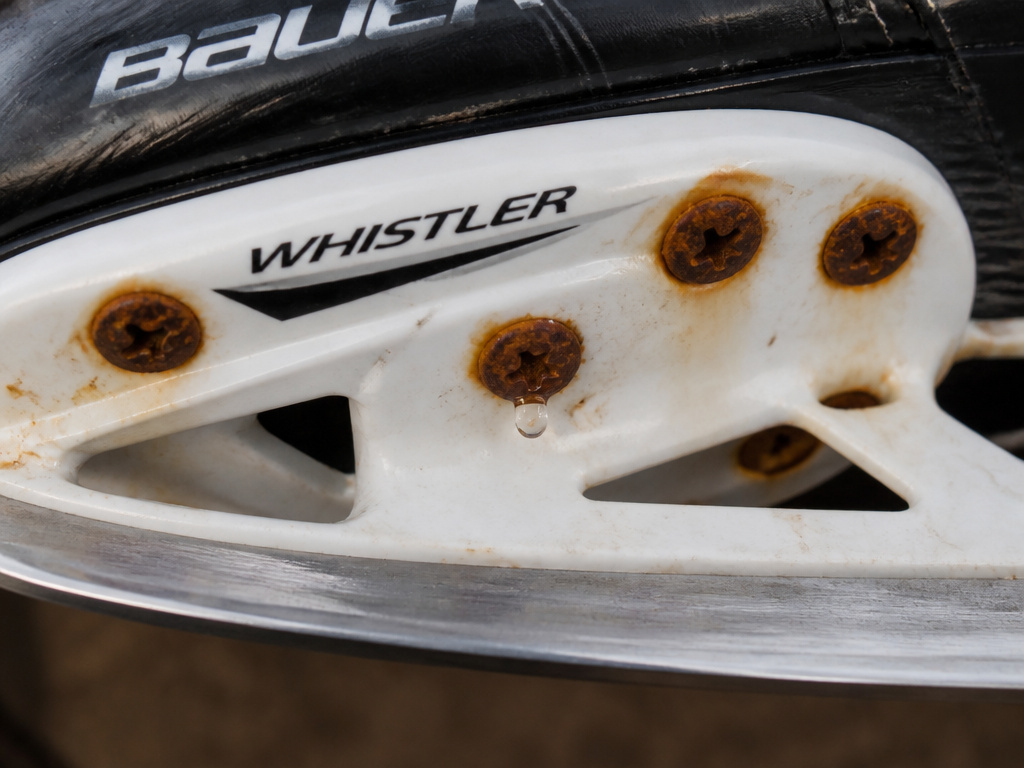
First, rust. One owner of the Junior model reported that less than 2 hours after first use, the screws holding the blade into the sole were completely rusted. This wasn’t after a season of neglect, this was after the first skate. It points to a potential quality control issue with the plating or coating on those fasteners. Moisture from the ice gets trapped, and cheap steel rusts fast.
Second, defective units. A review on Dick’s Sporting Goods described receiving a clearly used pair that was broken, missing blade guards, with a broken lace hook and rusty blades. This is a fulfillment problem, not a design flaw, but it shows why you should buy from a retailer with a solid return policy. That 90-day boot warranty is your only recourse, and the clock starts at purchase.
The durability of the boot itself is tied to its plastic construction. It’s tough but can crack from impact or extreme cold. The liner’s sherpa and wool felt will compress over time, but the shell should last for years of casual use. Just don’t expect it to handle the rigors of hockey or frequent, hard skating.
Should You Sharpen a Bauer Whistler Skate?
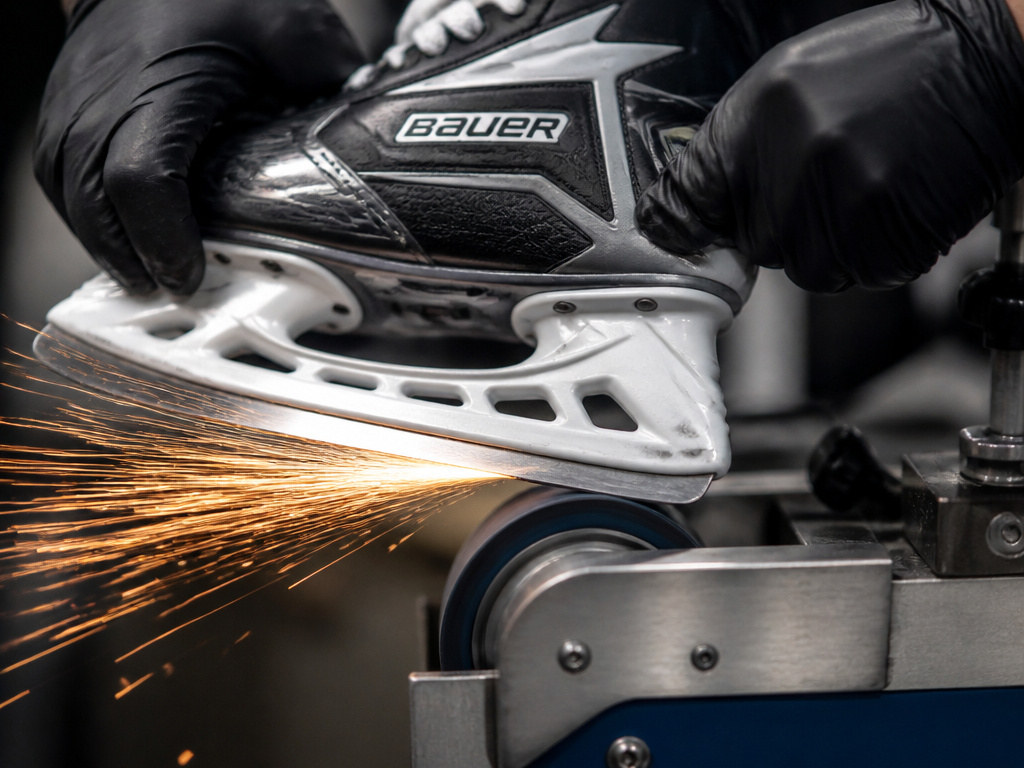
They come pre-sharpened. Eventually, you’ll feel them slip. Can you sharpen them like a regular hockey skate?
Technically, yes. Any competent skate sharpener can put a new hollow on the steel. The bigger question is should you?
It may not hold an edge as long. More importantly, the blade has a long 17-foot profile (per user report). A standard sharpening shop will maintain the existing profile unless you specifically request a change.
If you want more agility, you could ask them to re-profile the blade to a shorter radius (like 11′ or 13′). This is an advanced modification that costs more and permanently alters the skate’s character. For most Whistler owners, it’s not worth it. You’re better off sharpening to the existing profile until the steel is gone, then reevaluating if you need a more performance-oriented skate like the Bauer Vapor X4 or Vapor X5 Pro.
Worth knowing before you start: Tell your sharpener it’s a “Bauer recreational/lifestyle skate with a long profile.” This alerts them to check the steel quality and avoid aggressive grinding that could overheat and damage the softer metal.
The Verdict: Who Are the Bauer Whistler Skates Actually For?
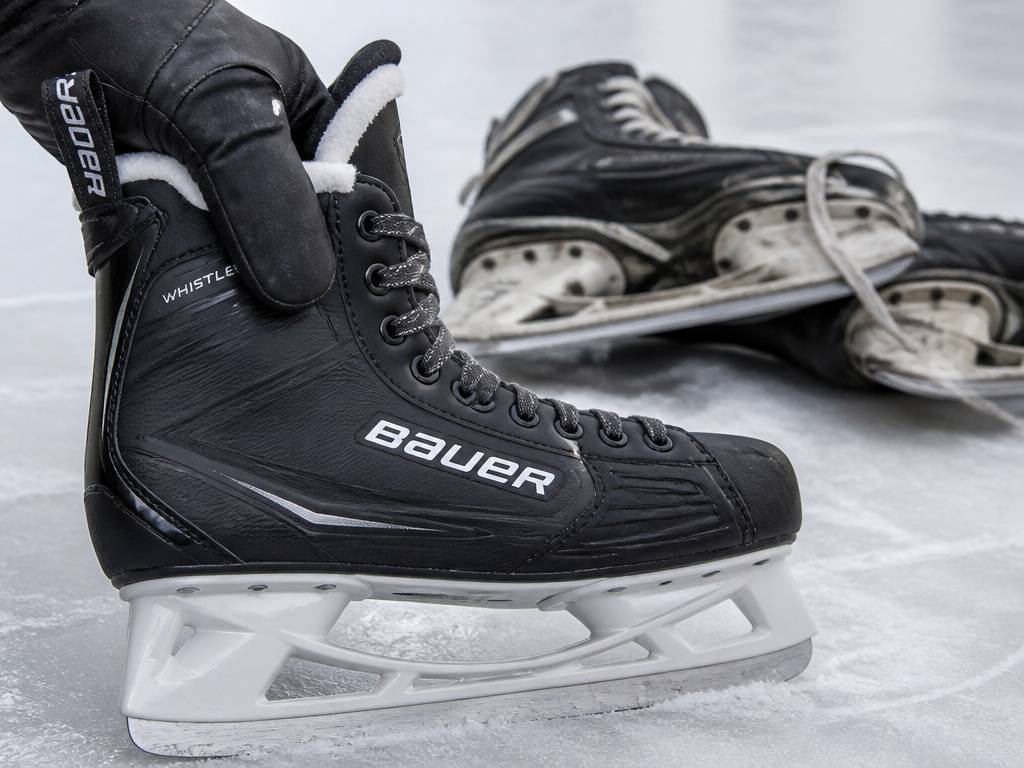
After sifting through the specs, the conflicts, and the complaints, a clear user profile emerges.
Get the Bauer Whistler if:
- You skate fewer than 10 times a year, primarily for casual fun.
- You prioritize warmth and comfort over performance and precision.
- You have a neutral or medium-volume foot that fits the molded shell comfortably on the first try.
- You want zero hassle, no baking, no break-in, skate straight from the box.
Avoid the Bauer Whistler if:
- You have half-size feet or are between sizes (the sizing gamble is real).
- You want to learn hockey stops, crossovers, or any advanced skating skills.
- You need a heat-moldable boot to accommodate wide feet, high arches, or other fit issues.
- You skate frequently enough that a 90-day boot warranty feels inadequate.
For the casual skater who fits the shell, they’re a warm, comfortable solution. For anyone else, the compromises are too significant. The money is often better spent on a used pair of proper hockey skates or a more adaptable entry-level model.
Master the basics before you chase the trick. In this case, the basic is understanding what your foot needs from a hard shell. Get that wrong, and no amount of sherpa lining will save your experience.
How does the Whistler compare to other Bauer recreational skates?
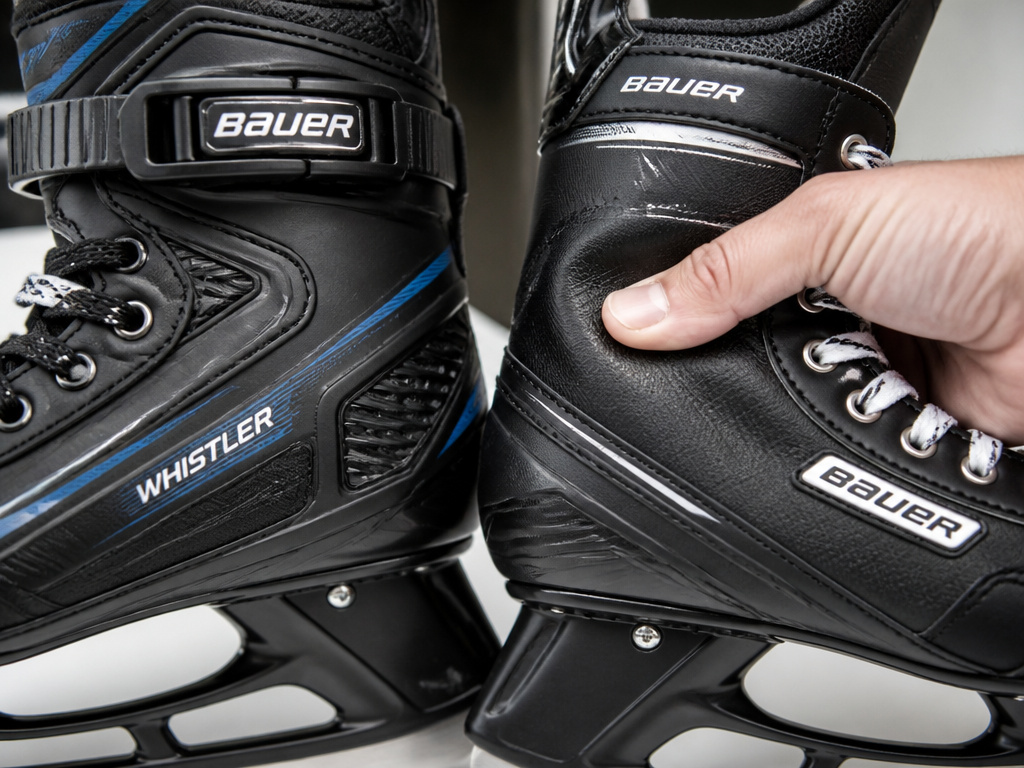
Direct comparisons to models like the Tremblant or Chamonix are tricky without specific specs, but the Whistler’s defining features give you a clear picture. Its boot is a non-heat-moldable, molded plastic shell, which means it won’t break in or conform to your foot over time like a softer boot might. The blade is profiled for easier balancing, a feature often highlighted for beginners. For practical guidance, when comparing recreational models, pay close attention to the boot material and whether it’s described as flexible or rigid, as this drastically affects fit and feel. Also, check if the blade is noted for a specific profile or if it uses a standard hockey-style runner, as this impacts stability versus maneuverability.
Frequently Asked Questions
Are Bauer Whistler skates good for beginners?
They are designed to be beginner-friendly due to their pre-sharpened blades, stable long profile, and comfortable liner. However, the non-flexible shell means fit is critical, if they don’t feel right immediately, they never will, which can be frustrating for a new skater who doesn’t know what “right” feels like.
Can you use Bauer Whistler skates for hockey?
No. They lack the ankle support, lateral stiffness, and agile blade profile needed for hockey. The long blade and cozy boot will hinder quick stops, turns, and power transfer. Look at Bauer’s X-series or Vapor line for beginner hockey options.
How should Bauer Whistler skates fit?
They should fit like a firm handshake around your foot with about a thumbnail’s space (roughly ¼ to ½ inch) at the toe. The heel should be snug, not lifting. Remember, the shell does not break in, so any pressure points or toe crunch on day one are permanent.
Do Bauer Whistler skates run true to size?
Owner experiences conflict with Bauer’s official advice. Many report they run true to shoe size or even large, contradicting Bauer’s “size down” guidance for women and “size up for half-sizes” rule. When in doubt, try them on or order from a retailer with free returns.
What is the warranty on Bauer Whistler skates?
According to Ice Warehouse specifications, the boot has a 90-day warranty. The runners (blades) and holders have a 1-year warranty. This is relatively short, especially for the boot, so inspect them thoroughly upon arrival.
Before You Go
The Whistler’s job is simple: keep a casual skater warm and upright a few times a winter. It does that, with caveats thicker than its sherpa lining.
The rigid shell is a deal-maker or breaker in the first five minutes. The long blade promotes stability at the cost of agility. And the rust reports are a reminder that convenience-focused gear sometimes skimps on the details.
If your try-on feels perfect and your ambitions are modest, they’ll serve you fine. But if that shell whispers any doubt, listen. The path to more enjoyable skating almost always points toward a proper, form-fitting skate, even a used one, not a warmer, stiffer boot. Your feet, and your progress, will thank you.
