Benefits of Riding a Hoverboard: A Full-Body Workout?
This post contains affiliate links. As an Amazon Associate, we earn from qualifying purchases.
The benefits of riding a hoverboard are real, measurable, and extend beyond just fun. Peer-reviewed research shows significant improvements in balance and coordination, it provides low-impact cardiovascular exercise, and it actively engages your core and legs. However, these benefits are entirely contingent on following strict safety protocols, most importantly, wearing a skateboard helmet, knee and elbow pads, and wrist guards, and using a UL 2272-certified model.
We should be honest about the discussion of hoverboards. They exploded in popularity, then got hammered by headlines about fires and fractures. That context isn’t just background noise; it’s the essential frame for any discussion of their benefits. You can’t talk about the pros without honestly squaring up with the cons and the very real risks.
What follows is a breakdown of what the data actually says, the gains in balance from controlled studies, the muscle groups you’re working, and how it stacks up as light exercise. We’ll also cover the essential safety rules that make a risky gadget a legitimate training tool. By the end, you’ll know exactly what a hoverboard can and cannot do for your fitness.
Key Takeaways
- A five-month study of young athletes found statistically significant improvements in static and dynamic balance tests for those who incorporated hoverboard training.
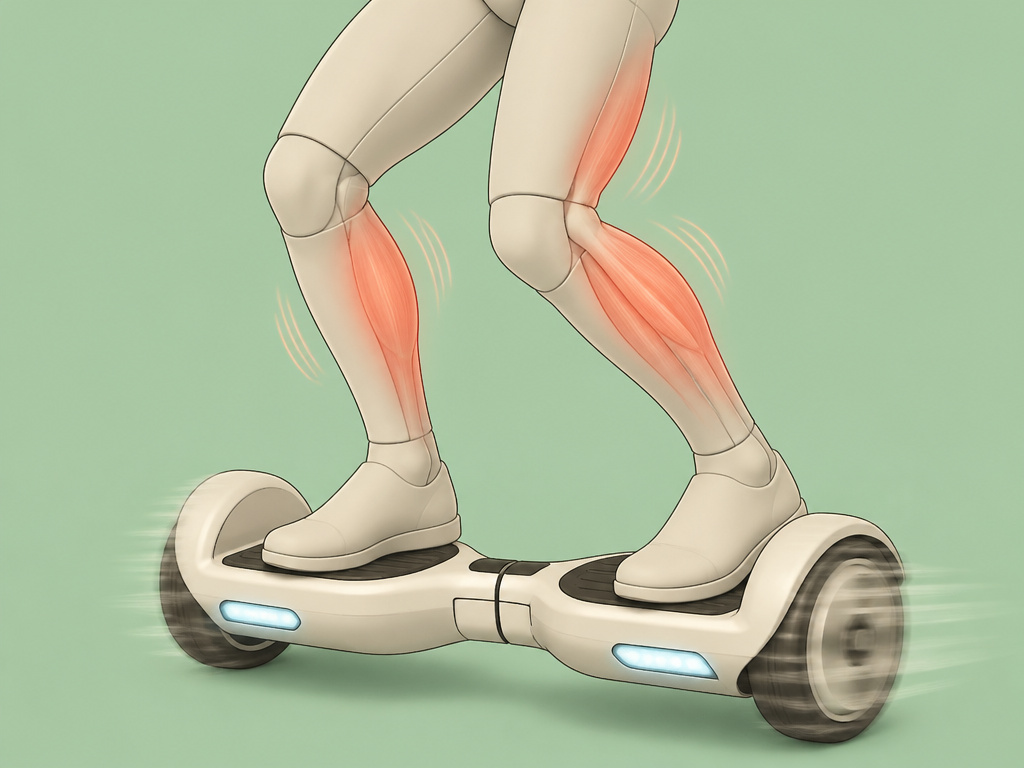
- Riding engages your core, glutes, quads, and calves continuously to maintain balance, providing a low-impact isometric workout.
- Safety gear is essential. A multi-center study of 89 orthopedic injuries found zero patients wearing protective gear at the time of their accident.
- UL 2272 certification is your baseline. The CPSC states that hoverboards purchased before January 29, 2016, are not compliant, and notes that even UL 2272 compliance cannot guarantee a hoverboard will not overheat or catch fire.
- To maximize fitness benefits, focus on controlled maneuvers and longer sessions on safe, smooth surfaces, not just point-A-to-point-B travel.
The 5 Core Physical Benefits (With Data)
Forget the vague claims. The real value of a hoverboard for your body, and the core of the benefits of riding a hoverboard, comes down to five specific, research-backed areas. This isn’t about replacing a gym session; it’s about adding consistent, functional movement to your day.
The rider must make constant micro-adjustments in posture and weight distribution to maintain equilibrium on the two independently moving platforms. This process engages the proprioceptive system, the body’s sense of its own position in space, and strengthens the neural pathways responsible for stability and coordinated movement.
1. Balance and Coordination: The Proven Foundation
This is the most documented of the benefits of riding a hoverboard. A study published in the NIH’s PubMed Central archive had two groups of young soccer athletes follow identical training for five months. One group added sessions on a specific hoverboard model (the Hoverboard 6.53 XDROID). After five months, the hoverboard group showed statistically significant improvements in one-leg tests, stork tests, and balance beam walking tests compared to the control group.
The mechanism is straightforward but profound. You’re not just standing there. Your ankles, knees, and hips are constantly making tiny corrections. Your core fires to keep your upper body stable over the moving base. This isn’t passive transportation; it’s active balance practice. For a beginner, simply learning to ride a hoverboard is a crash course in this skill.
2. Core Strength and Posture
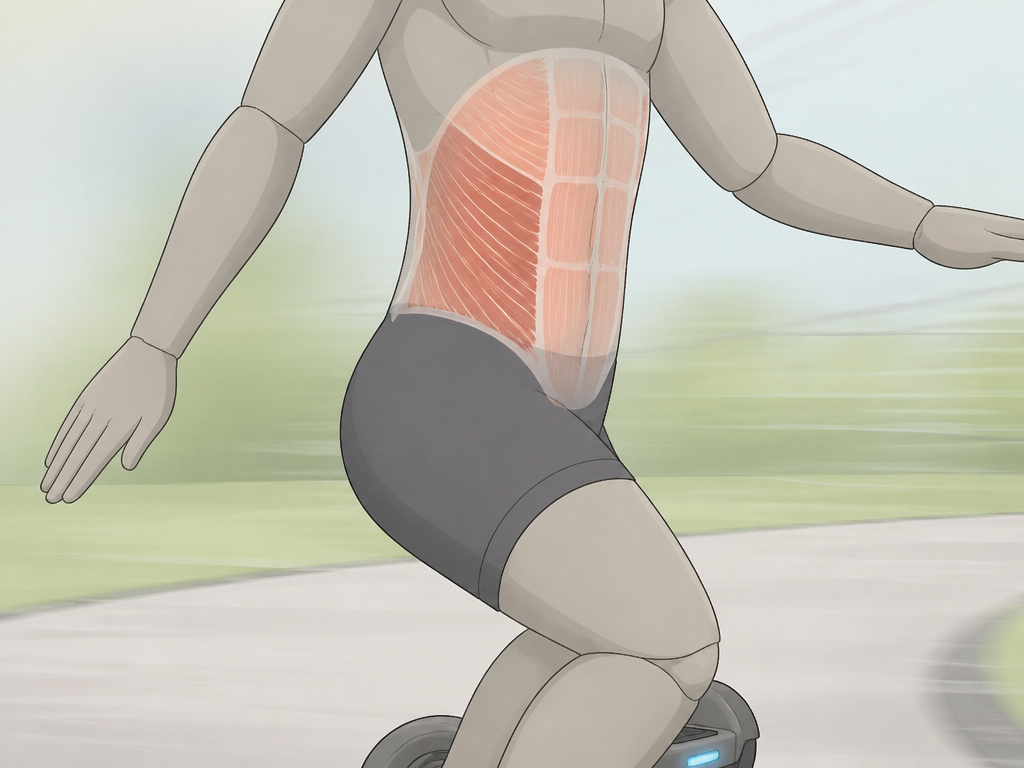
You’ll feel this in your abs and lower back within the first few minutes. To stay upright, your transverse abdominis and obliques are on permanent, low-grade duty. It’s an isometric hold, similar to the benefit you’d get from a balance board or a stability ball at a desk. The difference is you’re also navigating.
Slouching is a fast track to losing control. Good hoverboard balance forces a neutral spine and engaged core. It’s postural training disguised as play.
3. Leg Muscle Engagement
4. Cardiovascular Exercise (Light to Moderate)
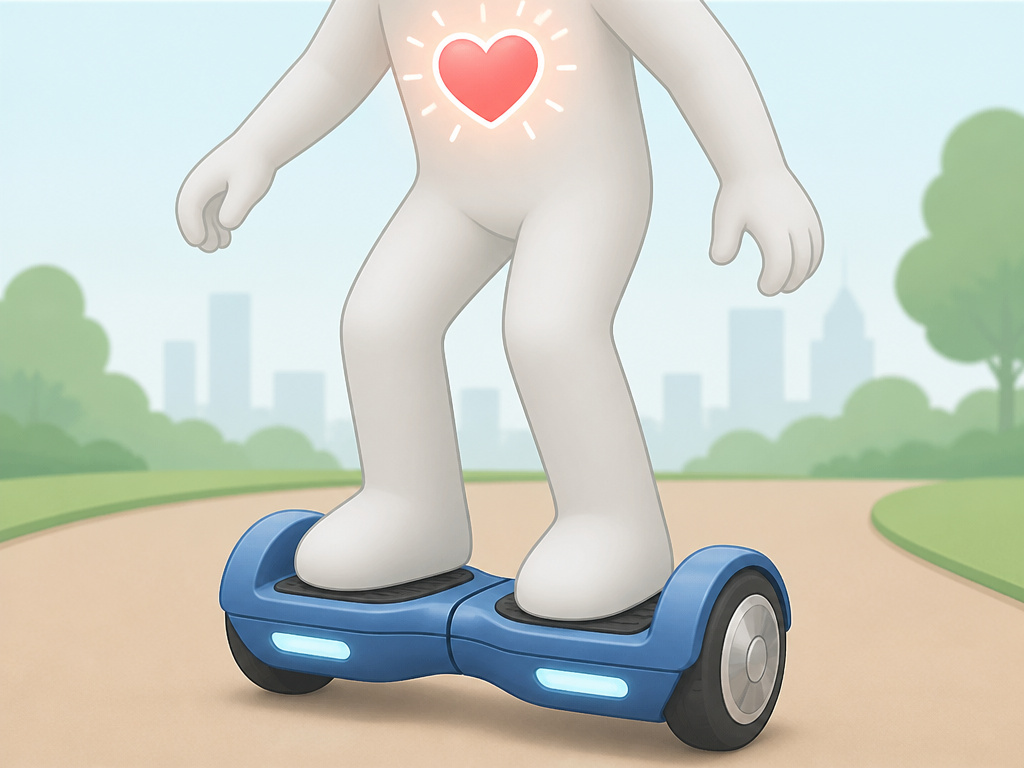
It won’t get your heart pounding like a sprint, but it’s not zero.
5. Focus and Reflexes
| Physical Benefit | How the Hoverboard Delivers It | Key Supporting Research |
|---|---|---|
| Balance & Coordination | Continuous micro-adjustments engage proprioceptive system & stabilizer muscles. | 5-month study showed significant improvement in balance tests (PMC7739259). |
Safety First: The Non-Negotiable Context
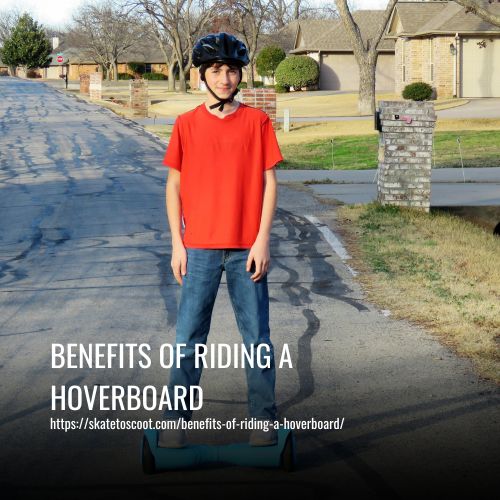
You cannot separate the benefits from the risks. Full stop. The fun and fitness advantages evaporate if you ignore the well-documented dangers. This isn’t scare talk; it’s the data from emergency rooms and fire departments.
In March 2017, a hoverboard-caused house fire killed two children in Pennsylvania. The agency’s stance is clear: these benefits only apply to a device used under strict safety conditions.
The UL 2272 Imperative
This is your first and most important filter. UL 2272 is the consensus-based American National Standard for the electrical systems of personal e-mobility devices. Look for the UL 2272 mark. The CPSC Hoverboard Safety Alert PDF states plainly that any hoverboard bought before January 29, 2016, is not compliant. Here’s the critical part many miss: even UL 2272 compliance cannot guarantee a hoverboard won’t overheat or catch fire. It’s the best available baseline, not a forcefield.
Common mistake: Assuming a “UL-compliant” battery or charger means the whole unit is safe. UL 2272 covers the entire system. A hoverboard built with certified components may not itself be certified. Ask the seller for documentation.
The Gear You Cannot Skip
If you take away one thing from this article, let it be this: gear up. A multi-center study analyzing 89 orthopedic hoverboard injuries found no patients wore protective gear at the time of their injury.
CPSC Chairman Elliot Kaye recommends wearing a skateboard helmet, knee and elbow pads, and wrist guards. Wrist guards are especially crucial, as falls naturally lead to outstretched hands. This isn’t optional decoration; it’s the difference between a scuffed pad and a broken wrist. Your safety tips checklist starts here.
Charging and Storage: Avoiding the Fire Hazard
The rules are simple but absolute:
- Only charge when you are present and awake. Never charge overnight or when you leave the house.
- Let the device cool for at least an hour after riding before plugging it in.
- Charge and store in an open, dry area away from anything flammable, couches, curtains, piles of laundry.
- If giving one as a gift, leave it in its partially charged state until ready to use.
Hoverboards vs. Other Activities: How Does It Stack Up?
Is it “real” exercise? We can compare it to common alternatives. This isn’t about declaring a winner, but about setting realistic expectations for the health benefits you can expect.
Maximizing the Workout (Beyond Just Riding)
If you want to extract more fitness value from your board, you have to move beyond simple transit. Here’s how.
Choose Challenging Terrain (Safely): Smooth pavement is best for learning, but once proficient, very slight inclines or perfectly smooth gravel paths can increase the workload for your legs and core. Always assess for safety first.
Pair It With Other Activities: Use your hoverboard as practical transport to a park where you do bodyweight exercises, or as a warm-up before a skate session. It’s an excellent movement prep tool.
Addressing the Myths and Misconceptions
“The benefits are just marketing.” “It’s a lazy toy.” You’ve heard these. We can address them with the facts we have.
Myth 1: “It’s Not Real Exercise.”
Reality: The peer-reviewed hoverboard motor skills analysis proves it improves measurable physical performance (balance). While it’s not high-intensity cardio, continuous balance engagement is a valid, low-impact form of training. Your heart rate does elevate, and muscles are continuously working.
Myth 2: “Only Kids Benefit.”
Reality: The study participants were children, but the principles of balance and proprioceptive training apply at any age. Adults, especially those looking to improve stability to prevent falls, can benefit significantly. The average age of hoverboard injury patients was 20.9 years, according to a National Electronic Injury Surveillance System review, showing a wide user base.
Myth 3: “They’re All Dangerous Fire Hazards Now.”
Reality: The early, pre-standard models were. The market today, dominated by UL 2272-certified models from reputable brands, is significantly safer when proper charging protocols are followed. The risk is managed, not eliminated. Doing your homework on best hoverboards with verified certifications is key.
Myth 4: “Safety Gear is for Beginners.”
Reality: The pediatric hoverboard injury multi-center analysis found injuries across all skill levels, and the severity had no correlation with experience in that dataset. A sudden crack, a wet leaf, or a distracted moment can take anyone down. Gear is for every ride.
Does riding a hoverboard give you a full-body workout?
Riding a hoverboard is a light exercise that engages your entire body. While it won’t replace intense cardio or strength training, it requires constant micro-adjustments for balance, which activates your core, leg, and stabilizer muscles. A controlled study had children use a hoverboard in training for five months and found they showed statistically significant improvement in balance tests. This indicates that regular, focused practice can enhance coordination and muscle control. To turn it into a consistent workout, focus on smooth, controlled movements rather than just transportation. Always pair this activity with proper safety gear, including a helmet and pads, to ensure the physical benefits aren’t offset by injury risk.
Frequently Asked Questions
Are the balance benefits proven?
Yes, specifically. A controlled study had young athletes use a hoverboard as part of training for five months. Compared to the control group, they showed statistically significant improvements in standardized balance tests like the one-leg stand and balance beam walk.
What age is appropriate for a hoverboard?
Sources disagree here, reflecting the tension between ability and risk. One study using hoverboards with scrupulous safety standards involved children aged 8-11 successfully. Sources disagree on age recommendations: one study (PMC8973941) suggests restricting use in children younger than 14, while another study (PMC7739259) successfully used hoverboards with children aged 8-11 under controlled conditions. The CPSC doesn’t set an age limit but emphatically recommends full protective gear. Maturity, supervision, and a safe environment are as important as a number.
Can a hoverboard help with weight loss?
It can contribute to a calorie deficit as part of an active lifestyle, similar to light cycling or walking. It is not a high-calorie-burn activity on its own. The greater benefit is in adding consistent, non-exercise activity thermogenesis (NEAT) to your day, replacing passive sitting with active balancing.
Is a hoverboard good for your core?
Absolutely. Maintaining an upright posture on an unstable, moving platform requires continuous isometric contraction of your core muscles, your abdominals, obliques, and lower back. You’ll feel it quickly if you’re not used to it.
How do I make sure my hoverboard is safe?
First, verify it is UL 2272 certified. Buy from a retailer, not a kiosk or secondhand seller without proof of UL 2272 compliance. Follow the critical charging rules: only when awake and present, after a one-hour cooldown, away from flammables. And never, ever skip the skateboard helmet, knee and elbow pads, and wrist guards.
Before You Go
The data shows a hoverboard can be more than a toy. It’s a tool that can sharpen your balance, engage your core, and add light, enjoyable activity to your day. But that tool is wrapped in a package that demands respect.
The rule is simple: the benefits are a privilege granted by strict safety discipline. You don’t get one without the other. The studies proving balance gains used models with rigorous safety standards. The injury statistics showing zero gear usage are the cautionary mirror image.
So if you’re going to ride, do it right. Buy a certified model, treat the battery with caution, and gear up every single time. That’s how you turn a headline risk into a personal reward. That’s how you actually reap the benefits.
