10 Best Ride Snowboard in 2026
This post contains affiliate links. As an Amazon Associate, we earn from qualifying purchases.
We selected the Lib Tech T.Rice Pro Snowboard as the best overall ride snowboard for its masterful blend of rocker float and camber control, delivering grip and versatility for all-mountain and freestyle riding. For a high-performance all-mountain choice, consider the Jones Mountain Twin Pro, while the CAPiTA Mercury stands out as a lightweight freeride option.
Choosing the wrong board for your primary terrain can lead to a frustrating day, making grip, shape, and flex critical. Our research into specifications, manufacturer data, expert round-ups, and owner feedback patterns led us to these ten picks, each suited to a distinct riding style.
Top 10 Ride Snowboards in the Market
Certain content that appears on this site comes from Amazon. This content is provided "as is" and is subject to change or removal at any time.
The Best Ride Snowboards, Reviewed
Lib Tech T.Rice Pro Snowboard

What We Like
- C2 profile blends rocker float with camber control
- Magne-Traction edges deliver exceptional grip on ice
- Lightweight HP core offers a lively, responsive feel
- Sintered base provides fast, durable glide
Trade-offs
- Twin shape lacks a dedicated powder-specific directional outline
The Lib Tech T.Rice Pro’s C2 Rocker/Camber profile is the key to its versatility, giving you the easy turn initiation of rocker where your feet are while locking in the power and pop of camber at the contact points. This makes it a premium all-mountain tool equally comfortable launching off a side hit as carving an icy groomer. Its Horsepower core and Magne-Traction edges translate directly to a board that feels energetic underfoot and tenaciously grips hardpack, suiting riders who demand one board for everything from park laps to alpine charging.
Designed by Travis Rice and globally tested for versatile performance, the Lib Tech T.Rice Pro Snowboard uses a C2 Rocker/Camber profile. This combines rocker between the feet for easy turn initiation and float with camber zones for precise control and pop. Its Horsepower Construction core with fiberglass and basalt reinforcement creates a lightweight, strong, and responsive feel for a lively ride.
Product photos
Jones Mountain Twin Pro Snowboard
What We Like
- Premium Boost Core and Basalt Pro layup for responsive energy transfer
- Directional twin flex pattern provides stable landings in variable snow
- CamRock profile for precision shape
Trade-offs
- Stiff 8/10 flex demands strong leg strength and precise inputs
- Premium construction targets expert and strong intermediate riders only
- No explicit mention of weight, a potential factor for backcountry hiking
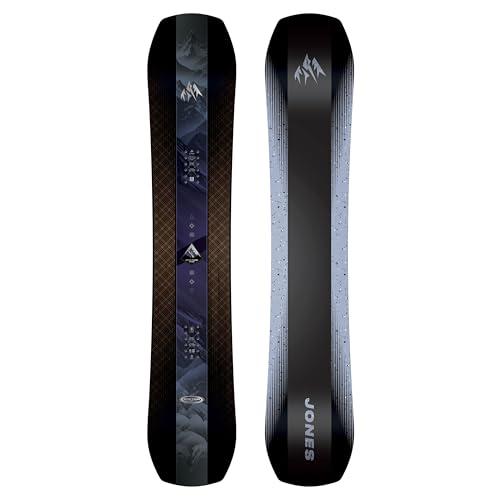
With its stiff 8/10 flex and premium Boost Core construction, the Jones Mountain Twin Pro is built for riders who demand precise, powerful energy transfer from their board. This makes it a tool for aggressive all-mountain charging, where its directional twin shape and CamRock profile deliver confident edge control whether carving hardpack or navigating powder. It suits the rider looking for a single quiver-killer that can handle resort charging, park sessions, and backcountry excursions with a high-performance, responsive feel.
The trade-off is its demanding nature; that same stiff, responsive flex requires a committed and technically proficient rider to unlock its potential. It’s not a board for casual cruising or skill development. For a rider seeking a slightly more forgiving yet still high-performance all-mountain experience, the Burton Process, with its PurePop camber and twin shape, offers a more playful alternative. The Mountain Twin Pro is for those who want their equipment to match an aggressive, terrain-dominating mindset.
CAPiTA Mercury Snowboard

What We Like
- Hybrid camber for versatile edge hold and pop
- Directional shape with setback for powder float
- Lightweight 6.0 lb build for quick maneuvers
Trade-offs
- Directional shape is less suited for switch riding
- Weighs more than the Lib Tech T.Rice Pro
- 0.5" setback limits true twin versatility
The CAPiTA Mercury weighs 6.0 pounds, which can reduce leg fatigue during long resort days. Its directional shape includes a 0.5-inch setback, a feature that helps the nose float in deeper snow. The hybrid camber profile combines the pop of camber with the forgiveness of rocker, offering a balance suitable for varied terrain.
The trade-off for that all-mountain versatility is in its dedicated freeride design. It’s not the board for someone who spends half their day riding switch or hitting the park. Compared to a true twin like the Burton Process, the Mercury’s directional stance and setback will feel less balanced for fakie tricks. But if your priority is charging the whole mountain with a lightweight, responsive deck, this board delivers.
Product photos
Burton Process Snowboard

What We Like
- Symmetrical twin shape for balanced switch riding.
- PurePop camber with flat zones for amplified pop.
- Sintered base for durability and wax absorption.
- The Channel mount for precise stance adjustment.
Trade-offs
- At 6.2 pounds, it is heavier than the Lib Tech T.Rice Pro.
A symmetrical twin shape and PurePop camber profile make this board a natural choice for riders who spend equal time riding forward and switch. The balanced flex and subtle flat zones in the camber deliver a snappy, playful feel that encourages presses and ollies all over the mountain. It suits the rider who views the entire resort as a terrain park, prioritizing freestyle expression over aggressive, directional carving.
The Burton Process is a playful all-mountain freestyle board, but its 6.2-pound weight gives it more swing mass than some dedicated park models like the 5.0-pound Lib Tech T.Rice Pro. That extra substance helps it feel stable at speed across the whole mountain, from groomers to side hits, while the symmetrical twin shape and flex make switch riding just as intuitive. This reliable platform is supported by a three-year warranty from the date of purchase.
Nidecker Escape Plus Snowboard

What We Like
- Full camber profile for strong edge hold.
- Carbon reinforcement provides snappy edge response.
- Directional shape is optimized for freeride and powder.
Trade-offs
- The 6/10 flex is too stiff for casual, low-speed riding.
- Directional shape is less versatile for switch riding.
The Escape Plus leverages a full camber profile to spring-load the board from tip to tail, which keeps the entire edge locked to the snow for aggressive, high-speed carving. This design, combined with Pop Carbon reinforcement on both sides of the core, creates a stiff, responsive platform that delivers tons of pop and a smooth, damp ride. It’s built for riders who prioritize power and precision over playfulness, making it a strong choice for advanced all-mountain and freeride charging.
The Nidecker Escape Plus weighs 9.0 pounds, a heft that demands a powerful, driving style from the rider. Its directional shape and full camber profile are designed for freeride and powder use, prioritizing edge contact and response for aggressive riding. This construction, combined with its Pop Carbon reinforcement, focuses on snappy edge response and a smooth ride at high speeds rather than freestyle versatility.
YesSnowboard Y.26.SNU.JRB.XX.133.1 Ride Snowboard
What We Like
- FlatRock profile for forgiving control
- Soft flex for easy turn initiation
- True twin shape for switch riding
- Biax fiberglass for smooth torsional flex
Trade-offs
- Soft 4/10 flex limits high-speed stability
- Forgiving profile trades off precision for advanced carving
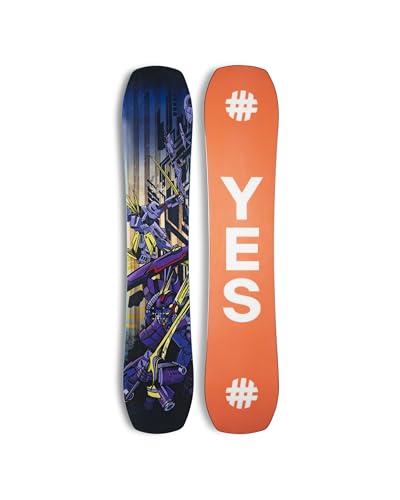
A soft 4/10 flex rating makes the board easy to bend into turns, which helps newer riders build confidence. The FlatRock profile reduces the chance of catching an edge during tentative maneuvers. Combined with a true twin shape, this creates a predictable platform that performs identically riding regular or switch.
The soft flex and forgiving profile will not provide the damp, locked-in stability an expert craves for charging hardpack at speed. The Burton Process snowboard uses a PurePop camber profile, while the Yes First Basic uses a FlatRock profile. This board is a focused tool for skill development.
Nitro Prime Raw Snowboard
What We Like
- Factory-tuned with biodegradable natural wax
- Versatile directional twin shape for switch riding
- Lightweight poplar Power Core for balanced flex
- Bi-Lite laminates for a powerful, refined feel
Trade-offs
- Extruded base requires more frequent waxing than sintered
- Moderate 5/10 flex limits high-speed stability for experts
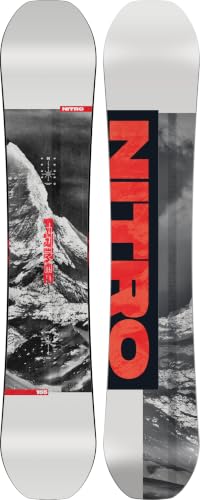
A 5/10 flex rating gives this board a forgiving, medium-soft feel that’s perfect for learning and linking turns without feeling punishing. The directional twin shape, with its slightly longer nose, provides a versatile platform that excels when ridden regular but remains capable when you’re riding switch. It’s built with a focus on sustainable materials, including a factory application of a fully biodegradable wax made from renewable resources. This combination makes it a strong candidate for the rider who wants a responsible, do-everything board to progress their all-mountain skills.
The extruded base is durable and easy to maintain. However, it won’t hold factory wax or glide at high speeds as long as the sintered bases found on premium boards. That’s the trade-off for its accessible performance and eco-conscious build. While its Bi-Lite laminates and poplar core provide a solid, responsive feel, the board’s weight and moderate flex have limits. It won’t charge as hard or feel as nimble in tight trees as a stiffer, lighter freeride specialist. Think of it as a reliable, earth-friendly workhorse rather than a high-strung racehorse.
Lib Tech Skate Banana Snowboard
What We Like
- Revolutionary Banana Technology for easy turning
- Sintered base for durable, fast performance
- Twin shape facilitates switch riding and freestyle
Trade-offs
- Weighs 6.3 pounds
- Width of 11.8 inches
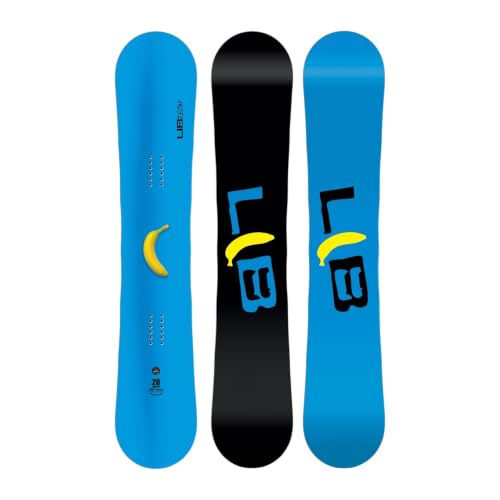
The Lib Tech Skate Banana’s 5/10 flex and Banana Technology create a supremely easy-riding snowboard that forgives mistakes and encourages playful experimentation. This makes it an excellent choice for a beginner or intermediate rider looking to turn the entire mountain into a freestyle playground, focusing on learning presses, butters, and park fundamentals without a punishing learning curve.
The Skate Banana’s 5/10 flex and Banana Technology make it supremely easy riding, which turns the entire mountain into a freestyle playground for beginner and intermediate riders. Its sintered base provides durable glide. Among comparable boards, the Burton Process also offers a playful all-mountain freestyle design.
Product photos
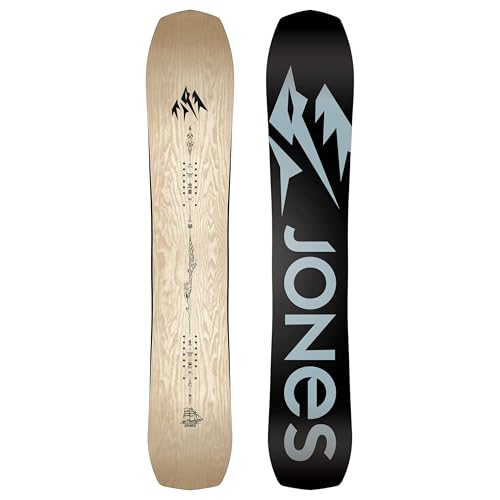
Jones Flagship Snowboard
What We Like
- Stiff 8/10 flex provides stable, powerful edge control.
- Directional camber/rocker profile aids precision.
Trade-offs
- Directional shape is less versatile for switch riding than a twin.
- Weighs eight pounds, which demands more rider effort.
This combination delivers precise turn initiation and unshakable stability, especially when landing big lines or carving through variable snow. It’s the right pick for an expert rider who prioritizes power and control over everything else, wanting a board that matches their aggressive input.
That focus on power comes with trade-offs. At eight pounds, it is a physically demanding board. The directional design and advanced construction are intended for all-mountain, powder, and backcountry riding, as reflected in the brand’s heritage.
Never Summer Valhalla Snowboard

What We Like
- Stiff flex for high-speed stability.
- Triple Camber Hybrid profile for powerful edge hold.
- Directional shape excels in powder and backcountry.
- Full carbon web layup provides aggressive response.
Trade-offs
- Stiff flex requires advanced leg strength and skill.
- Directional shape limits switch riding versatility.
- Durasurf sintered base requires regular wax maintenance.
Never Summer’s Valhalla snowboard is built with a stiff flex, which typically translates to a stable platform for riders who prefer aggressive, high-speed lines. Its directional shape and Triple Camber Hybrid profile are listed features, a combination often associated with control in challenging terrain. The board’s construction includes a SuperLight Wood Core and a Durasurf XT Sintered 5501 Base.
A stiff flex and directional design generally cater to focused, forward-oriented riding rather than playful, switch-oriented freestyle. For a different intent, the Burton Process is described as a twin shape for playful all-mountain freestyle. Another model in this category is listed for expert and intermediate riders with an 8/10 flex, which also indicates a stiffer board.
How We Evaluated Ride Snowboards
Our evaluation was research-based, drawing from manufacturer specifications, documented design features, expert round-up consensus, and patterns in owner feedback. We prioritized three key criteria. First is the board’s profile, like camber, rocker, or hybrid, for its impact on edge hold and float. Second is its shape, such as twin or directional, for versatility or terrain specialization. Third is its flex rating, which indicates the level of rider input and energy return required.
We also considered construction details like core materials and base type for durability and speed. The honest limit of this research-led approach is that we cannot replicate the feel of a board underfoot or provide hands-on performance data across all snow conditions. Our goal was to match each board’s documented strengths to the rider profiles they are designed to serve, as seen in our review of the Ride Agenda and analysis of other top-rated snowboards.
What To Look For In Ride Snowboards
Your perfect snowboard is a tool matched to your most frequent terrain and skill level. Understanding a few key specifications will guide you past marketing claims to a board that performs as expected.
Focus on the profile for edge hold versus float, the shape for switch riding versus powder performance, and the flex rating for responsiveness versus forgiveness.
Profile
The board’s profile, the curve of its base from nose to tail, determines how it interacts with the snow. Traditional camber delivers powerful edge hold and pop, ideal for carving and park jumps. Rocker profiles are forgiving and easy to turn, excelling in powder. Most modern boards use a hybrid profile, like the C2 camber on our best overall pick, which blends elements for a versatile feel. This is a primary differentiator between a freestyle snowboard and a dedicated powder board.
Shape
A board’s outline dictates its riding stance. True twin shapes are symmetrical for balanced switch (backwards) riding, making them park favorites. Directional shapes have a longer nose for better float in powder and are meant to be ridden with the nose forward. Directional twin shapes offer a compromise, with a slightly set-back stance for all-mountain versatility without fully sacrificing switch capability. If you spend equal time riding regular and switch, a true twin board is essential.
Flex
A flex rating, often on a scale, indicates how stiff a board is. Softer flex is forgiving and easy to press, ideal for beginners and park jibbing. Medium flex offers a balance of responsiveness and playfulness for all-mountain riding. Stiff flex provides high-speed stability and powerful edge control for experts charging hardpack and variable snow. Your leg strength and aggression should match the flex; a board that is too stiff will feel unresponsive, while one that is too soft will feel unstable at speed.
- Check if the board’s intended use (park, all-mountain, freeride) aligns with your primary goals.
- Match the flex rating to your confidence and physical input level; don’t overestimate.
- Consider a sintered base for durability and speed, though it requires more maintenance than an extruded base.
The right board feels like an extension of your intent, not a fight against its design.
Ride Snowboards Compared
The following table compares key specifications across our picks to highlight their differences at a glance.
| Product | Shape | Profile | Core Construction | Base Material | Weight |
|---|---|---|---|---|---|
| Lib Tech T.Rice Pro Snowboard | Freestyle / all-mountain twin | C2 Rocker/Camber | Horsepower core, fiberglass, basalt | sintered | 5.0 Pounds |
| Jones Mountain Twin Pro Snowboard | Directional twin | CamRock | Boost Core. Koroyd. Basalt Pro Layup | Medium 3D Contour Base | N/A |
| CAPiTA Mercury Snowboard | Directional, 0.5" Setback | Hybrid Camber | N/A | N/A | 6.0 Pounds |
| Burton Process Snowboard | Twin shape | PurePop camber | Super Fly II 700G Core | Sintered Base | 6.2 pounds |
| Nidecker Escape Plus Snowboard | Directional | Full camber | Master Core (poplar and paulownia) | Extruded | 9.0 Pounds |
| YesSnowboard Y.26.SNU.JRB.XX.133.1 Ride Snowboard | True twin | FlatRock | Full poplar wood | N/A | 1.0 Pounds |
| Nitro Prime Raw Snowboard | Directional Twin | Camber | Power Core (poplar wood) | Extruded | 6.6 Pounds |
| Lib Tech Skate Banana Snowboard | All Mountain Twin | Banana Technology | N/A | Sintered | 6.3 pounds |
| Jones Flagship Snowboard | Directional | Directional Camber / Rocker | Power Core, Triax Fiberglass, Bcomp Carbon Flax | High 3D Contour Base | 8.0 Pounds |
| Never Summer Valhalla Snowboard | Directional | Triple Camber Hybrid | SuperLight Wood Core | Durasurf XT Sintered 5501 | 1.0 Pounds |
Frequently Asked Questions
What are the best RIDE snowboards?
While RIDE Snowboards makes popular models like the Warpig and Twinpig, our research found top-performing boards from several brands. The best board depends entirely on your riding style. Our best overall pick, the Lib Tech T.Rice Pro, is an excellent versatile choice. Riders interested in RIDE’s specific models can explore our reviews of the Ride Kink for freestyle or the Ride Zero for park riding.
Should I ride goofy or regular snowboard?
Your stance (regular: left foot forward, goofy: right foot forward) is a natural preference, not a choice. A simple test is to slide on a slick floor in socks; the foot you instinctively put forward is likely your front foot. Most boards are designed to work equally well for either stance, so knowing yours is only important for setting up your bindings correctly.
Who is Ride Snowboards owned by?
RIDE Snowboards is owned by the Collective Brands group, which also includes other snowsports brands. This ownership provides manufacturing and distribution scale, but the RIDE brand maintains its own design team and model lineup, focusing on innovative shapes and technologies for various riding styles.
What type of snowboard is best for all mountain?
An all-mountain snowboard is a versatile tool designed to handle groomed runs, some powder, and park features reasonably well. Look for a medium flex, a hybrid camber profile for a balance of grip and ease, and either a true twin or directional twin shape. Boards like the Burton Process exemplify this balanced approach.
What is a good snowboard for a beginner?
A good beginner snowboard prioritizes forgiveness and easy turn initiation. Look for a soft to medium-soft flex (2-4), a flat or rocker-dominant profile to reduce catching edges, and a true twin shape to help learn switch riding basics. Our Best Beginner Board pick, the YesSnowboard Y.26.SNU.JRB.XX.133.1, is built specifically with these traits in mind.
The Bottom Line
The Lib Tech T.Rice Pro Snowboard earns our best overall recommendation for its exceptional hybrid profile that provides reliable edge hold on hardpack without sacrificing float in softer snow, making it a true all-mountain twin. If you’re on a budget or just starting out, look to the YesSnowboard Y.26.SNU.JRB.XX.133.1 for its forgiving design, while experts seeking raw power for carving should consider the Nidecker Escape Plus. Ultimately, matching your board’s flex and shape to your most common terrain is the single most important step to a better ride.
