Ride Agenda Snowboard Review: Key Takeaways and Specs
This post contains affiliate links. As an Amazon Associate, we earn from qualifying purchases.
The Ride Agenda is a true twin, hybrid-camber snowboard built for beginners and intermediates progressing in freestyle and all-mountain riding. It features a forgiving medium-soft flex, an extruded base for low maintenance, and RIDE’s durable Slimewalls sidewalls. For riders moving past rentals and looking for a stable, playful board to learn on, the Agenda hits a sweet spot of performance and value.
That description covers the marketing bullet points. The real question is what happens when you take it off the rack and onto the hill. The specs tell one story, but the feel under your boots tells another, especially when reviewers and the manufacturer don’t always agree on the details. This is why a detailed Ride Agenda snowboard review is so valuable.
What follows is a breakdown of the Agenda’s hard numbers, a look at where the ride reports diverge, and a clear picture of who will get the most out of this board and who should look elsewhere. We’ll also cover what that 3-year warranty actually protects and how to set it up to play to its strengths.
Key Takeaways
- The Agenda’s medium-soft flex (rated 3/10) makes it forgiving for beginners.
- RIDE calls the profile “Standard Camber,” but reviewers describe it as mellow camber between the feet with rockered tips, leading to easy turn initiation without being catchy.
- It comes with a 3-year warranty for the original purchaser, but it explicitly does not cover impact damage from rails, rocks, or improper binding mounting.
- Pair it with soft-to-medium flex bindings like the Ride C-4 or Union STR to match its playful character; stiff bindings will overpower the board.
- The extruded base is slower but more durable than sintered options; wax it regularly to maintain speed and prevent drying out.
What Are the Ride Agenda’s Exact Specs?
Forget generic size charts. The 2026 Ride Agenda’s specs are precise. The 155cm model serves as our example, the size that fits a rider between 125 and 205 pounds.
The numbers from RIDE’s product page are unambiguous. The effective edge is 1216mm. The waist width sits at 252mm. The sidecut radii are 9.4m at the entry, 7.9m at the focus, and 9.4m at the exit. The tip and tail width are both 296mm, and the reference stance is 559mm (22 inches).
Technical Snapshot: The Ride Agenda 155cm features a 252mm waist width, a 1216mm effective edge, and a triple-radial sidecut (9.4m/7.9m/9.4m). Its construction includes an Aspen wood Foundation Core and Slimewalls urethane sidewalls, with a true twin shape and centered stance.
If your boot size is US 11.5 or larger, you should look at the Agenda Wide version. RIDE specifically recommends wide models for that boot size threshold to prevent toe and heel drag. Getting the width wrong is a common beginner mistake that kills confidence on carves.
The board’s build uses RIDE’s Foundation Core with Aspen wood for a balanced feel. The standout feature is the Slimewalls sidewalls. According to evo’s product description, these are made from a forgiving, ductile urethane that absorbs impacts rather than resisting them, marketed as “virtually indestructible.” In practice, that means the sidewalls are less likely to crack from a hard impact compared to traditional ABS.
The base is extruded, not sintered. This is a deliberate choice for a beginner board. Extruded bases require less frequent waxing than sintered bases. For a look at other boards that blend beginner-friendly features with different riding styles, check out our guide to the best snowboards for parks and mountains.
| Specification | 155cm Ride Agenda | Why It Matters |
|---|---|---|
| Waist Width | 252 mm | Determines boot fit; too narrow causes drag. |
| Effective Edge | 1216 mm | Longer edge = more stability at speed; shorter = quicker pivots. |
| Sidecut Radius | 9.4m / 7.9m / 9.4m | A variable radius helps the board initiate and exit turns smoothly. |
| Core | Aspen Wood (Foundation Core) | Provides a consistent, poppy flex without being too stiff. |
| Sidewalls | Slimewalls Urethane | Designed for impact absorption and durability against rails and rocks. |
Camber Profile: What’s in a Name?
Here’s the first point where sources don’t fully align. RIDE’s 2026 product page labels the Agenda’s profile “Standard Camber.” They define this as camber between the feet with rocker in the tip and tail.
Independent reviewers use different language. The Good Ride calls it “mellow camber between the feet going to a good bit of mellow rocker.” SnowboardingProfiles.com summarizes it as “flat to rocker.”
Where this goes sideways: Assuming “Standard Camber” means aggressive, high-arching camber. On the Agenda, the camber section is subtle. This is why one reviewer can say it provides “snap” (RIDE) and another can say “the pop… Isn’t super snappy” (The Good Ride). They’re describing the same mild characteristic with different expectations.
The physical reality is likely a hybrid profile with a very gentle camber hump. This design aims for the best of both worlds: the predictable edge hold and pop of camber underfoot, with the forgiveness and ease of initiation that rockered tips provide. It’s a profile that wants to keep you from catching an edge while still letting you load the board for a press or a small ollie.
If you prefer a board with even less camber for a super loose, surfy feel, you might look at RIDE’s other offerings, like the Ride Zero lineup.
How Does It Ride? The Good Ride’s Take
Manufacturer specs are one thing. How a board performs on snow, documented by testers who ride it back-to-back with other models, is where you get the real story, as detailed in a Ride Agenda snowboard review.
They confirm the Agenda is a true twin with a centered stance that rides switch exceptionally well. The board is very easy to butter, thanks to its soft flex and profile. Turn initiation is quick, but it doesn’t lock into an ultra-tight radius, it’s more about smooth, predictable arcs than quick slashes.
For grip, they note it’s “not super grippy in hard to icy snow but still competent.” You won’t get the razor-sharp edge hold of a stiff, camber-dominant board, but it won’t wash out on you on a firm groomer either. It’s a fair trade for the forgiveness.
On stability, they say it’s “more than competent on a moderate straightline.” This is key.
The part nobody mentions: The soft flex and extruded base have a speed ceiling.
Perhaps the most useful insight from a Ride Agenda snowboard review is on rider level. RIDE markets the Agenda for “Beginner, Intermediate,” while The Good Ride states it suits “Beginner – Expert.” The distinction is about use case. For experts focused purely on park progression, a dedicated tool like the Ride Kink might be a better match.
Who Is the Ride Agenda Really For?
This is the decision point. The Agenda isn’t for everyone, and being honest about that saves you money and frustration.
Choose the Ride Agenda if:
- You’re a first-time buyer moving on from rental gear.
- You’re an intermediate focused on learning park fundamentals, butters, 180s, small jumps, boxes.
- You want a board with a durable extruded base and Slimewalls sidewalls.
- You ride switch often and want a true twin that performs equally both ways.
- Your budget is in the $300-$400 range for a new board.
- Your primary goal is deep powder performance; this is a true twin with limited nose float.
- You need a high-speed, low-friction base for racing or long traverses.
- You want explosive, aggressive pop for huge park jumps.
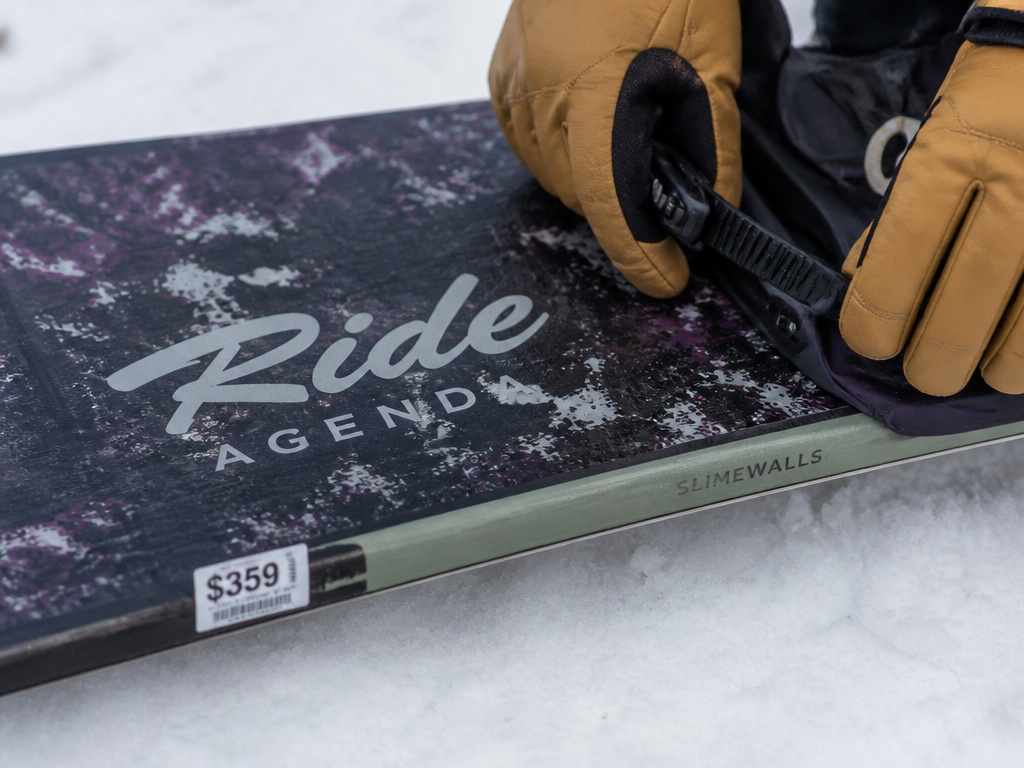
For the rider it’s designed for, the Agenda represents strong value. SnowboardingProfiles.com notes its $359 USD price falls right in the ideal $299 to $399 range for a new beginner’s board. It includes Slimewalls sidewalls and an Aspen wood Foundation Core.
The 3-Year Warranty: What’s Covered and What’s Not
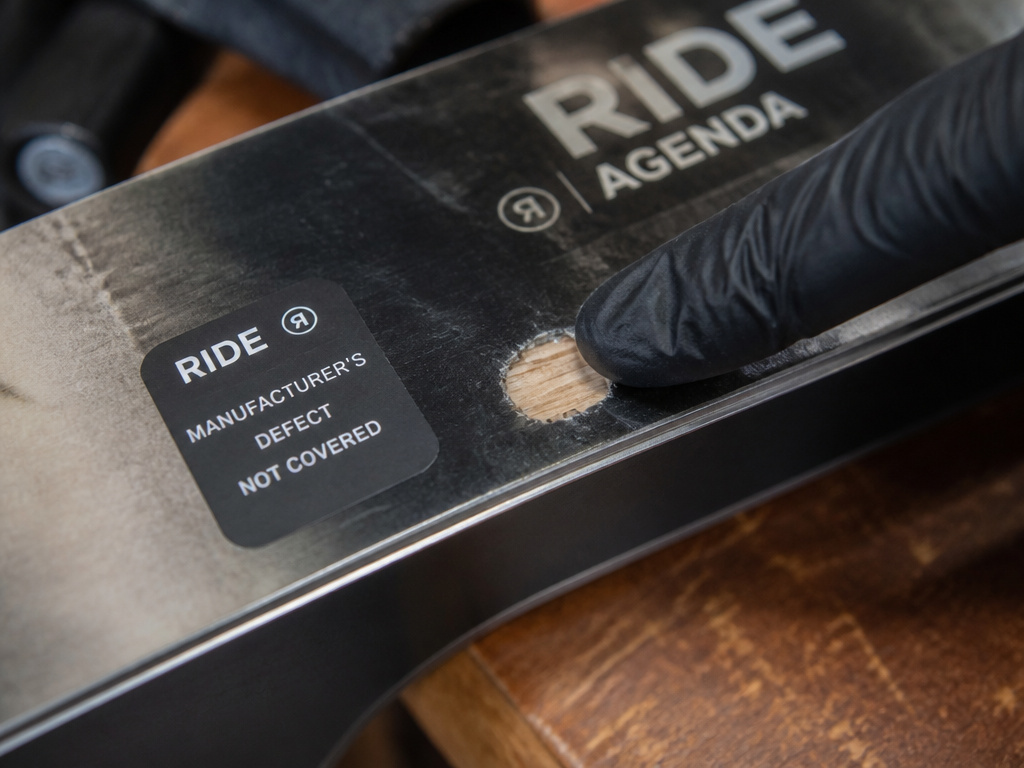
A warranty is a promise of durability, but it’s a conditional promise. RIDE offers a 3-year warranty on snowboards from the original date of purchase for defects in materials or workmanship. You must be the original purchaser and have proof of purchase. Buying from an unauthorized dealer voids the warranty immediately.
The covered items are specific: structural cracks or delamination of the top sheet, base, core, edge, or sidewalls due to a manufacturing defect. Stripped or spinning inserts are also covered, unless the damage was caused by improper mounting.
Before you start: The warranty explicitly does not cover damage from rocks, handrails, or other obstacles. It also excludes damage from abuse or neglect and cosmetic damage from normal use. Improper binding mounting voids coverage. This isn’t scare talk; it’s the standard fine print that means a slammed rail or a core shot from a rock is your repair bill, not RIDE’s.
For bindings, RIDE’s policy (as outlined in an older tech manual) includes a limited lifetime warranty on the baseplate and heelcup against bending or breaking, plus a one-year service replacement program for other defects. Always register your gear and keep your receipt.
Setting Up Your Agenda for Success
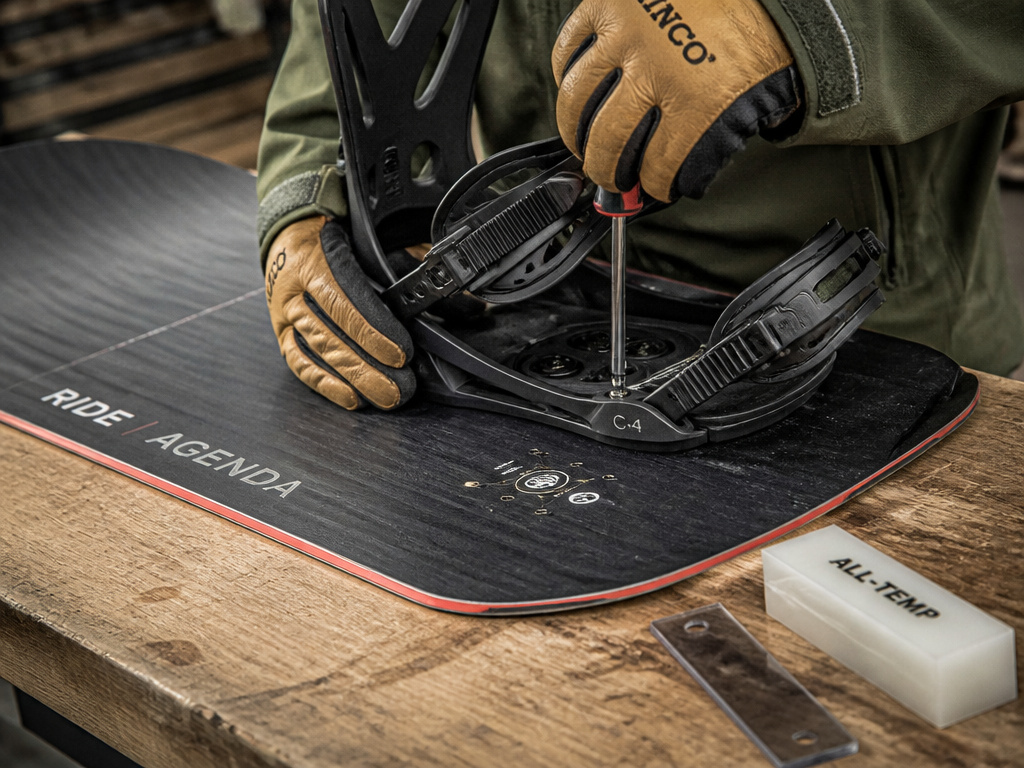
A board is only as good as its setup. The Agenda’s soft flex dictates your binding choice.
Bindings: Match its playful nature. A soft-to-medium flex binding like the Ride C-4 or Union STR will complement the board, letting it flex and rebound naturally. Avoid stiff, aggressive bindings; they’ll overpower the soft deck and make it feel dead. The goal is a cohesive, surfy feel.
Stance: Start with the recommended centered stance. The true twin shape is designed for it. As you progress, you can adjust slightly forward or back for personal preference, but the board won’t punish you for keeping it centered.
Maintenance: The extruded base is forgiving. Wax it every 3-4 full days of riding to keep it from drying out and becoming slow. You don’t need expensive, high-fluoro waxes. A basic all-temperature wax will do.
How Does It Compare to Other Beginner Boards?
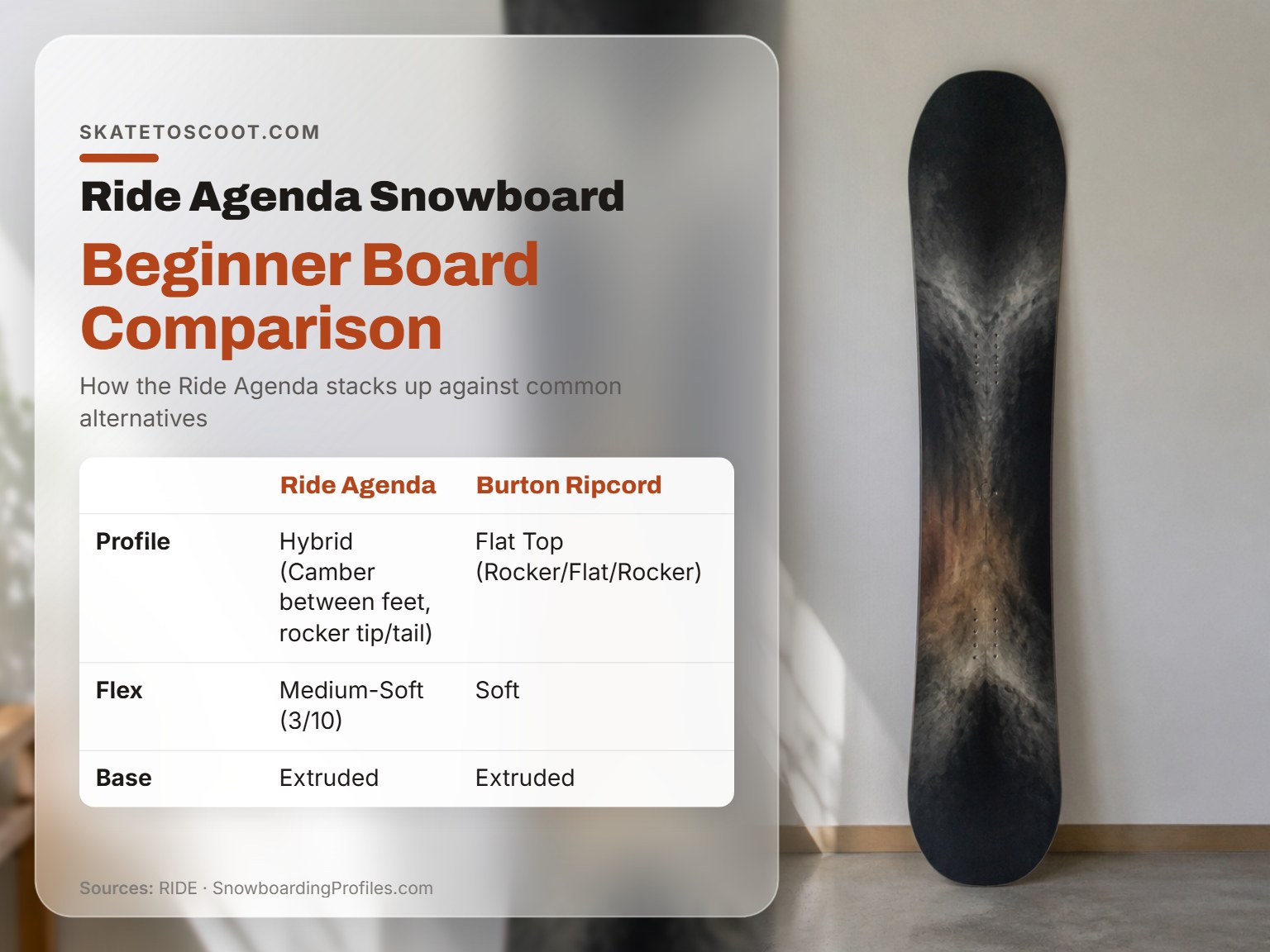
The beginner board market is crowded. How does the Agenda stack up against two common alternatives?
| Board | Ride Agenda | Burton Ripcord | Salomon Sight |
|---|---|---|---|
| Profile | Hybrid (Mellow Camber/Rocker) | Flat Top (Rocker/Flat/Rocker) | Pure Hybrid Camber |
| Flex | Medium-Soft (3/10) | Soft | Medium-Soft |
| Base | Extruded | Extruded | Sintered |
| Best For | Park progression, all-mountain play | First-day beginners, mellow cruising | All-mountain beginners wanting more grip |
| Consideration | More versatile for progressing into tricks. | More forgiving, less pop for park. | Better edge hold for icy conditions, requires more base maintenance. |
For a broader view of top models in this category, see our picks for the best Ride snowboards.
Does the Ride Agenda change from year to year?
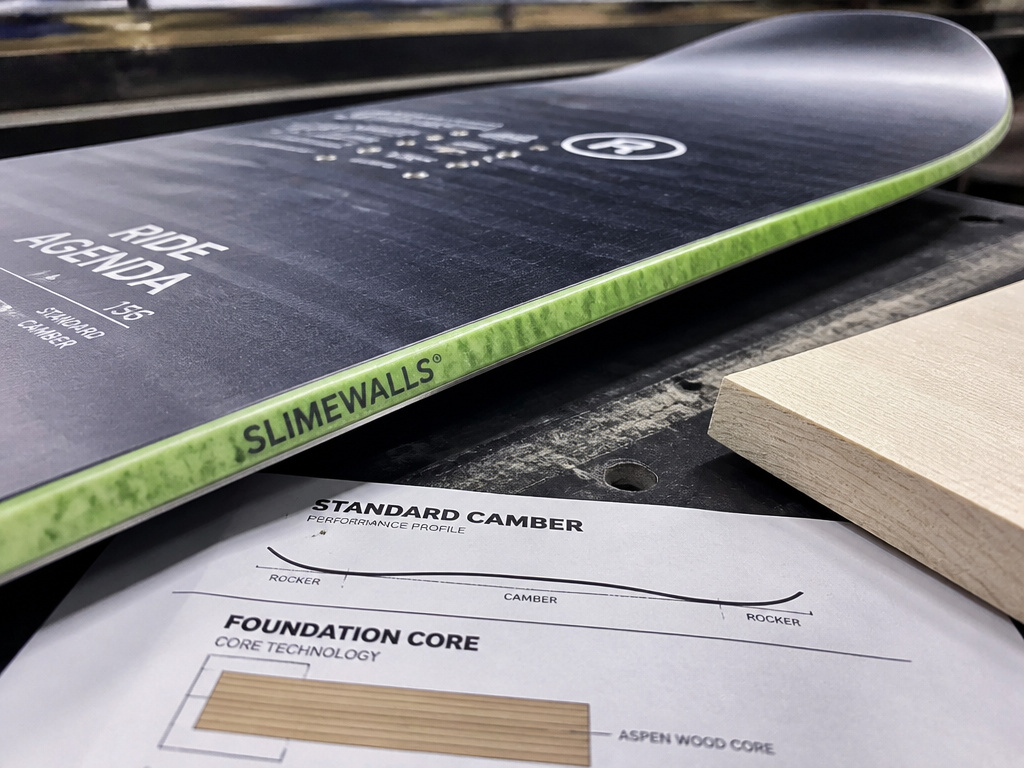
The core formula tends to stay consistent to serve its target audience. You can expect the same Standard Camber profile with rocker in the tip and tail, the same Foundation Core with Aspen wood, and the same forgiving Slimewalls sidewalls across model years. The intended ability level and flex rating remain squarely in the beginner-to-intermediate range. When a board finds its niche, manufacturers often stick with what works, making only subtle updates to graphics or minor materials. For practical purposes, if you find a good deal on a past year’s Agenda, the ride experience will be fundamentally the same as the current model.
Frequently Asked Questions
Is the Ride Agenda a good snowboard?
For its intended rider, yes. The Ride Agenda is a very good snowboard for beginners and intermediates who want a playful, forgiving board to learn all-mountain and park fundamentals. It’s not a fit for experts charging at high speeds or riders who primarily seek deep powder performance.
What is the flex rating of the Ride Agenda?
RIDE rates the Agenda a 3 out of 10 on their flex scale, where 1 is softest and 10 is stiffest. Reviewers describe this as a medium-soft flex. This makes it easy to press and butter but provides less stability at high speeds compared to stiffer boards.
Should I get the wide version of the Ride Agenda?
You should get the Ride Agenda Wide if your snowboard boot size is US 11.5 or larger. This prevents toe and heel drag when carving. If your boots are smaller than 11.5, the standard width will be fine and likely offer quicker edge-to-edge response.
Can the Ride Agenda handle ice?
It can handle icy conditions competently but is not super grippy. The hybrid camber profile provides some edge hold, but a board with more pronounced camber or magnetraction (like some Gnu or Lib Tech models) will offer better performance on hard ice.
The Bottom Line
The Ride Agenda does exactly what it sets out to do. It’s a confidence-builder. The specs and the ride reports paint a consistent picture: a stable, easy-going twin that excels at the basics of freestyle and all-mountain riding without intimidating the rider.
Its value is in that focused competence. You’re getting RIDE’s durable Slimewalls construction, a proven hybrid profile, and a price point that leaves room in your budget for good bindings. Just know its limits, the soft flex and extruded base mean it has a speed and aggression ceiling.
If you’re past the absolute first-day beginner stage and see yourself spending time in the park or hitting side hits, the Agenda is a logical, well-supported step up. If your eyes are set on big mountain lines or you already ride aggressively, you’ll outgrow it quickly. For those looking for a different flavor within the RIDE family, perhaps something more focused on all-mountain cruising, the Ride Saturday series is worth a look.
Match it with the right bindings, wax the base regularly, and focus on skill progression over raw speed. The Agenda will reward that approach for several seasons.
