Chicago Roller Skates Review: Are They Good for Beginners?
This post contains affiliate links. As an Amazon Associate, we earn from qualifying purchases.
Chicago roller skates are a budget-friendly entry point for casual, light skating on smooth surfaces, but they carry documented safety risks and quality issues that make them unsuitable for anything beyond basic use. The brand, founded in 1905, has a storied past, but modern manufacturing has shifted its reputation toward “toy-grade” equipment.
That gap between historical prestige and current reality is where most reviews fall short. They either gloss over the safety record or dismiss the skates entirely without explaining the specific, verifiable problems. This Chicago roller skates review aims to bridge that gap.
What follows is a breakdown of the specs, a look at a real government recall, and a clear-eyed verdict on who these skates are actually for, and who should steer clear.
Key Takeaways
- Chicago Skates offer a low-cost way to try skating, but treat them as disposable starter gear, not long-term equipment.
- The 3-month warranty on models like the CRS100-03 signals the manufacturer’s own limited confidence in long-term durability.
- A 2002 CPSC recall of 3,600 “Bullet” speed skates for wheel/axle failure is a matter of public record, safety isn’t just anecdotal.
- For any skating beyond gentle sidewalk rolls, investing in protective gear is essential; cheap skates increase the risk of a fall from component failure.
- Upgrading wheels or bearings on a Chicago skate often costs more than the skate itself, making replacement a more logical step for committed skaters.
A Brand Built on Wheels: The Chicago Legacy
The Chicago Roller Skate Company was founded by the Ware Brothers in 1905. For most of the 20th century, it wasn’t just another brand; it was the standard. Historical catalogs boast of “interlocking and unbendable Channel Arch” designs and “Oversize Ball Bearings.” By 1952, the Chicago Roller Skate Co. Was producing 3,250 pairs of skates a day. That’s a legacy of volume and industrial know-how you can’t fake.
The company’s own historical marketing claimed its skates established “more World’s Records than all others.” That wasn’t hype for a long time, it was a fact of the rink.
But a legacy brand name on a box doesn’t guarantee the contents match the history. The manufacturing shifted, the materials changed, and the company that once supplied rinks now largely produces for the big-box retail toy aisle. You’re not buying a piece of that 1952 industrial output. You’re buying its modern, mass-market interpretation.
The Modern Chicago Skate: Specs vs. Reality
Here are two current models. The Chicago Sidewalk Roller Skate, model CRS100-03, lists 60mm polyurethane wheels, semi-precision bearings, and a high-impact double adjustable chassis. The premium “Lifestyle” CRS900 features a split leather boot, 58mm hi-rebound urethane wheels (100A hardness), and an electric-plated aluminum alloy chassis.
On paper, those are the components of a functional skate. On pavement, the experience is different. The semi-precision bearings often feel gritty straight out of the box. The wheels, while the right material, tend to be a harder compound that transmits every sidewalk crack directly to your ankles. The boot might look supportive, but the vinyl and internal padding break down quickly, losing shape after a few weeks of regular use.
Where this goes sideways: Assuming the listed specs translate to real-world performance. A “high-impact” chassis on a product with a 3-month warranty is a contradiction. The warranty length tells you everything about expected lifespan.
The 2002 CPSC Recall (and What It Means)
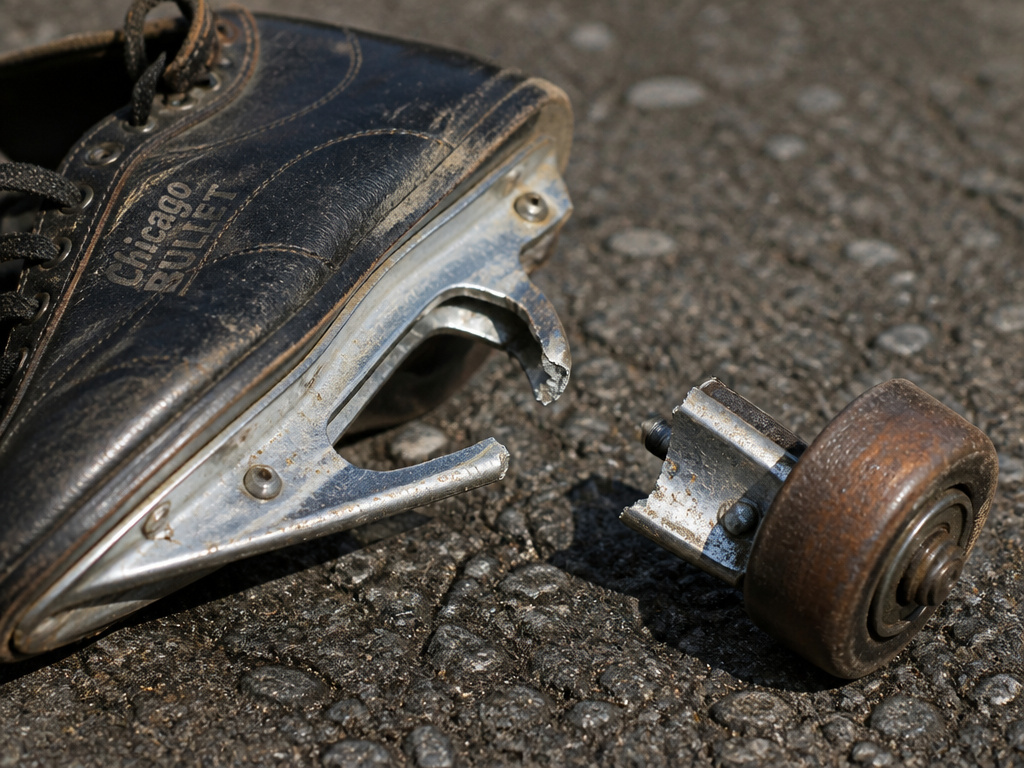
This isn’t scare talk. It’s documented history. On August 7, 2002, National Sporting Goods announced a recall of about 3,600 “Bullet” speed skates (models 809-0205 and 809-0256) sold through JCPenney. The reason? Reports of the wheel and axle assembly breaking off during use, which led to at least one twisted ankle.
The skates were sold between November 2001 and February 2002 and manufactured in China. The Consumer Product Safety Commission (CPSC) notice advised consumers to “stop using the skates immediately” and return them. You can read the full government speed skate recall report yourself.
| Recall Factor | Detail | Why It Matters |
|---|---|---|
| Models | 809-0205, 809-0256 (“Bullet” speed skates) | Specific models were identified as faulty. |
| Quantity | About 3,600 pairs | This was a widespread, official action, not a few one-off complaints. |
| Hazard | Wheel/Axle assembly breaking off | A catastrophic failure mode that occurs during use, not from wear and tear. |
| Injury | One reported twisted ankle | The CPSC doesn’t issue recalls for theoretical risks. |
| Resolution | Stop use, return to JCPenney for replacement | The manufacturer’s liability was clear and acted upon. |
A single recall from over two decades ago doesn’t condemn all modern products. But it establishes a precedent. It shows a failure mode, structural separation, that the skating community still reports in online forums today. When owners talk about plates snapping or trucks bending, they’re describing a similar mechanical weakness.
Are Chicago Skates Good for Beginners?
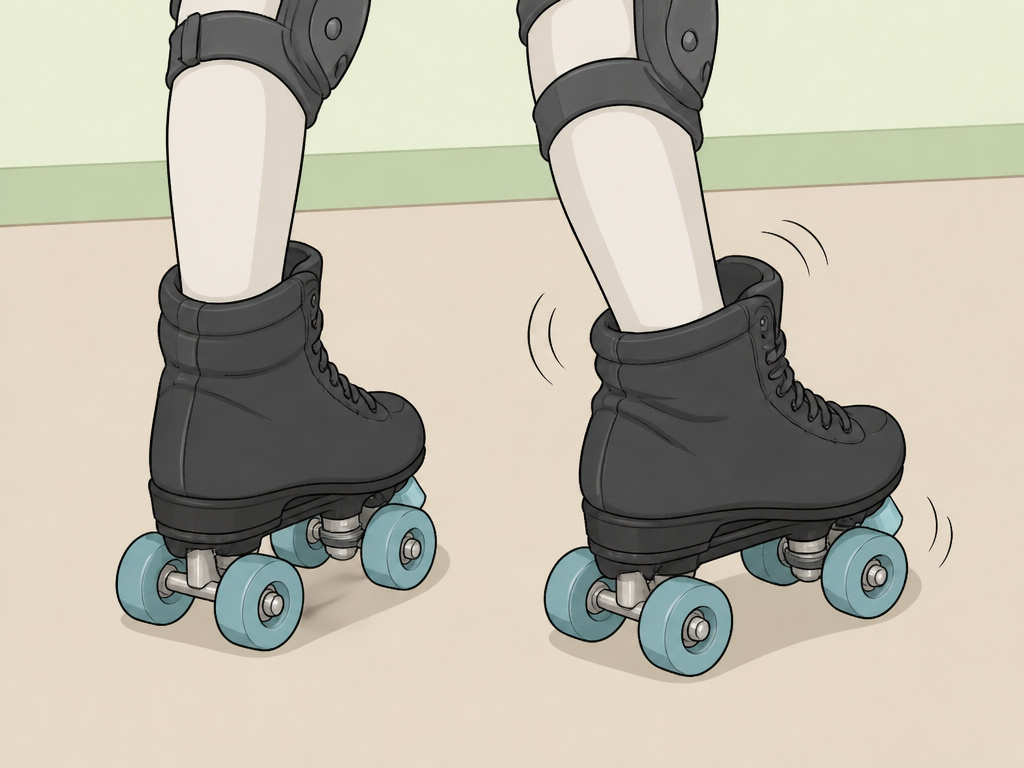
Here’s the coach’s take. For an absolute beginner who wants to spend under fifty dollars to see if they even like standing on wheels, a basic Chicago skate can serve that purpose. It’s a low-stakes experiment.
The problem is the definition of “beginner.” If “beginner” means “will skate for 30 minutes, once a week, on a perfectly smooth tennis court,” the risk is low. If “beginner” means “will try to learn at a bustling park, on rough pavement, or attempt to stop quickly,” the risk profile changes. The lack of responsive control and the potential for equipment failure make the learning process harder and more dangerous.
Common mistake: Buying a Chicago skate in a size too big “to grow into.” A loose boot eliminates any hope of precise ankle control, turning every push into a wobble. It’s the single biggest reason new skaters get frustrated and quit.
If you go this route, your first purchase shouldn’t be upgraded wheels, it should be a full set of protective gear. Wrist guards, knee pads, and a helmet are not optional. The gear isn’t just for falls you cause; it’s for falls caused by a wheel locking up or a truck coming loose.
What the Skating Community Says
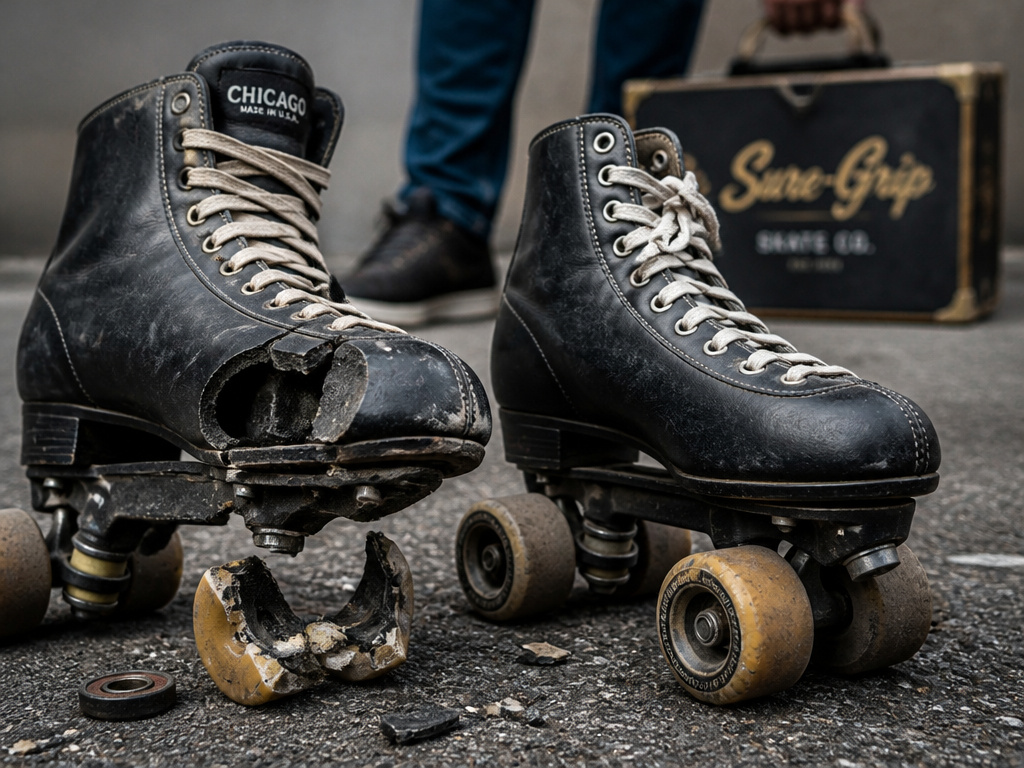
Scrolling through forum threads for any Chicago roller skates review reveals a clear split. One camp views Chicago skates as dangerous “toy brand” novelties, citing wheels that disintegrate, plates that snap, and boots that peel. Some rinks reportedly ban them outright. The other camp defends them as a perfectly fine, low-barrier entry point, a $35 investment you shouldn’t feel bad about discarding if you stick with the hobby.
Both sides are right. The reports of components failing are too frequent and specific to dismiss. Simultaneously, many skaters have logged dozens of gentle, casual miles on them without incident. The disagreement isn’t about facts; it’s about risk tolerance and intended use.
The consensus from experienced skaters who mentor beginners is pragmatic: if Chicagos are all your budget allows, use them with extreme caution and the understanding, as noted in any Chicago roller skates review, that they are temporary. But if you can stretch your budget even slightly, a slightly more expensive brand like Sure-Grip or Riedell offers a dramatically safer and more supportive learning experience. You can compare them to other options in our guide to the best roller skates.
To Upgrade or Replace?
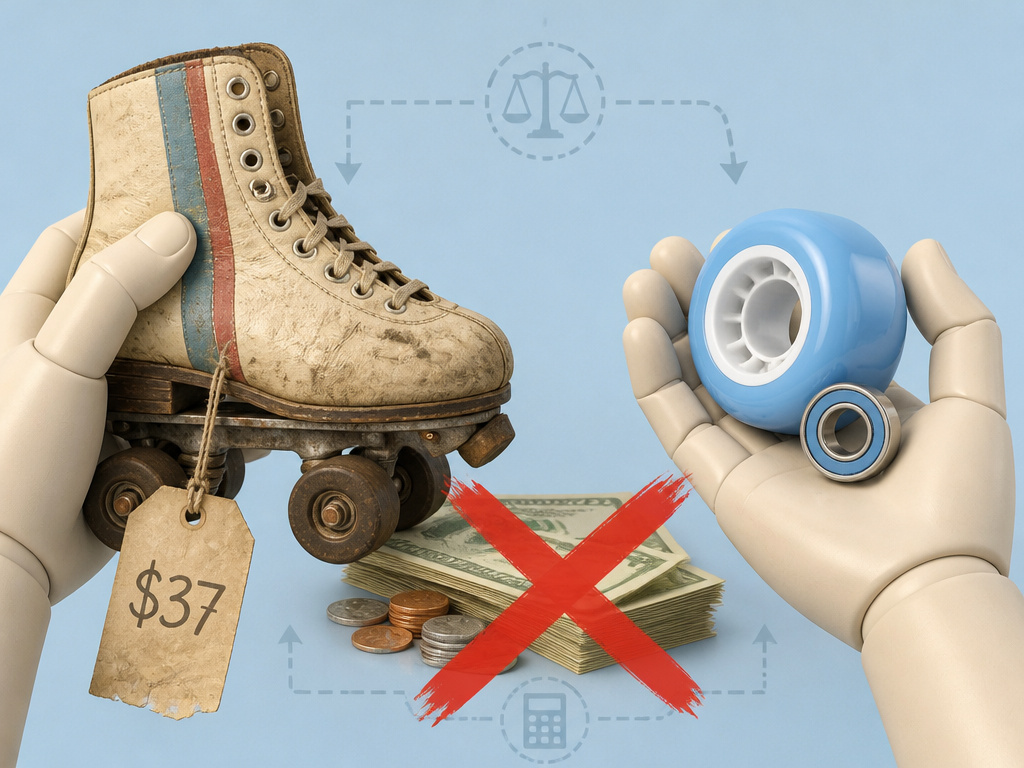
If you already own a pair and want to improve them. The community advice is divided here, too, and it comes down to math.
Some skaters in the community insist on immediately replacing the stock wheels and bearings, which they consider poor quality, while others argue such upgrades are not cost-effective for such a low-cost skate. This can cost a significant amount. When the skate itself retails for $37-$56, you’ve now invested a much larger sum in a boot and plate that comes with only a 3-month warranty. The logic is flawed.
Other skaters argue that if you’re spending that much on upgrades, you should put the total cost toward a better complete skate from the start. I fall into this camp. Upgrading a Chicago skate is like putting performance tires on a car with a failing transmission. You’re improving one component while the foundational ones remain the weakest link.
If you’re curious about wheel options for future skates, the principles in our guide to the best roller skate wheels still apply. But for Chicagos, save your upgrade money for your next pair of skates.
Chicago Skates vs. Other Beginner Brands
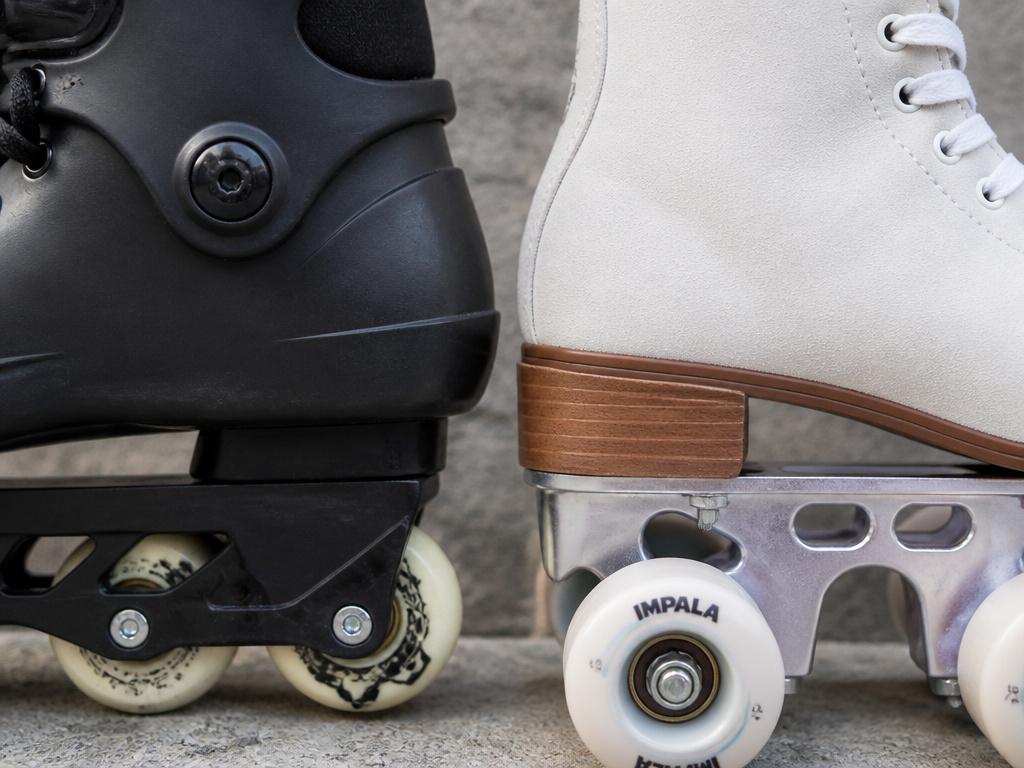
How do they stack up against other entry-level names? They are often compared to other entry-level brands like Impala.
| Aspect | Chicago Skates | Impala Skates |
|---|---|---|
| Price Point | Very low ($37-$56 range) | Low (higher than Chicago’s range) |
| Primary Use Case | Light, casual sidewalk skating | Recreational skating, light rink use |
| Common Complaints | Component failure (wheels, plates), short lifespan | Reported quality issues like boot heel separation |
| Community Reputation | “Toy-grade,” risky for anything beyond basics | “Beginner-grade,” with known but later-appearing quality issues |
| Verdict | Ultralow-cost trial option. Assume disposable. | Better initial build for committed beginners, but monitor for wear. |
The choice isn’t between good and bad. It’s between different levels of risk and investment. Impalas have their own reported issues, like heel separation, but are generally considered a step up from Chicago skates. For a deeper look, you can read our dedicated Impala roller skates review. For those focused on outdoor use, a better starting point might be our picks for the best outdoor roller skates.
The Bottom Line
Chicago roller skates are a product of a famous name and a very low price point. They can work for their intended purpose: a few sessions of casual, cautious skating to see if you enjoy the activity. The historical brand legacy, documented in resources like the Chicago Public Library historical article, is real and fascinating, but it is not what you are buying today.
The hard truth is the 3-month warranty and the CPSC recall notice are more relevant to your purchase decision than the 1905 founding date. If your goal is to eventually skate with confidence, learn turns, or visit a rink, start with a more capable skate. The money you “save” on a Chicago pair will likely be spent later on either upgrades that don’t fix the core issues or on a replacement pair sooner than you think.
For pure, simple quad skate fun on a tight budget, with full protective gear and managed expectations, they are an option. For anything resembling skating as a hobby or sport, your first investment should be in a more reliable platform. Your progress, and your ankles, will thank you.
Frequently Asked Questions
Do Chicago skates run big or small?
They generally run true to size, but the vinyl boots offer little “break-in” give. A snug fit is critical; any room for your foot to slide forward will cause blisters and loss of control. Do not size up.
Who makes Chicago skates?
The Chicago Roller Skate Company was founded in 1905. Today, the brand is owned and its products are distributed by National Sporting Goods Corporation. Manufacturing, as indicated by the 2002 CPSC recall, occurs in China.
What are Chicago skates best for?
They are best for short-duration, light skating on very smooth surfaces by casual users. Think a half-hour roll on a bike path or empty parking lot. They are not designed for rink skating, dance, park skating, or any form of aggressive use.
Can you upgrade Chicago skates?
Technically, yes. You can replace wheels, bearings, and toe stops. However, the cost of quality upgrades often exceeds the cost of the skate itself, and it does not address potential weaknesses in the plate, trucks, or boot. It is rarely a cost-effective path.
What happened to the quality of Chicago skates?
The brand’s historical reputation was built on U.S.-manufactured, rink-quality products. Over time, production shifted to focus on the mass-market, low-cost segment. The materials, construction quality, and performance envelope changed to meet that lower price point, resulting in the “toy-grade” reputation they hold today among experienced skaters.
