Skate 3 Game Review: Port Carverton, Hall of Meat & Legacy
This post contains affiliate links. As an Amazon Associate, we earn from qualifying purchases.
Skate 3 is a 2010 skateboarding simulation from Electronic Arts Black Box (EA Black Box), set in the fictional city of Port Carverton. Its core appeal lies in the precise “Flick-It” control scheme, a first-in-series three-tier difficulty system (Easy, Normal, Hardcore), and a chaotic sandbox fueled by hilarious ragdoll physics in the Hall of Meat mode. Critics averaged a 79/100 at launch, but player sentiment sits at 87/100, cementing its status as a flawed but beloved cult classic.
The gap between critic and player scores highlighted in a skate 3 game review isn’t academic. It’s the space where a game’s technical shortcomings, including NPC pathfinding bugs that one review cited as a persistent carry-over flaw, and a team-promotion system some reviewers called half-baked, collide with pure, creative fun. Players forgave the jank because the foundation of skating felt so good.
What follows is a breakdown of what still works, what hasn’t aged well, and where Skate 3 fits in 2025, especially with the new “Skate” (Skate 4) now on the scene. The controls that made it famous, the modes that defined its legacy, and the reasons it’s still worth playing today are covered here.
Key Takeaways
- The “Flick-It” right-stick control scheme remains the gold standard for virtual skateboarding, demanding precision but rewarding it with unparalleled flow.
- Three difficulty modes genuinely change the game: Easy forgives sloppy inputs, Hardcore demands pixel-perfect trick placement, and Normal splits the difference.
- The Hall of Meat mode turns brutal bails into a scoring game, using the game’s famously janky physics for pure comedy.
- Port Carverton’s map design feels more like a staged skate park than a living city, a trade-off that prioritizes trick lines over exploration.
- Despite a 79/100 critic average, the game enjoys an 87/100 player score, highlighting a disconnect between its rough edges and sheer enjoyability.
The Flick-It Controls That Defined a Series
Forget button-mashing. Skate 3’s entire identity is built on the “Flick-It” system, where every trick is mapped to a specific analog-stick gesture. An ollie is a quick down-to-up flick. A kickflip adds a diagonal twist. It’s unintuitive for the first twenty minutes, and you will bail. Constantly.
Then it clicks. The board starts feeling like an extension of your thumbs. You stop thinking about the stick and start feeling the trick. That transition, from frustrating to fluid, is the game’s single greatest achievement. It’s why players tolerated the bugs. When you finally chain a kickflip into a boardslide into a clean landing, the feedback is immediate and satisfying. The right-stick controls in Session: Skate Sim and Skater XL are direct descendants of this system.
The Flick-It control scheme maps complex skateboarding tricks to precise right analog-stick movements, replacing button presses with physical gesture memorization. This creates a high skill ceiling and a uniquely tactile connection between player and on-screen skater.
The downside is the steep initial cliff. The in-game Skate School, led by the voice of Jason Lee as Coach Frank, helps, but it’s a bandage on a deep cut. You learn by crashing. A lot. The game knows this, which is why it gave you three ways to experience the pain.
Easy, Normal, or Hardcore: Pick Your Pain
Skate 3 was the first in the series to offer distinct difficulty modes, and this wasn’t a lazy slider. Each setting changes the game’s physics and forgiveness.
Easy Mode is the gateway. Your skater pops higher, lands more reliably, and grind magnets seem to pull your truck onto a ledge. It’s the setting I recommend to anyone who just wants to cruise Port Carverton stress-free. Normal Mode is the classic Skate experience, demanding but fair. Hardcore Mode is for masochists and simulation purists. Grinds require millimeter precision, landings are brutally strict, and a slight miscalculation sends you into a tumble. The difference is visceral: on Hardcore, a missed grind sounds like a harsh, metallic scrape-chunk as your truck clips the edge and your body ragdolls onto the concrete.
This tiered system was a masterstroke. It let casual players enjoy the sandbox while giving veterans a reason to master the mechanics. It directly addressed the biggest complaint about the series: it was too hard for newcomers. Now, you could choose your challenge.
Career Mode: Selling a Million Boards (and Little Else)
Your goal in Skate 3’s career is simple: sell one million skateboards. You start by selling your first 1,000. You do this by completing challenges, which range from scoring points in a spot to beating a pro in a game of S.K.A.T.E. As you progress, you recruit a team, customize their gear, and take on photo and video challenges to promote your brand.
The thrill comes from landing a tough challenge, not from building a board empire, as noted in every skate 3 game review. Compared to the rich, vibe-driven worlds of the best Tony Hawk games, Port Carverton’s purpose is purely functional: a canvas for tricks.
| Career Element | How It Works | The Reality |
|---|---|---|
| Board Sales | Complete any challenge to sell boards. | A passive progress bar; you’ll hit 1 million boards long before you finish everything. |
| Team Building | Recruit skaters, customize their look. | Aesthetic-only; team AI is basic and doesn’t affect challenge difficulty. |
| Promotion Challenges | Take team photos, film short videos. | Easily cheesed; minimal creativity required, feels like busywork. |
| Pro Challenges | Beat pros like Danny Way or Chris Cole. | Highlights of the career; require skill and learning a pro’s style. |
Port Carverton: A Skate Park, Not a City
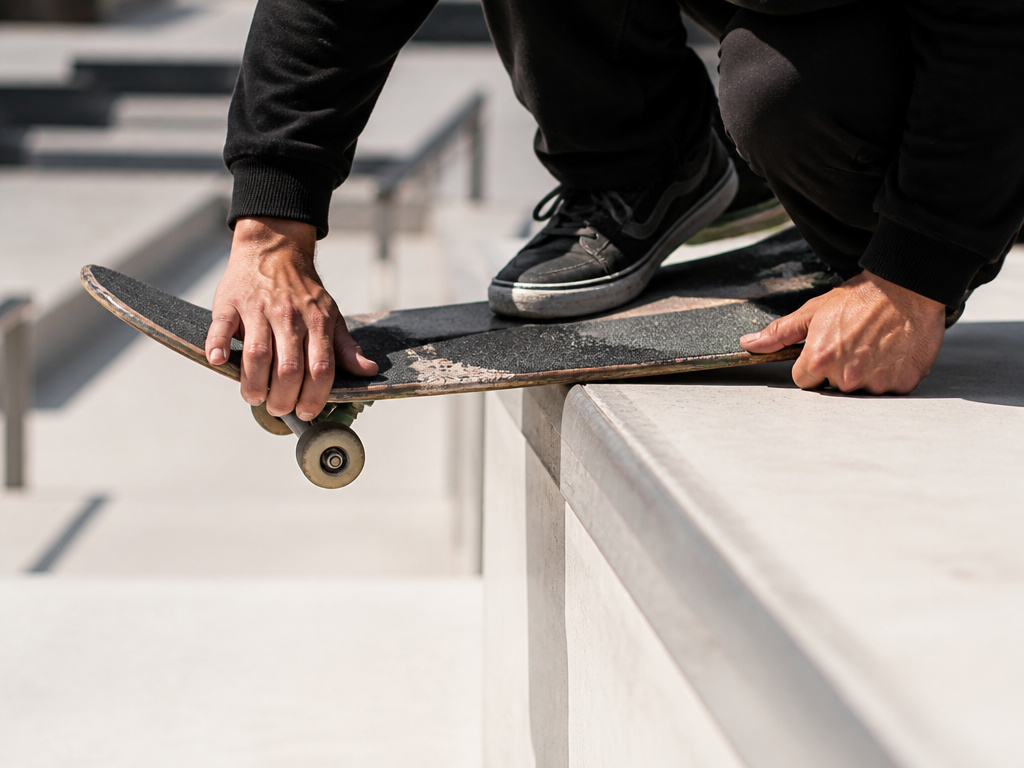
The setting is the new, skate-friendly Port Carverton. After the anti-skating police of Skate 2, the city is your playground. The design philosophy is clear: every plaza, parking garage, and street corner exists for you to skate it. Rails are perfectly placed, gaps are measured for flow, and lines present themselves naturally.
This is its strength and its weakness. As some players note, the map can feel “staged like Tony Hawk” and lacks the lived-in, organic feel of Skate 2’s city, while others prefer its focus on trick lines. You’re not skating in a place; you’re skating on a meticulously designed obstacle course. For pure trick-chaining gameplay, it’s superior. For atmosphere and immersion, it takes a back seat. It’s a trade-off that defines the entire game, function over feel.
Hall of Meat & the Physics of Failure
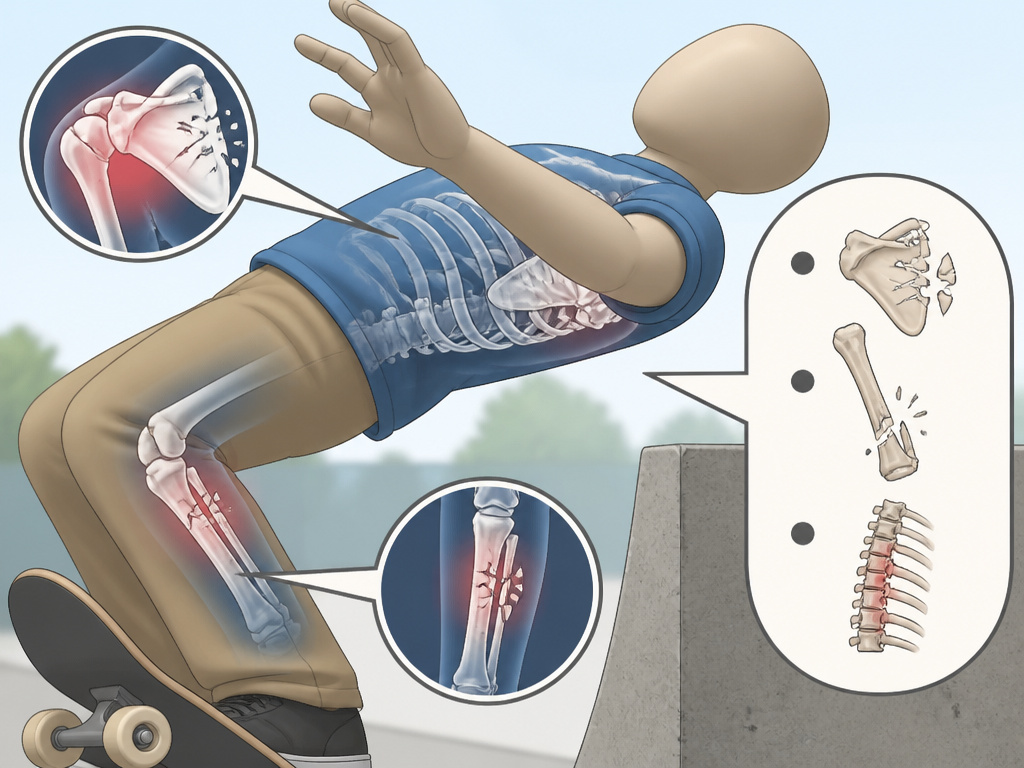
If the Flick-It controls are the brain, Hall of Meat is the id. This mode rewards you for inflicting the most horrific, bone-snapping bails possible. It turns the game’s sometimes-wonky physics, the source of much critic complaint, into a feature.
The joy is absurdist. You launch off a mega-ramp, twist mid-air, and intentionally slam spine-first into a concrete barrier. The game freezes, an X-ray flashes, and a voice dryly lists your injuries: “Tibia, fractured. Scapula, shattered. Spleen, confused.” It’s cartoonish violence, sure, but it’s also a brilliant pressure valve. After failing a difficult challenge for the tenth time, you can just spend five minutes hurling your skater into walls and feel great about it.
Common mistake: Using Hall of Meat as a mere distraction. The mode teaches you how the physics engine handles impacts, which subconsciously improves your ability to bail safely in the main game. Ignoring it means missing a fundamental lesson in risk management.
This embrace of chaos is a big part of the game’s enduring meme culture. The most popular Skate 3 clips online aren’t perfect score runs; they’re catastrophic, physics-defying fails set to Yakety Sax. The game invited you to break it, and the community obliged.
Skate.Create & Building Your Playground
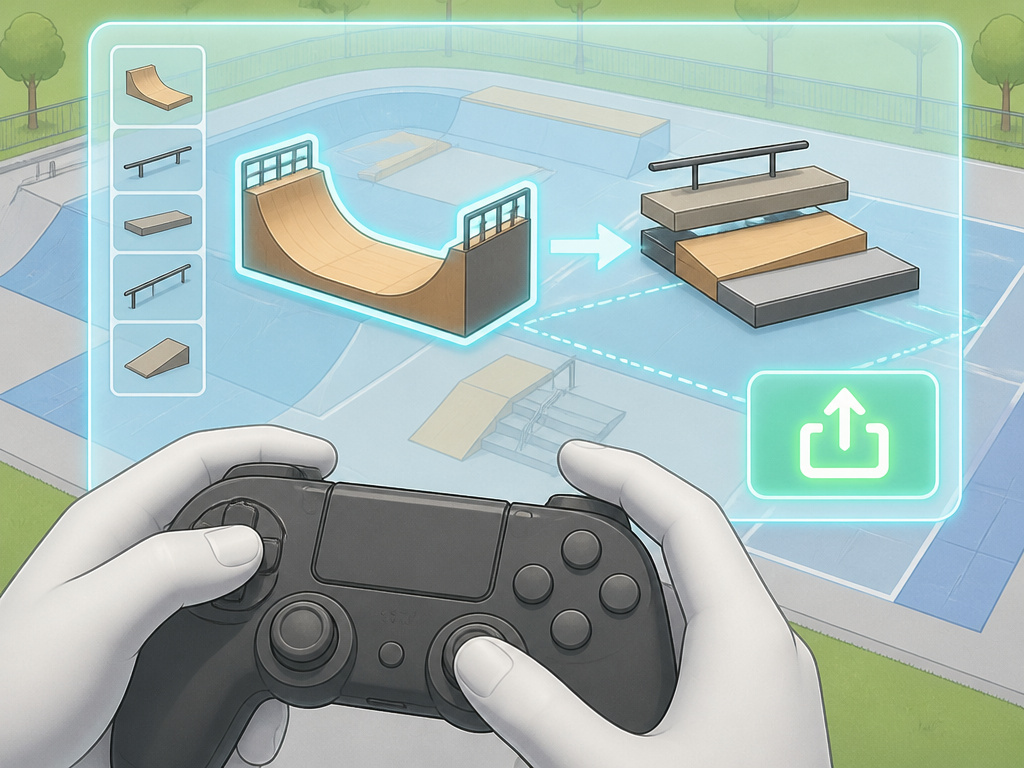
When you need a break from Port Carverton’s curated lines, you can build your own. The skate. Create park editor is robust and surprisingly intuitive. You can drop ramps, rails, and half-pipes anywhere, stack objects, and create impossible mega-structures.
The real magic happened online. Players shared their creations, leading to a endless supply of community maps. This feature single-handedly extended the game’s lifespan for years. Want a perfect replica of your local skate park? Someone probably built it. Want a towering monstrosity that defies the laws of physics? Absolutely. This player-driven content pipeline is a hallmark of the best skateboarding games and kept the community alive long after EA moved on.
Multiplayer, DLC, and the Missing Offline Party
Skate 3 pushed hard into online co-op and competitive play. You could team up for challenges or just free-skate together. The servers, remarkably, stayed online for well over a decade. However, the game shipped with a notable omission: no offline multiplayer modes on the disc. Local “Party Play” was locked behind the “San Van Party Pack” downloadable content (DLC). This felt like a cynical cut at the time, forcing players to pay extra for a basic social feature.
If you’re playing today, the online landscape is mostly quiet. The sustained activity is found in sharing parks and clips, not in matchmaking. For a more current multiplayer skate experience, you’d look to newer titles among the best skate games for your platform.
Skate 3 vs. The World (Skate 2, Skate 4, and the Field)
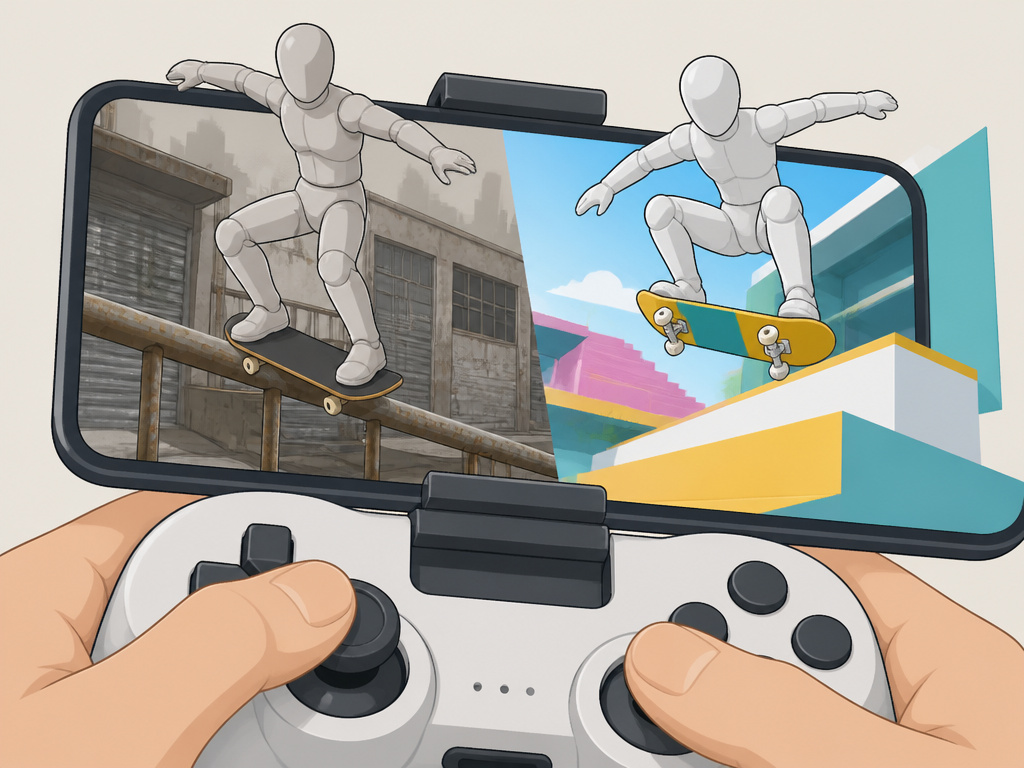
No skate 3 game review is complete without comparisons. Against Skate 2, the debate is heated. Reddit threads are battlegrounds. Skate 2 proponents praise its grittier, more believable city and a more satisfying career progression. Skate 3 fans, myself included, argue the refined controls and fluidity of Port Carverton’s design make for better actual skating. Some players find that going back to Skate 2, the off-board movement feels clunky and the ollies less consistent, while others find its physics more satisfying. It’s a trade of soul for polish.
Against the new “Skate” (Skate 4), the contrast is stark. The 2025 release is a live-service game with a bright, almost Fortnite-like aesthetic that fans have dubbed “gentrified.” As one Reddit user critiquing the new game said, it “completely lost its gritty skater theme.” Skate 3’s muted tones, warehouse districts, and warehouse punk soundtrack feel raw by comparison. While Skate 4’s core skating mechanics are crisper and faster, Skate 3 still owns a specific, grimy vibe the sequel deliberately moved away from.
| Game | Skate 3 (2010) | Skate 4 / “Skate” (2025) |
|---|---|---|
| Visual Style | Muted, realistic, gritty. | Bright, colorful, “clean.” |
| Business Model | One-time purchase, paid DLC. | Free-to-play, battle passes, microtransactions. |
| Map Design | Curated, skate-park focused (Port Carverton). | Evolving live-service world. |
| Core Legacy | Cult classic, meme factory, physics sandbox. | Modernized sequel seeking broad appeal. |
| Best For | Players who value physics jank, creation tools, and a finished game. | Players who want ongoing content, smoother online, and a modern sheen. |
Performance, Platforms, and Playing It Today
Originally released on PlayStation 3 and Xbox 360 on May 11, 2010, Skate 3 is backwards compatible on Xbox One and Xbox Series X/S. On these consoles, it runs at a higher resolution with improved texture filtering. It is not natively available on PlayStation 4 or 5.
The PC port question is constant. There is no official PC version. Playing it today requires emulation (RPCS3 for PS3, Xenia for Xbox 360), which can be finicky but allows for 4K resolution and mods. This unofficial path is the only way to experience Skate 3 with modern graphical enhancements, and it’s a testament to the demand that the community keeps these emulators updated.
Skate 3 vs Skate 2 and Skate 1
Skate 3 builds on its predecessors with distinct additions and refinements. The new city of Port Carverton offers a fresh playground, and the introduction of three difficulty modes allows players to tailor the experience from arcade-style ease to a demanding simulation. New tricks like dark slides and dark catches expand the trick vocabulary, while the skate. Create park builder adds a powerful creative tool absent from earlier games. However, some legacy issues persisted, with at least one critic noting that certain technical problems, like NPC pathfinding, were carried over.
Frequently Asked Questions
Was Skate 3 a good game?
Yes, but with major caveats. Its core skating gameplay is arguably the best ever put in a video game, thanks to the Flick-It controls. However, it was criticized at launch for a shallow career mode, persistent technical bugs like NPC pathfinding, and the paywalling of offline multiplayer. The 79/100 critic average reflects these flaws, while the 87/100 player score highlights how much fun trumped the problems.
Why is Skate 3 so popular?
Its popularity exploded years after release due to YouTube and meme culture. The game’s hilarious ragdoll physics in Hall of Meat, combined with the robust park creator, made it a perfect source for shareable, chaotic comedy clips. It transitioned from a well-regarded sports game to a sandbox for digital slapstick.
Is Skate 3 or 4 better?
It depends on what you value. Skate 3 is a complete, polished (if janky) package with a distinct gritty style and no microtransactions. Skate 4 (“Skate”) has smoother, more refined core mechanics and will receive ongoing content updates, but it’s a free-to-play live-service game with a battle pass and a brighter, less “raw” aesthetic. For a pure, one-and-done skate sim, Skate 3 still holds up. For an evolving community experience, Skate 4 is the future.
Is the game appropriate for kids?
Skate 3 is rated Teen (ESRB) for lyrics, mild violence, and online interactivity. The Hall of Meat mode cartoonishly rewards brutal injuries. Common Sense Media, while noting the team-focused elements are “well done,” does not recommend open online play for children under 12 due to unfiltered voice communication. Offline, it’s relatively tame for the rating.
The Bottom Line
Skate 3 is a time capsule of a specific moment in game design: ambitious, a little messy, and utterly confident in its core mechanic. It prioritized the feel of skating over everything, sometimes to the detriment of story, stability, and common sense. That gamble paid off in long-term loyalty.
Playing it today, you’re not just playing a skateboarding game. You’re interacting with a piece of internet history, the direct ancestor of every physics-based comedy clip you’ve seen for the last decade. The Wikipedia entry on Skate 3 documents its features, but the culture around it tells the real story.
Should you play it? If you have an Xbox that’s backwards compatible or are willing to tinker with emulation, absolutely. It remains a top-tier entry on any list of the best skate games. Just know you’re signing up for a game that is equal parts precision instrument and delightful dumpster fire. The jank is part of the charm.
