How Much Is an Electric Longboard: The Premium Explained
This post contains affiliate links. As an Amazon Associate, we earn from qualifying purchases.
Electric longboards cost between $400 and $2,000+. The price splits into three clear tiers: budget boards ($400–$700) for casual use, mid-range ($700–$1,200) for daily commuting, and premium models ($1,200–2,000+) for high performance and all-terrain capability. The final number depends on your required range, speed, build quality, and where you plan to ride.
That $1,600 gap isn’t arbitrary. It’s the difference between a board that gets you around the block and one that replaces your car for a daily commute. The specs that drive cost, battery capacity, motor power, and deck construction, directly translate to real-world range, hill-climbing torque, and durability. A common question is how much is an electric longboard.
What follows is a breakdown of the three price brackets, the key components that define them, and the often-overlooked costs of ownership that shape the how much is an electric longboard question. By the end, you’ll be able to look at any board’s spec sheet and know exactly what you’re paying for, and more importantly, what you’re not.
Key Takeaways
- Budget boards ($400–$700) offer 7–12 miles of range and top speeds around 15–18 mph, ideal for first-timers and short recreational rides.
- The single biggest cost driver is the battery pack; premium cells like Samsung 25R or Molicel P42A cost more.
- Real-world range can drop by 30% or more in cold weather (below 45°F), a critical spec most marketing glosses over.
- Factor in an extra $100–$300 for safety gear, a better remote, or replacement belts/pneumatic tires on top of the board’s sticker price.
- For most new riders, a mid-range belt-drive board strikes the best balance of performance, comfort, and long-term value without overbuying.
The 3 Electric Longboard Price Tiers Explained
Forget the endless list of models for a second. Every electric longboard fits into one of three price categories, and each category answers a specific type of ride. Manufacturers like Meepo explicitly use these tiers to organize their own lines.
Budget boards ($400–$700) provide 7-12 miles range. Mid-range boards ($700–$1200) provide 12-18 miles range. Premium boards ($1200–2000+) provide 18-25+ miles range. – Source: Meepo Board categorization.
The jump between each tier isn’t just about going farther or faster, which is central to the how much is an electric longboard discussion. It’s a shift in core components, intended use, and how long the board will last before you feel the need to upgrade.
Budget Tier: $400 – $700
This is the entry point. You’re getting a functional electric longboard capable of casual rides, learning, and short trips. Performance has clear limits.
Range and speed are modest. Expect 7–12 miles per charge and top speeds that max out at 15–18 mph, according to Meepo’s classification for novice boards. These figures assume a specific testing condition: Atom bases its numbers on a 155 lb (70 kg) rider on flat ground, while Meepo uses a 165 lb (75 kg) rider for its range claims.
Components here are cost-optimized. Batteries often use older or generic cell models. The decks are usually simpler 7- or 8-ply maple without advanced flex patterns. The ride feel is competent but basic, you’ll feel more vibration from pavement cracks, and acceleration might be jerky compared to smoother, more expensive electronic speed controllers (ESCs).
Who it’s for: The absolute beginner, the casual weekend rider, or someone testing the waters before a bigger investment. It’s the answer to “will I even use this thing?”
Mid-Range Tier: $700 – $1,200
This is the sweet spot for most committed riders, especially commuters. The performance jump from the budget tier is immediately noticeable, not just on paper.
Range expands to a practical 12–18 miles, and speeds reach 18–22 mph. This is where belt-drive systems become standard, offering significantly more torque for hill climbing and a smoother, quieter ride than hub motors. Boards like the Meepo Flow ($699 with a 12S2P Molicel P42A battery) live here. The VibeRide Matrix has a 25 mph top speed and weighs 14 lbs.
Build quality takes a step up. You start seeing name-brand battery cells (like the Samsung cells in the Atom B10X) and better waterproofing (like the UDITER Pixel Rider’s IP55 rating). The deck might incorporate bamboo or composite materials for better dampening.
Who it’s for: The daily commuter (under 5 miles each way), the enthusiast who rides regularly on bike paths, and the rider who values a noticeably smoother, more reliable experience.
Premium Tier: $1,200 – $2,000+
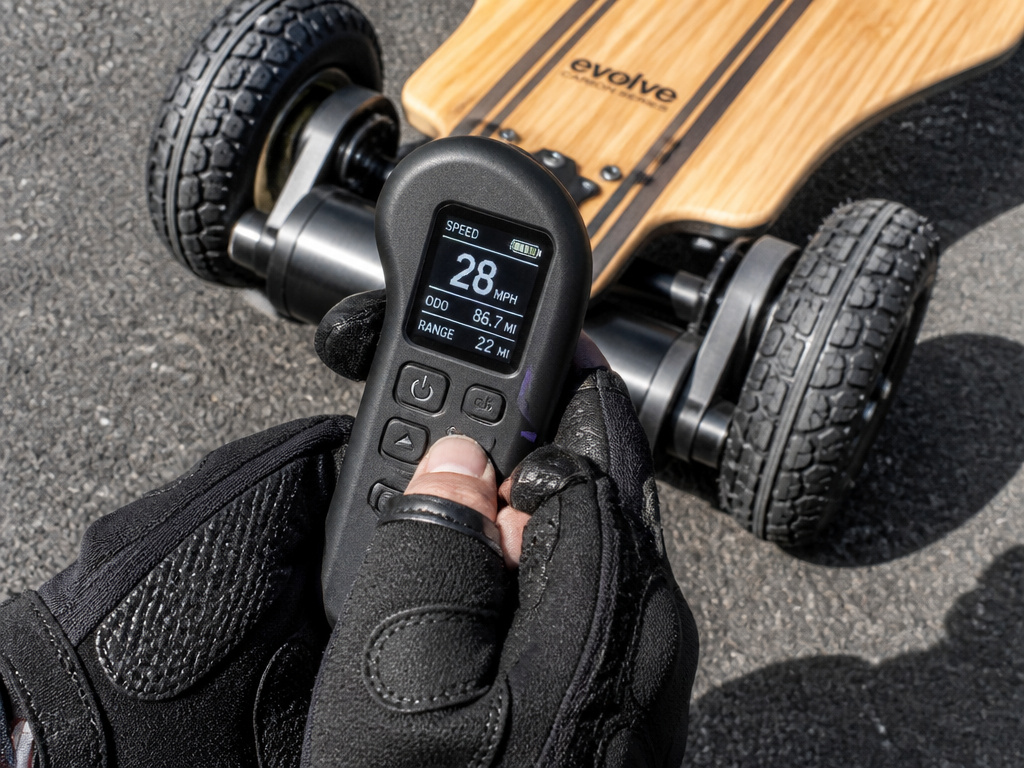
This tier is for performance, extended range, and all-terrain capability. You’re paying for engineering that pushes limits.
Range targets 18–25+ miles, and speeds can exceed 25 mph. The Meepo Voyager, for example, claims a 31-mile range and a 31 mph top speed. These boards feature dual motors (like the Meepo Hurricane Bamboo’s two 1800W motors), high-capacity battery packs with premium cells, and often come with pneumatic, all-terrain wheels as an option.
The construction is robust, often heavier (the Meepo Hurricane Bamboo weighs 26 lbs), and includes certifications for safety like the Atom B10X’s UL 2272 certification for its battery system.
Where this goes sideways: Buying premium for specs you’ll never use. A 31-mile range is useless if your typical ride is 3 miles. The extra weight of a premium board like the 26 lb Meepo Hurricane Bamboo is a genuine burden if you have to carry the board up stairs or onto transit.
Who it’s for: The dedicated enthusiast with long-range touring goals, the rider who needs to tackle steep hills and mixed terrain, or someone who views their board as a primary vehicle for longer commutes.
What Drives the Price? The Big Three Components
You can break down any electric longboard’s cost by looking at three things: the battery, the motor, and the deck/wheel system. Understanding these turns a confusing price tag into a simple checklist.
| Component | Budget Tier | Mid-Range Tier | Premium Tier |
|---|---|---|---|
| Battery & Range | 7-12 mi, generic Li-ion cells | 12-18 mi, branded cells (Samsung, Molicel) | 18-25+ mi, high-density premium cells |
| Motor & Speed | Single hub motor, 15-18 mph top speed | Single or dual belt drive, 18-25 mph | Dual belt drive, 25+ mph, high torque for hills |
| Deck & Wheels | Basic maple, small urethane wheels | Composite/bamboo deck, larger wheels for comfort | Advanced flex, pneumatic/all-terrain wheel options |
| Real-World Feel | Functional, noticeable vibration, basic braking | Smooth acceleration, good dampening, reliable torque | Car-like power, plush ride over bumps, high-speed stability |
The Battery: Your Range and Your Safety
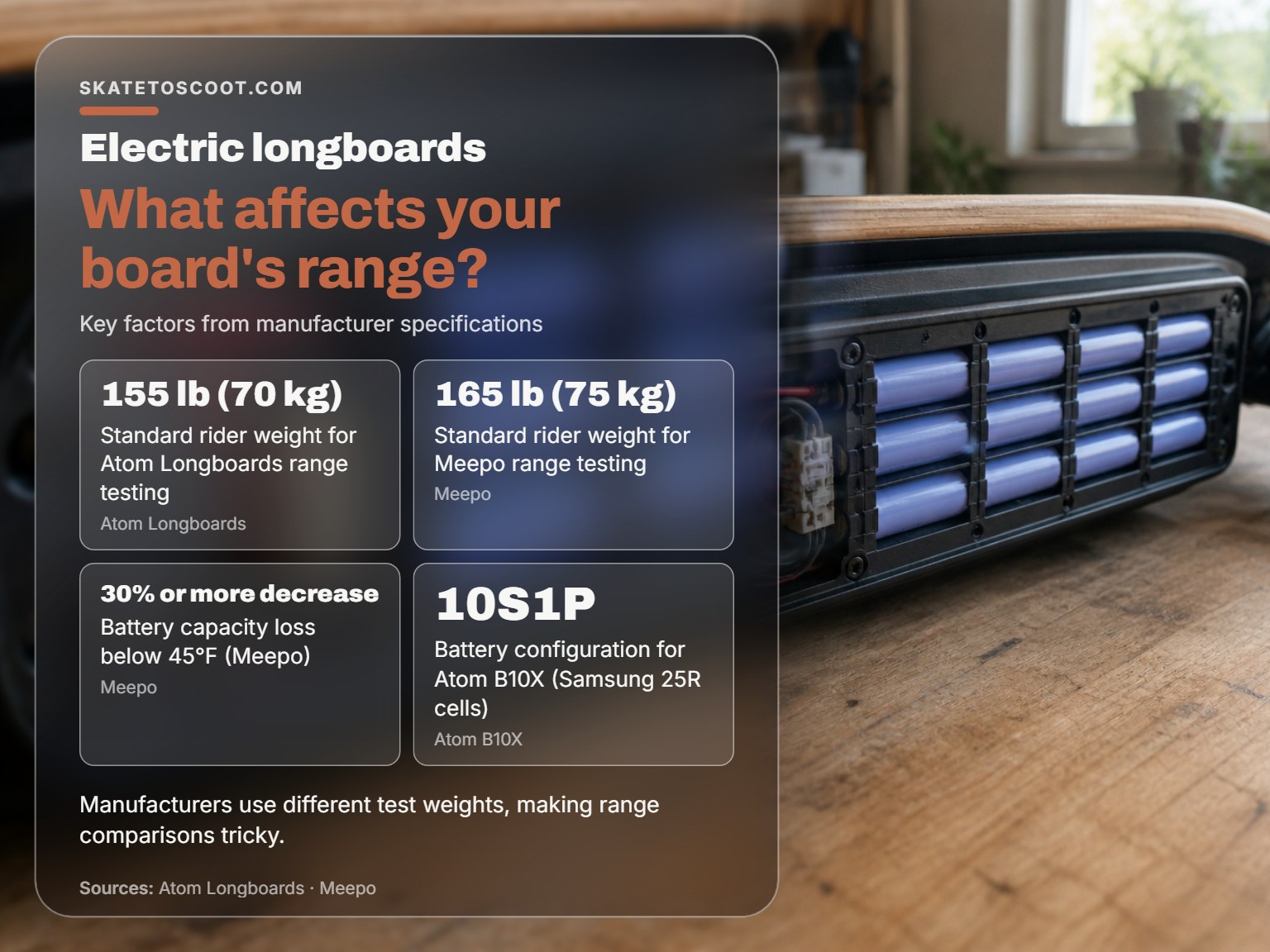
The battery pack is the most expensive single part of an electric longboard. Its quality dictates not only how far you can go but also how safe the board is and how many charge cycles it will last.
The specs to watch are the cell type and the configuration. A Samsung 25R cell (like in the Atom B10X) is a known, reliable entity. A Molicel P42A cell (like in the Meepo Flow) is a higher-performance option. The configuration (e.g., 10S1P, 12S2P) tells you the voltage and capacity. More cells in parallel (the second number) usually means more range.
Here’s a non-commodity insight straight from the source material: brands don’t even agree on the standard rider weight for their range claims. Atom Longboards tests with a 155 lb (70 kg) rider, while Meepo uses a 165 lb (75 kg) rider. That 10 lb difference alone can skew range comparisons by a mile or two. Always read the fine print.
Cold weather is a battery killer. Meepo states capacity “may decrease by 30% or more if the temperature is below 45 degrees Fahrenheit.” A 15-mile range board becomes a 10-mile board on a chilly morning. Plan accordingly.
The Motor and Drivetrain: How It Puts Power Down
This determines your acceleration, hill-climbing ability, and overall ride character. Hub motors (common on budget boards) are built into the wheels, making for a stealthy look. Belt-drive systems (mid-range and premium) use a separate motor and a rubber belt to spin the wheel, allowing for more power, easier wheel changes, and better vibration dampening.
Dual motors, found on premium all-terrain boards, provide massive torque for steep hills and rough terrain. The trade-off is added weight, complexity, and faster battery drain if you use all that power.
The Deck, Trucks, and Wheels: The Contact Points
This is where you feel the road. A stiff maple deck is cheap and durable but transmits every bump. A bamboo or composite deck with flex can absorb shocks for a smoother ride. Premium boards often use specialized concave shapes and advanced materials for a specific feel.
Wheels are critical. Small, hard urethane wheels (common on budget street boards) are efficient but unforgiving. Larger, softer wheels (mid-range) add comfort. Pneumatic, air-filled tires (premium) are for conquering gravel, grass, and cracked pavement.
The Hidden and Long-Term Costs
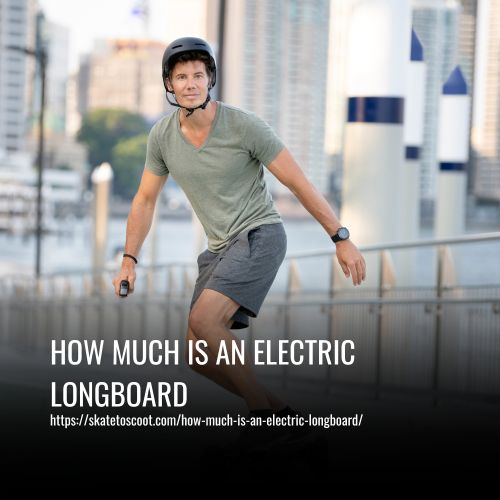
The sticker price is just the start. Responsible ownership adds to the initial investment, and components wear out over time.
Safety Gear is Non-Negotiable. A helmet ($50-$100), wrist guards ($30-$50), and knee/elbow pads ($40-$80) are a mandatory add-on. This isn’t optional decoration; it’s the difference between a scraped palm and a broken wrist.
Accessories and Upgrades. You might want a faster charger, a backpack designed for carrying a board, or a remote with a more ergonomic grip. Swapping stock urethane wheels for larger, softer ones can transform ride comfort.
Maintenance and Wear Items. Belts on belt-drive boards wear out. The Atom B10X had a running design change from a 225mm to a 246mm belt, so owners must check their specific part number. Tires on pneumatic wheels puncture. Bearings need cleaning and lubrication. These aren’t deal-breakers, but they are recurring costs.
Battery Replacement. Lithium-ion batteries degrade. After 2-4 years of regular use, you may notice a significant drop in range. A replacement battery pack can be a significant expense, which is a serious consideration when evaluating a $400 board versus a $1,200 board.
Electric vs. Traditional Longboard: The Premium Explained
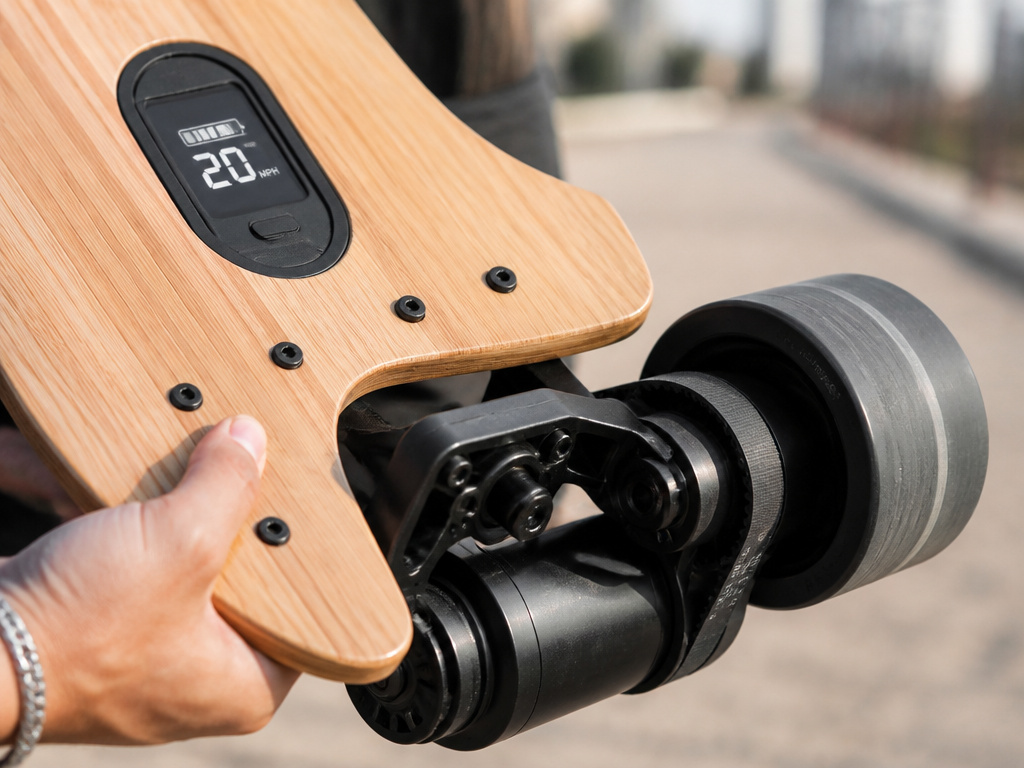
A high-quality traditional longboard for cruising might cost $150-$300. So why does the electric version start at $400? You’re paying for the propulsion and control system.
The motor, battery, ESC, remote, and all the wiring add significant complexity and cost. You’re not just buying a deck on wheels; you’re buying a compact, self-contained electric vehicle. The value question, are electric longboards worth it, boils down to whether that propulsion unlocks new utility (commuting, exploring) or pure joy that justifies the premium over a push-powered ride.
For a deeper look at the non-electric side of the equation, check out our guide on the cost of a regular longboard.
How to Decide What’s Right for You (A Practical Framework)
Don’t start by picking a board. Start by diagnosing your needs. This four-step filter will point you to the right price tier.
- Map Your Typical Ride. Distance? Terrain? Will you carry it onto a bus or up stairs? A 3-mile commute on smooth pavement is a different ask than 10 miles of mixed bike paths.
- Set Your Range & Speed Minimums. Take your maximum needed distance and add 30% as a safety buffer. That’s your minimum required range. For speed, if you need to keep up with city bike traffic, 18+ mph is a realistic target.
- Audition the Drivetrain. If your routes have hills or you want a smoother ride, budget for a belt-drive system. It’s the single most noticeable upgrade from the budget tier.
- Factor the Full Package. Add $150-$200 to your board budget for safety gear. Acknowledge that a lighter board (like the 14 lb VibeRide Matrix) is far easier to carry than a 26 lb tank.
For many, the answer lands in the mid-range. You get the smoother belt drive, a real-world usable range, and better build quality without paying for extreme performance you’ll never tap. If you’re still unsure, our electric longboard buyer’s guide delves into specific models and use cases.
Frequently Asked Questions
What is the average price of an electric longboard?
There is no true “average,” as needs vary wildly. However, the most common price point for a board that satisfies a commuting or regular recreational rider is in the $700 to $1,200 mid-range. This buys a belt-drive board with a 12-18 mile range, speeds of 18-25 mph, and noticeably better components than the budget tier.
Is an electric longboard easier to ride than a regular skateboard?
For straight-line travel, yes. The hardest part of traditional skateboarding, pushing to generate speed, is handled by the motor. However, balancing, turning, and braking are still required skills. The higher weight and speed of electric models also introduce new challenges, so a beginner should still start slowly in a safe, open area.
Are electric longboards legal?
Laws vary by city, state, and country. Many regions treat them similarly to electric bicycles or scooters, allowing them on bike paths and roads with speed limits under 25 mph. Some cities ban them from sidewalks. Always check your local regulations. Crucially, their legality often depends on their maximum speed capability, which is another reason to understand a board’s specs before you buy.
What’s the best electric longboard for a beginner on a budget?
Look for a board in the $400-$550 range from a brand with a clear warranty and good customer support. Key features for a beginner: a “slow” or beginner mode that limits top speed, a remote with a clear battery indicator, and a deck length that allows a stable stance. Several budget electric skateboards in this category are well-regarded by the community for their beginner-friendly performance.
The Bottom Line
Stop looking for the “average” price. Start with your own average ride.
If your most common trip is a 2-mile cruise to a friend’s house on smooth streets, a $400-$700 budget board is a logical, low-risk entry point. If you plan a 5-mile daily commute with one moderate hill, the $700-$1,200 mid-range is where you’ll find the necessary range, comfort, and reliability. Only consider the $1,200+ premium tier if you have specific, demanding needs like long-distance touring, aggressive off-road terrain, or you simply want the maximum performance available.
Remember that the electric skateboard cost extends beyond the board itself. The full investment includes safety gear, potential upgrades, and the understanding that the battery will need replacement years down the line. Buy for the rides you’ll actually take this year, not the epic adventures you imagine. A well-chosen mid-range board will feel exhilarating, not limiting, for a very long time.
