Nanrobot Scooter Review: Warranty and Service Explained
This post contains affiliate links. As an Amazon Associate, we earn from qualifying purchases.
Nanrobot scooters are high-performance electric vehicles known for dual motors, long range, and high top speeds, but they come with specific operational limits, a complex warranty, and a throttle design that experts criticize as potentially confusing for new riders. Real-world range depends heavily on rider weight and terrain, and warranty coverage varies dramatically by component, from lifetime coverage on certain frames to just one month for cosmetic parts.
That 30-40 mile range is a ceiling measured under ideal lab conditions, not a guarantee. Throw in a 180-pound rider, a few hills, and a headwind, and that number drops fast. The manuals give you the hard limits, voltage checks, temperature ranges, slope angles, because exceeding them voids your warranty and risks the controller shutting down mid-ride. For a detailed breakdown of real-world performance, see our Nanrobot scooter review.
What follows is a breakdown of what the specs actually mean, where owners and reviewers clash with the manufacturer’s claims, and the real costs that show up after the sale. We’ll walk through performance, build quality, the infamous throttle, the warranty fine print, and who these powerful machines are genuinely built for.
Key Takeaways
- Nanrobot’s advertised 30-40 mile range and 34-40 mph top speed are maximums under perfect conditions; real-world results are often lower.
- The index-finger pull throttle on models like the N6 is placed directly above the brake lever, a design an Electrek reviewer called a “major sin” for its confusion risk.
- Warranty coverage is a patchwork: the battery gets 12 months/3000 km, the motor gets 12 months/4000 km, but the kickstand is only covered for 3 months and side light stripes for just 1 month.
- These scooters have strict environmental limits: do not charge or ride in temperatures below 0°C (32°F) or above 40°C (104°F), and never ride through puddles or in the rain.
- For safe operation at high speeds, a helmet and knee and elbow pads are essential, not optional accessories.
Performance and Specs: The Raw Numbers
The manuals don’t lie about the hardware. A Nanrobot D6+ packs a 52V 26Ah battery and dual 1000W motors, which is how it claims a 34-40 mph top speed and a 30-40 mile range. The N6 steps it up with a 52V 26Ah (1,352 Wh) battery using claimed UL-listed Samsung cells to hit a true 40 mph. These are impressive numbers on paper.
But paper doesn’t have hills, wind, or a rider. That “maximum load capacity of 330 lbs” is a structural limit, not a performance promise. Hit that weight, and your range and acceleration take a significant hit. The speed is there if you want it, the D6+ and N6 will absolutely get you to 40 mph. The question is whether your local roads and your own reaction time can handle it.
The official specs also hide the operational cage these machines live in. The D6+ manual states the pre-ride voltage must be within 43V-58.8V. Drop below that, and you risk damaging the battery. The maximum slope for riding is <30° for both the D6+ and C1. Exceed that, and you’ll overheat the motors faster than the manual can warn you.
The slope of riding is <30°. The range of the environment temperature when riding or charging is 0-40°C (32-104°F). Store in a cool, dry and ventilated place when not in use. Source: Nanrobot D6+ 2.0 User Manual
Where this goes sideways: assuming the “30-40 mile range” is a daily commute guarantee. It’s a best-case scenario, as detailed in a typical Nanrobot scooter review. At full throttle, with dual motors engaged on varied terrain, you’ll see significantly reduced range before the battery meter starts dipping. Plan your routes around recharge points, not the marketing copy.
The Throttle Design Debate
This is where hands-on reviews diverge sharply from the neutral tone of the manuals. In a review of the N6, the Electrek journalist singled out the throttle for direct criticism.
My one big gripe about the Nanrobot N6 is shared with many other scooters of this style: the throttle. It uses an index-finger pull throttle, which is similar in style to a small brake lever. It’s also placed right above the brake lever so that it’s very easy to move from one to the other. That also means it’s very easy for newcomers to e-scooters to get confused between the two. Source: Electrek Review
The manual says “check that the brakes are working properly.” It doesn’t say “don’t accidentally grab the throttle when you mean to brake.” That omission matters. For a beginner, that muscle memory mix-up could happen in a panic stop. It’s a design choice that prioritizes a clean handlebar look over intuitive, fail-safe operation. Experienced riders adapt, but it’s a legitimate mark against the scooter for anyone new to high-power rides.
Build Quality and Real-World Durability
The aluminum frames on models like the N6 are reported to be rigid and well-welded. The 10-inch off-road tires on the D6+ can handle rough pavement. But durability isn’t just about the frame; it’s about every screw, wire, and connector.
The manuals are obsessed with maintenance for a reason, a point emphasized in any thorough Nanrobot scooter review. They instruct you to regularly check and tighten screws on the folding mechanism, brake system, and motor axle nuts. A loose axle nut doesn’t just make a noise, it can lead to wheel play, damaged motor wires, and a sudden loss of control.
Here’s a maintenance reality most reviews skip: the motor wires. Both the D6+ and C1 manuals explicitly say, “Check the motor wires regularly. All exposed wires should be wrapped with electrical tape.” Vibration from riding, especially off-road, can chafe wires against the frame. That’s not a cosmetic issue; it’s a short circuit waiting to happen. It’s a task that takes five minutes but requires you to remember to do it.
| Component | Common Failure Point | Recommended Maintenance |
|---|---|---|
| Folding Mechanism | Loose screws cause play and potential collapse. | Tighten all screws every 2-3 weeks or after any rough ride. |
| Brake System | Pads wear down; discs can rust. | Inspect monthly. Replace pads when wear indicators are gone. |
| Motor Wires | Vibration exposes and chafes wires. | Check monthly, wrap any exposed section with electrical tape immediately. |
| Tires | Wear patterns lead to poor traction and punctures. | Inspect tread weekly. Replace when center tread is significantly faded. |
The IP ratings tell another part of the story. The C1 has an IP64 rating, meaning it’s dust-tight and protected against water splashes. The N6 72V has an IP54 rating. Neither is waterproof. “Do not ride the scooter on rainy days” and “Riding through puddles is not recommended” are written in the manuals because the electronics are not sealed against immersion. One deep puddle could fry a controller.
The Nanrobot Warranty Breakdown (What’s Covered, What’s Not)
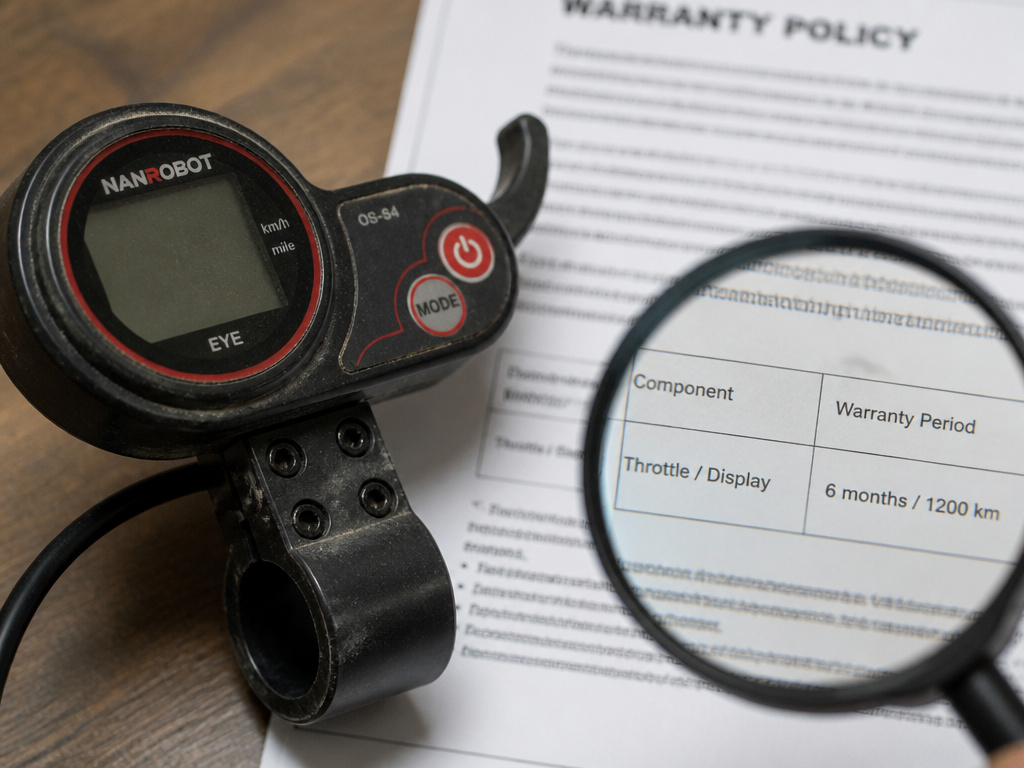
This is where you need to read the fine print twice. Nanrobot’s warranty is a collection of individual timelines for each part, not a single blanket policy, and some of them are shockingly short.
The official warranty page states that for models like the LS7+, D6+, LIGHTNING, and N6, there is a lifetime warranty on certain parts (excluding the plastic parts of the N6’s frame). That sounds incredible. But “lifetime” is ambiguous, and it only applies to specific structural components. The consumables and wear items have much shorter clocks.
| Part | Warranty Duration | Notes / Source |
|---|---|---|
| Battery | 12 months / 3000 km | Nanrobot Warranty Policy |
| Motor (excluding wire issues) | 12 months / 4000 km | Same as above. |
| Throttle / Display | 6 months / 1200 km | Same as above. |
| Rear Shock Absorber | 6 months / 2000 km | Same as above. |
| Kickstand | 3 months | Same as above. |
| Side Light Stripe | 1 month | Same as above. |
| Seat (purchased with scooter) | 1 month | Same as above. |
| Vulnerable Parts (tires, brake discs, horn, dashboard, light) | 90 days | Nanrobot C1 User Manual |
Now, look at the C1 model. Its official product page states a 6-month limited warranty. But its own manual says the battery and controllers have a 180-day warranty, and vulnerable parts are covered for 90 days. There’s a direct conflict between the website and the manual shipped with the product. Which one holds up in a claim? You’d have to argue it with support.
We are not responsible for wrong return and refund loss, the buyer should be responsible for more than 20% return charge, and double-way transportation charge. Source: Nanrobot C1 User Manual
That clause is a financial trap. If you return a scooter for the wrong reason, or if Nanrobot determines the issue was “customer-induced”, you’re on the hook for over 20% of the item’s value plus shipping both ways. For a scooter at that price point, the return charges can be substantial. This makes the standard 15-day return policy offered on their site a high-stakes gamble if you’re unsure about the scooter’s size or power.
Customer Service and Shipping: The Owner’s Gauntlet
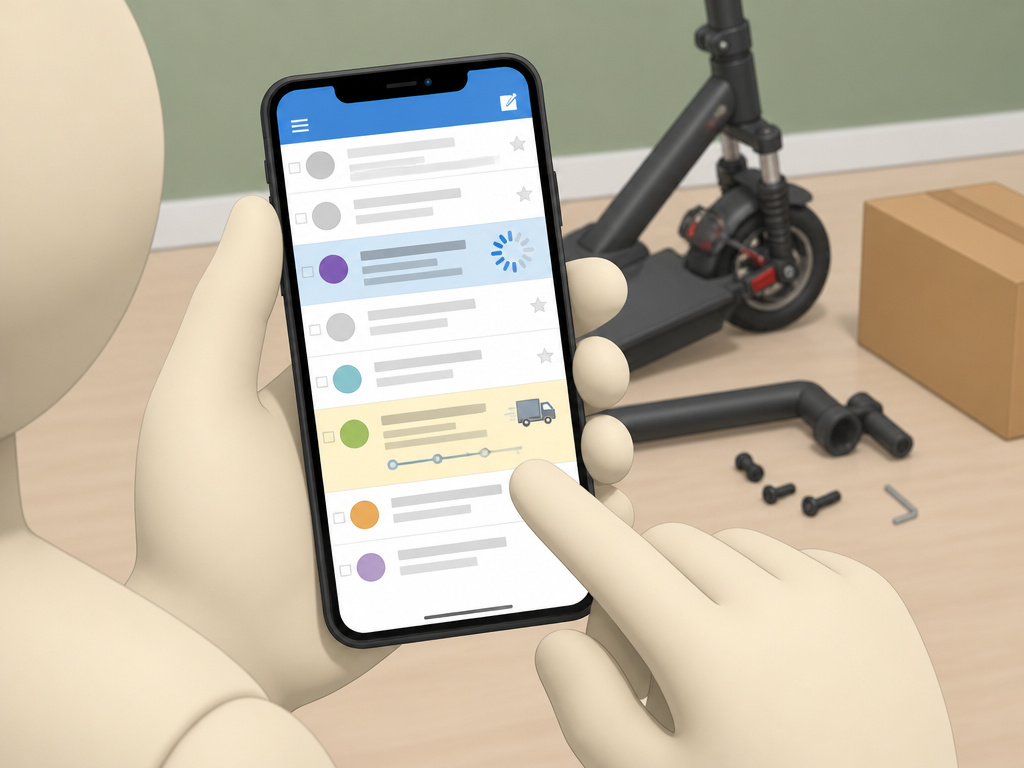
Reddit threads and forum posts are filled with a mix of praise and frustration. Some owners report responsive service and timely parts shipments. Others describe a labyrinth of email support and long backorder waits.
Owner discussions frequently mention volatility in shipping estimates. Some owners report receiving shipping estimates months in the future due to backorders. Owner experiences with shipping times and sales timing vary widely.
This isn’t unique to Nanrobot, but it’s a significant part of the ownership experience. When you’re spending over $1,500, you expect a certain level of communication and reliability. The manuals themselves tell you to “contact your seller” for assembly help or damage upon arrival, pushing the initial support burden onto the retailer, not the manufacturer directly.
The takeaway? Your customer service experience may depend more on where you buy it (direct from Nanrobot vs. An authorized dealer) than on the company’s stated policies. Dealers often have more influence and faster local resolution.
Safety and Suitability: Who Is This Scooter Really For?
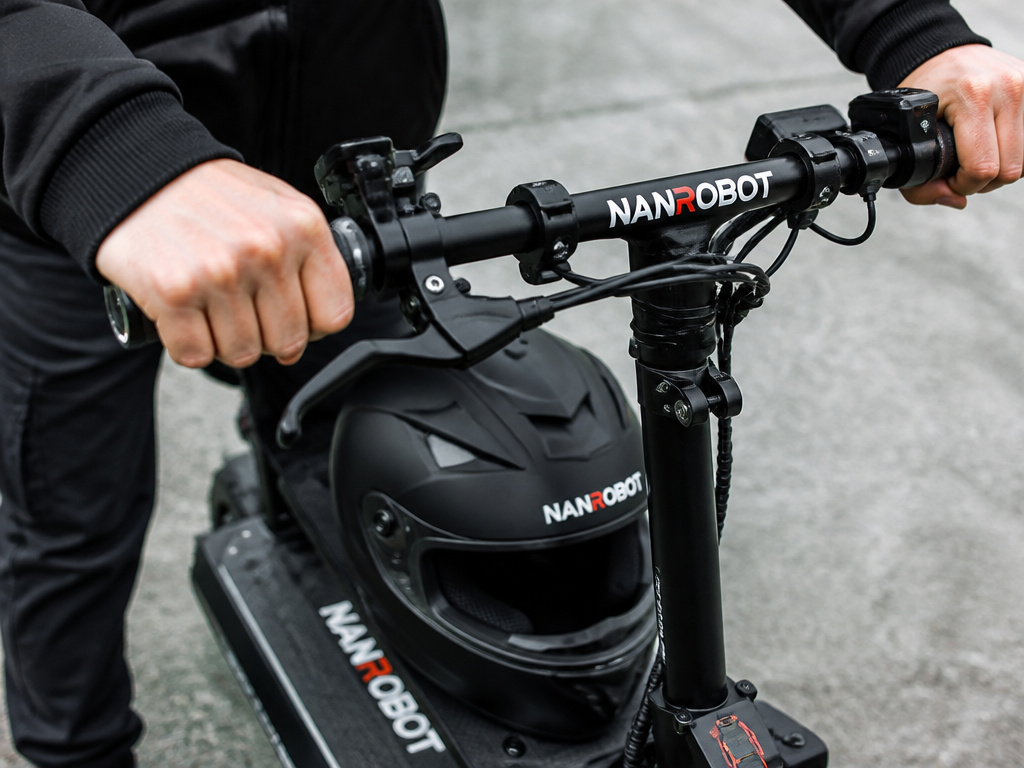
The manuals are unambiguous on safety: “Always wear a helmet and knee and elbow pads when riding.” But for a scooter that can hit 40 mph, that’s the bare minimum. The Electrek reviewer noted they wore a full-face helmet during testing. At that speed, a standard bicycle helmet is insufficient; you need motorcycle-grade protection.
The age restrictions are also clearly stated but often overlooked. The D6+ manual contains conflicting age guidance: it states the scooter is suitable for age >21 and also that children under the age of 16 are prohibited from riding. This isn’t a suggestion. The combination of high speed, heavy weight (77 lbs for the D6+), and quick acceleration makes these machines unsuitable for teenagers or inexperienced riders, regardless of local laws.
The beginner vs. Experienced rider question is straightforward. A complete newcomer has no business starting on a 40 mph Nanrobot. The throttle sensitivity, the weight, the sheer power, it’s too much. These scooters are for riders who already understand balance, braking distances, and road awareness. They fill the gap between portability and performance, as These scooters fill the gap between portability and performance, but that gap assumes you’ve already crossed the beginner bridge.
If you’re looking for a first scooter for casual commutes, a lighter, single-motor model from brands like Segway or even Nanrobot’s own C1 is a wiser choice. Our guide on the best city scooters covers options better suited to that role.
How Nanrobot Stacks Up Against Competitors
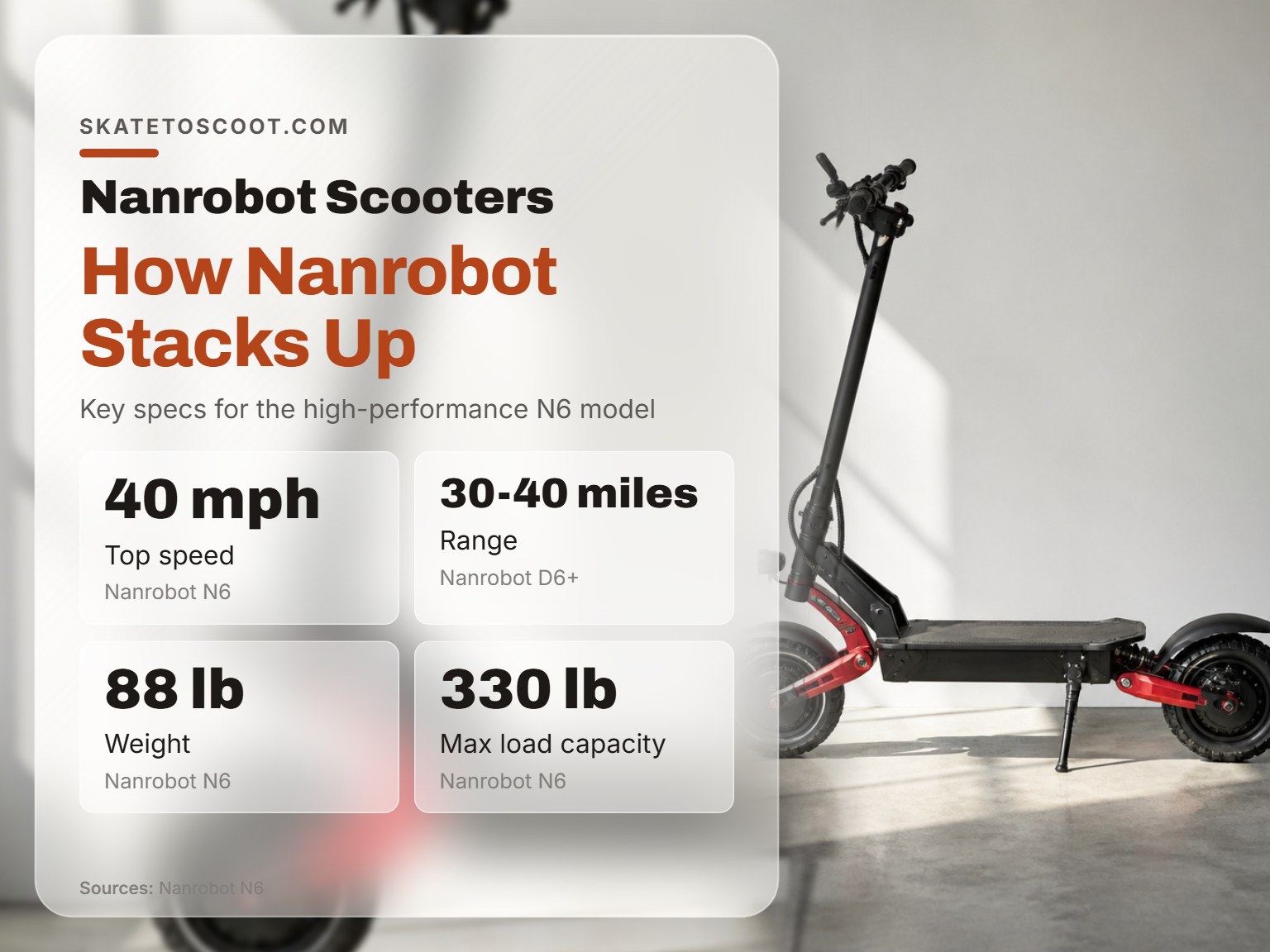
On pure specs-per-dollar, Nanrobot often wins. The N6 at $1,899 (or the 72V version at $1,749) undercuts competitors like the Apollo Pro, which is significantly more expensive. You get similar top speeds and dual motors for significantly less money.
The trade-off involves refinement, support, and sometimes component quality, not just price. Apollo has a extensive dealer network in North America. Segway has ubiquitous brand recognition and typically smoother integration of features. When you read Apollo scooter reviews or Segway scooter reviews, you’ll notice more emphasis on user-friendly designs and widespread service centers.
Nanrobot’s value proposition is raw power and range for enthusiasts on a budget. Is it worth it? If your priority is maximum speed and you’re comfortable performing basic maintenance yourself, yes. If you prioritize peace of mind, intuitive controls, and a seamless warranty claim process, you might look at those other electric scooter reviews more closely.
Nanrobot LS7+ and D6+ Performance Review
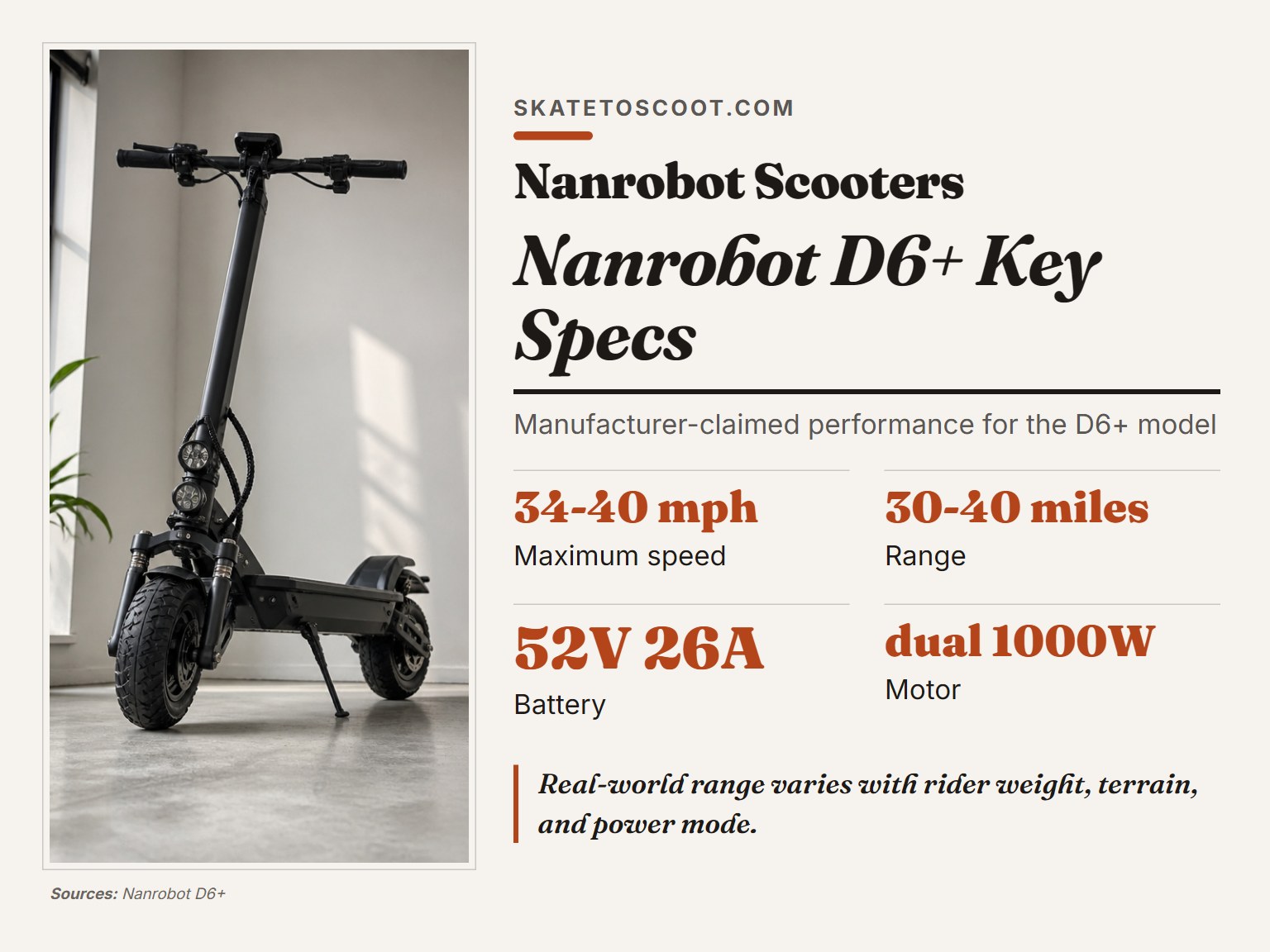
The manuals don’t lie about the hardware. A Nanrobot D6+ packs a 52V 26Ah battery and dual 1000W motors, which is how it claims a 34-40 mph top speed and a 30-40 mile range. The N6 steps it up with a 52V 26Ah (1,352 Wh) battery using claimed UL-listed Samsung cells to hit a true 40 mph. These are impressive numbers on paper. For models like the LS7+, which share a platform with the D6+ and N6, expect similar high-power performance. Owners report that these scooters deliver the advertised speed, but real-world range varies heavily with rider weight, terrain, and use of the dual-motor power.
Frequently Asked Questions
How fast does a Nanrobot scooter go?
It depends on the model. The D6+ has a maximum speed of 34-40 mph (54-65 km/h). The N6 hits a true 40 mph (65 km/h). The C1’s top speed is disputed: the manual states 40 km/h (25 mph), while the product page lists 22 mph for the C1 2.0 and 28 mph for the C1 3.0. These are manufacturer-stated maximums; real-world speed can be lower depending on rider weight, terrain, and battery charge.
What is Nanrobot’s warranty?
Nanrobot’s warranty is complex and part-specific. The battery is covered for 12 months or 3000 km, the motor for 12 months or 4000 km, but many components like the throttle, kickstand, and lights have coverage measured in months (6, 3, and 1 respectively). Higher-end models (LS7+, D6+, LIGHTNING, N6) have a lifetime warranty on certain frame parts. Always check the official warranty page and the manual for your specific model.
Are Nanrobot scooters waterproof?
No. Models like the C1 have an IP64 rating, and the N6 72V has an IP54 rating. These ratings protect against dust and water splashes, but not against immersion or heavy rain. The manuals explicitly warn: “Do not ride the scooter on rainy days” and “Riding through puddles is not recommended.”
Is Nanrobot a good brand?
Nanrobot is a polarizing brand. They offer exceptional performance for the price, with powerful dual-motor scooters that compete with models costing much more. However, owners report mixed experiences with customer service and shipping. The throttle design on some models is criticized by experts, and the warranty has many short-duration exceptions. They are a brand for performance-focused riders who understand and accept these trade-offs.
What safety gear do I need for a Nanrobot scooter?
The minimum is a helmet, knee pads, and elbow pads, as stated in the manual. However, for models capable of 40+ mph, a full-face helmet is strongly recommended. An armored riding jacket, motorcycle gloves, and sturdy shoes are also prudent. At high speeds, the protective gear you choose should match the risks of a motorcycle, not a bicycle.
The Bottom Line
Nanrobot builds scooters for a specific rider: someone who values raw speed and power above all else, who doesn’t mind getting their hands dirty with maintenance, and who approaches the warranty with a skeptic’s eye. The D6+ and N6 deliver on their performance promises, provided you respect their strict voltage, temperature, and slope limits.
The real cost often appears after the sale, in the form of meticulous screw checks, wire inspections, and the understanding that components like the kickstand have a 90-day clock. That 0-40°C operating window means these are fair-weather machines only.
For a commuter who wants a reliable, turn-key experience with strong dealer support, brands like Segway or Apollo might be a better fit. But if you’ve outgrown entry-level scooters and want hyper-scooter performance without the hyper-scooter price, a Nanrobot is a compelling, if demanding, choice. Just buy the full-face helmet before you buy the scooter.
