When Were Hoverboards Popular? The Holiday Sales Frenzy
This post contains affiliate links. As an Amazon Associate, we earn from qualifying purchases.
Hoverboards, or self-balancing scooters, were at the peak of their popularity during the 2015 U.S. Holiday shopping season, with sales spiking through late 2015 and into early 2016. Their mainstream craze was abruptly halted by widespread safety recalls of over 500,000 units due to fire hazards linked to faulty lithium-ion batteries.
That timeline, from hot ticket to hazard recall, isn’t a vague memory. It’s documented in official numbers: eBay reported nearly 7,500 orders on a single Cyber Monday, and the U.S. Consumer Product Safety Commission (CPSC) tracked 52 separate fires in just over two months. The speed of the collapse was as dramatic as the rise, which makes one ask exactly when were hoverboards popular.
What follows is the anatomy of that boom and bust. We’ll look at the sales data that defined the peak, the specific safety failures that triggered the fall, and what the regulatory and market landscape looks like today for anyone still curious about these devices.
Key Takeaways
- Hoverboard mania peaked during the 2015 holiday season, with nearly 7,500 sold on Cyber Monday alone per eBay’s data.
- A coordinated recall of over 500,000 units across 10 firms in July 2016 marked the effective end of mainstream popularity.
- The CPSC received reports of 52 separate fires between December 2015 and February 2016, causing over $2 million in property damage.
- The development of the UL 2272 safety standard was the direct regulatory response, and modern boards must carry this certification.
- Today, hoverboards occupy a niche market, with their cultural moment largely over and replaced by other micro-mobility devices.
The 2015-2016 Holiday Peak: A Sales Frenzy
Underwriters Laboratories called self-balancing scooters “one of the hottest selling items of the 2015 U.S. Holiday shopping season.” That’s not marketing hype. It’s a claim backed by a hard number from eBay: nearly 7,500 hoverboards sold on Cyber Monday alone. Think about the logistics of that for a second. Retailers were scrambling to stock what felt like the definitive gift of the year.
The Australian Competition & Consumer Commission (ACCC) also noted they were “popular Christmas gifts” that season. This wasn’t a slow build. It was a vertical spike in demand, fueled by social media buzz and celebrity endorsements, crashing into a manufacturing and supply chain utterly unprepared for the scrutiny that was coming.
Where this goes sideways: Buying a pre-UL 2272 hoverboard from this era, even today, means you’re bringing a documented fire hazard into your home. The CPSC considers them defective, and the risk isn’t theoretical.
The cultural footprint was instant. For a brief moment, these devices were everywhere. But that visibility also meant every failure, every mishap, was public. The phase when were hoverboards popular was intensely watched, which set the stage for the equally rapid backlash.
The Fire Hazard That Defined an Era
The flip side of the period when were hoverboards popular was a terrifying pattern of failures. Between December 1, 2015, and February 17, 2016, the CPSC received reports of 52 separate fires directly traced to hoverboards. The property damage totaled more than $2 million (USD). By mid-December 2015, the agency was already tracking at least 16 fires across 12 states. The problem wasn’t hiding.
CPSC Chairman Elliot F. Kaye later stated the agency investigated more than 60 fires in over 20 states, while an earlier CPSC report documented 52 separate fires between December 1, 2015 and February 17, 2016. The discrepancy highlights how fluid and severe the crisis was, as regulators were playing catch-up as incidents piled up.
I remember the chatter in online skating and gear forums at the time. It wasn’t just news reports. You’d see posts from owners talking about a faint burning-electronic smell during charging, or a battery pack that got worryingly hot to the touch. Then you’d see the local news story about a house fire. The official product safety recall notice lists at least 99 incident reports of batteries “overheating, sparking, smoking, catching fire and/or exploding,” a broader category that includes the fires.
The cause was systemic. Cheap, uncertified lithium-ion battery packs were being paired with poorly designed electrical systems. They couldn’t handle the charge-discharge cycles, and they lacked proper protection against overcharging or short-circuiting. The result was predictable, destructive, and fast.
| Brand/Model Recalled | Units Recalled | Primary Hazard |
|---|---|---|
| Swagway X1 | 267,000 | Fire |
| Powerboard | 70,000 | Fire |
| Hover-Way (Model HWSBB601-R) | 16,000 | Fire |
| Hovertrax | 28,000 | Fire |
| Airwalk Self Balancing Scooter | 4,900 | Fire |
The Regulatory Avalanche: Recalls, Bans, and a New Standard

The market reaction was swift and total. Major retailers like Amazon, Overstock, and Target pulled hoverboards from their virtual and physical shelves. More than 60 airlines banned them outright. Over 20 U.S. Colleges and universities instituted their own bans. The message was universal: these things were not welcome in public spaces.
The regulatory hammer fell on July 6, 2016. The CPSC announced a coordinated recall by 10 firms, encompassing over 500,000 self-balancing scooters sold between June 2015 and May 2016. The Chairman’s hoverboard statement was blunt: “All of the hoverboard models included in this recall were made with fundamental design flaws that put people at real risk.”
The technical solution emerged as UL 2272, the “Outline of Investigation for Electrical Systems for Self-Balancing Scooters.” This wasn’t just a battery test. It was a system-wide standard prescribing electrical, mechanical, and environmental tests for the entire device. The CPSC made its position clear: scooters without UL 2272 compliance are considered defective. This became the new dividing line between a legitimate product and a hazardous knockoff.
International regulators followed suit. The Australian hoverboard safety alert from the ACCC advised storing and charging boards “away from the main house on concrete or bricks.” In Western Australia, they were classified as motor vehicles and banned from roads and paths because they couldn’t meet Australian Design Rules. The global consensus was forming: this product category needed drastic intervention.
Injury Risks Beyond Fires: Falls and Collisions
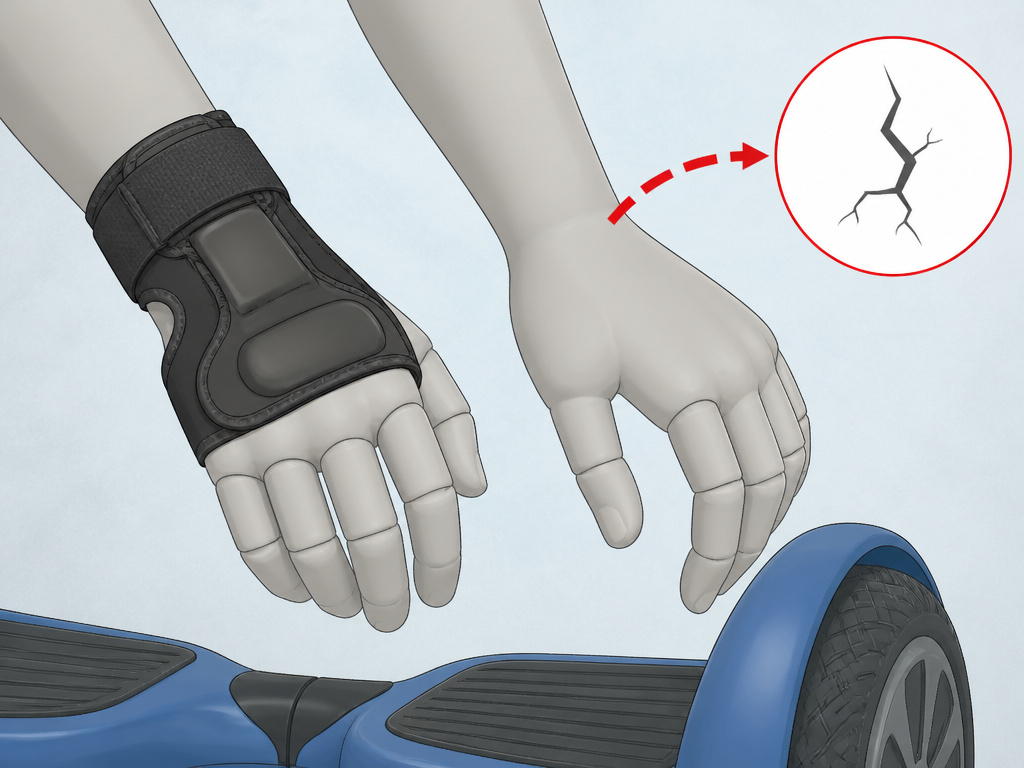
The other major hazard is clear. Even if the battery didn’t catch fire, hoverboards presented a significant fall risk, especially for new users. Hoverboards presented a significant fall risk, especially for new users. Research by athenahealth found 144 patients in its network cited “hoverboard” as a cause of illness in late 2015. Common diagnoses included wrist fractures, concussions, and headaches.
The CPSC Chairman recommended the same safety gear as skateboarding: a helmet, knee and elbow pads, and wrist guards. This gets to a core principle in any wheeled sport: your first skill isn’t going; it’s stopping, and more importantly, falling safely. Many buyers, caught up in the trend, skipped this step entirely. The result was a parallel wave of emergency room visits that further eroded the product’s reputation.
The Legacy and Current Status of Hoverboards
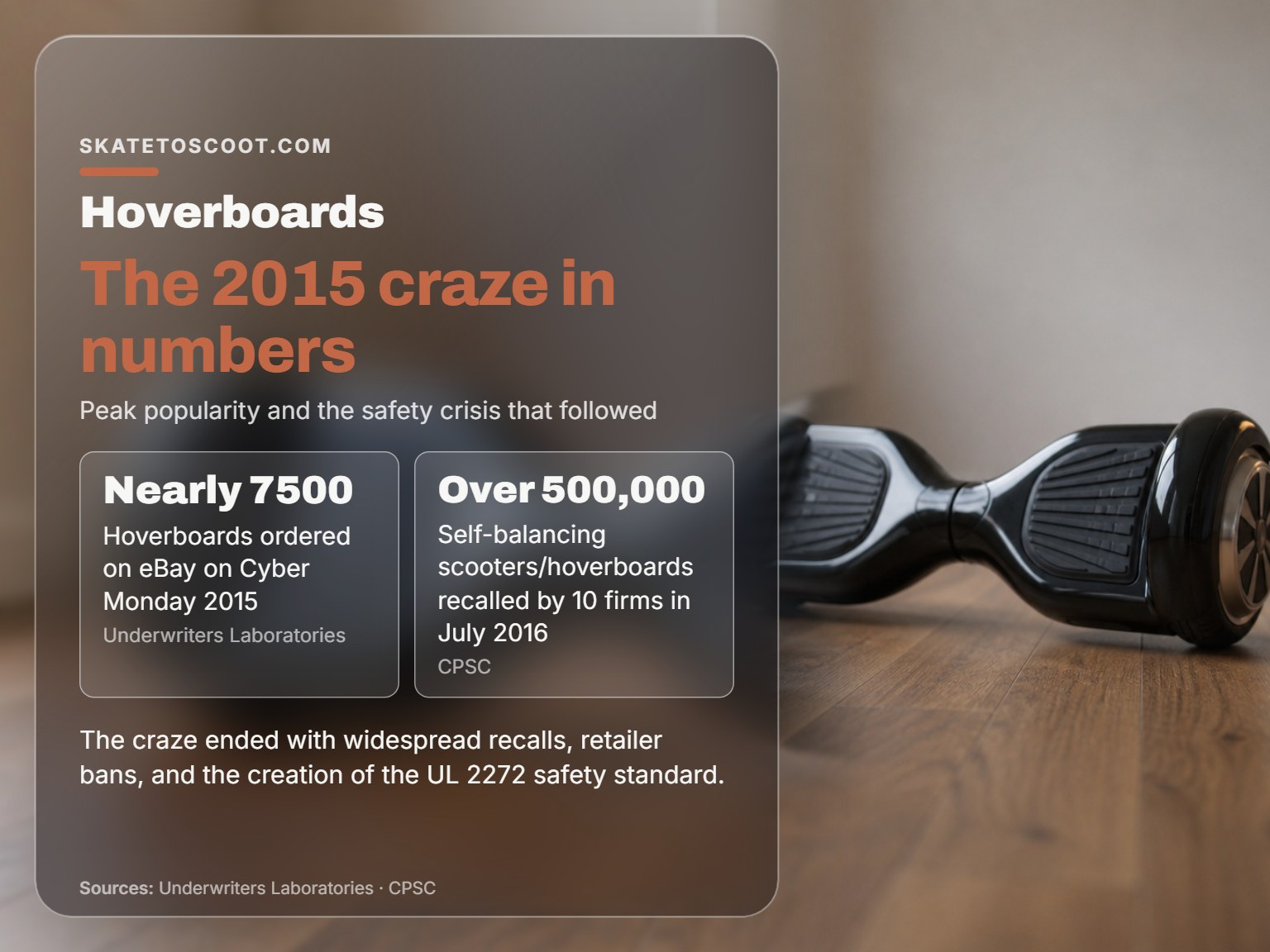
So, are hoverboards still popular? Not in the 2015 sense. The mainstream craze is unequivocally over. The market that exists today is a niche one, built around compliance and specific use cases.
- The UL 2272 Mandate: Any new hoverboard worth considering will prominently display UL 2272 certification. This is your essential baseline for safety.
- Niche Applications: You’ll find them in controlled environments like warehouses for material transport, or paired with go-kart attachments for recreational tracks. Their utility in stable, predictable settings remains.
- Market Displacement: The consumer micro-mobility field has been decisively won by electric scooters (e-scooters) and e-bikes. These offer greater stability, range, and a more mature regulatory framework. For the average person, a hoverboard is no longer the default choice for personal transport.
The hoverboard’s history is now a clear case study in product lifecycle. A viral trend, fueled by social media, met the hard realities of mass manufacturing, product safety, and public policy. Interesting facts about their era are now cautionary tales for the gadget industry.
What replaced that frenzied popularity was a regulated, quieter market. You can still buy a hoverboard, but you’re buying a specific tool with a known safety standard, not a cultural phenomenon. Safety risks are now well-defined and largely mitigated by certification, assuming you do your homework as a buyer.
Why did hoverboard prices fall so fast?
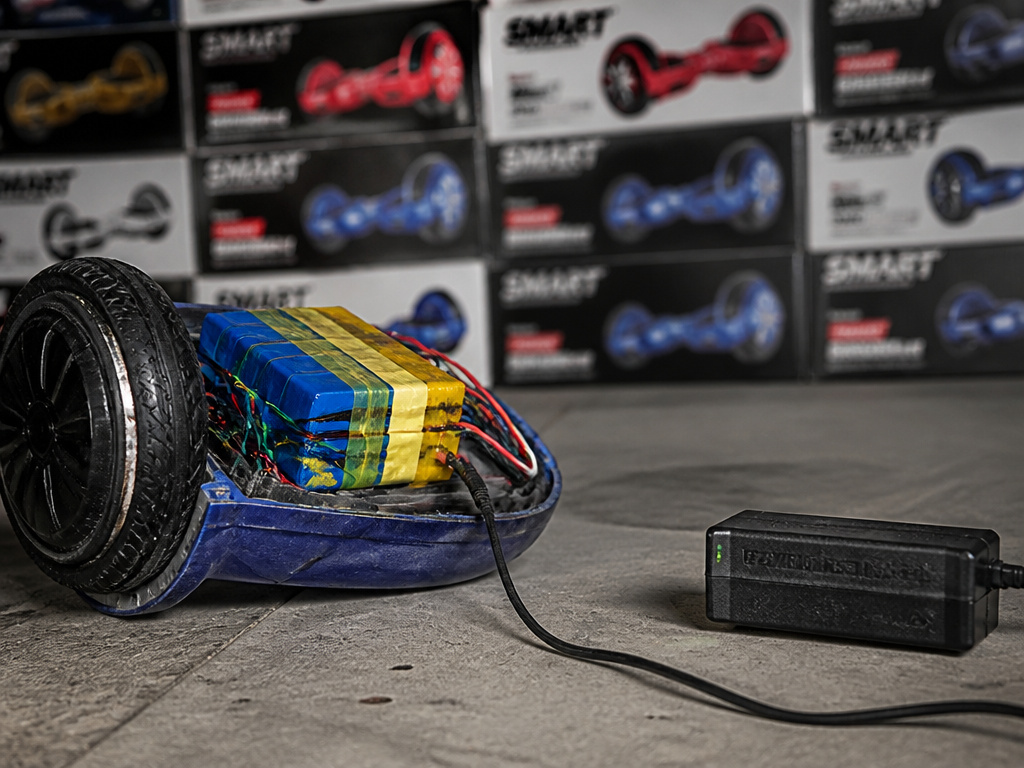
The initial holiday hype created a massive, instant market. As demand skyrocketed, a flood of cheaper, uncertified models rushed in to capitalize on the trend. These knockoffs often cut corners on critical components, particularly the lithium-ion battery packs and charging systems. Major retailers like Amazon, Overstock, and Target eventually pulled many models from their shelves due to safety concerns, but the sheer volume of low-cost imports had already saturated the market. This race to the bottom drove prices down rapidly, but it seriously harmed product reliability and safety.
Were there any trustworthy hoverboard brands?
During the peak of their popularity, the market was dominated by a confusing array of brands with little to no established reputation. Consumers faced a bewildering list of names, many of which were implicated in a major coordinated recall of over 500,000 units. The situation was worsened by the prevalence of counterfeit safety certification marks on products. This lack of clear, reputable manufacturers made it extremely difficult for buyers to distinguish a safe product from a dangerous one. The resulting consumer hesitation was a major factor in the market’s collapse, as trust evaporated alongside reports of fires and injuries.
Frequently Asked Questions
What year did hoverboards become popular?
Hoverboards became massively popular in 2015, with the peak hitting during the 2015 holiday shopping season. Sales data and regulator reports all center on late 2015 through early 2016 as the absolute height of the trend.
Why were hoverboards discontinued?
They weren’t discontinued entirely, but their mainstream popularity was killed by a combination of major safety recalls, widespread retail and airline bans, and the implementation of the UL 2272 safety standard. Over 500,000 units were recalled in July 2016 due to fire hazards, effectively ending the craze.
How much was a hoverboard in 2016?
During the peak, prices varied wildly based on branding and perceived quality, but the flood of cheap, non-compliant models also drove down average prices. The cost of a hoverboard today reflects the addition of mandatory safety testing and certification, shifting the market from a trend-driven free-for-all to a more regulated niche product.
Were hoverboards real in the 80s?
No. The hoverboard name was inspired by the fictional floating skateboard from the 1989 film Back to the Future Part II. The real self-balancing scooters that emerged in the 2010s have wheels and do not actually hover, but the catchy name stuck.
Are hoverboards safe now?
Hoverboards that are certified to the UL 2272 safety standard are considered significantly safer than the pre-2016 models. The CPSC and other regulators urge consumers to immediately stop using any hoverboard that does not comply with this standard. Always look for the UL 2272 mark.
Before You Go
The hoverboard’s story is a masterclass in how fast a product can move from viral sensation to regulatory target. The popularity window was narrow, essentially late 2015 to mid-2016, and its closure was directly tied to tangible, documented hazards.
If you’re looking at a hoverboard today, your first and only question should be about UL 2272 certification. Anything else is a step back into that unregulated, dangerous 2015 market. The devices that defined that era are now collector’s items for the wrong reasons; the ones you can buy today are fundamentally different products built to a stricter set of rules.
Their status today is one of managed safety. The frenzy is over, replaced by the quieter, more sensible process of buying a certified piece of recreational equipment. In the world of wheeled gadgets, that’s almost always a better place to be.
