Impala Skate Review: Quad vs. Inline Models
This post contains affiliate links. As an Amazon Associate, we earn from qualifying purchases.
Impala roller skates and inline skates are beginner-friendly, fashion-forward recreational gear, not high-performance equipment. The Impala quad skate features an aluminum baseplate, 57mm 82A wheels, and ABEC 7 bearings. The Impala Lightspeed inline skate uses a Cult soulframe with rockerable wheels and a high cuff. Both come with a 3-month limited warranty that excludes second-hand purchases or misuse. For basic trail skating and learning, they can work. For park skating, aggressive moves, or long-term durability, their quality control issues and component limitations mean you’ll likely outgrow or break them quickly.
That warranty period is the first signpost. Three months isn’t a promise of longevity; it’s the manufacturer’s own estimate of the risk window for a defect in materials or workmanship, a point often noted in an Impala skate review. It frames the entire ownership experience.
What follows is a breakdown of the specs you’ll actually feel, the common points of failure you should inspect weekly, and a direct comparison between the quad and inline lines. By the end, you’ll know exactly which skater these are built for, and whether that’s you.
Key Takeaways
- The 3-month warranty is a hard stop, any defect not caught in that window is yours to fix, and it doesn’t cover heel separation from misuse or second-hand skates.
- Check the heel seam weekly; a lifting sole or a visible gap means the boot is failing and the skate is no longer structurally safe for anything beyond gentle rolling.
- For men considering the Impala Lightspeed inline skate, the sizing runs narrow; you may need to upsize several sizes from your street shoe, which can compromise fit and control.
- The stock 57mm 82A wheels on quads are fine for smooth pavement and rinks, but they’re slow and jarring on rough trails; upgrading to larger, softer wheels is the first worthwhile modification.
- These are recreational skates, not park skates; the aluminum plate on the quad is a step above plastic, but the overall construction isn’t built for jumps, grinds, or high-impact use.
The 3-Month Warranty Reality
The warranty isn’t a guarantee. It’s a timer.
Impala Quad Skates come with a Limited Warranty period of 3 months from the date of purchase. This isn’t unusual for entry-level recreational gear, but it’s critical to understand what it does and does not cover.
Where this goes sideways: The warranty does not apply if a product defect is attributable to “misuse, abuse, accident, or failure to comply with instructions.” It also does not cover products purchased second-hand or from unauthorized retailers. In practical terms, if your heel separates after a few hard stops or a stumble, that’s likely classified as “misuse,” not a manufacturing flaw.
I’ve seen this play out in coaching. A student shows up with a second-hand pair, and later the sole starts to pull away. They have no receipt, no original purchaser, and no claim. The repair, if it’s even possible, is now their cost and their problem.
This leads directly to the most common physical failure you need to watch for.
The Heel Separation Check (Do This Weekly)
The bond between the boot’s upper and the sole is the single most reported point of failure. It’s not a matter of if you should check it, but how often.
Look at the back of the skate, right where the colored boot meets the white or black sole. Run your thumb along that seam. It should be tight, with no gap you can slip a fingernail into. Now, flex the boot forward with your hands. Listen and feel. A healthy seam is silent. A failing one makes a faint, dry creaking sound, like cardboard bending, or you’ll feel a slight, gritty movement.
A separating heel doesn’t announce itself with a bang. It starts as a hairline gap you can’t even see, just a millimeter of lift after a session where you put extra pressure on the back wheels. Ignore that creak, and the gap can widen until the sole detaches.
What to do if you find a gap: Stop skating on them immediately. For a very small, early separation, a high-strength flexible adhesive can be a temporary field repair. But understand this is a bandage, not a fix. The structural integrity of that bond is compromised. These skates are now only suitable for the gentlest, straight-line cruising, if at all. This is the primary reason many experienced skaters hesitate to recommend Impalas for anything beyond a true beginner’s first steps.
Impala Quad vs. Inline: Which Model is For You?
The brand makes two distinct types of skates, and they serve different purposes. Confusing them is a fast track to buyer’s remorse.
| Model | Best For | Key Limitation | First Upgrade |
|---|---|---|---|
| Impala Quad Skate | Indoor rinks, smooth trails, disco/dance skating, absolute beginners. | 57mm 82A wheels are slow on rough asphalt and transmit every bump. | Larger, softer outdoor wheels (e.g., Radar Energy 62mm). |
| Impala Lightspeed Inline | Casual street skating, beginners who prefer inline stability, fashion-focused riders. | Plastic frame feels “slow and sluggish” compared to aluminum; 6mm bolts are non-standard. | Swapping for standard 8mm axles/frames if possible. |
The quad skate is the classic four-wheel model. Its aluminum baseplate is a legitimate feature that adds responsiveness over a cheap plastic plate. The 57mm diameter, 82A hardness wheels are a middle-ground spec. They’ll roll on most surfaces but lack the squish and size to comfortably eat up cracks and pebbles on real trail skating. For a review of Impala roller skates, the quad is the default most people picture.
The Lightspeed inline is a different beast. It’s built on a Cult soulframe, a plastic frame that adjusts to foot size. Some reviewers note it feels “very slow and sluggish” compared to skates with aluminum frames, while others find Impala roller skates great for trail skating. A significant spec oddity is its use of 6mm bolts instead of the industry-standard 8mm, which limits aftermarket frame upgrades. Its high cuff provides good stability for new skaters, and every wheel is rockerable for maneuverability. If you’re curious about the Impala inline skate performance, know that it’s designed for casual rolling, not speed or aggressive skating.
Sizing, Fit, and the Break-In Period
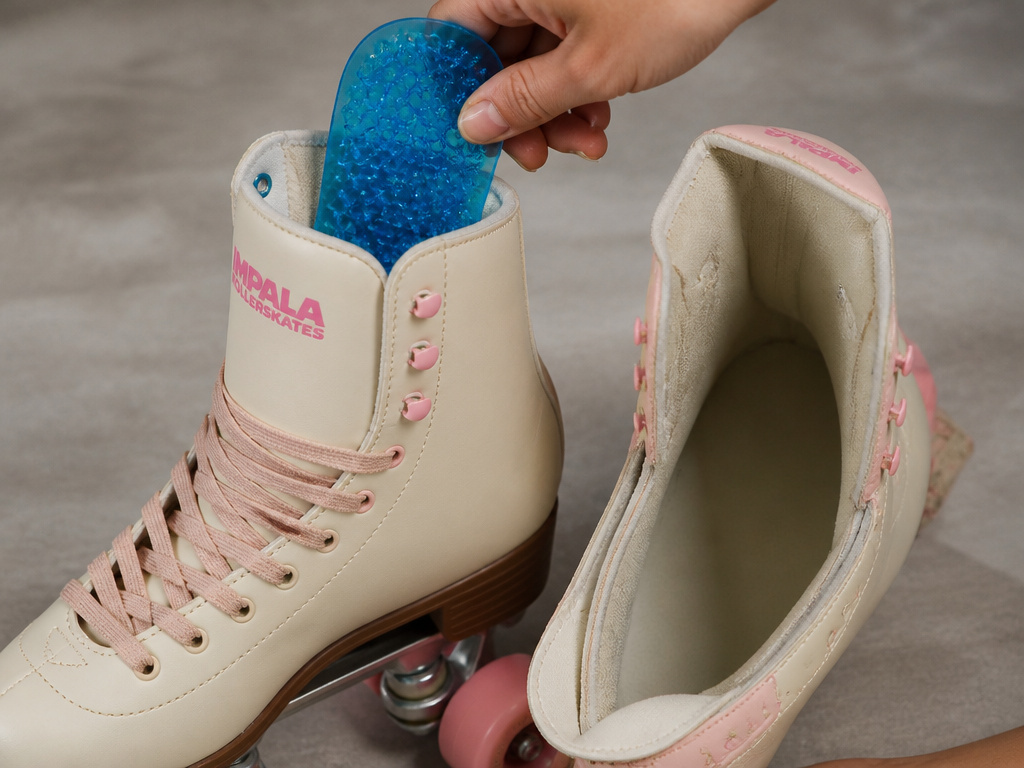
Impalas fit narrow, and the break-in is more about managing expectations than molding the boot.
The company states their skates are “made for recreational use in and outdoors” and recommends using their size chart to convert for men’s and kids’ sizing. In practice, the toe box is notoriously tight. If you have wide feet, the break-in period can be painful, and they may never truly feel comfortable. Gel inserts or wearing thinner socks can help, but it’s a workaround, not a solution.
For the Impala Lightspeed inline skate, the sizing issue is amplified for men, a point often clarified in an Impala skate review. Sources disagree on the primary target audience: some state Impala skates are primarily targeted at women and casual newcomers, while the brand states it is ‘for everyone’. For the Impala Lightspeed inline skate, sources disagree on sizing: one reviewer advises men to upsize several sizes, while Impala recommends using their size chart. This isn’t a break-in issue; it’s a fundamental mismatch between the product’s design and a portion of its intended audience.
The break-in period requires some time for the synthetic materials to compress. You’re not softening premium leather; you’re allowing the synthetic vegan materials and internal padding to compress. The stiffness that feels supportive on day one should ease into a snugger, more flexible feel. If the skate is still causing hot spots or pinching after 10 hours, it’s the wrong size or shape for your foot.
Component Quality and the Upgrade Question
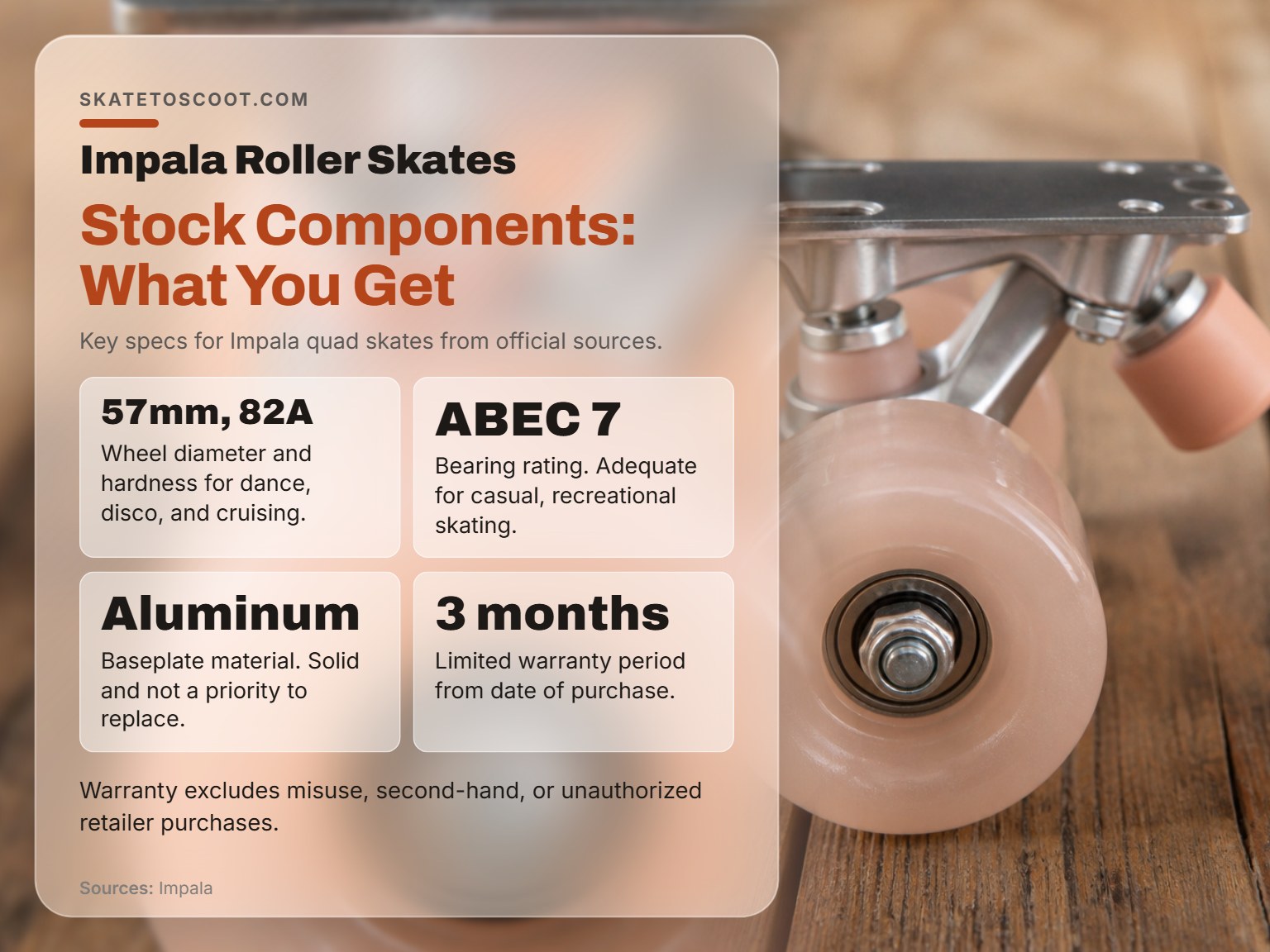
Should you upgrade an Impala, or save for a better complete skate? The answer depends on the component.
Let’s run through the stock parts:
- Bearings: ABEC 7. For casual skating, these are perfectly adequate. The return on investment for “better” bearings here is negligible until everything else on the skate is upgraded.
- Wheels (Quad): 57mm, 82A. These are the first and most impactful upgrade. Swapping to larger, softer wheels makes a big difference outdoors. It’s like switching from a city bike to a mountain bike, you roll over obstacles instead of catching on them.
- Trucks & Cushions: Stock. They are serviceable but not precision. Loosening the kingpin nut to adjust truck tightness is your main tuning tool. Upgrading cushions can offer a slightly more responsive turn, but it’s a minor gain on this platform.
- Plate (Quad): Aluminum. This is solid. You don’t need to replace it unless it cracks (a rare but reported issue under extreme stress).
- Frame (Lightspeed Inline): Plastic with 6mm bolts. This is the biggest upgrade barrier. The non-standard bolt size locks you into Impala’s ecosystem or requires a full hardware swap.
Common mistake: Throwing $100 worth of premium wheels and bearings onto a $120 skate with a separating heel. Upgrade incrementally, and only if the core boot and plate are sound. If you find yourself wanting to change multiple major components, you’re financially better off putting that money toward a more capable Chicago skate review model or a Chaya vintage skate models from the start.
Are Impala Skates Good for Beginners?
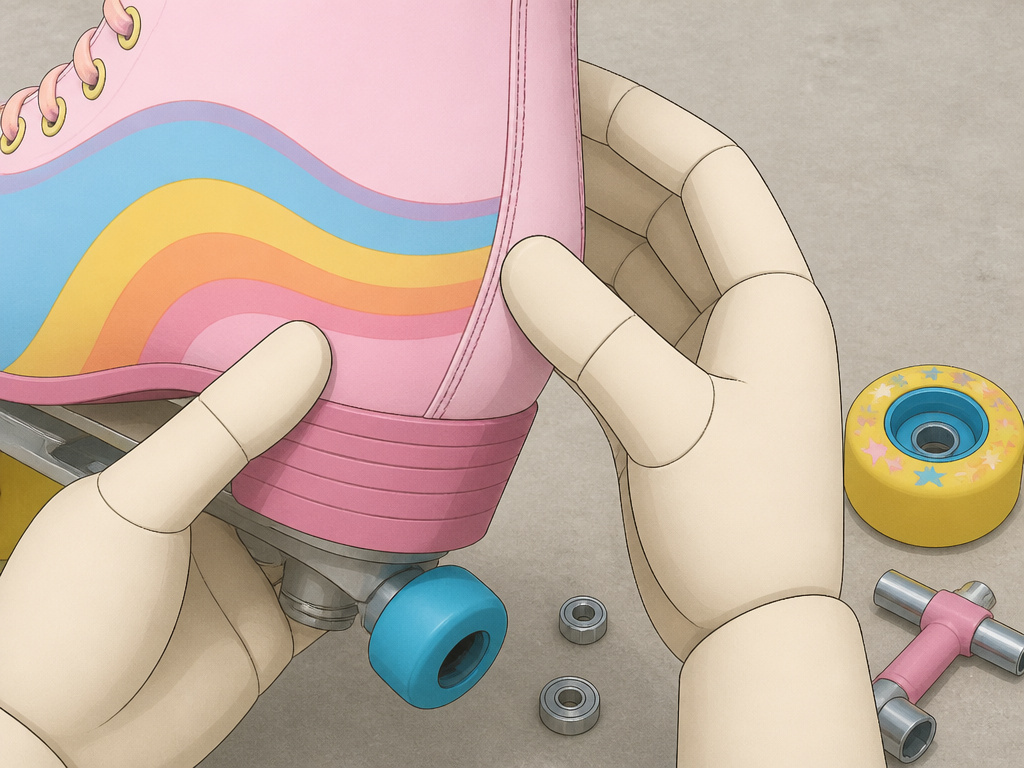
Yes, but with a stack of caveats taller than the skate itself.
For an absolute beginner who wants to try roller skating or inline skating on a budget, who will stick to smooth surfaces, and who understands they are buying a starter tool, Impalas can be a valid entry point, a conclusion found in many an Impala skate review. Their bright colors and retro style are a genuine motivator. The included manual on the Lightspeed and the overall unboxing experience are thoughtfully done for a newcomer.
However, “beginner” doesn’t mean “indestructible.” A beginner still falls, still stumbles, and still puts unexpected stress on the equipment. This is where Impala’s quality control lottery comes into play. Two beginners can buy the same model: one skates trouble-free for a year before upgrading, while the other has a heel detach in six weeks.
If you proceed, your responsibility is vigilance. Inspect the heel seam before every session. Tighten all hardware with the provided tool. Recognize that the stock wheels will limit your comfort on rough ground. And have a plan for what happens after the 3-month warranty expires, because that’s when most issues reveal themselves.
Frequently Asked Questions
Are Impala skates actually good?
They are good at being affordable, stylish, and accessible beginner skates for light recreational use. They are not good at being durable, high-performance, or park-ready skates. Your definition of “good” depends entirely on your expectations and skating goals.
Do Impala skates run small or big?
They run narrow. Most people find they fit true to their street shoe length but feel tight in the width, especially in the toe box. For the Lightspeed inline model, men often need to size up significantly (2-3 sizes) to accommodate a wider foot, which can then make the boot too long.
What are the controversies surrounding Impala roller skates?
The community disagrees on durability: some report severe quality control issues like heel separation and advise against them, while others find them fine for basic recreational use if checked regularly. Their marketing as a fashion brand owned by a corporate giant (Globe International) also leads some to view them as a “cash grab” targeting newcomers rather than a brand invested in the sport’s growth and safety.
Is Impala a good skateboard?
This review focuses on their roller and inline skates. The Impala brand, as part of Globe International, is a women’s brand specializing in urban rollin sports including skateboards. Their skateboards generally occupy a similar niche: affordable, fashion-forward completes aimed at casual riders and beginners, not technical street or park skaters.
How long do Impala skates last?
There is no single answer. With exclusive light, recreational use on smooth surfaces and diligent inspection, a pair could last a beginner a year or more until they outgrow the skill ceiling. With regular use, outdoor skating, or any aggressive maneuvers, failures like heel separation or hardware issues can occur within the first 3-6 months. The warranty period is 3 months from the date of purchase.
Before You Go
Here’s the blunt take. Impala skates are a test.
They test whether you’ll stick with skating long enough to justify a better pair. They test your diligence in checking gear for wear. And they test your tolerance for a product where your individual experience may differ wildly from the marketing.
If you buy them, buy them new from an authorized retailer to get that 3-month timer started. Take them out of the box and immediately check every bolt and seam. Plan your first upgrade to be softer, larger wheels if you’ll skate outdoors. And mark a monthly reminder in your phone to inspect the heel separation point.
For some, that’s too much hassle for a beginner skate. They’d rather start with a used but more robust model from a brand like Chaya skates or save a bit longer. For others, the low entry cost and instant style are worth the gamble. Just know the odds you’re playing, and inspect your cards before you bet.
