Impala Skates Review: Sizing, Fit, and Break-In Period
This post contains affiliate links. As an Amazon Associate, we earn from qualifying purchases.
Impala skates are affordable, stylish beginner skates with a 3-month warranty, designed for casual indoor and outdoor use. The quad models come with 57mm 82A wheels and ABEC 7 bearings, while the inline Lightspeed models use non-standard 6mm frame bolts. Their value hinges entirely on whether you stay within their strict recreational limits, push them into park skating or aggressive use, and the widely reported durability issues like heel separation become a near certainty.
That 3-month warranty is the line in the sand. It’s not a suggestion; it’s the manufacturer’s calculated risk period. Impala knows their skates are built for a specific weight class and use case. Skating within those bounds might extend their usable life for casual cruising. Skating outside them, heavier skater, park jumps, rough terrain, and you’re looking at a failure inside a few weeks.
What follows is a breakdown of the specs you can trust, the common failures you can’t ignore, and the real-world timeline from unboxing to potential breakdown. We’ll compare the quad and inline models, give you a clear sizing strategy, and lay out the upgrade paths that actually make sense if you outgrow the stock setup. By the end, you’ll know exactly who these skates are for and how to make them last.
Key Takeaways
- The 3-month warranty is voided by unauthorized service or non-approved parts, making DIY repairs a gamble.
- Size up if you have wide feet; the toe box runs narrow, and the official size chart is your best starting point.
- Some reviewers note the trucks are shipped ‘way too loose,’ leading to instability, while the manufacturer implies they are ready out-of-the-box.
- A retailer review recommends upgrading to larger, softer wheels like 62mm for long-distance cruising, while the manufacturer’s specification implies the stock 57mm 82A wheels are suitable for most surfaces.
- These are strictly recreational skates; park skating or aggressive use dramatically accelerates boot and plate failures.
The Official Specs & Warranty Details
The specs on paper describe the skate’s intended performance, not its actual durability. Impala publishes these numbers, and they’re consistent.
The Impala Quad Skate rolls on 57mm diameter, 82A hardness wheels. That’s a medium-soft urethane, decent for absorbing sidewalk cracks and providing a bit of grip on indoor rink floors. They’re paired with ABEC 7 bearings, a mid-tier rating that means they should be relatively fast and smooth when new. The brake is a fixed bell-type stopper with a 5/16” imperial thread. The boot is a PVC upper mounted to a cast aluminum plate with aluminum trucks.
For the Impala Lightspeed Inline Skate, the key differentiator is in the frame. It uses 6mm axle bolts instead of the standard 8mm. This isn’t an upgrade; it’s a cost-saving measure that limits your aftermarket wheel and frame options down the line. The frame itself is rockerable, which is a nice touch for maneuverability.
The Impala Quad Skate Limited Warranty covers defects in materials or workmanship for 3 months from the date of purchase for the original buyer. The warranty is voided if the product is serviced by an unauthorized person or if non-approved replacement parts are used. It does not cover products purchased second-hand.
The warranty language is specific for a reason. That “unauthorized service” clause means if your local skate shop glues a separating heel back on, you’ve forfeited coverage. The “non-approved parts” clause locks you into their ecosystem. This isn’t a skate you modify freely.
| Component | Impala Quad Skate | Impala Lightspeed Inline | Purpose & Limitation |
|---|---|---|---|
| Wheels | 57mm, 82A hardness | Not specified in detail | Smooth surfaces only. Wear down quickly on rough asphalt. |
| Bearings | ABEC 7 | Likely similar | Decent for beginners. Slower than higher ABEC ratings used in performance skates. |
| Frame/Bolts | Cast aluminum plate | Frame with 6mm bolts | Aluminum plate is standard. 6mm bolts are non-standard, complicating upgrades. |
| Primary Use | Recreational indoor/outdoor | Recreational cruising | Not designed for park, aggressive, or high-speed skating. |
| Warranty | 3 months, with strict conditions | 3 months, with strict conditions | Very short duration relative to other sporting goods. Conditions heavily favor the manufacturer. |
The takeaway here is simple. You are buying a complete, closed-system product for a specific job. It’s not a platform for growth.
Common Failures & What Owners Actually Report
The specs set the stage, but the community reports write the script. If you spend twenty minutes in any roller skating forum, you’ll see the same stories on repeat. They aren’t outliers.
The most infamous is heel separation. The adhesive bonding the boot’s heel cup to the sole fails, often with a visible gap you can slide a credit card into. It starts as a slight lift and can progress to a full disconnect. This isn’t a “maybe.” For skaters over a certain weight or those attempting jumps or frequent stops, it’s a “when.” The physics are straightforward: a lever force is applied at the front of the foot, and the weakest point, that glue joint, gives way.
Where this goes sideways: Ignoring a slightly lifted heel. Once the separation starts, it compromises ankle support and plate alignment. A full detachment during a roll can cause a serious fall. It often happens after a period of regular use.
Wheels are the next consumable. The stock 57mm 82A wheels work, but they wear down with surprising speed on concrete or asphalt. You’ll see them cone, develop a slanted profile, much faster than a quality aftermarket wheel. A retailer impala skates review explicitly suggests upgrading to larger, softer wheels like 62mm for long-distance cruising, admitting the stock setup is suboptimal for that purpose.
Then there’s the “out-of-the-box” experience nobody talks about in the ads: loose trucks. Multiple video reviewers note the trucks are shipped dangerously loose, leading to a wobbly, unstable feel for a beginner. Your first task shouldn’t be learning to skate; it should be learning to use a skate tool.
I’ve coached beginners who started on Impalas. The ones who stuck to smooth tennis courts and rinks sometimes made it a year. The one who took them to a skatepark to try a small ramp saw the heel separate on the third landing. The sound was a sickening crack, not a clean snap of plastic, but a delaminating tear. She was fine; the skates were not.
Quad vs. Inline: Which Impala Model Makes Sense?
You’re not just choosing Impala; you’re choosing between a four-wheel and an inline setup. The differences matter more than the colorway.
Impala Quad Skates are the classic choice. That four-wheel stability is a huge confidence booster for day one. The wider footprint makes balancing easier, and the muscle memory feels more natural if you’ve ever ice-skated. They’re better for the casual “skate and vibe” experience, think outdoor paths, boardwalks, and rink nights. Their limitation is speed and maneuverability. Slaloming through cones or building serious speed feels harder on a quad setup.
Impala Lightspeed Inline Skates trade that stability for a faster, more fluid roll. Inlines are more efficient for covering distance. The rockerable frame on the Lightspeed is a genuine feature, allowing you to adjust the wheel configuration for easier turning. However, the 6mm bolt issue is a real constraint. It means your upgrade path for frames and wheels is severely limited unless you find adapters or specific 6mm-compatible hardware.
| Consideration | Choose Quad Skates If… | Choose Inline Skates If… |
|---|---|---|
| Balance & Stability | You’re a complete beginner nervous about wobbling. | You’re comfortable with a narrower base and want to go faster. |
| Primary Use | Casual cruising, rink skating, dance-style moves. | Fitness skating, longer distance rides on smooth trails. |
| Upgrade Path | More straightforward. Plates and wheels are standard. | Complicated by non-standard 6mm frame bolts. |
| Ankle Support | Generally higher due to the boot design. | Varies; the Lightspeed liner lacks neoprene in the toe box per one review. |
For a true first-timer, the quads are the safer bet. The learning curve is less steep. If you know you want to eat up miles on a bike path, the inlines might call to you, just go in knowing the frame is a potential dead-end.
Sizing, Fit, and the Break-In Period
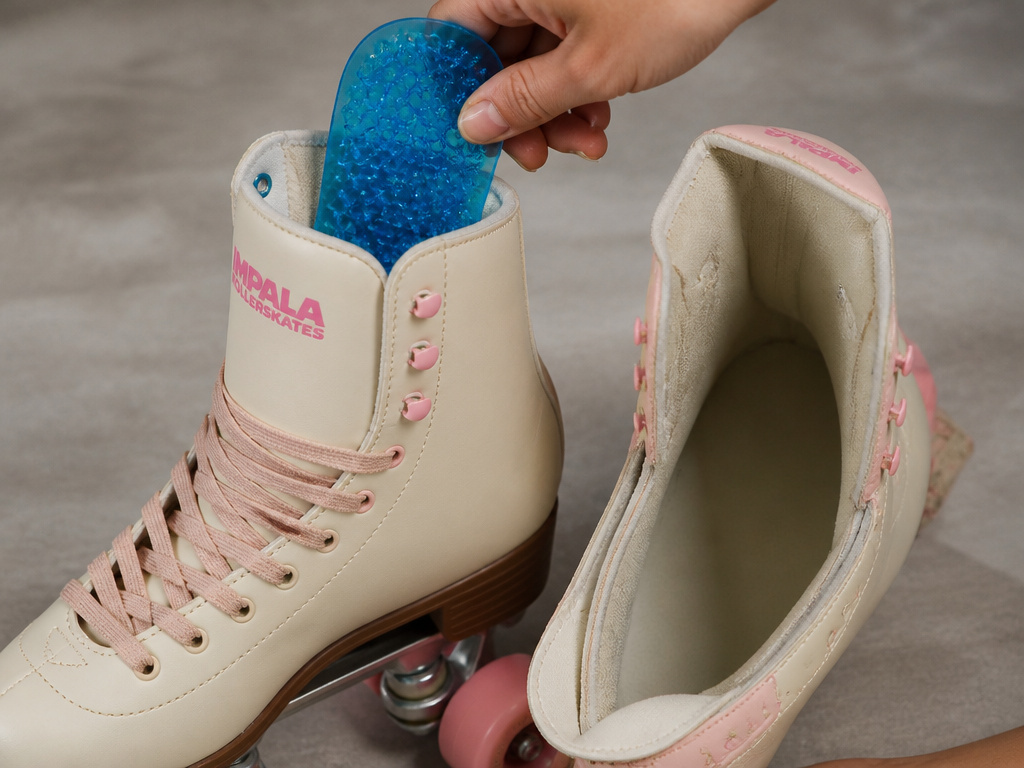
Getting the size wrong is the fastest way to hate your new skates. Impala’s own FAQ stresses using their size chart, and they’re right. Do not assume your shoe size translates.
The universal complaint is a narrow toe box. If you have even moderately wide feet, you will feel pressure on the sides of your forefoot. The advice from the community is consistent: size up. A little extra length is easier to manage with socks or an insole than crushed toes are to endure. Remember, the boot will pack out slightly with wear, but it won’t stretch width-wise significantly.
The break-in period is real. These are not soft, comfortable sneakers out of the gate. The initial break-in period will feel stiff and unforgiving, especially around the ankle collar. This is normal for a vinyl or PVC boot. Heat-molding with a hairdryer can help, but be cautious, overheating can damage the material. The goal is to soften it, not melt it.
What most people get wrong is lacing. You don’t need to crank the laces death-tight from toe to top. Keep them snug over the instep for control, slightly looser in the toe box for circulation, and tight again at the ankle for support. It’s a gradient, not a tourniquet.
Performance for Beginners: Realistic Expectations
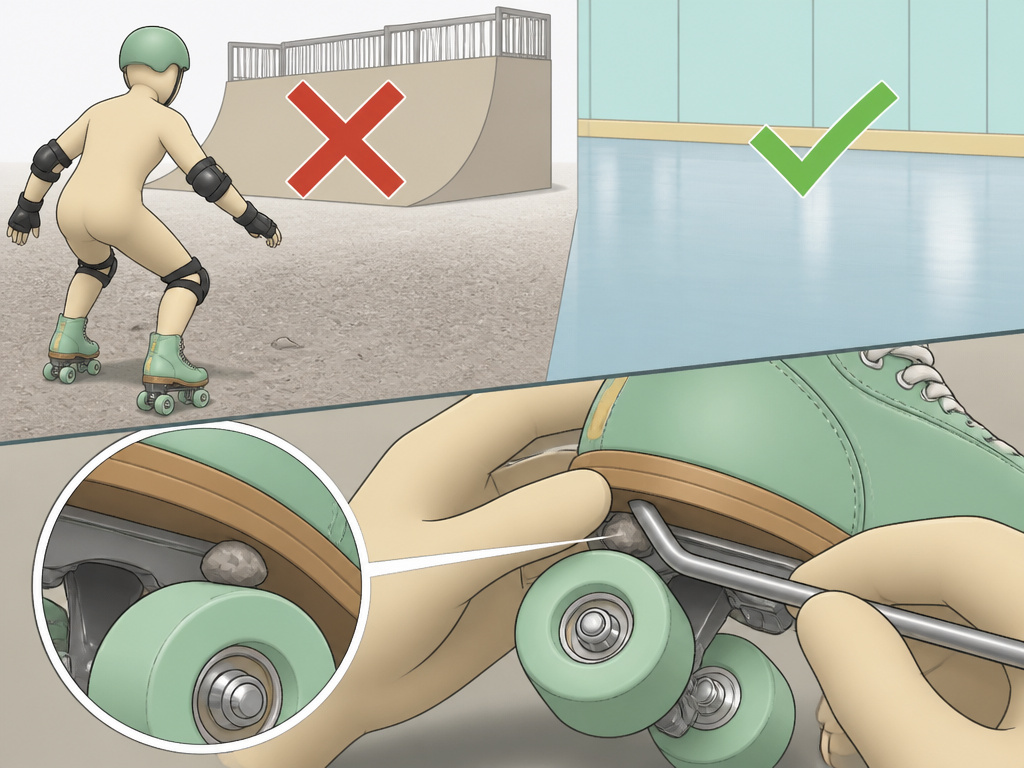
So you’ve tightened the trucks, laced them up, and stepped onto the pavement. What can you actually do?
For basic cruising and rink skating, they’re adequate. The wheels will roll, the bearings will spin. You can learn your fundamental strides, crossovers, and beginner stops like the toe-stop drag or plow stop. This is the sweet spot the skates are built for.
The moment you step into outdoor skating on rough terrain, the limitations shout. Those 57mm wheels will get hung up on pebbles and cracks more than larger wheels would. Vibration travels right up the aluminum plate into your feet. It’s doable, but it’s work.
Common mistake: Taking Impalas to a skatepark. The aluminum plate and truck assembly is not designed for impact. A hard landing from even a small jump can bend the plate or stress the mounting points. The boot material also lacks the reinforcement needed for repeated abrasion from grinds.
Are they good for beginners? Yes, but with a massive asterisk. They are good for a beginner whose goal is casual recreation and who understands they are a starter kit, not a lifelong tool. They are a terrible choice for a beginner who dreams of park skating or aggressive moves, as they will fail before your skills are ready for an upgrade.
The Upgrade Conundrum: Can You Make Them Better?
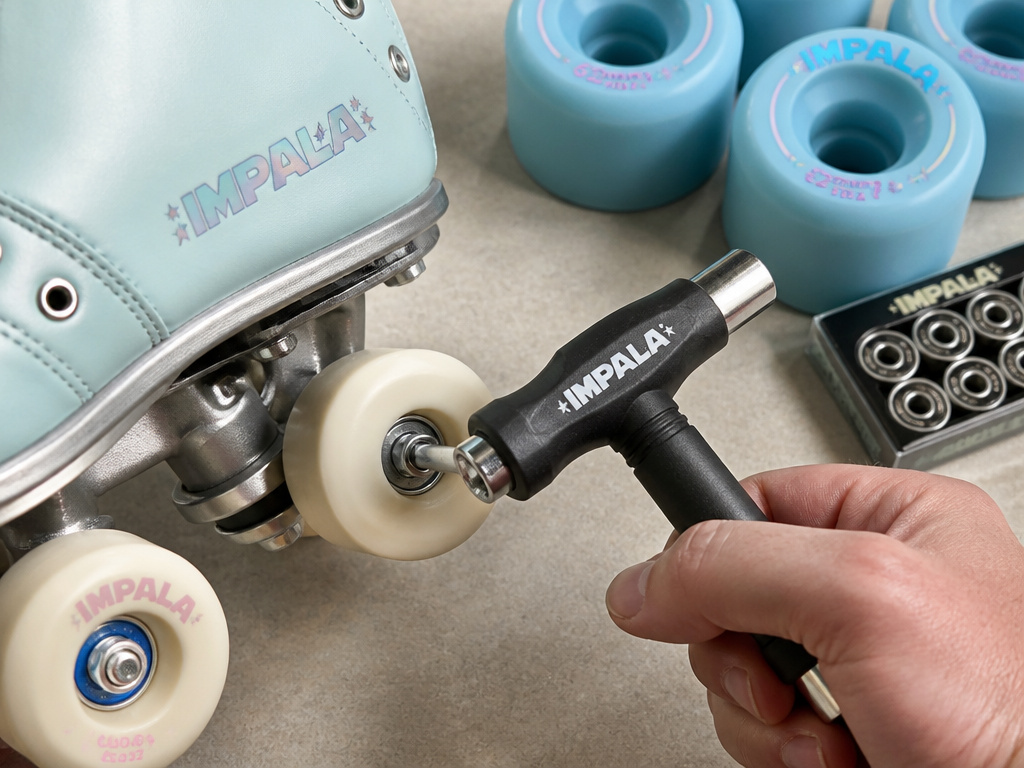
The urge to upgrade is strong. You love the boot color, but the wheels are slow, or the bearings are noisy. Here’s the hard truth about modifying Impalas.
Upgrading wheels and bearings is the easiest and most effective change. Swapping to a larger, softer wheel (like a 62mm 78A) will smooth out rough pavement immensely. Better bearings will reduce rolling resistance. This is a worthwhile investment that can extend the useful life of the skates for cruising.
However, the warranty clause looms. Installing those “non-approved” parts technically voids your coverage. For a skate with a 3-month warranty, that’s a small risk, but it’s a legal reality.
Upgrading the plates or trucks on the quad model is a complex, expensive procedure usually requiring a professional skate shop. By the time you pay for new plates and labor, you’ve exceeded the cost of the skates themselves. It’s almost never cost-effective.
For the Lightspeed Inline, the 6mm bolt problem is a wall. Most aftermarket frames are built for 8mm axles. Your frame options are essentially locked to Impala’s own ecosystem unless you find a rare compatible part.
My stance? Upgrade the wheels and bearings for a better experience, accept that the rest is a closed system, and start saving for your next pair of skates from a brand that designs for component swaps from the start, like certain Chicago skate models.
Long-Term Value vs. Immediate Cost
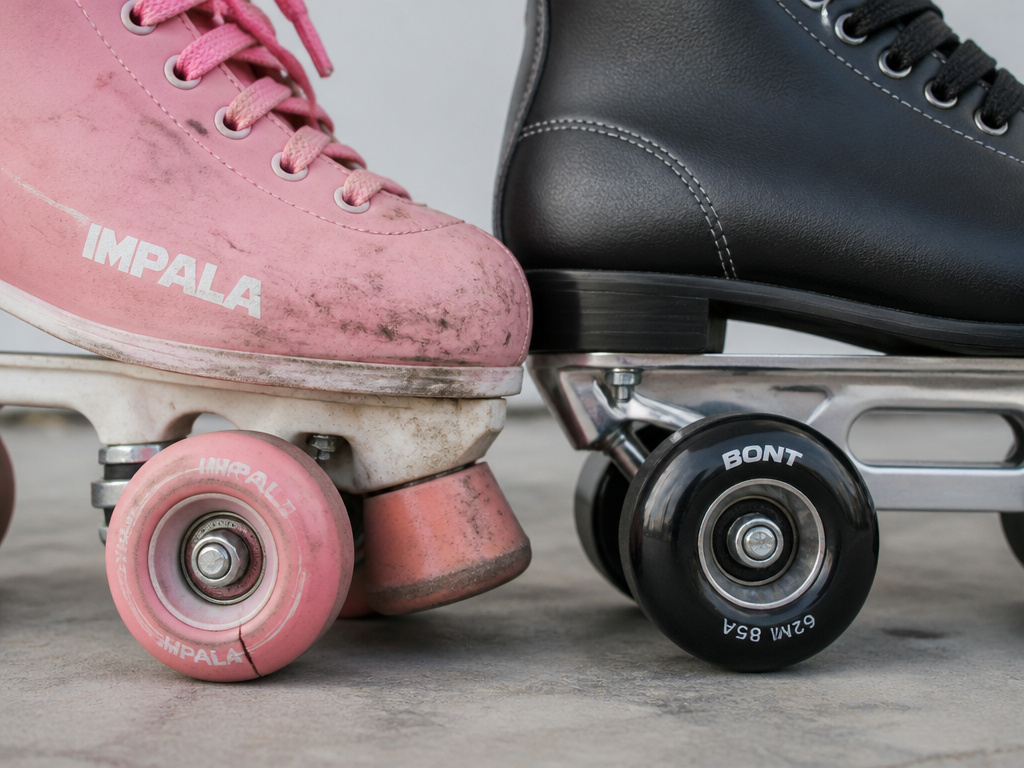
The Lightspeed Inline is about $169. This is undeniably affordable in a hobby where performance skates are often more expensive.
You’re paying for the look and the entry ticket. The value calculation is purely time-based. If you skate once a week for casual fun and they last you a year, that’s a decent cost-per-session. If you skate more aggressively and they fail prematurely, you’ve wasted money.
Compare this to more expensive skates from other brands that might come with a longer warranty, better components, and a repairable construction. The initial hit is bigger, but the long-term cost per skate session plummets.
It’s the fast-fashion model applied to sporting goods. It’s trendy, cheap, and not built to last. For some people, that’s perfectly fine. They want a pink skate for a summer of Instagram photos at the beach. For others who catch the skating bug, it’s a frustrating bottleneck that forces a second purchase sooner than necessary.
When researching, don’t just read our Impala skate review. Look at lists of the best quad skates to see what features and durability you get at the next price point. It frames the decision.
Impala Lightspeed Inline Skate Review
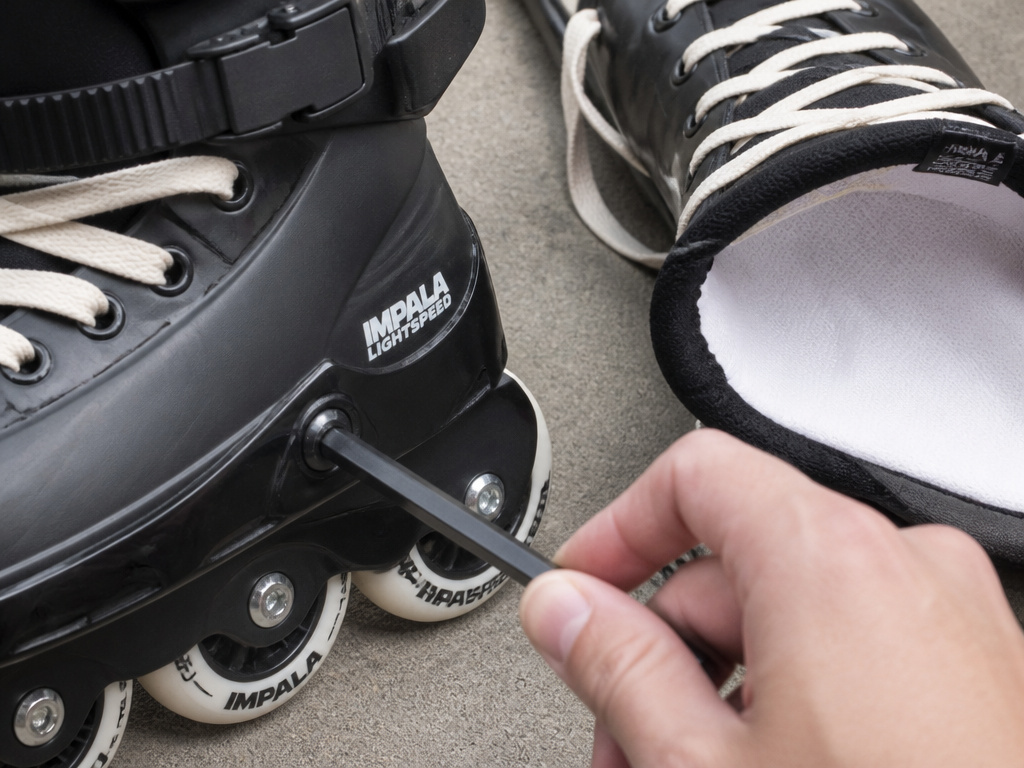
The Impala Lightspeed inline skates offer a different experience from the brand’s quads. They use a 6mm frame bolt size, which is not the standard found on many other inline frames. This means you’ll need to use Impala’s specific tools or parts for any adjustments or upgrades. A retailer impala skates review notes that the boot liner lacks neoprene in the toe area, which can affect comfort during longer sessions. The skates are designed for recreational use indoors and outdoors, but like the quads, they are built to an entry-level price point. Their construction prioritizes style and initial affordability over high-end performance or extensive comfort features.
Frequently Asked Questions
Are Impala skates good for beginners?
Yes, but only for a very specific type of beginner. If your goal is to learn basic strides and cruise on smooth surfaces for casual fun, they’ll work. If you’re a heavier skater, dream of park skating, or want a skate that will grow with you, they are a poor choice. Their short warranty and common durability issues mean they are best treated as disposable starter skates.
What are the controversies surrounding Impala skates?
The main controversies are quality-based, centering on the high rate of premature failures. Quality controversies center on the high rate of premature failures, especially heel separation, which many in the community feel is unacceptable even at a low price point. The 3-month warranty is also seen as unusually short for a sporting good.
Are Impala skates good for outdoor skating?
They are usable outdoors, but not good at it. The stock 57mm 82A wheels are small and soft enough to absorb some vibration, but they wear down quickly on asphalt and get caught in cracks and pebbles. For consistent outdoor use, an immediate upgrade to larger, softer wheels (62mm+) is recommended, as noted in a retailer impala skates review. The boot and plate construction is also less robust than skates designed for outdoor durability.
Should I size up or down in Impala skates?
You should almost always consult the official Impala size chart and measure your foot. The overwhelming community advice is to size up, especially if you have wide feet, as the toe box is notoriously narrow. It’s better to have a slightly longer boot that you can fill with a thicker sock than a skate that cramps your forefoot, which can cause pain and numbness.
The Bottom Line
Impala skates are a product with a perfectly defined role. They are a low-cost, high-style entry point for a casual skater who values aesthetics and has no immediate plans for aggressive progression.
Buy them if you accept these terms: you will use them gently, you will likely need to replace wheels within a few months, you must check the heel glue regularly, and you understand their lifespan is measured in months, not years. They are a proof-of-concept purchase, not a long-term investment in a hobby.
If your first few sessions spark a real passion for skating, start budgeting for your next pair immediately. Look at our review of Impala inline models or other competing skate brands to see what true entry-level durability looks like. The Impalas will get you rolling, but they won’t carry you far down the road.
