Kimi Electric Scooter Review: Safety, Specs, and Real Data
This post contains affiliate links. As an Amazon Associate, we earn from qualifying purchases.
The Kimi Icon is a 3-wheel electric scooter designed for children ages 5-8, with a maximum range of 6km and a removable battery. It’s a low-speed, stability-focused entry into kids’ electric mobility, but its review must be framed by significant safety data: Consumer Reports does not currently recommend any electric scooters due to a surge in injuries.
That non-recommendation isn’t a blanket ban; it’s a critical context for any purchase. Consumer Reports’ stance stems from a near eightfold increase in U.S. Injuries between 2017 and 2024, and studies showing e-scooter riders are more likely than motorcyclists to suffer traumatic brain injuries. For a kids’ model like the Kimi Icon, this shifts the Kimi electric scooter review from pure features to a layered safety conversation.
What follows: a breakdown of the Kimi Icon’s specs and target age, a direct look at the injury data shaping expert caution, a comparison of battery care advice that even manufacturers contradict, and a final take on what this means for a parent’s decision.
Key Takeaways
- The Kimi Icon is built for ages 5-8, with a 3-wheel design for stability and a 6km maximum range.
- Consumer Reports does not recommend any electric scooters, citing injury data that grew from roughly 10,500 in 2017 to nearly 80,000 in 2024.
- If you choose any scooter, pick a UL 2272-compliant model to mitigate fire risk from the battery and electrical system.
- Battery storage advice conflicts between manuals; one says avoid empty or full charge for over two months, another says fully charge monthly.
- Real-world scooter failure often involves single-vehicle incidents, accounting for 80-90% of injuries, not collisions with cars.
The Kimi Icon at a Glance
The Kimi Icon’s pitch is straightforward. It’s a 3-wheel electric scooter meant for kids aged 5 to 8. The third wheel adds a stability layer that a two-wheeler doesn’t have, which is a legitimate design choice for beginners. Its advertised maximum distance is 6km, or about 3.7 miles. That’s a short park loop or a few laps around the block, not a cross-town commute. The battery is removable, a feature highlighted for easy charging and transport.
The Kimi Icon 3-wheel kids electric scooter is designed for riders aged 5-8 years old. It has a maximum distance of 6km and features a removable lithium-ion battery pack, a one-touch button accelerator, and a rear foot brake.
Where does this fit against other entry-level options? A quick scan of our other reviews of the KISTP 450W electric scooter or a Sisigad scooter review shows those are generally for older kids or adults, with higher wattages and speeds, unlike the focus of a Kimi electric scooter review. The Kimi sits in a younger, slower tier. Its 6km range is a hard ceiling. On a full charge with a lightweight rider on flat ground, you might see it. Add a hill, a heavier child, or stop-and-go use, and that number drops. The scooter doesn’t promise more, which is honest.
The removable battery is a practical plus. You can charge it inside without dragging the whole scooter to an outlet. It also theoretically simplifies replacement down the line, though finding an exact OEM match years from now is its own challenge. For a toy-grade vehicle, these are the right specs. They’re not oversold.
Safety, Specs, and the Uncomfortable Data
Here’s where a standard Kimi electric scooter review stops and a responsible one has to start. You can list a scooter’s speed limit, weight capacity, and warranty all day. The real question is: what are the actual risks, and do the specs mitigate them?
We’ll start with speed. Consumer Reports testing shows the common top speed for adult e-scooters is now 20 mph. Some hit 28 mph. Hyper scooters can reach 75 mph. The Kimi, for 5-8 year olds, is certainly slower. But “slower than 20 mph” isn’t “safe.” A child on any moving vehicle is a risk calculus.
The injury data is not theoretical. According to the Consumer Product Safety Commission, e-scooter injuries in the U.S. Grew from roughly 10,500 in 2017 to nearly 80,000 in 2024. That’s an eightfold increase in seven years. Peer-reviewed studies note that about 80 to 90 percent of these injuries are tied to single-vehicle incidents, the rider hits a pothole, cracks, loses balance, not collisions with cars.
Where this goes sideways: Assuming a low-speed kids’ scooter is “safe enough” without full protective gear. A 2026 study in Scientific Reports found electric scooter riders are more likely than motorcycle riders to suffer a traumatic brain injury, with low helmet use and a standing riding posture partly to blame.
The standing posture is key. Unlike a bike where you’re seated, a scooter rider is upright with a higher center of mass. When you hit an obstacle, you pitch forward. Combine that with the small wheels (often 8-12 inches) that struggle with pavement cracks, and you have a physics problem no amount of parental supervision fully solves. Consumer Reports does not currently recommend any electric scooters due to a surge in injuries and increasing speeds.
This aims to frame the decision rather than scare you off. Buying a Kimi Icon means buying a light electric vehicle, not a toy truck. The manual’s warnings, like wearing a helmet and avoiding wet conditions, are the essential barrier between a fun afternoon and a trip to the ER.
| Consideration | The Kimi Icon’s Position | The Broader Risk Context |
|---|---|---|
| Top Speed | Likely low (specifics not in sources) | Adult scooters commonly hit 20 mph; speed multiplies injury severity. |
| Primary Injury Cause | Not applicable (product-specific). | 80-90% of e-scooter injuries are single-vehicle incidents (rider error/terrain). |
| Key Safety Gear | Helmet (assumed from general advice). | CR stresses helmet + wrist guards; standing posture increases head injury risk. |
| Regulatory Backstop | None (U.S. Has no federal safety standard for consumer e-scooters). | CR encourages choosing a UL 2272-compliant model for battery/fire safety. |
Battery Care and Contradictory Manuals
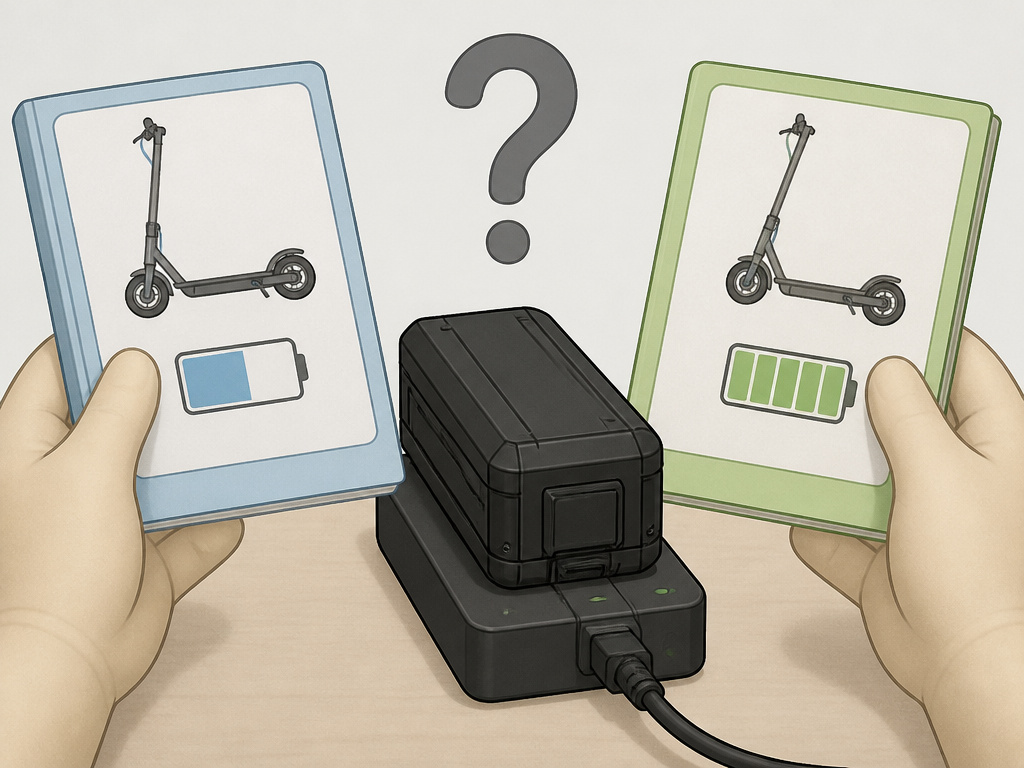
If you proceed, the battery becomes your main maintenance job. It’s the most expensive component and a potential fire hazard if mistreated. Here’s the frustrating part: even the manufacturer manuals don’t agree on best practices.
Take the INOKIM Mini 2 manual. It states: “Avoid keeping the battery empty or overcharged for more than two months.” That implies a moderate, half-charge state for storage. Fair enough. But another INOKIM manual (for the Light 2 Super) directly contradicts this. It says: “Do not store the INOKIM for long periods of time with a fully charged battery. If scooter is not in use for more than one month, keep it under half way charged.” Then, in a stunning twist, the same manual later advises: “To maximize your INOKIM’s battery performance, fully charge it for 8 hours, once a month.”
So which is it? Don’t store it full, but fully charge it monthly? This conflict, pulled straight from primary source PDFs, highlights a broader issue in the industry: clear, consistent care guidelines are lacking. For a Kimi owner, you’re likely looking at similar lithium-ion technology. The safest synthesis of this conflicting advice is:
- For storage over a month, charge the battery to around 50%.
- If you’re using it occasionally, a full monthly charge might be okay, but don’t leave it at 100% for weeks on end.
- Always use the charger that came with the scooter.
Other universal rules from the manuals are absolute. Don’t charge in extreme heat or cold. Don’t use a damaged or swollen battery. Don’t let it sit completely dead. The Lime Gen 2.5 manual notes its battery takes up to 6 hours to fully charge, and the display shows 99.9% when complete, a reminder that these gauges are estimates.
Setup, Operation, and Real-World Longevity
Assembly is typically minimal. Most scooters ship with the handlebar folded or detached. The Lime manual’s assembly steps are a proxy: you align the stem, secure it with provided screws (don’t over-tighten), and ensure no wires are pinched. The Kimi likely follows a similar pattern. The three-wheel design might simplify things, as there’s no need to balance the front fork.
Operation is simple: power on, push off, and press the button to accelerate. The rear foot brake is intuitive for kids used to kick scooters. The one-touch button accelerator prevents complicated throttle control.
But what about a year from now? The SERP coverage brief pointed out a major gap: long-term durability and common failure points. Forum threads are filled with owners seeking help for scooters “not working” and battery replacement. This is the unglamorous side the marketing glosses over.
- Tires: Solid tires (common on budget models) never go flat but give a harsher ride. Pneumatic tires (air-filled) are more comfortable but can puncture. The INOKIM Mini 2 manual warns not to ride if the front tire pressure is below 35 PSI, a check most owners will forget.
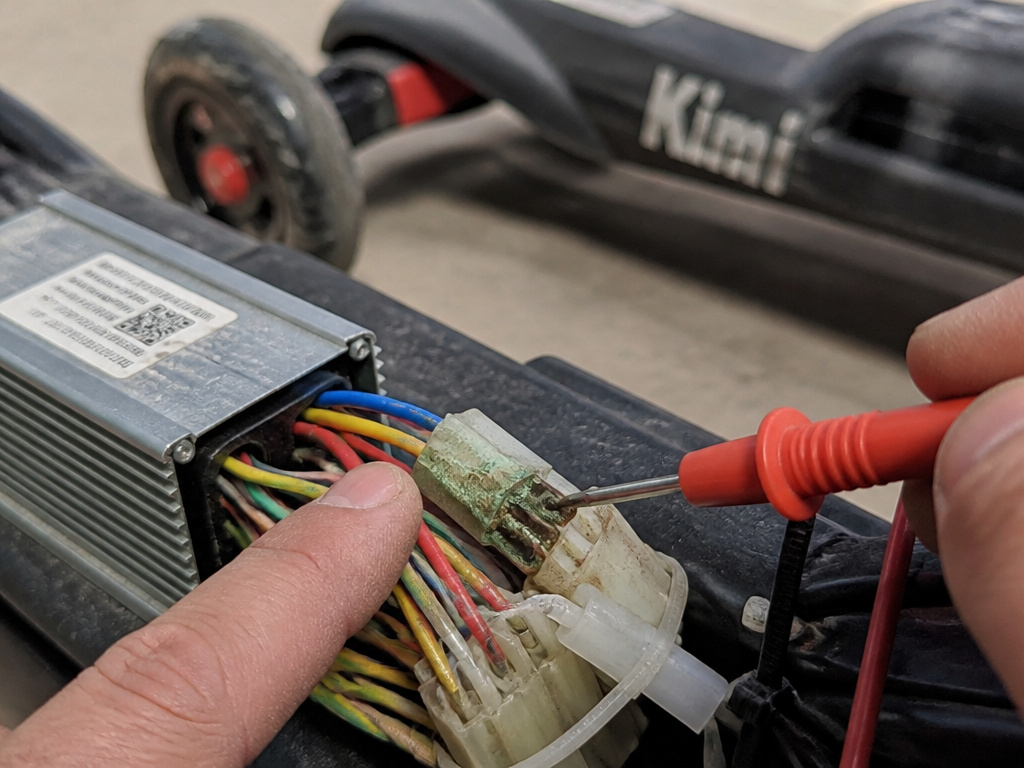
- Electronics: The most common point of failure is the controller or a wiring connection. Moisture is the enemy. The INOKIM manual explicitly says “do not drive in the rain or in wet road conditions.” Many cheap scooters have minimal water resistance.
- Battery Capacity: All lithium-ion batteries degrade. The 6km range on day one might be 4km after 300 charge cycles. Replacement batteries are often proprietary and can cost a significant fraction of the scooter’s original price.
This is where community knowledge, like the technical guides on ScooterHacking.org firmware guide, becomes valuable for adult scooters. For a kids’ model like the Kimi, you’re largely at the mercy of the manufacturer’s parts support and the 6-month warranty.
Warranty, Support, and Making a Decision
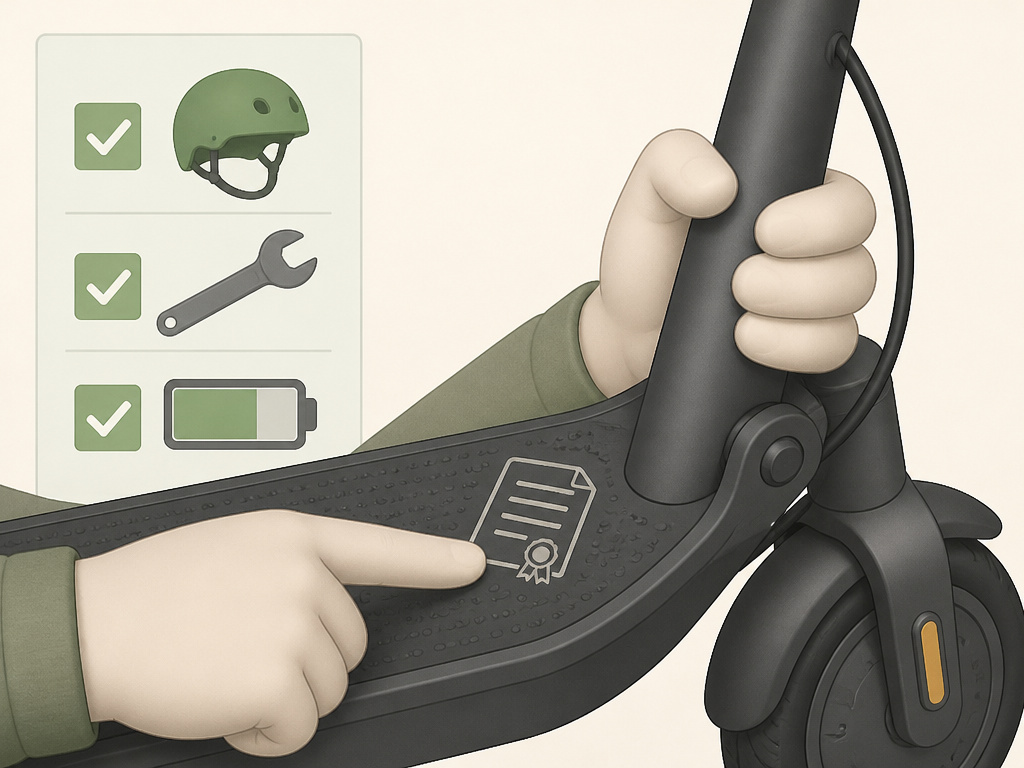
Check the manufacturer’s official warranty information for details on coverage and duration. This is a standard but short warranty period. For context, Lime offers a 1-year warranty on the vehicle body (frame, fork, handlebar) for its Gen 2.5 scooter.
What’s the bottom-line decision? If you’re a parent considering the Kimi Icon:
- Age and Maturity are Paramount: This scooter is for ages 5-8. Is your child coordinated, good at following safety rules, and will they wear a helmet and wrist guards every single time? If not, wait.
- You Are the Safety System: There are no federal safety standards. The product’s own manuals contradict themselves on care. Your vigilance, checking tire pressure, inspecting for loose parts, storing the battery properly, and choosing safe riding environments, is the primary safety feature.
- Manage Expectations: It’s a toy-grade vehicle with a limited lifespan. The battery will degrade. Plastic parts may crack. The warranty is short. View it as a fun activity with a cost-per-use, not a durable good.
When compared to other options in our guide to the best electric scooters, the Kimi occupies a specific niche: the youngest first-time e-riders. A Yume scooter or models discussed in our general scooter review are for older, heavier riders with different performance needs.
How fast and far does the Kimi Icon go?
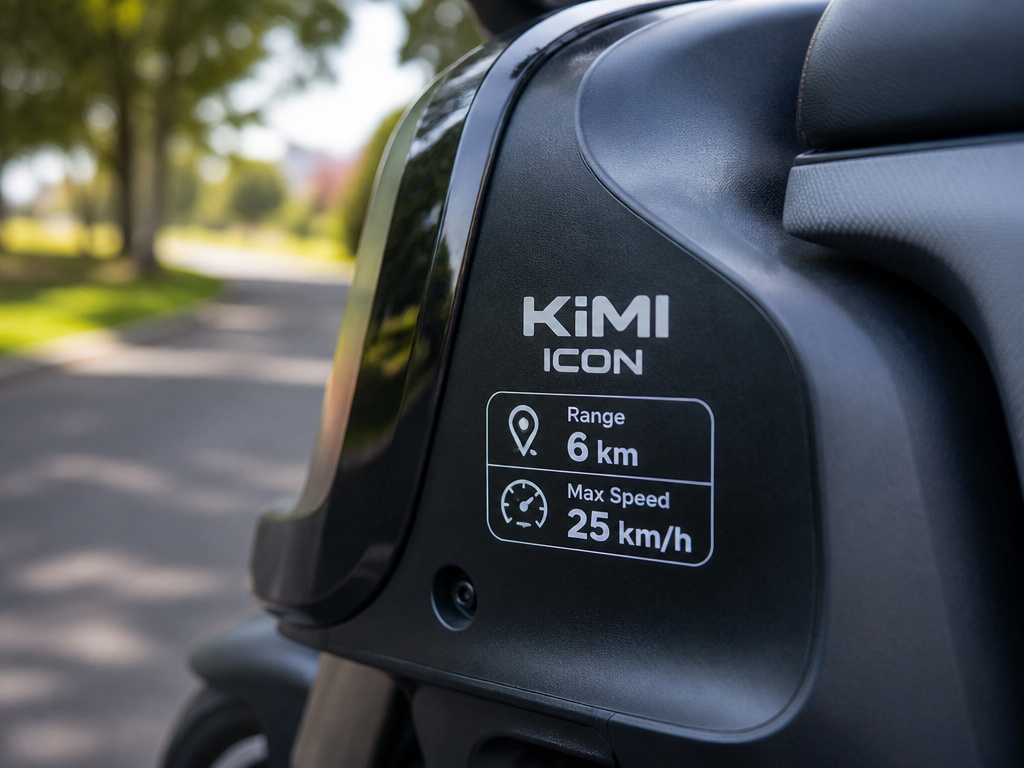
Its advertised maximum range is 6 kilometers, which is suitable for short rides around a park or neighborhood. Check the manufacturer’s official specifications for details on top speed and weight limit before allowing a child to ride.
How do I assemble the scooter?
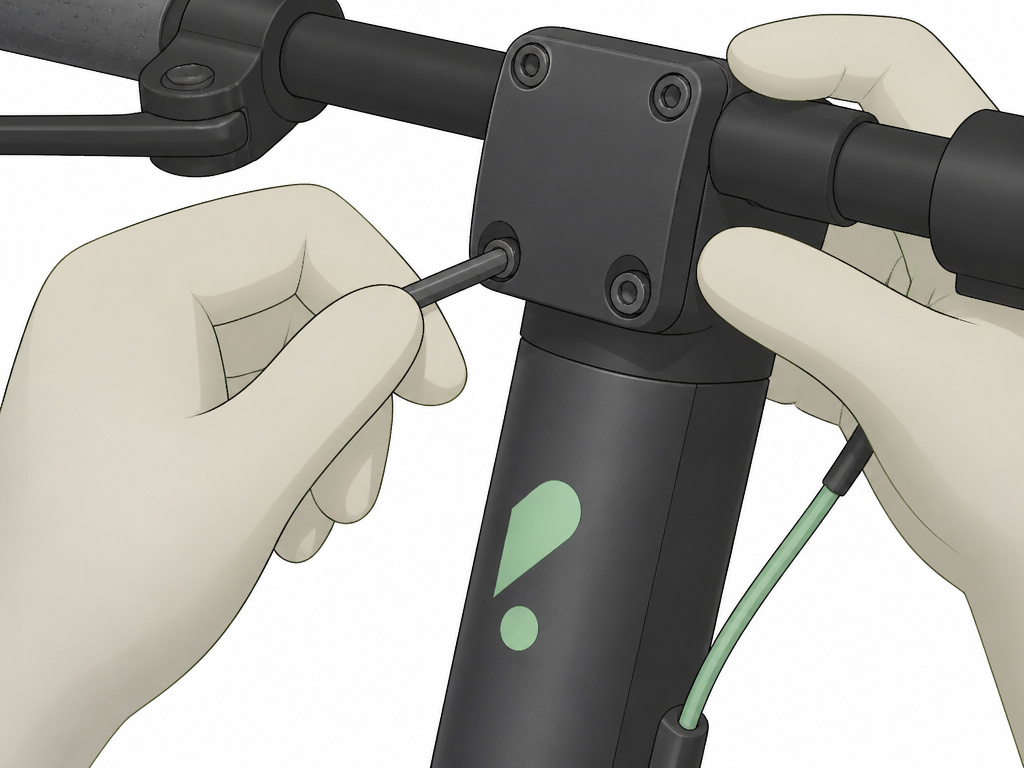
General assembly for an electric scooter like this typically involves attaching the handlebar to the stem and securing it with the provided hardware. You may also need to install the front wheel or ensure all three wheels are firmly attached. Always follow the specific step-by-step guide provided in the product manual. Before the first ride, double-check that all bolts are tightened and that the steering moves smoothly without any looseness.
How do you start, ride, and brake?
To operate a scooter like this, the rider typically starts by giving a push-off with their foot before engaging the throttle, often a button or lever on the handlebar. Steering is done by turning the handlebar, and braking is usually activated by a separate brake lever or by pressing down on a rear fender brake. Always practice in a safe, open, and flat area away from traffic. Ensure the rider understands how to stop smoothly and maintains a balanced stance with both hands on the handlebars at all times.
Frequently Asked Questions
What age is the Kimi Icon electric scooter for?
The Kimi Icon is designed for children aged 5 to 8 years old. Its 3-wheel design, low speed, and simple controls are tailored for this age group as an introductory electric vehicle.
How far can the Kimi Icon scooter go on one charge?
The manufacturer states a maximum distance of 6km (about 3.7 miles). Real-world range will be less depending on rider weight, terrain, and battery health over time.
Does the Kimi Icon have a removable battery?
Yes, the Kimi Icon features a removable battery pack. This allows for charging the battery separately from the scooter and may simplify future replacement.
Why does Consumer Reports not recommend any electric scooters?
Citing a surge in injuries and increasing speeds, Consumer Reports believes the risks outweigh the benefits for general consumer use. U.S. E-scooter injuries grew from roughly 10,500 in 2017 to nearly 80,000 in 2024, with studies indicating a high risk of serious injury, including traumatic brain injury.
What is a UL 2272 certification, and why does it matter?
UL 2272 is a safety standard for the electrical system and battery of personal e-mobility devices. CR encourages choosing a UL 2272-compliant model to reduce the risk of battery fires. Always check the product specifications or manual for this certification.
Before You Go
The Kimi Icon does what it says: provides a stable, low-speed electric scooter experience for a young child. The review doesn’t end there, though. You’re not just buying a product; you’re accepting a risk profile backed by sobering national injury statistics and a lack of regulatory oversight.
Your decision hinges on a clear-eyed assessment. Is your child ready for the responsibility? Are you ready to enforce helmet use every single time, inspect the scooter before each ride, and manage the battery with care despite confusing manual advice? If the answer is yes, the Kimi Icon is one of the few options built for that age bracket. If any part of that gives you pause, a traditional kick scooter or a bike with training wheels postpones the electric question until they’re older, stronger, and more aware. The scooter will be waiting.
