Apollo Ghost Scooter Review: Is It Still Worth Buying?
This post contains affiliate links. As an Amazon Associate, we earn from qualifying purchases.
The Apollo Ghost is a discontinued, dual-motor electric scooter that originally sold for $1,599. It delivers a manufacturer-claimed top speed of 34 mph and a range of up to 39 miles in ideal conditions, but real-world tests show closer to 27 miles of regular use and a 12-hour charge time. Its forged aluminum frame and adjustable suspension offer solid build quality for riders up to 300 lbs, but its weight of 64 lbs and discontinued status make parts support a growing concern.
That gap between claimed and real-world numbers is where your buying decision lives. The manufacturer’s brochure gives you the ceiling; the road gives you the floor. For a scooter that can hit 34 mph, the floor matters more, as any thorough apollo ghost scooter review will confirm.
What follows: a breakdown of where the Ghost’s specs hold up, where they don’t, and whether it’s smarter to buy a used one or look at current alternatives. This review examines its acceleration, real battery life, common maintenance issues, and the Apollo safety recall you should know about.
Key Takeaways
- Real-world range is 27 miles in regular mode, not the claimed 39-mile maximum, plan your commute around the lower number.
- The dual 800W motors provide scary-fast acceleration (0-15 mph in ~3 seconds) that demands proper safety gear and rider skill.
- As a discontinued model, parts like the QS-S4 display or split-rim tires may become harder to source, shifting maintenance to you.
- Its 64 lb weight makes it portable only if you have a car trunk or a ground-floor storage spot, carrying it upstairs is a workout.
- For similar performance today, look at current dual-motor models from Kukirin or NanRobot which offer better parts availability.
Real-World Performance: Speed, Range, and Charging
The specs on paper are one thing, as any Apollo Ghost scooter review will note. What the scooter actually does on pavement, with a rider on it, is another.
Apollo claims the Ghost hits 34 mph. Independent testing often exceeded that, with one review by eridehero.com clocking 36.3 mph and another reviewer for Wired noting Gear 3 could reach 38 mph. Your actual top speed depends on rider weight, road grade, and battery level. The acceleration is more consistent: Apollo says 0-15 mph in 3.1 seconds, and independent testing by eridehero.com averaged 2.82 seconds. From a stoplight, that shove feels less like acceleration and more like a catapult launch.
The part nobody mentions: That violent launch is fun for two blocks. Then you realize you’re doing 25 mph in a 20 mph zone with only mechanical disc brakes between you and the car ahead. High speed demands high awareness.
Where the gap between claim and reality widens, according to a typical Apollo Ghost scooter review, is range. Apollo advertises up to 39 miles in the lowest speed settings. One reviewer’s regular commute yielded a little under 20 miles before recharge. More controlled testing showed a clearer breakdown: in ‘Speed Priority’ mode, range dropped to 20.3 miles; in ‘Regular Speed’ mode, it was 27.3 miles; only in ‘Range Priority’ mode, crawling along at under 15 mph, did it reach 32.2 miles. For a typical commute using both motors, plan for the 27-mile middle ground.
| Riding Mode | Average Speed | Tested Range | Best For |
|---|---|---|---|
| Speed Priority | 27.6 mph | 20.3 miles | Short, fast bursts |
| Regular Speed | 21.1 mph | 27.3 miles | Balanced commuting |
| Range Priority | 14.6 mph | 32.2 miles | Maximizing distance |
Charging is the other long wait. The 52V 18.2Ah (947 Wh) battery takes 12 hours on the included standard charger. The scooter has two charging ports, so using two standard chargers simultaneously can halve that to 6 hours. A reviewer noted a fast charger for the Apollo Ghost costs $99 and cuts charge time in half. You’ll learn to read the voltage display: a full charge reads around 58 volts, and a nearly dead battery sits close to 44 volts. The main battery bar on the QS-S4 display is almost useless in direct sunlight.
Build Quality & Durability: What Holds Up
A scooter that fast needs a frame that won’t flex. The Ghost uses a forged aluminum frame with a hollow design to save weight. It feels solid, not tinny. The IP54 water resistance rating means it can handle a light spray or wet road, but don’t take it through puddles or leave it out in the rain.
The pneumatic tires are mounted on split-rims, which makes tire changes easier than on solid-rim wheels. The adjustable spring suspension is decent, though adjusting the rear shock requires removing a portion of the footplate. The mechanical disc brakes work, but for a scooter this potent, they are the bare minimum, upgrading to hydraulic brakes would be a smart move for any serious rider.
The weakest point in the cockpit is the QS-S4 display. It’s basic, dim in sunlight, and the button feel is mushy. It gets the job done, but it lacks the polish of higher-end units. The scooter also requires a 30-mile break-in period for the steering to feel fully settled, which is unusual.
A properly broken-in Ghost steers with a damped, connected feel. A fresh-out-of-the-box one has a slight dead zone in the center that vanishes after those first thirty miles of riding.
Common long-term issues aren’t catastrophic but are annoying. Owners report:
- Display fading or failure after 6-12 months.
- Creaking from the folding mechanism that needs periodic lubrication.
- Wear on the rear fender where it contacts the tire during suspension travel.
- Brake pad wear that accelerates if you’re using the scooter’s full speed regularly.
For a deeper look at build quality across the brand, our Apollo scooter review covers common materials and failure points.
The VDM-10 Origin & Discontinued Status
Here’s the open secret: the Apollo Ghost is a rebranded Unicool VDM-10 from Titan Group. Apollo did the design, marketing, and customer support, while Titan manufactured the platform. This isn’t inherently bad, many brands use white-label models, but it matters for parts.
Because the Ghost is discontinued, Apollo’s official parts pipeline is drying up. The underlying VDM-10 platform is still available from suppliers like Alibaba, so generic parts (tires, tubes, brake pads, even controllers) can be found if you know what to search for. Brand-specific parts, like the Apollo-branded deck or specific display, are becoming scarce.
If you’re looking at a used Ghost, ask the seller:
- Has the display ever been replaced?
- Are there any hairline cracks near the weld points on the stem?
- When were the brake pads last changed?
Your ability to fix minor issues yourself will define ownership. This isn’t a Segway where you drop it at a service center. For a look at a more current and supported model, our Apollo Go scooter review details a lighter, more portable option still in production.
Safety & The Phantom Recall Context
Riding a 64 lb machine at 34 mph is an inherently risky activity. The Ghost demands full protective gear: a helmet rated for bicycle or skate speeds is the bare minimum, and motorcycle-grade gloves, knee pads, and elbow pads are recommended. The mechanical disc brakes require more hand lever pull to stop than hydraulic systems, so your following distance must be greater.
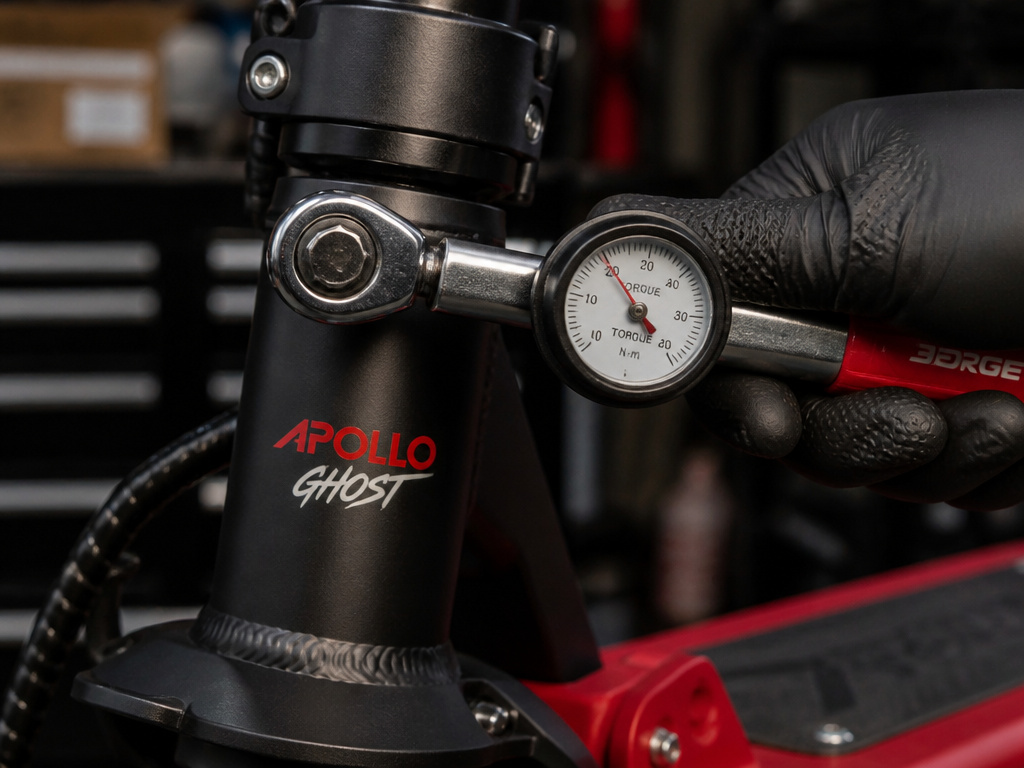
The safety conversation around Apollo took a serious turn in August 2023. The U.S. Consumer Product Safety Commission issued a CPSC recall notice for Apollo scooters concerning the Apollo Phantom model (V1, V2, and 60V). A stem bolt could loosen or break, causing the front suspension and wheel assembly to separate. There were seven incident reports and three injuries (bruising, cuts, abrasions).
Before you start: This recall is for the Phantom, not the Ghost. However, it highlights the critical importance of checking all stem and suspension bolts for proper torque before every ride on any high-performance scooter. A loose bolt at 30 mph is a career-ender.
The Ghost does not share the Phantom’s exact stem design, but the principle is universal: high-stress components need regular inspection. Add “check stem bolt torque” to your monthly maintenance list. For a direct comparison to the recalled model, our Apollo Phantom review details its differences.
Who Should (And Shouldn’t) Buy a Used Ghost
This isn’t a scooter for everyone. Its best days as a shiny new product are behind it. Your decision hinges on your tolerance for DIY maintenance and your need for raw power on a budget.
Buy a used Apollo Ghost if:
- You’re mechanically inclined and comfortable sourcing generic VDM-10 parts online.
- Your commute is under 10 miles one-way and you have a secure, ground-floor place to store it.
- You want dual-motor acceleration and can’t afford a new $2,000+ scooter.
- You always ride with full protective gear and understand high-speed braking distances.
Avoid the Apollo Ghost if:
- You need reliable manufacturer support and easy part swaps.
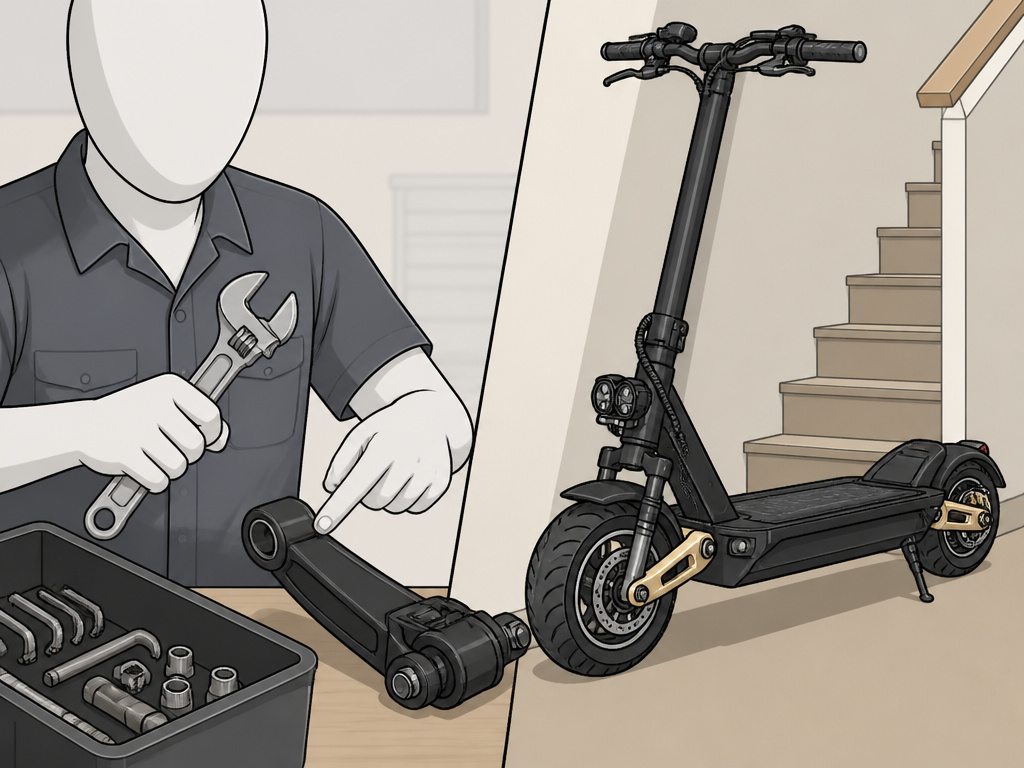
- You have to carry the scooter up flights of stairs regularly (64 lbs is a lot).
- Your daily round-trip exceeds 20 miles and you lack charging at your destination.
- You’re a beginner to electric scooters. The power is overwhelming and the weight is unforgiving.
For most people looking at this performance tier today, a current model from a brand still in production is a smarter buy. Brands like Kukirin offer similar dual-motor performance with better parts availability. You can explore these modern alternatives in our electric scooter comparison guide.
Maintenance & Long-Term Ownership
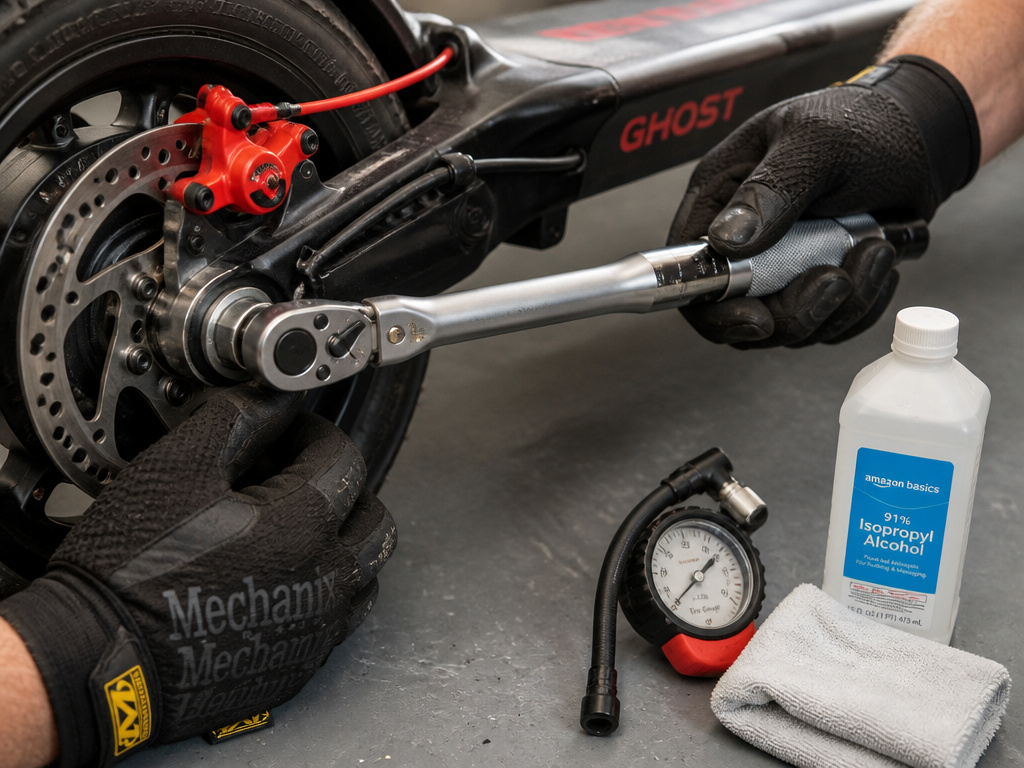
Owning a discontinued performance vehicle means you become its mechanic. Follow this schedule, drawn from generic VDM-10 advice and rider reports:
Before Every Ride:
- Check tire pressure (keep it at 45-50 PSI).
- Visually inspect tires for cuts or embedded debris.
- Squeeze brake levers to ensure they engage firmly.
Every 50 Miles (or Monthly):
- Check torque on all visible axle nuts, stem bolts, and folding mechanism bolts.
- Inspect brake pads for wear. Replace if thickness is under 1mm.
- Clean the brake rotors with isopropyl alcohol.
- Lubricate the folding mechanism hinge points.
Every 500 Miles:
- Inspect the suspension components for play or squeaking.
- Check all electrical connections for corrosion, especially around the deck where water can sit.
- Consider replacing the stock brake pads with higher-quality sintered metal pads.
The battery is the heart. To maximize its life:
- Avoid draining it to 0% regularly. Recharge when it hits 20-30%.
- Don’t leave it fully charged at 100% for weeks on end. If storing, charge it to 60-80%.
- The scooter maintained strong performance until about 20% battery in testing, unlike cheaper packs that sag at 40%.
Apollo Ghost Specs
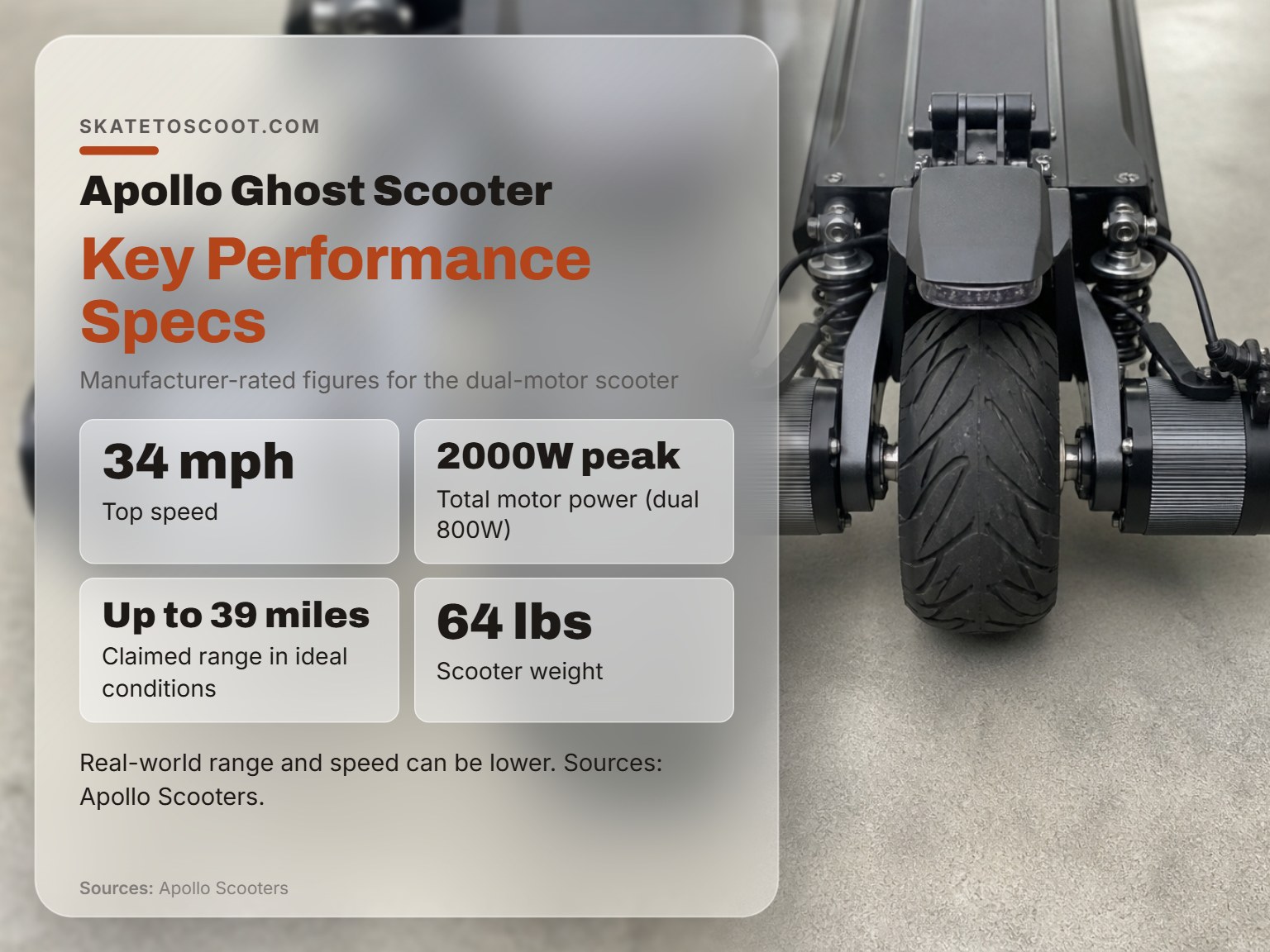
The Apollo Ghost is built around a forged aluminum frame and weighs 64 lbs. It uses dual 800W motors with a combined peak output of 2000W, enabling a manufacturer-rated top speed of 34 mph and strong hill-climbing ability. The 52V battery offers a claimed range of up to 39 miles under ideal conditions, though real-world results vary. It features adjustable spring suspension, split-rim tires, and mechanical disc brakes. The scooter supports riders up to 300 lbs and is suitable for those between 5’3″ and 6’3″ in height.
Unboxing and First Ride
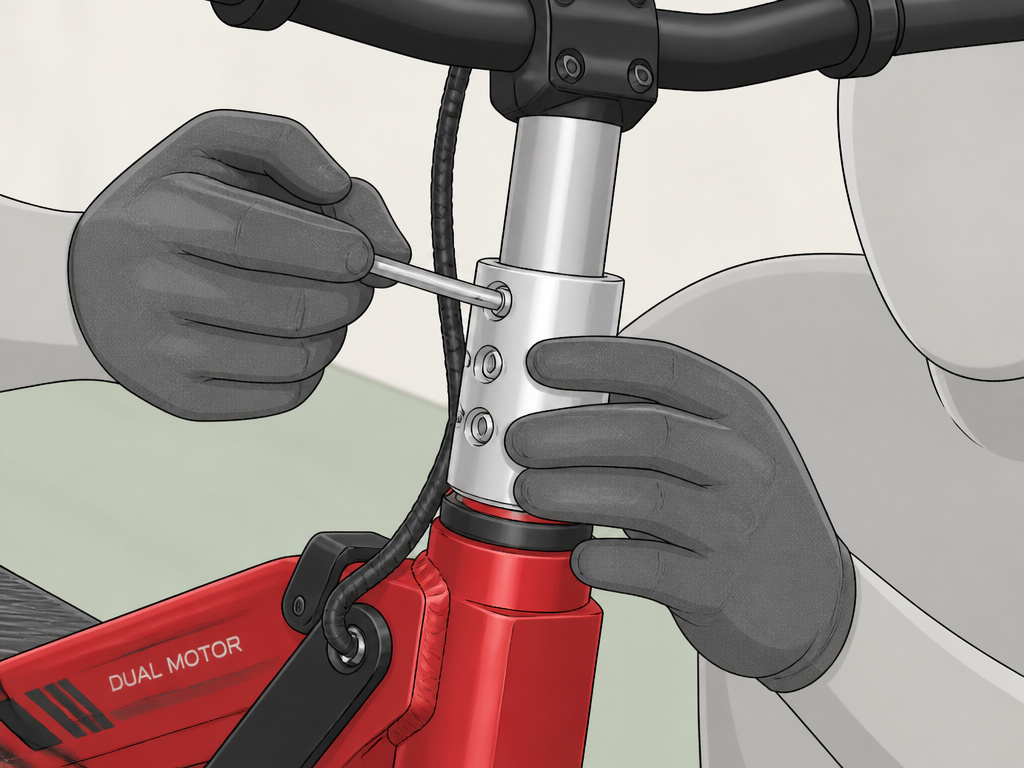
Out of the box, the scooter requires basic assembly like attaching the handlebar to the stem. Before your first proper ride, a break-in period is recommended for the steering components to settle in. Initial impressions highlight the substantial feel of the frame and the immediate power from the dual motors. Take time to familiarize yourself with the display and the different speed gears, and always perform a full pre-ride safety check on brakes and tire pressure.
Frequently Asked Questions
Is the Apollo Ghost a good scooter?
It was a standout scooter when it was in production, offering exceptional value for dual-motor power under $1,600. Its forged aluminum frame, solid range, and brutal acceleration made it a standout. Today, as a discontinued model, its goodness depends entirely on the condition of the used unit you find and your willingness to maintain it yourself.
Are Apollo scooters any good?
Yes, Apollo scooters have a reputation for offering high performance at competitive prices. They often use robust platforms like the VDM-10 (Ghost) or Titan (Phantom). However, their focus on performance can mean trade-offs in refinement, support infrastructure lags behind giants like Segway, and the 2023 Phantom recall is a mark against their safety record for one model. Our Apollo scooter review covers the broader lineup.
How fast does an Apollo Ghost go?
The manufacturer-rated top speed is 34 mph (55 km/h). Independent tests have recorded higher speeds, between 36.3 mph and 38 mph, depending on rider weight, road conditions, and battery charge. In Gear 1, it’s limited to about 16 mph; Gear 2 caps around 25 mph; only Gear 3 unleashes the full power.
What was the price of the Apollo Ghost electric scooter?
The original manufacturer’s price was $1,599. During sales or at the end of its life cycle, it sometimes dropped lower. The used market price today varies wildly based on condition, battery health, and included accessories, but typically ranges from $700 to $1,200.
The Bottom Line
The Apollo Ghost is a lesson in context. When new, it was a brutally effective tool that gave you hyperscooter acceleration for hundreds less than the competition. Now, it’s a project.
If you find a clean used one for under $800 and you treat it like a vintage motorcycle, something to cherish, maintain, and understand, it’s a thrilling ride. You’ll learn about voltmeters, split-rim tires, and torque specs. You’ll also get to experience a 0-15 mph launch that still pins newer, more expensive high-performance scooters to the mat.
If you want a tool, not a project, skip the hunt for used Ghosts. Look at current dual-motor offerings from Kukirin or even the lighter, more refined Segway models. You’ll pay more upfront, but you’ll buy back your weekends from scooter maintenance. The Ghost’s era of easy value is over. What’s left is a very fast relic for the dedicated tinkerer.
