Are Longboards Good for Transportation?
This post contains affiliate links. As an Amazon Associate, we earn from qualifying purchases.
Longboards are a legitimate transportation tool for short, flat urban trips, but their viability hinges on three specific factors: your route’s hill grade (a 10% slope over 100m is a practical limit for electric models), your local road surface quality, and your commitment to high-grade protective gear, the injury data shows skull fractures and traumatic brain injury are significantly more common in longboarders than skateboarders.
That gap between theoretical utility and on-the-ground reality is where most generic advice falls apart. A board can get you across campus or to the train station, but the published energy consumption figures, the documented injury patterns, and the murky legal landscape change the math. The question ‘are longboards good for transportation’ must be answered in this specific context.
What follows: the exact energy efficiency numbers from a peer-reviewed simulation, the regulatory conflict between federal guidance and local law, and the one safety statistic that should reshape how you gear up.
Key Takeaways
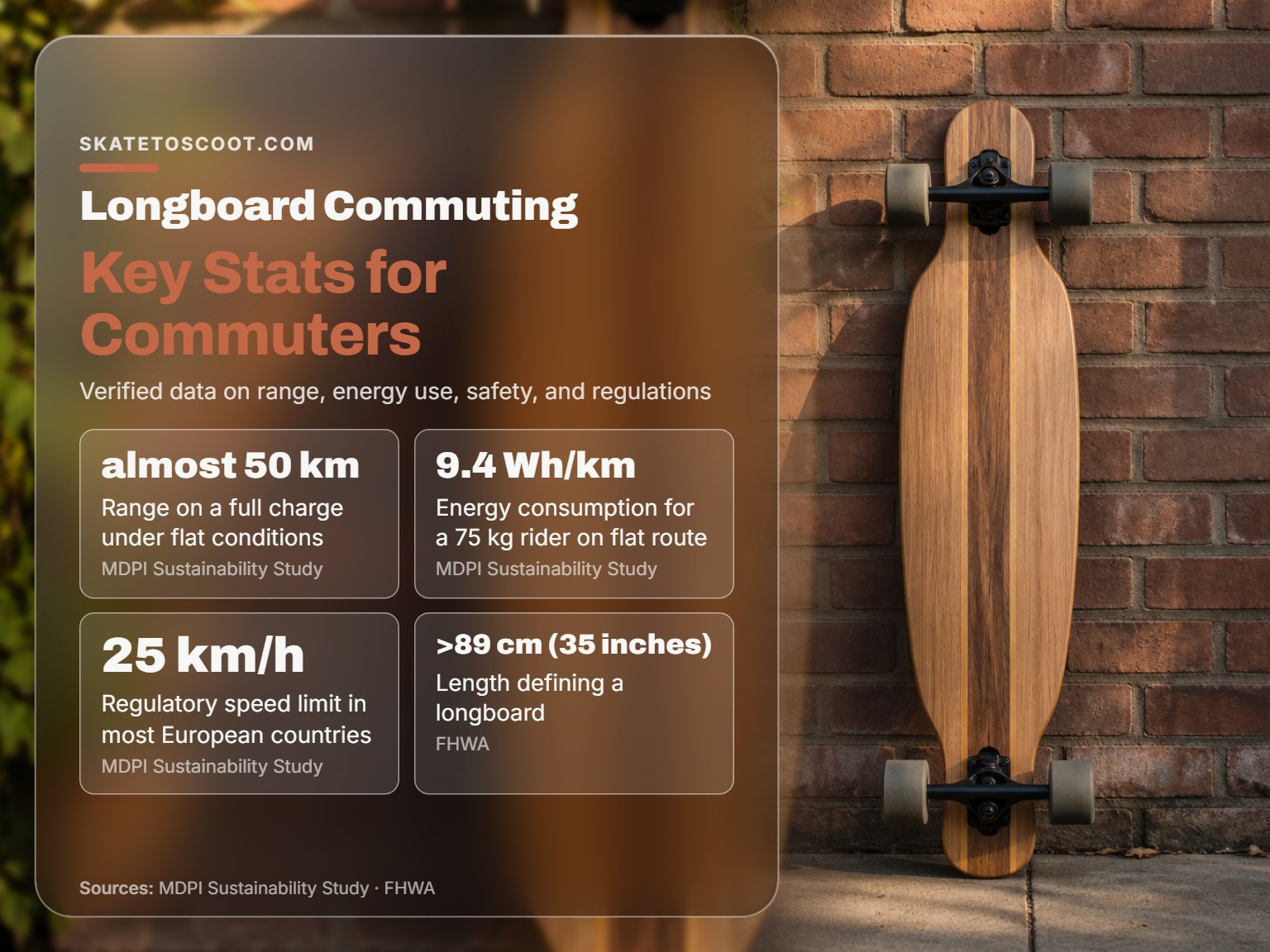
- For a 75 kg rider on flat ground, a peer-reviewed study measured electric longboard energy consumption at 9.4 Watt-hours per kilometer, yielding a practical range of almost 50 km on a full charge.
- A trauma center study found skull fractures, TBI, and intracranial hemorrhage were significantly more common in longboarders than skateboarders, with all high-severity injuries (ISS >15) and fatalities in the study involving longboards.
- The FHWA defines longboards as over 89 cm (35 inches) in length, used for cruising, and typically equipped with larger wheels, a functional distinction from trick-oriented skateboards.
- Regulations are a patchwork: the FHWA’s model state regulations recommend permitting Personal Transportation Devices on both streets and sidewalks, but many local ordinances explicitly ban motorized boards from sidewalks, creating direct conflict.
- Weight and hills drastically affect performance; the same study showed energy consumption “can be considerably reduced with the weight loss of the skater,” and a 10% incline over 100m is a tested climbing limit for electric boards despite sufficient battery power.
The Defining Specs: What Makes a Board a “Longboard”?
The Federal Highway Administration draws a clear, physical line. In their emerging road user safety study (FHWA-HRT-04-103, Chapter 3), they specify that traditional skateboards are under 84 cm (33 inches), while “long boards” are over 89 cm (35 inches). They’re used for “cruising” and typically sport larger wheels than a standard skateboard.
That extra length and those bigger wheels change everything. They provide stability at speed, smooth out rougher pavement, and make pushing for distance less exhausting. It’s the difference between a tool built for acrobatics in a controlled park and one built for covering ground in the real world. When you’re looking at how to choose a longboard for transport, the core are longboards good for transportation evaluation almost always involves a deck that meets this FHWA definition.
The FHWA user characteristics report defines the operational category: a longboard is a skateboard over 35 inches long, designed for cruising and transportation, with larger wheels for rolling efficiency and stability. This separates it from the trick-oriented, park-based standard skateboard.
The Real-World Range and Speed Numbers
Forget marketing claims. A 2020 peer-reviewed study in MDPI Sustainability put a converted electric longboard through a simulation with a 75 kg rider on a flat route. The result was a measured energy consumption of 9.4 Watt-hours per kilometer (Wh/km). Under those ideal, cruise-speed conditions, the math worked out to a range of almost 50 km on a full charge.
That’s a solid number for a short commute or running errands. But here’s where the lab meets the street: the same study identified a practical climbing limit. Even with theoretically enough battery, the tested board struggled on a ramp with an inclination of over 10% and a length of over 100 meters. Your local hill might be the deciding factor.
Speed is the other half of the equation. The study notes a regulatory speed limit in most European countries of 25 km/h for such devices. While downhill racers chase records, for transportation, you’re likely cruising between 15-25 km/h, faster than a brisk walk, slower than a city cyclist. This makes them ideal for last-mile trips connecting to public transit, a point highlighted in a Worcester Polytechnic Institute project report that, when you compare a are longboards good for transportation analysis, noted electric skateboards are “often held back by low range,” making them perfect for short rides or trips that include trains.
| Performance Metric | Measured Data (MDPI Study) | Real-World Implication |
|---|---|---|
| Energy Consumption | 9.4 Wh/km (75 kg rider, flat) | Defines battery size needed; range varies with rider weight and hills. |
| Effective Range | Almost 50 km (flat, cruise speed) | Covers most short commutes; reduced by hills, stops, and wind. |
| Climbing Limit | >10% incline, >100m length | A steep, long hill can stop an electric board regardless of battery spec. |
| Regulatory Speed | 25 km/h (common EU limit) | Your cruising speed will often be governed by law, not motor power. |
The Safety Data You Can’t Ignore
The risk is serious. A 2014 study in Emergency Medicine International compared longboard and skateboard injuries at a trauma center. The findings weren’t subtle. Skull fractures, traumatic brain injury (TBI), and intracranial hemorrhage were significantly more common in longboarders (P < 0.0001). More critically, all patients with an Injury Severity Score (ISS) over 15, and all three fatalities in the study, were longboarders.
The study authors pointed to usage patterns: longboards are used for transportation, higher speeds, and downhill travel. That inherently places riders at greater risk of high-energy impacts. The data underscores that a protocol for longboard safety is the core of the activity.
Where this goes sideways: Treating a longboard like a faster skateboard. The injury data shows a distinct, more severe risk profile. A standard skateboard helmet might be rated for a park fall; a longboard helmet needs to be certified for higher-speed impacts. The difference is in the standards label inside the helmet.
This is the predictable outcome of physics. Your protective gear is your most important purchase, more important than deck material or truck brand. A certified multi-impact helmet, slide gloves, and knee pads aren’t accessories; they’re the mandatory chassis for this form of transport.
Electric vs. Traditional: The Power-Assist Trade-Off
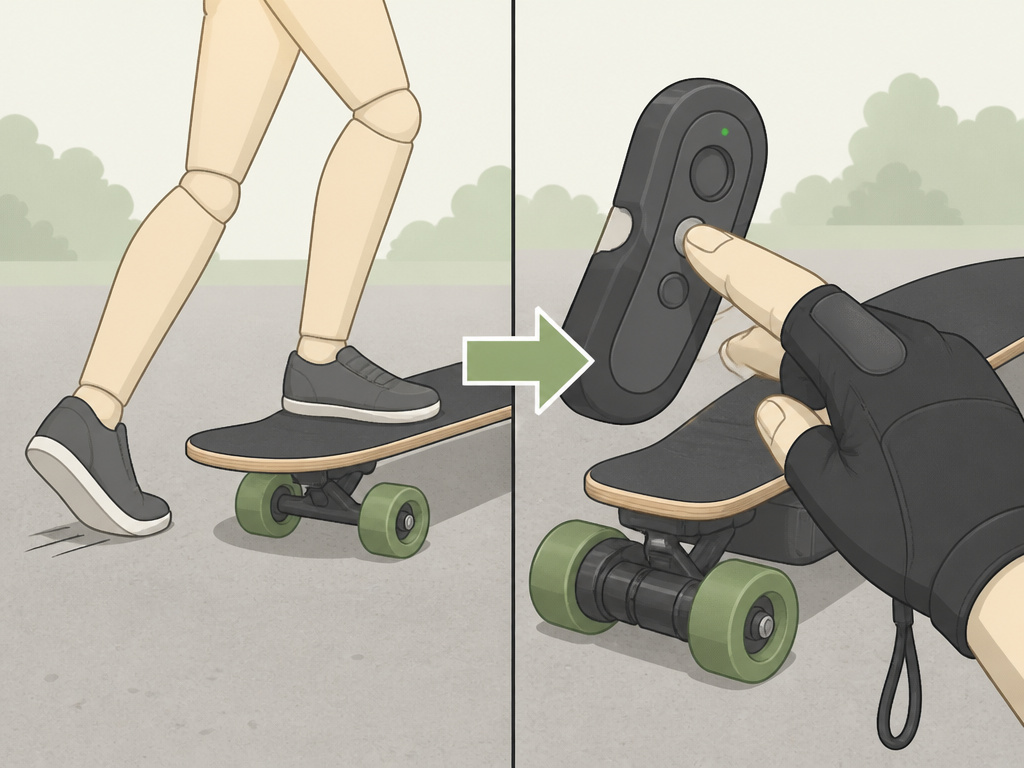
This is the big fork in the road. Do you push, or do you press a button?
A traditional longboard is a simple machine. Your foot is the motor. The appeal is obvious: zero cost per mile, silent operation, and a direct connection to the ride. It’s pure kinetic efficiency. But your range is limited by your legs and lungs, and hills become a serious workout.
Electric longboards add a motor, battery, and remote control. They flatten hills and extend your range without sweat. But they introduce complexity, cost, and specific hazards. The Consumer Product Safety Commission (CPSC) Chairman’s statement on hoverboards (a related device) contains direct warnings that apply: “Do not charge a hoverboard overnight” and “let the device cool for an hour before charging.” These warnings conflict with common user behavior of plugging in a device immediately after use and charging overnight, but are based on documented lithium-ion battery failure modes.
| Aspect | Traditional Longboard | Electric Longboard |
|---|---|---|
| Power Source | Rider (legs) | Battery & electric motor |
| Range | 5-15 km (fitness dependent) | Up to ~50 km (battery dependent) |
| Hill Climbing | Limited by rider strength | Handles moderate hills (see 10% limit) |
| Cost | Lower upfront investment | Higher initial cost, battery replacement |
| Maintenance | Bearings, wheels, trucks | All of the above, plus electronics & battery care |
| Key Risk | High-speed falls | High-speed falls + battery/electrical fire risk |
The value proposition of using an electric longboard hinges on your route. If you have a 10 km commute with two big hills, electric is a necessity. If your trip is a flat 3 km dash across campus, a traditional board is simpler, lighter, and you’ll never worry about a dead battery.
Navigating the Legal Gray Area
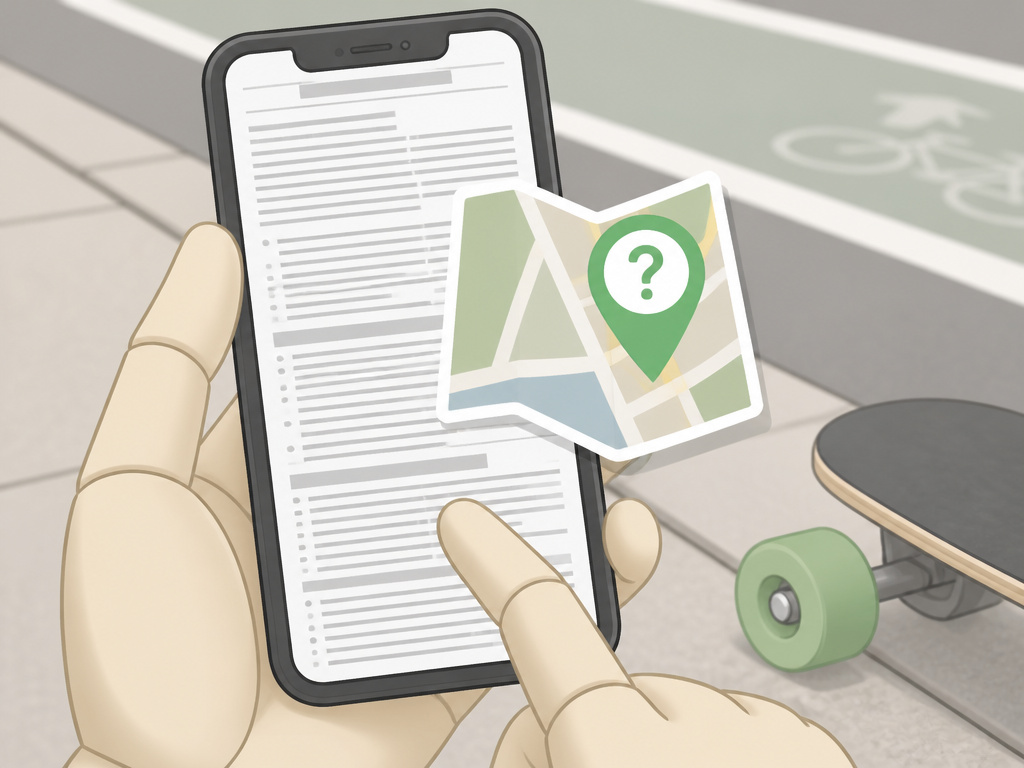
Here’s the frustrating part: even if you have the right board and gear, you might not have the legal right-of-way. The regulatory environment is, as the FHWA puts it, “murky.”
The FHWA model state regulations for Personal Transportation Devices (PTDs), which include electric skateboards, recommend that states permit them on both streets and sidewalks, regulated by device class. This framework aims to integrate them into the transportation network.
However, on the ground, many local ordinances explicitly ban motorized devices from sidewalks. This creates a direct conflict: the model law says one thing, the local code says another. For non-electric boards, you’re often treated as a pedestrian or cyclist, but rules vary by city. You must check your specific local laws to understand the rules for riding a longboard on the street or path legally. Assuming you have the same rights as a bicycle is a common and potentially costly mistake.
Practical Commuter Considerations Beyond the Board
Your board is one piece. Your route is another. A UC Berkeley literature review on low-speed mode crashes lists the common risk factors: surface conditions, user error, motor vehicle driver error, obscured driver vision, and device design.
That’s your pre-ride checklist.
- Surface: Wide, smooth bike lanes or multi-use paths are ideal. Cobblestones, cracked sidewalks, and gravel are your enemies.
- User Error: Learn to foot brake reliably before you need it. Don’t outride your skill.
- Driver Error: Assume you are invisible. Make eye contact with drivers at intersections.
- Obscured Vision: Watch for parked cars pulling out, and children or pets that might dart into your path.
- Portability: This is a key advantage over a bike. You can carry a longboard onto a bus, train, or into your office. But a 40-inch deck is still awkward in a crowded aisle.
How to choose a commuter longboard
For transportation, start with a deck over 35 inches long, as this defines a longboard and provides a stable platform for cruising. Prioritize larger wheels, which are typical for longboards and better handle common road imperfections. A flexible deck can absorb vibrations, making longer rides more comfortable. For trucks, a setup that offers stable, predictable turning is key for navigating urban environments. Your choices should directly address common risk factors like surface conditions and device design to create a safer, more reliable commuter board.
Specific board recommendations
When looking for a commuter model, focus on boards designed for cruising with larger wheels. For electric versions, consider the wide range in energy efficiency reported in studies. Some models are held back by low range, making them ideal for short rides or trips that connect with public transit like trains. Be aware that steep inclines over a certain length can be a practical limit for many electric boards. Since user error is a common risk factor, choose a board with a design and speed profile you can confidently control.
Frequently Asked Questions
How much weight can a longboard carry?
There is no single industry standard for weight capacity; check the manufacturer’s rating for your specific board. The limiting factor is often the deck’s flex, too much weight can cause it to bottom out, affecting control. Trucks and wheels are generally robust, but exceeding the manufacturer’s stated weight limit risks deck cracking or component failure. It’s a matter of component integrity, not just the board “breaking.”
How fast can you travel on a longboard?
For commuting, expect a cruising speed governed by common regulatory limits, such as 25 km/h. A skilled rider on a downhill can reach high speeds, but at that point, the risk and required skill increase dramatically. Electric boards are often governed to match local regulations, commonly 25 km/h in many regions. Downhill speed records are a professional extreme, not a commuting metric.
Are longboards easier to ride than skateboards?
For straight-line cruising and beginners, generally yes. The longer wheelbase and larger wheels provide more stability, making them less twitchy and better at handling cracks and bumps. This makes learning to push and balance easier. However, their size makes them less maneuverable for tight turns or tricks compared to a standard skateboard.
Are skateboards good for transportation?
Standard skateboards (under 33 inches) are less ideal for dedicated transportation. Their smaller, harder wheels transmit more vibration, and the shorter deck is less stable for prolonged pushing. They are designed for agility and tricks in skateparks, not for efficient mileage on varied pavement. For transport, a longboard’s design is purpose-built for the task.
The Bottom Line
A longboard is a capable, efficient tool for short urban trips under 10 km, provided your route is relatively flat and your local laws permit it. The decision between a traditional or electric model comes down to your hills and your willingness to push.
But the data makes a clear demand: your safety gear must match the documented injury severity. The NCBI boarding injuries study isn’t a suggestion; it’s evidence. If you’re using a longboard for transportation, you are statistically at higher risk of a severe head injury than a skateboarder. Your helmet choice is the most important spec on your entire setup.
For most people, the value of a longboard is in covering that awkward distance between the train station and the office, or getting across a sprawling campus faster than walking. It’s a first-and-last-mile solution. If that’s your gap, and you invest in a board suited for cruising and the serious protection it demands, then yes, a longboard is a smart, enjoyable choice for transportation.
