How Much Weight Can a Longboard Hold?
This post contains affiliate links. As an Amazon Associate, we earn from qualifying purchases.
A longboard’s weight capacity isn’t one number. It’s a model-specific limit printed in the manual or on a test report, ranging from 68kg (150 lbs) for a flexible beginner board to 136kg (300 lbs) for a stiff electric model.
That spread, from as low as 68kg to over 130kg, is why a generic answer fails you. One board’s “maximum user weight” is a safety ceiling backed by a TÜV SÜD test; another’s “flex rating” is a performance recommendation. The wrong pick doesn’t just feel unstable; it risks the deck bottoming out or a truck hanger cracking under load. The key question is how much weight a longboard can hold.
What follows: the verified weight limits for a dozen real boards, the mechanical difference between a safety limit and a flex rating, and how to upgrade an existing setup if you’re riding at the edge of its rating.
Key Takeaways
- Check the manual for the “max user weight.” This is the safety limit, not a suggestion. Models like the FunTomia Freerider (130kg) and Hydosports L907B (100kg) have this number listed in their documentation.
- For electric boards, verify the “max rider capacity.” The Inboard M1 is tested to 127kg (280 lbs); Meepo states that most of their electric skateboards are designed for riders up to 136kg (300 lbs), but their Campus model is an exception.
- Flex ratings are for ride feel, not just safety. A Loaded Icarus Flex 2 has a weight range of 35-90kg.
- The weakest link decides your real limit. A stiff 9-ply deck means nothing if your bushings are too soft or your trucks have a low reliability rating. Component failure often happens first.
- Exceeding the limit has predictable consequences. You’ll feel the deck scrape the wheels (wheelbite) on carves, hear plastic bushings deform with a creak, and see the board’s lifespan shorten from years to months.
What Are the Actual Weight Limits? (A Table of Real Models)
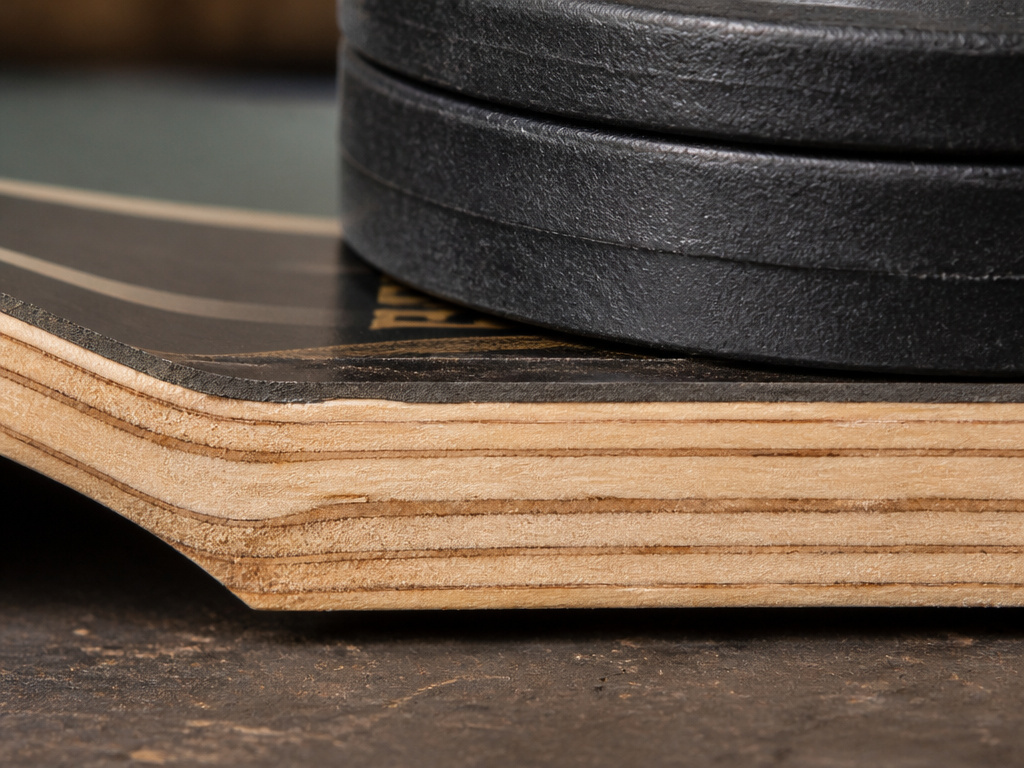
Forget “around 220 pounds.” The real answer is in product spec sheets and test reports. Here are the hard numbers from manufacturers and certified labs.
| Board Model | Reported Max User Weight | Source / Notes |
|---|---|---|
| FunTomia Twin Tip Bamboo Flex 3 | 68 kg (150 lbs) | FunTomia 2024 Manual |
| FunTomia Camber Flex 3 (7-layer) | 80 kg (176 lbs) | FunTomia 2024 Manual |
| Playlife ‘38 INCH RIDER’ (42839323) | 100 kg (220 lbs) | TÜV SÜD Test Report (EN 13613) |
| Hydosports L907B Longboard | 100 kg (220 lbs) | Hydosports Product Page |
| FunTomia Camber Flex 1 (9-layer) | 130 kg (287 lbs) | FunTomia 2024 Manual |
| Inboard M1 Electric Skateboard | 127 kg (280 lbs) | Inboard M1 User Guide |
| Meepo (Most Models) | 136 kg (300 lbs) | Meepo Product Blog |
This TÜV SÜD test report for the Playlife longboard confirms its 100kg limit and compliance with the EN 13613:2009 safety standard. It’s a third-party verification, not just a marketing claim.
The spread tells the story. A lightweight bamboo cruiser like the FunTomia Flex 3 is engineered for a smaller rider, while a 9-layer maple deck from FunTomia or a powerful electric skateboard from Meepo is built for more mass. If your weight is between two of these brackets, say, 115kg, you have a clear cutoff. Boards rated for 100kg become a risk; boards rated for 130kg are in the safe zone.
This is the first check. Look up your board’s exact model name. The capacity is almost always in the manual or on the product page under “Specifications.” If you can’t find it, assume the lower end of the range and plan an upgrade.
Is It a Safety Limit or a Performance Guide?
Here’s where most guides stop. They give you the number but not the type of number. Is it a hard safety cap or a soft performance recommendation? Your board’s manual holds the answer, and it changes everything.
Fixed Safety Maximums
Some manufacturers test their complete board to a specific load and assign a maximum user weight. The Inboard M1 manual states its max rider capacity is “tested to 280lbs / 127 kg.” The TÜV SÜD report for the Playlife board certifies 100kg. Fliteboard lists exact kilo limits for each e-foil model (100kg for RACE, 120kg for PRO). These are engineering limits. Exceeding them, as Inboard notes, “increases the risk of damage or reduced performance” when combined with slopes or rough surfaces. The board might not snap immediately, but you’re stressing components past their design intent.
Flex-Based Weight Ranges
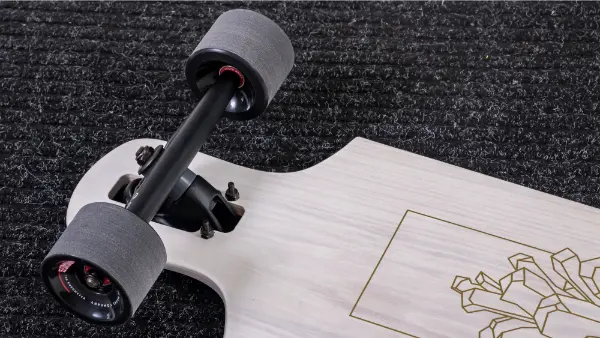
Other brands, like Loaded Boards, provide flex-specific weight ranges. Their Icarus Flex 2 is listed for 35-90kg, and the Dervish Sama Flex 3 for 35-68kg. These are optimization ranges. The board will work best, stable, responsive, with the right amount of spring, for a rider in that span. Go above it, and the deck will feel too soft, bottom out easier, and lose pop. It’s a performance warning that can become a safety issue if the deck sags enough to cause wheelbite.
Common mistake: Treating a flex rating as a strict safety limit. A rider at 95kg on a Flex 2 board rated for 35-90kg won’t necessarily break it, but they’ll fight a mushy, unstable ride that makes learning harder and bails more likely.
I see this confusion all the time. A beginner buys a flexy board because it’s recommended for “smooth cruising,” not realizing the recommendation assumes a certain weight. They struggle with speed wobbles at 20 km/h and blame their skill. Often, it’s the gear. The board is too soft for their mass.
The Deck Construction Deep Dive
The capacity number comes from the deck. We’ll look at what’s under your feet.
Material and Plies
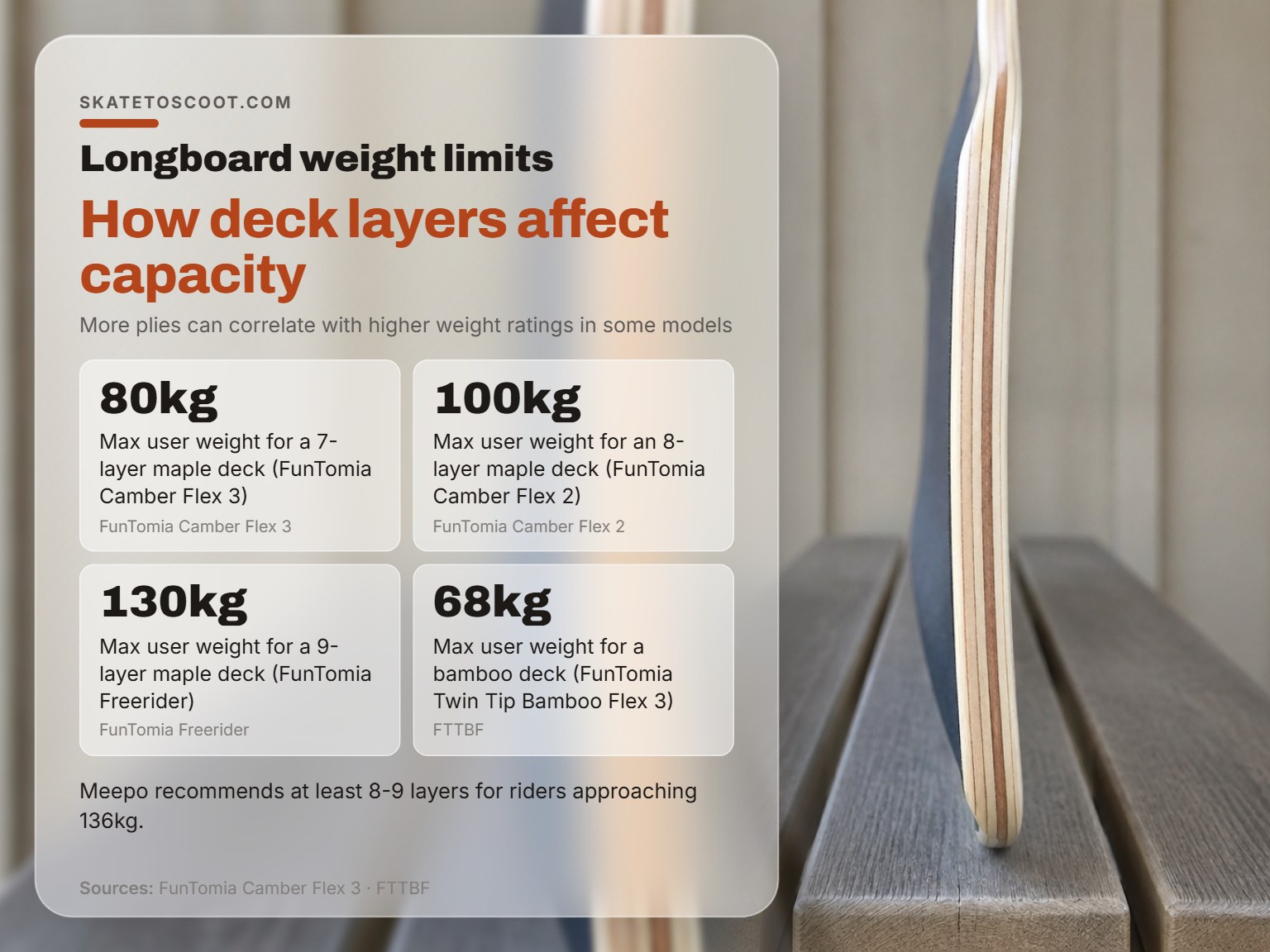
Deck stiffness comes from the material and how it’s layered. Canadian maple is the benchmark. More plies generally mean more stiffness. A 7-ply maple deck is common, but brands like FunTomia offer 8-layer and 9-layer constructions with higher weight limits (100kg and 130kg, respectively). Meepo explicitly recommends “at least 8-9 layers” for riders approaching 136kg, while some riders report 7-ply maple is sufficient. Bamboo has more flex; the FunTomia Twin Tip Bamboo line has lower limits (68kg-122kg) despite having fiberglass layers added for stiffness.
Composite Reinforcement
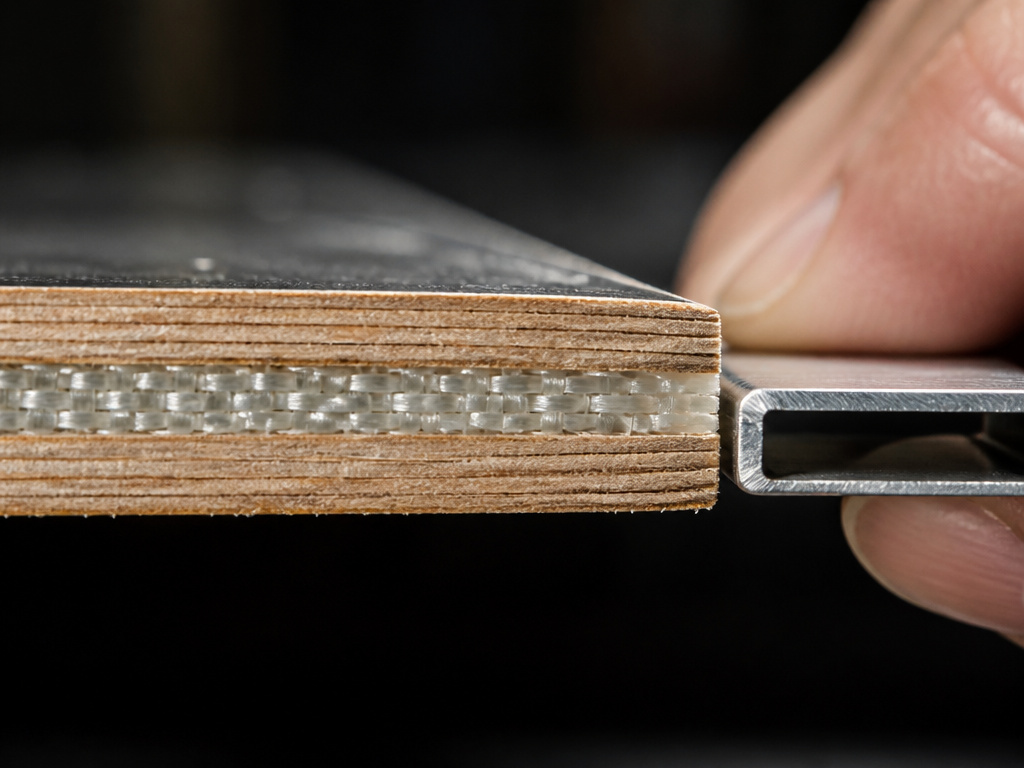
This is the secret sauce for high limits. Fiberglass or carbon fiber sheets are sandwiched between wood plies. This is how the FunTomia Freerider supports 130kg while keeping a lively feel. For the heaviest riders, brands like Beercan Boards make aluminum decks, the ultimate in stiffness, though they ride very differently from wood.
Deck Shape and Concave
The shape isn’t just for looks. A drop-through or drop-down design lowers the riding platform, which can improve stability for a heavier rider by lowering the center of gravity. A pronounced concave (the upward curve along the edges) also adds structural rigidity, helping the deck resist twisting under your weight.
Think of deck construction like a workbench. A thin pine top (a 7-ply flexy deck) will bounce if you hammer on it. A thick, laminated maple top with steel braces (a 9-ply composite deck) won’t flinch. You need the right bench for the work you’re doing.
Trucks, Bushings, and Wheels: The Support System
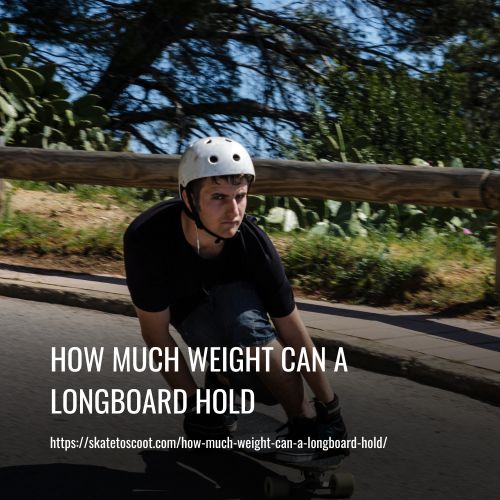
A stiff deck is useless if the trucks can’t handle the load. The trucks are the metal T-shaped assemblies that hold the wheels. They bear the direct force of your weight and turns.
Truck Geometry and Quality
Most longboards use Reverse Kingpin (RKP) trucks. The kingpin is the main bolt holding the truck together. Heavier riders put more force on this pivot point. Higher-quality trucks from brands like Paris or Bear have stronger, heat-treated aluminum hangers and more durable pivot cups. The Madison Longboard Lab worksheet references truck “reliability ratings,” hinting that engineers model these failure points.
Bushings: The Most Important Upgrade
Bushings are the urethane donuts that fit around the kingpin. They control how easily the truck turns. Their hardness is measured in durometer. Factory bushings are often too soft for heavier riders, causing a vague, uncontrollable feel.
Where this goes sideways: Using stock, soft bushings when you’re over 90kg. The truck will turn too easily under your weight, leading to speed wobbles you can’t control. The fix is a $15 set of harder bushings.
This is the single easiest and most effective upgrade. If you’re over 100kg (220 lbs), start looking at harder bushings. Brands like Riptide or Venom make them. Swapping them takes five minutes with a skate tool and greatly improves the board’s stability. Our guide on choosing longboard bushings walks you through the process.
Wheels and Bearings
Ensure your bearings are clean and lubricated. The added weight means more friction; good maintenance keeps them rolling fast. For more on this, see our picks for the best skateboard wheels for heavy riders.
What Happens If You Exceed the Weight Limit?
The board doesn’t instantly explode. Failure is a process. Learning the stages helps you catch it early.
First, you’ll feel it. The board becomes unstable at lower speeds. What was once a solid platform now feels twitchy. This is often the soft bushings deforming or the deck flexing more than it should.
Next, you’ll hear and see it. On a carve, you might hear a sharp scraping sound, the deck hitting the wheel, known as wheelbite. Look for paint scratches on the underside of the deck above the wheels. This is a major safety hazard; it can lock the wheel and throw you.
Then, components give. The plastic bushings can crack or deform permanently, losing their rebound. The deck itself may develop stress cracks around the truck mounts or start to delaminate (the layers separating).
Finally, the board becomes unrideable. It’s not always a dramatic break. It’s a gradual loss of performance and safety that ends with a component failing mid-ride. This is why understanding longboard durability and the signs of stress is crucial.
Electric Longboards: A Special Case
Adding a motor and battery changes the equation. The board must handle not just your weight, but also the torque from acceleration and regenerative braking.
Higher Stated Limits
Many electric skateboards advertise higher limits because they’re built for it. Meepo states most of its boards are designed for riders up to 300 lbs (136 kg). The Inboard M1 is rated for 280 lbs (127 kg). They achieve this with reinforced decks. Meepo recommends “at least 8-9 layers”, and more robust trucks.
Power and Performance
A heavier rider needs more torque to accelerate. Meepo recommends that heavier riders select a board with a minimum of 2 x 540-watt engines. Our dedicated guide on the best electric skateboards for heavy riders breaks down the specs that matter beyond just the weight limit.
The Importance of the Manual
The Inboard M1 manual provides a perfect example of real-world engineering. It states that exceeding the weight limit combined with variables like “steep slopes, rough surfaces, and aggressive riding increases the risk.” The limit isn’t a lab number; it’s a threshold where real-world factors multiply the risk. This kind of nuanced guidance is what you should look for in any electric longboards manual.
How to Choose (or Upgrade) a Board for Your Weight
You have two paths: buy new with confidence, or upgrade your current setup to extend its safe operating range.
If You’re Buying New:
- Find your verified number. Look for the “max user weight” or “max rider capacity” in the manual or on the product page. Prefer products with a stated limit over those with only a flex rating.
- Aim for a buffer. If you weigh 100kg, a board rated for 100kg is at its limit. Choose one rated for 130kg. The extra margin accounts for a backpack, dynamic forces, and future weight changes.
- Prioritize construction. Look for 8-9 ply maple or composite decks, reputable truck brands (Paris, Bear, Caliber), and a deck width of at least 9.5 inches for stability.
- Check the community. Reddit threads show real riders at your weight discussing specific models. A Reddit user states the Bustin Boards Sportster is rated for 250 lbs. This real-world data is gold.
If You’re Upgrading Your Current Board:
- Swap the bushings first. This is essential and costs under $20. Get harder bushings matched to your weight.
- Consider harder wheels. Softer wheels (78A) squish and slow you down. A harder wheel (82A-85A) might roll better for your weight.
- Inspect your trucks. Tighten any loose kingpin nuts, but don’t overtighten. If the trucks are low-end and bent, upgrading to a known brand is a solid investment.
- Reinforce the deck? This is a last resort. Some riders add a thin layer of fiberglass to the underside of the deck for stiffness. It changes the ride feel and is permanent. For most, it’s better to sell the board and buy one designed for your weight capacity for heavy riders from the start.
Longboard models for heavy riders
Manufacturers list specific maximum user weights for their boards. For example, the FunTomia Freerider and Camber Flex 1 models have a maximum user weight of 130kg. The Hydosports L907B and Playlife ’38 INCH RIDER’ longboards are rated for 100kg. Among electric skateboards, Meepo states most of their boards are designed for riders up to 136kg, while the Inboard M1 has a tested maximum rider capacity of 127kg. These ratings are safety limits. In contrast, some brands like Loaded Boards provide flex-specific weight ranges for optimal performance, where a Flex 1 deck is intended for heavier riders than a Flex 3.
Frequently Asked Questions
Is there a weight limit on a longboard?
Yes, every longboard has a weight limit, but it’s not a universal number. It is set by the manufacturer based on the deck’s construction and component strength. You must check the manual or product specifications for your specific model to find it.
What longboard models have a 300 lb capacity?
Several electric skateboard models are rated for 300 lbs (136 kg), including most Meepo boards (except the Campus). For traditional longboards, the FunTomia Freerider and Camber Flex 1 models have a 130kg (287 lb) limit, and brands like Landyachtz and Pantheon make stiff decks that community members over 300 lbs ride successfully.
Is a longboard harder than a skateboard?
For a heavier rider, a longboard with a load capacity of at least 100kg is often easier and safer than a standard skateboard. Longboards have a wider, more stable deck, larger softer wheels for bumps, and lower riding platforms (like drop-through designs). A typical skateboard’s short wheelbase and small hard wheels are less forgiving for learning and cruising at a higher weight.
Is there a weight limit for skateboarding?
The activity itself has no weight limit. The limit is always on the equipment. A well-built board designed for a heavier rider can handle the forces of skateboarding. The key is matching the board’s engineered capacity to the rider’s weight, as you would with any piece of sports equipment like a bike or a kayak.
Before You Go
The number one rule is verification. Don’t guess. Dig up the manual for your board or the product page for the one you want. Find the line that says “max user weight” or “maximum rider capacity.” That’s your law.
If that number is within 10kg of your current weight, start planning an upgrade, either a stiffer deck or at the very least, a set of harder bushings. The difference in control isn’t subtle; it’s the difference between fighting your gear and trusting it.
And for the bigger riders out there: the community is your best resource. Forums are filled with people sharing what works at 250, 300, even 350 pounds. Use that knowledge. Your weight isn’t a barrier to entry; it’s just a specification you need to match. Get that match right, and the road is yours.
