How Fast Does a Lime Scooter Go? Speed Limits Explained
This post contains affiliate links. As an Amazon Associate, we earn from qualifying purchases.
A Lime scooter’s top speed is not a single number. It’s a figure that can be reduced from a hardware capability of around 20-25 km/h, dictated by your city’s laws, the specific scooter model (Gen4 or Lime-S), and software-enforced geofencing. The hardware is certified for speeds up to 25 km/h, but local regulations and Lime’s own safety systems frequently lower that limit.
That hardware cap is just the starting line. The number you actually see on the speedometer is a negotiation between an electric motor and a city council, enforced by GPS. Most generic guides say “around 15 mph” and leave it there, which misses the whole story. You can ride the exact same Lime Gen4 scooter in three different cities and get three different maximum speeds, which is why a simple question like how fast does a Lime scooter go has a complex answer.
What follows is a breakdown of the specs from regulatory filings, the software systems that throttle you, and how to know what you’re really signing up for when you start a scooter ride. By the end, you’ll be able to read any city’s scooter policy and know exactly why the speed limit is what it is.
Key Takeaways
- Lime’s hardware is certified for 25 km/h, but local laws and software often reduce this to 15 mph or lower.
- Your actual speed is controlled by GPS geofencing; cities like Mobile, AL can drop limits to 8 mph in specific zones.
- Always check the Lime app map for slow zones and read your city’s micromobility website for the official speed cap.
- Attempting to modify or bypass a Lime scooter’s speed limiter violates the rental agreement and can result in fines up to the scooter’s $1,500 replacement cost.
The Real Speed Range: 8–25 km/h
Open the Lime app in Seattle and the scooter might say 15 mph. Do the same in Sydney and the official spec sheet says 20 km/h. Try it in a geofenced area of Mobile, Alabama, and you’ll be capped at 8 mph. This isn’t a malfunction—it’s by design.
The Gen4 e-scooter, Lime’s current flagship model, carries multiple speed ratings from different official sources. The NSW Fair Trading document lists a maximum speed of 20 km/h. The Levy Fleets spec sheet lists it as 15 mph (~25 km/h). A Seattle permit application summary lists it as 15 mph, and a South Bend contract amendment summary caps it at 13 mph.
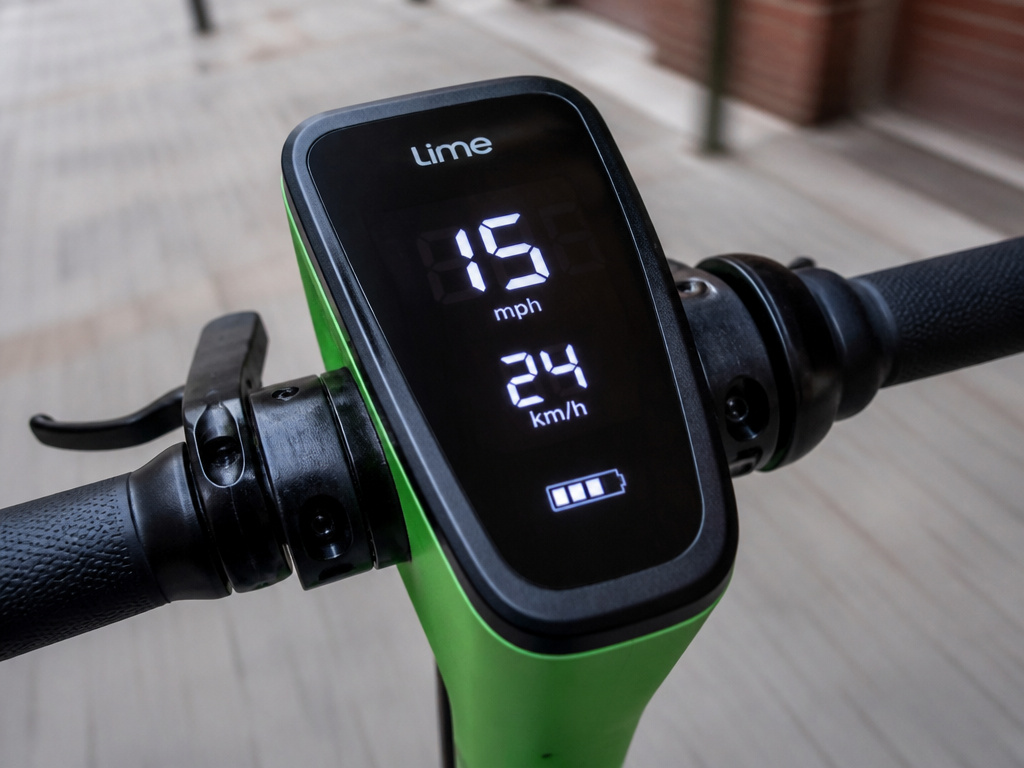
The Lime Gen4 e-scooter’s maximum speed is listed as 20 km/h (12.4 mph) in Australian regulatory filings, 15 mph (24 km/h) in U.S. Fleet specifications, and 13 mph (21 km/h) in certain municipal contracts. This variance demonstrates compliance with local law overrides hardware capability.
So which number is right? They all are, for their respective jurisdictions. Lime configures its fleet to meet the strictest local regulation. If you’re riding at what feels like a brisk jog, you’re likely in a city that has chosen a lower limit for pedestrian safety.
Why the Same Scooter Has Different Speeds
I learned this the hard way coaching skaters who wanted to use scooters for cross-training. We’d plan a route based on the “15 mph” assumption, only to hit a digital wall where the scooter suddenly bogged down to a crawl near a transit hub. The scooter wasn’t broken; we’d entered a geofenced slow zone.
The takeaway is mechanical but simple: when you compare a how fast does a Lime scooter go query, the scooter’s brain listens to the city’s rules before it listens to the throttle. Your maximum speed is the lowest number in a chain that includes the motor’s ability (25 km/h), the city’s legal cap (which could be 20 km/h), and any temporary geofences (which could be 8 mph).
Geofencing and Training Mode: The Software Governor
This is where the real answer lives for most riders. The top speed on the side of the scooter is a theoretical maximum. The speed you get is a software decision.
Cities use geofencing to create “slow zones” in high-pedestrian areas. After Mardi Gras in 2026, Mobile, Alabama, reduced maximum scooter speeds from 12 mph to 8 mph in designated downtown zones. If your ride takes you through one of these zones, the scooter will automatically slow down. The Lime app map usually shows these areas, but not always clearly.
Seattle’s permit requires, and Lime implements, a “Training Mode” for first-time riders. This mode limits the scooter to 8 mph until the rider manually disables it in the app. It’s a sensible idea—getting used to the acceleration and brakes at a jogging pace prevents a lot of initial spills. The problem is, the app doesn’t always prompt you clearly to turn it off.
| Software Control | Typical Speed Limit | Purpose | How You Know |
|---|---|---|---|
| City Geofence | 8–12 mph | Pedestrian safety in dense areas | Scooter slows automatically; zone may appear on app map. |
| Training Mode | 8 mph | Onboard new riders safely | App prompt on first ride; must be manually disabled. |
| Standard Fleet Setting | 13–15 mph (~21–24 km/h) | Compliance with local law | The default speed outside of slow zones. |
The sensation is distinct. You’ll be riding along, and the scooter will resist further acceleration despite a full battery. There’s no click or warning beep—just a firm, silent governor cutting in. It feels like hitting a patch of wet grass on skates; the roll is still there, but the push gets you nowhere.
Lime Models and Their Certified Speeds
Not all Lime scooters are the same generation, and the model in your city affects the baseline. The two main models you’ll encounter are the Lime Gen4 e-scooter and the older Lime-S series.
The Lime Gen4 is the current workhorse. According to the NSW Fair Trading document, it weighs 30.5 kg, has a maximum continued power of 500W, and is certified to the UL2272 safety standard. However, the Levy Fleets spec sheet lists its motor power as 350W. Its speed, as noted, is variable.
Where this goes sideways: Assuming a Lime-S scooter is slower than a Gen4. The certified top speed for both the Lime-S 4.0 and 3.2 is 24 km/h (15 mph), identical to the Gen4’s common U.S. Fleet setting. The difference is in the motor power and weight, not the governed top speed.
TL;DR: The Gen4 and Lime-S models are governed to similar top speeds in practice (15 mph/24 km/h). The real difference is in ride feel, weight, and motor power, not the number on the speedometer.
What Impacts Your Real-World Speed?
Even after you know your city’s legal cap and have avoided slow zones, you might not hit the maximum. Several physical factors pull your real-world speed below the software ceiling.
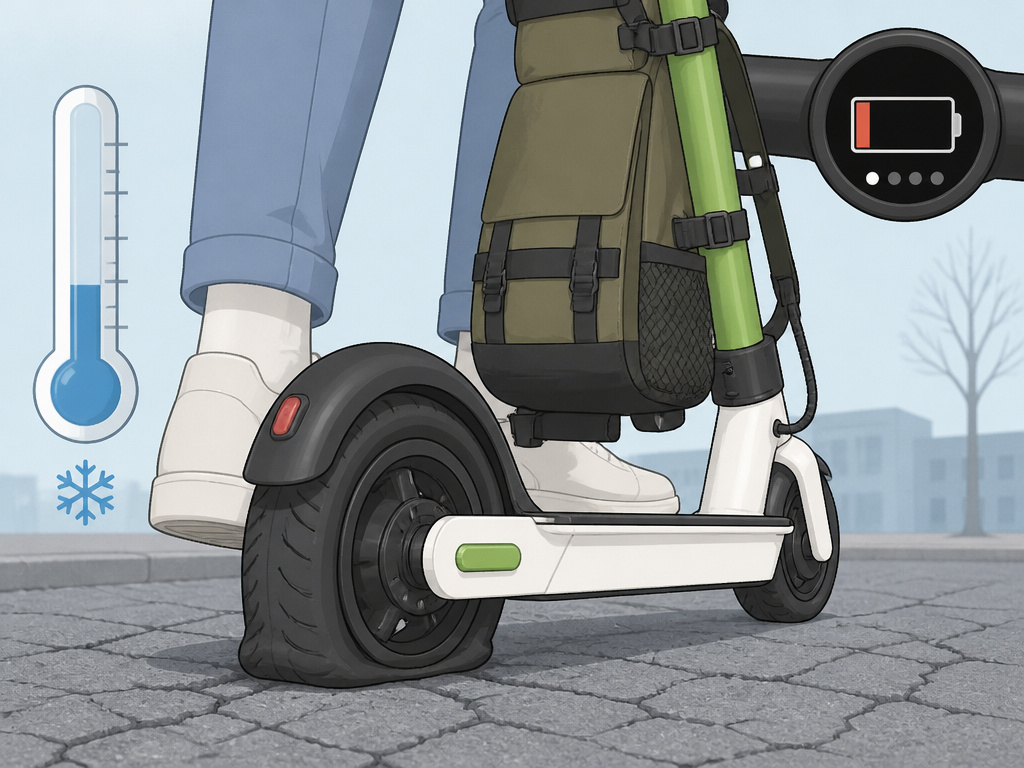
Rider weight is the big one. Lime’s own safety rules state the maximum weight load for a scooter or seated scooter is 220 lbs (100 kg). Exceed that, and the scooter will struggle. Acceleration drops, hill climbing power fades, and top speed can dip by 10-20%. It’s the same physics as a skater carrying a backpack: more mass requires more energy to move.
Battery level matters more than people think. A scooter at 20% charge doesn’t just risk stranding you; its power output is reduced to conserve range. You’ll feel a gradual loss of pep, similar to when your skate wheels need a fresh bearing clean.
Cold weather is a known issue. Lithium-ion batteries deliver less power in low temperatures. In cold weather, riders have reported reduced top speeds even when the battery is fully charged, as lithium-ion batteries deliver less power in low temperatures. The battery is cold-soaked, and the internal resistance limits the current to the motor.
Tire pressure and road surface play a role. A soft, pneumatic tire creates more rolling resistance. A rough road surface absorbs energy that would otherwise go into forward motion.
The combination means your “15 mph” scooter might only deliver 12 mph on a cold day with a slightly low tire while you’re carrying a bag of groceries. The governor isn’t active; the hardware is just working against real-world conditions.
Safety, Firmware, and the Rules
Speed isn’t just a number for Lime—it’s a liability and a safety engineering challenge. The company’s history informs its conservative approach.
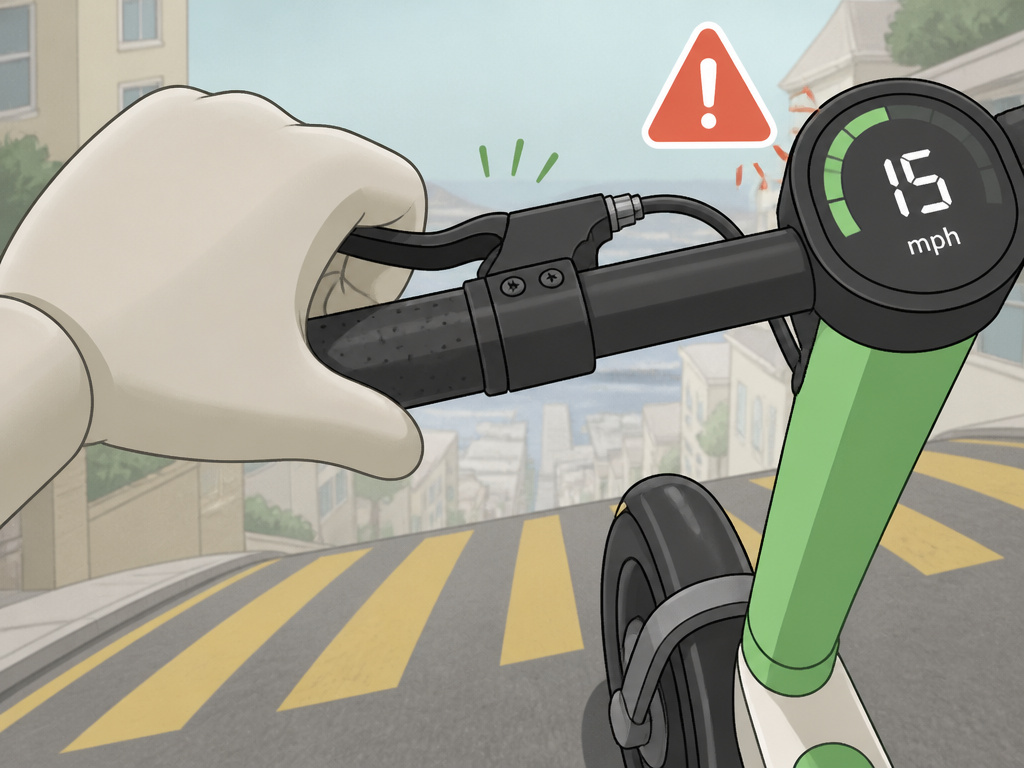
In February 2019, Lime disclosed a firmware bug that, under rare circumstances (like riding downhill at top speed while hitting a pothole), could cause sudden excessive braking. The issue affected less than 0.0045% of all Lime rides but resulted in injuries. The company rolled out a full firmware update and its official advice includes: “don’t go full speed while riding downhill.”
Lime’s pre-ride checklist now explicitly recommends testing the brakes by squeezing them and rocking the vehicle before you start. If the vehicle moves, you shouldn’t use it.
Before you start: Test both brakes before moving. A faulty brake can fail to engage when you need it most, especially on a decline. Squeeze the levers hard—the scooter shouldn’t roll. If it does, report the vehicle immediately in the app and find another one.
The financial stakes are also clear. According to Lime’s safety rules, if you damage a vehicle or it is considered lost or stolen, you are responsible for replacement costs up to $1,500. Trying to tamper with the scooter to disable the speed governor would almost certainly fall under this clause.
How Lime Scooter Speed Compares to Buying Your Own
This is the question I get most from skaters looking for an efficient crossover commute. A rental Lime scooter’s governed speed is fundamentally different from a personal scooter’s capability.
A typical personal electric scooter for commuters often has a top speed higher than rental scooters, with performance models reaching even greater speeds. The difference is that you, the owner, assume all the risk and liability. You can also perform maintenance, like keeping tire pressure perfect, which a rental fleet often misses.
The trade-off is stark. A Lime scooter offers convenience and insurance in exchange for controlled, lower performance. A personal scooter offers higher performance and customization in exchange for upfront cost, maintenance, and full personal liability.
| Aspect | Lime Rental Scooter | Personal Commuter Scooter |
|---|---|---|
| Typical Top Speed | 15 mph (24 km/h), often less | 18–20 mph (29–32 km/h) |
| Speed Control | Software-governed, geofenced | User-controlled, may have modes |
| Maintenance | Handled by Lime fleet ops | Handled by you |
| Best For | One-way trips, casual use, tourists | Daily commuting, enthusiasts, speed |
For most casual users and one-off trips, the Lime speed is adequate. For anyone considering a scooter as a primary daily commute vehicle, the speed limit is a significant constraint that makes buying a personal model worth considering.
Frequently Asked Questions
Are Lime scooters faster than Bird scooters?
Generally, no. Most major rental fleets, including Bird, cap their scooters at 15 mph (24 km/h) to comply with the same city laws. The difference is often in motor power and acceleration, not top speed. In a head-to-head drag race on a flat street, a Lime Gen4 and a Bird Three would likely hit the same governed ceiling.
How can I check the speed limit in my city?
Don’t guess. First, look for slow zones on the Lime app map. Second, search for “[Your City] micromobility program” or “e-scooter ordinance.” The official city transportation website will list the legal maximum speed for rental devices. This is often 15 mph, but as in Mobile, AL, it can be lower.
Can you make a Lime scooter go faster?
Technically, the hardware is capable of more, but you cannot legitimately increase the speed. The software governor is locked and tampering with it violates your rental agreement. Attempting it could leave you liable for the scooter’s full replacement cost.
Why does my Lime scooter feel slow even at full battery?
Three likely culprits: you’re in a geofenced slow zone, it’s very cold outside (reducing battery output), or the tire pressure is low. Rider weight and a slight incline can also compound the effect. The scooter isn’t broken; it’s working against environmental and physical limits.
What is the fastest a Lime scooter has ever gone?
Official documents show different maximum speeds for the Lime Gen4 e-scooter: Lime (NSW Fair Trading) lists 20 km/h, Levy Fleets lists ~25 km/h (15 mph), and Lime’s SFMTA application lists 24 km/h. Anecdotal reports from earlier, less-regulated days mention higher speeds, but current fleets are uniformly governed to meet modern safety regulations.
The Bottom Line
The speed question has a clear answer: 15 mph (24 km/h) is the common ceiling, but 8 mph (13 km/h) is just as possible. Your actual experience depends less on the scooter and more on the invisible lines drawn by your city’s transportation department.
If you need predictable, faster transit for a daily commute, the rental model hits a wall. The governed speed, while safe and legal, adds significant time over distances longer than a mile. In that case, investing in a personal scooter you can maintain and ride at its full potential is the logical next step.
But for a last-mile solution from the train, a quick trip to a cafe, or a tourist exploring a downtown, Lime’s speed is fit for purpose. Just remember to check the app for slow zones, test the brakes every time, and never assume the scooter will behave the same way on two different streets. The limit is there for a reason, and it’s smarter than any hack to get around it.
