Social Mental and Health Benefits of Skateboarding
This post contains affiliate links. As an Amazon Associate, we earn from qualifying purchases.
The social, mental, and health benefits of skateboarding are anchored in research showing specific social capital gains, measurable cardiovascular fitness, and a documented capacity to reduce anxiety and depression, even in high-risk populations. This isn’t a list of generic perks. It’s the conclusion drawn from peer-reviewed studies on skateboarders in Australia, South Africa, and Canada, and echoed by thousands of adult skaters returning to the board.
That data point changes the conversation. It moves skateboarding from a “risky hobby” to a viable, community-based tool for mental and physical well-being, highlighting the social mental and health benefits of skateboarding. The rest breaks down the exact mechanisms, how a skatepark builds friendship networks, why the activity meets federal cardio guidelines, and what the research says about injury risk versus reward, so you can see the concrete evidence behind the feel-good stories.
Key Takeaways
- A 2017 study identified four specific social benefits: establishing new and reconnecting with old friendships, bonding to a group, gaining peer respect, and increased social interaction.
- All skatepark user groups, female, BIPOC, and non-skateboarders, met or exceeded CDC cardiovascular fitness guidelines during a typical session, making it a legitimate workout.
- Research in gang-affected South African communities found benefits for adolescents experiencing food insecurity (66%), physical abuse (45%), and bullying (47%), showing its impact in extreme adversity.
- After an injury, adolescents perceived the benefits of skateboarding as significantly outweighing the costs of potential re-injury, a perspective often missed in safety debates.
- Some skaters report that the required hyper-focus and pattern recognition in skateboarding can function as a natural, engaging tool, which may benefit neurodiverse individuals.
The Four Proven Social Benefits (Backed by Data)
Most guides talk about “making friends.” The data is more precise. A 2017 content analysis of 35 skateboarders’ survey responses, published in the International Journal of Child Health and Human Development, isolated four distinct social capital benefits. These aren’t feelings; they are measurable outcomes.
The 2017 JCU study also noted that skateboarding expands social horizons by providing increased opportunities to gain community recognition and acceptance.
The first benefit is the most obvious: establishing new friendships and reconnecting with old ones. A skatepark is a third place, somewhere that isn’t home or work or school, where conversation starts over a shared struggle. You’re not just waiting your turn; you’re talking about foot placement, waxing a ledge, or why a trick isn’t sticking. The second is bonding to a friendship group. This is different. It’s the shift from “people I skate with” to “my crew.” That group becomes your spotter, your camera person, your ride home after a slammed session. The JCU skateboarding social identity study frames this as developing a social identity and a sense of belonging, which are core components of human wellbeing.
The final two benefits are about status and exposure. Gaining peer respect isn’t about being the best skater; it’s about showing up, trying hard, and respecting the park’s unwritten rules. That earns you nods. Increased opportunities to interact with people simply means the activity puts you in front of a wider, more diverse slice of your community than staying home ever could.
Where this goes sideways: Treating the skatepark like a gym, where you put in headphones and ignore everyone. You’ll still get the workout, but you forfeit a significant portion of the documented social payoff. The benefits are participatory, not passive.
Mental Health: From Clinical Studies to Park Therapy
The mental health conversation around the social mental and health benefits of skateboarding often centers on stress relief. That’s true, but it’s the shallow end. Peer-reviewed research and a mountain of anecdotal evidence point to deeper, more structural benefits, especially for those grappling with anxiety, depression, or the search for purpose.
Take the 2022 evaluation of a youth skateboarding program in South Africa. Researchers worked with adolescents in gang-affected communities facing severe adversity: 66% experienced food insecurity, 45% reported physical abuse, and 47% dealt with bullying. Among participants, 72% reported moderate-to-severe anxiety or depression levels. The study, published in the Journal of Adolescent Research, found the program delivered a sense of belonging, protection from gang recruitment paths, and the emotional benefits of exercise. This isn’t about a fun distraction; it’s about providing a protective community structure in environments where few exist.
For adults, the narrative is often one of rediscovery and coping. On forums like r/OldSkaters, the stories are consistent. A 29-year-old calls getting back into skating “the best decision for my mental health in years.” A 48-year-old describes it as a tool to navigate depression. Another recounts quitting drinking and finding that skating “filled an emptiness in my extra time.”
The mechanism here is multifaceted. Skateboarding forces a state of flow, you cannot worry about bills or a tough conversation when you’re calculating speed, foot position, and balance. It’s a moving meditation. As one Reddit user put it, “It frees the mind from burdens that are hard to avoid thinking about… It makes life simple.” This aligns with the findings of the South Africa skateboarding emotional benefits study, which documented benefits for adolescents facing severe adversity.
Common mistake: Chasing huge tricks immediately for the Instagram clip. That path breeds frustration and reinforces negative self-talk. The mental health gains come from the process, the incremental progress, the time outside, the small social interactions, not the end product.
The Physical Payoff: More Than Just a Workout
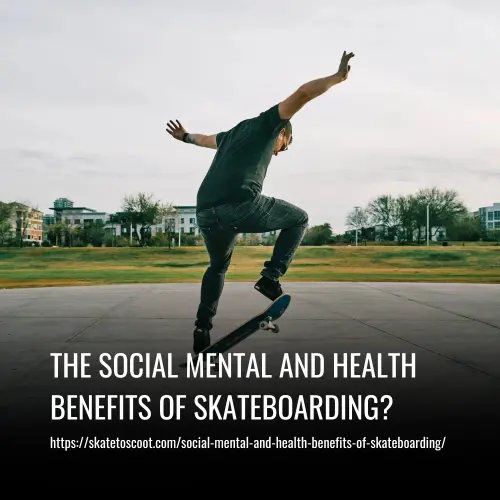
Yes, skateboarding burns calories and can contribute to weight loss goals. But labeling it as just “exercise” misses how efficiently it builds the social mental and health benefits of skateboarding fitness. A 2023 study measured the heart rate response of 56 users at a community skatepark, including female skaters, BIPOC skaters, and non-skateboarding users simply observing. The finding was unambiguous: all groups met or exceeded the CDC’s cardiovascular fitness guidelines during a typical session.
This has practical implications. You don’t need a gym membership or specialized equipment. A visit to a local skatepark with a board provides a full-body workout that improves balance, coordination, and leg strength. The constant micro-adjustments engage stabilizing muscles that routine cardio often neglects. It’s also scalable. A mellow cruise works different systems than a session trying to lock in a new grind.
The table below breaks down the primary physical systems engaged and how they translate to general health.
| Physical System | Skateboarding Action | Health Benefit |
|---|---|---|
| Cardiovascular | Pushing, pumping transitions, bailing and resetting | Improves heart health, increases stamina, aids in calorie burn |
| Muscular (Lower Body) | Constant leg bending, pushing motion, landing impact | Builds quad, calf, and glute strength; improves explosive power |
| Core & Balance | Maintaining stance, adjusting for cracks, landing tricks | Enhances core stability, proprioception, and prevents falls elsewhere |
| Flexibility | Reaching for boardslides, crouching for ollies, rolling out of falls | Maintains joint mobility and range of motion |
For skaters concerned about weight or older riders wondering about age, this is the key. You control the intensity. Begin with finding a smooth, flat parking lot and focus on comfortable pushing and turning. That alone gets your heart rate up and muscles working. The community aspect matters here, too, having people to session with provides motivation that turns occasional activity into a consistent habit, which is where the real fitness benefits of longboarding compound.
Skateboarding and Neurodiversity: A Natural Fit for Focus
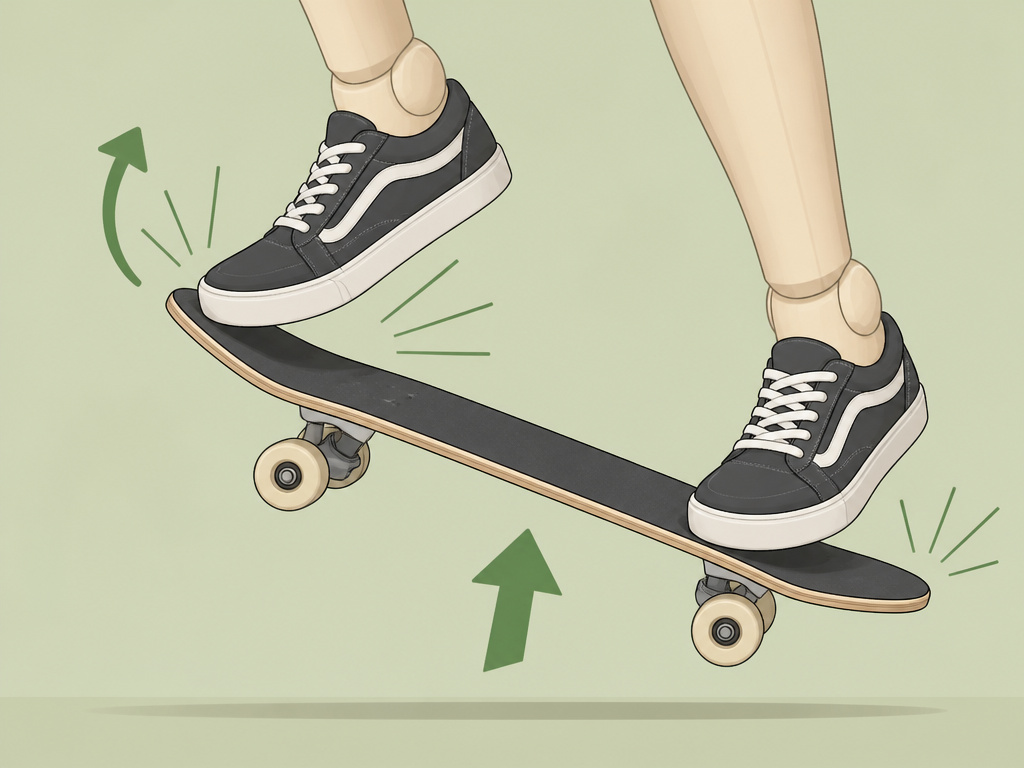
One of the most common “People also ask” queries is: “Does skateboarding help ADHD?” The clinical research is still emerging, but the lived experience of the community and the nature of the activity point strongly toward “yes.” Skateboarding isn’t just a physical outlet; it’s a cognitive puzzle that demands and rewards hyper-focus.
The activity requires intense concentration on a narrow set of variables: foot placement, board angle, body posture, speed, and timing. For a mind that struggles with maintaining attention on single, static tasks, this dynamic, multi-variable problem can be perfectly engaging. It provides a legitimate reason for the brain to channel its energy into a single point. The reward, landing a trick, carving a clean line, delivers a dopamine hit that reinforces the focus loop.
It’s a lot like meditation where you need to zone out to do it well. The majority of skateboarders I know come from fucked up backgrounds so it gives the outcasts a community.
This quote from a Reddit thread captures the dual benefit. It’s both a cognitive exercise and a social sanctuary. The skatepark is often a more accepting environment for individuals who might feel out of place in traditional, highly structured team sports. The focus required to skate also creates a natural break from the internal noise that can accompany neurodiverse conditions, offering a form of moving mindfulness.
Weighing Risk Against Reward: What the Injured Say
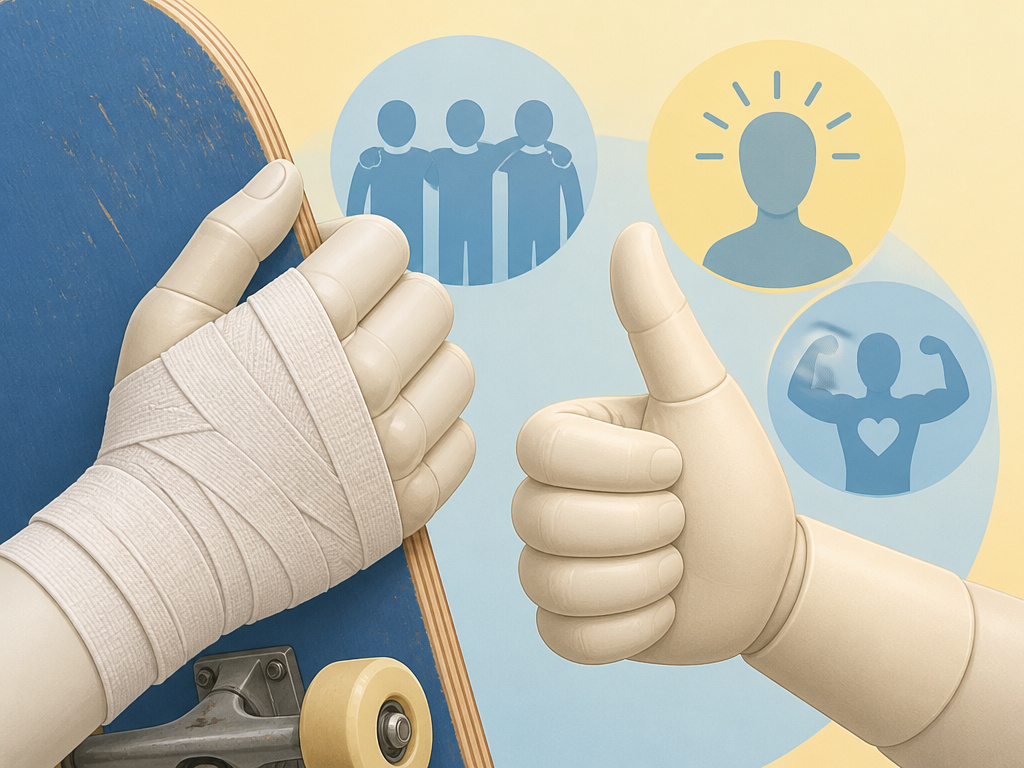
Any honest discussion of benefits must address the elephant in the room: injury risk. It’s real. Wrist fractures, ankle sprains, and concussions happen. But the discourse often stops at the emergency room door, missing a critical piece, what happens after. A 2023 Canadian study interviewed 26 adolescents (aged 14-17) who had sustained medically attended skateboarding injuries. The researchers weren’t just counting broken bones; they were asking a qualitative question: do the benefits outweigh the risks?
The thematic analysis, published on PubMed, found that the perceived benefits, interpersonal connections, mental and physical health gains, pleasure, personal growth, and identity development, significantly outweighed the costs associated with potential re-injury. In other words, the kids who got hurt looked at the totality of what skateboarding gave them and decided it was worth it.
This perspective is crucial for parents and new skaters. It reframes risk management. The goal isn’t to eliminate all chance of injury (an impossible standard for any physical activity). The goal is to maximize the benefits while intelligently mitigating the most severe risks. That means wearing a helmet, learning how to fall properly before learning tricks, and progressing at your own pace. As one Reddit user pragmatically noted, “Skateboarding causes injuries… But statistically speaking, they are mostly non-permanent, just very common.”
How to Actually Get These Benefits (A Starter Plan)
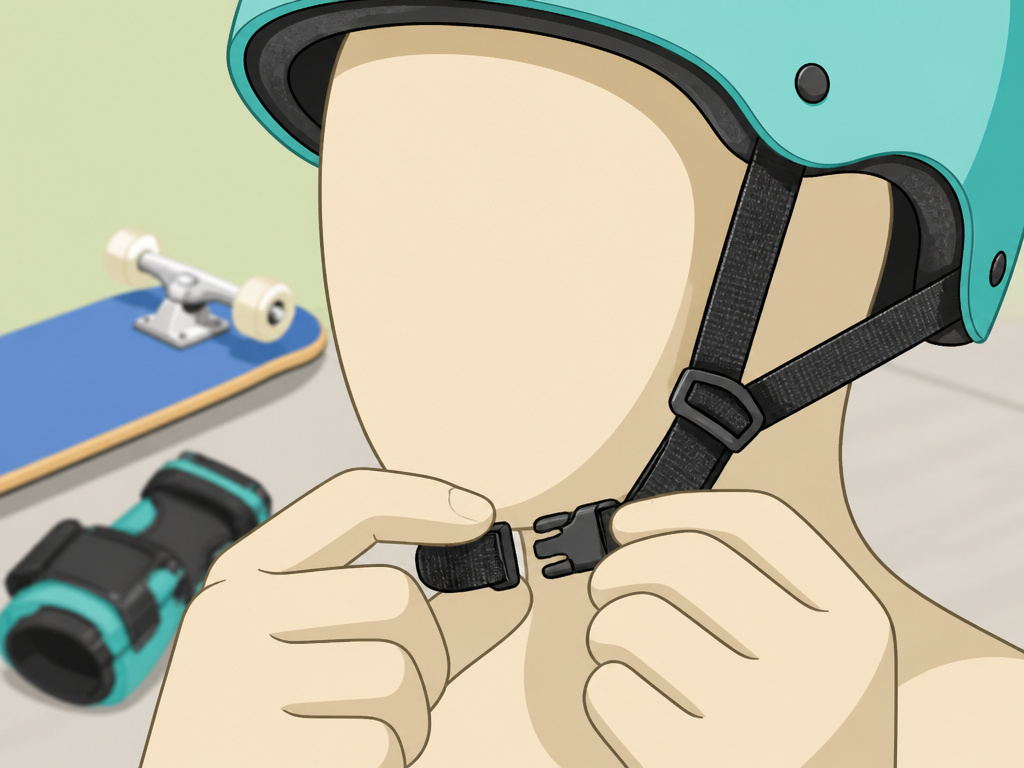
Knowing the benefits is one thing. Accessing them is another. Here’s a condensed, actionable plan to move from interested to involved, designed to deliver the social, mental, and physical payoffs from day one.
- Gear Up for Safety, Not Style. Your first investment should be a certified helmet and wrist guards. Wrists are the most common point of impact for beginners. A properly fitting board from a skate shop, not a toy department, is next. This isn’t about cost; it’s about control and predictability, which directly reduces frustration and injury risk.
- Find Your People Before Your Kickflip. Go to your local skatepark at a less busy time. Watch. Say hello. Ask a simple question like, “Is this a good spot to practice pushing?” The social benefits come from interaction. Online, communities like r/NewSkaters or r/OldSkaters are invaluable for advice and encouragement.
- Master the Boring Fundamentals. Spend your first sessions doing nothing but pushing, turning, and stopping comfortably. This builds the muscle memory and confidence that makes everything else possible. It’s also where the cardiovascular exercise begins. Skip this, and you’re building on shaky ground.
- Set Micro-Goals, Not Macro Dreams. “Land an ollie” is a fine long-term goal, but today’s goal is “stand on the board in the driveway for 5 minutes” or “push to the end of the block and back.” These small wins provide the consistent sense of achievement that boosts mental well-being.
- Listen to Your Body and the Park. Skateboarding is a dialogue. A twinge in your ankle means rest. Sore wrists mean review your falling technique. Slick ground means slower speeds. This mindful approach turns each session into a learning experience about your own limits and resilience.
TL;DR: Start safe, start social, and master the push before you dream of the pop. The benefits accumulate in the process, not just the pinnacle moments.
Frequently Asked Questions
Is skateboarding good for the brain?
Yes. Beyond the cardiovascular benefits that improve overall brain health, skateboarding requires intense focus, spatial reasoning, rapid decision-making, and pattern recognition. This combination acts as a full cognitive workout, enhancing neural connections. The state of “flow” it induces is also associated with reduced stress hormones.
Does skateboarding help with anxiety and depression?
Peer-reviewed studies and extensive anecdotal evidence suggest it can. The combination of vigorous exercise (which releases endorphins), achievable goal-setting, community support, and mindful focus provides a multi-pronged approach that can alleviate symptoms. Research from a South African youth program showed benefits even for adolescents in high-stress, high-risk environments.
I’m not a teenager. Am I too old to start?
Absolutely not. The resurgence of “old skater” communities online and in parks is a testament to this. Adults often report greater mental health benefits, as they approach skating with more patience and appreciation for the process. The key is adjusting expectations, prioritizing safety gear, and focusing on the joy of movement rather than comparing yourself to younger skaters.
What if I’m not athletic or coordinated?
Skateboarding is a skill, not a genetic trait. Everyone starts with zero coordination on the board. The learning curve is steep at first, which is why the social community is so important, everyone remembers what it was like to wobble. The physical gains in balance and coordination are a result of practicing, not a prerequisite.
How do I handle the fear of injury?
First, gear up. A helmet and pads provide real psychological safety. Second, learn to fall. Practice bailing onto grass or a mat to develop muscle memory that keeps your wrists and head safe. Finally, progress incrementally. Most fear comes from attempting maneuvers far beyond your current skill level. The adolescent skateboarding risk-benefit perspectives study found that those who respected their limits still reaped immense benefits.
The Bottom Line
The evidence is clear and multi-sourced: skateboarding offers a unique package of social connection, mental resilience, and physical fitness that is documented in academic journals and lived out in skateparks worldwide. The most powerful insight isn’t that it’s fun, it’s that it’s functional. For the person feeling isolated, it builds a chosen family. For the mind stuck in anxious loops, it demands a healthy, present focus. For the body needing activity, it provides a full workout disguised as play.
Your first step isn’t buying the most expensive board. It’s visiting a park. Watch for ten minutes. Feel the rhythm of attempts, slams, and celebrations. See the spontaneous high-fives. That’s the social and mental health engine in motion. Then, if you’re ready, start with the helmet, the wrist guards, and the push. Everything else, from the friendships to the fitness to the peace of mind, follows from there.
